New York Governor Kathy Hochul Issues Nations First Statewide Moratorium on Large Scale Data Center Development

In a landmark move that signals a significant shift in how state governments balance technological advancement with environmental and economic stability, New York Governor Kathy Hochul issued an executive order on Tuesday establishing a one-year moratorium on the construction of large-scale, hyperscale data centers across the state. This directive makes New York the first state in the nation to implement a statewide pause on such facilities, highlighting a growing tension between the rapid expansion of the artificial intelligence (AI) industry and the capacity of the American electrical grid to sustain it.
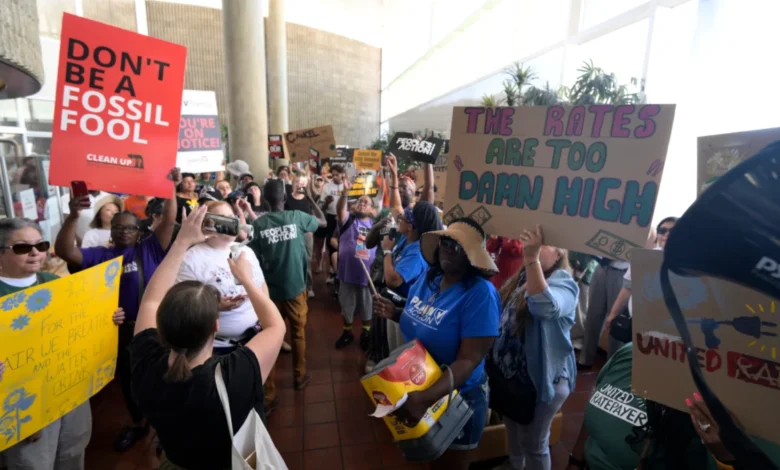
The moratorium, effective immediately, targets "large-scale" facilities—specifically those categorized as hyperscale data centers that require massive amounts of electricity and water for cooling. Governor Hochul’s decision comes as a response to mounting pressure from local municipalities, environmental advocates, and utility consumer groups who argue that the unbridled growth of the data industry is driving up electricity costs for residential consumers and threatening the state’s ambitious climate goals.
The Mechanics of the Executive Order and the Study Period
Under the terms of the executive order, the New York State Department of Public Service (DPS) is prohibited from issuing new permits or approvals for large-scale data center projects for the duration of the 12-month pause. This "cooling-off" period is designed to allow state agencies to conduct a comprehensive environmental and economic impact analysis.
The DPS has been tasked with leading a formal proceeding to determine the long-term viability of these facilities within New York’s energy ecosystem. A primary focus of the study will be the development of a new regulatory framework that could require data center operators to either pay a premium for their energy consumption or provide their own independent, renewable energy sources. This "pay-to-play" or "self-sustain" model aims to insulate traditional utility customers from the infrastructure costs associated with upgrading the grid to handle the immense loads required by high-density computing.
Governor Hochul also directed the state’s economic development agency, Empire State Development (ESD), to create a standardized framework for local communities. This framework is intended to empower towns and cities to negotiate more effectively with multinational tech corporations. Proposed requirements for future developments include mandatory investments in local infrastructure, contributions to childcare services, and strict adherence to prevailing wage and labor standards.
A Growing Conflict: The AI Boom and Grid Stability
The surge in data center demand is largely fueled by the global race for artificial intelligence. AI models, such as large language models (LLMs), require significantly more computational power than traditional cloud storage or internet hosting. According to industry data, a single query to an AI platform can consume up to ten times the electricity of a standard Google search.
In New York, the sudden influx of permit applications for these facilities has raised alarms. The New York Independent System Operator (NYISO), which manages the state’s power grid, has previously warned that the state’s transition to renewable energy, coupled with increased demand from electric vehicles and data centers, could lead to reliability margins tightening over the next decade.
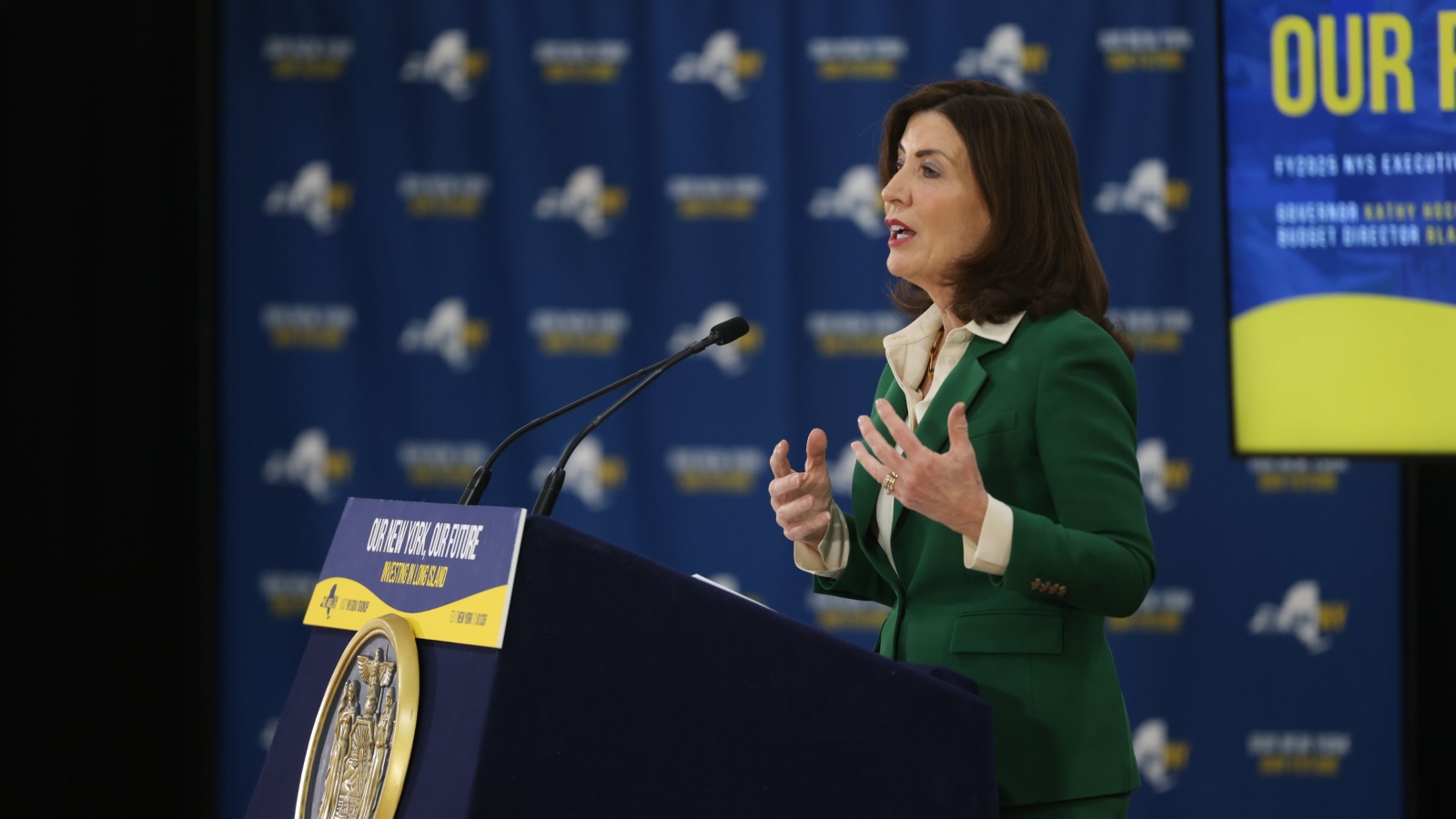
"As data center development threatens to hike up utility bills, deplete our natural resources, and create uncertainty for New Yorkers, it’s my responsibility to take action and lead," Governor Hochul stated during the announcement. The Governor’s office emphasized that while New York remains "open for business" for the tech sector, that growth cannot come at the expense of the state’s residents or its commitment to the Climate Leadership and Community Protection Act (CLCPA), which mandates a zero-emission electricity grid by 2040.
Chronology of the Legislative and Executive Response
The path to this moratorium has been marked by legislative friction and a shifting national landscape:
- April 2024: Maine Governor Janet Mills, a Democrat, vetoed a similar measure that would have established a statewide moratorium. Mills argued at the time that a ban would send a "chilling message" to the tech industry and hinder economic development in rural areas.
- June 2024: The New York State Legislature passed S10642, a bill that proposed an even more stringent and potentially longer-lasting moratorium on data centers. The bill received bipartisan support in some regions where residents complained of noise pollution and rising water usage from existing facilities.
- July 2026: Governor Hochul issued the executive order. While the legislature’s bill remains on her desk, the executive order allows the Governor to control the parameters of the study and the eventual regulatory outcome, rather than being bound by the specific language of the legislative bill.
- Present: The New York DPS begins the process of auditing the energy consumption of existing facilities and modeling the impact of the dozens of projects currently in the pipeline.
Economic Implications and the Repeal of Tax Incentives
For years, New York, like many other states, offered lucrative tax exemptions to attract data centers, viewing them as anchors for the "Silicon Alley" tech corridor. These incentives often included exemptions from state and local sales taxes on the massive amounts of hardware and server equipment required to outfit the facilities.
However, Governor Hochul’s new directive calls on the state legislature to repeal these sales tax exemptions for large-scale data centers. The administration argues that because these facilities create relatively few permanent jobs compared to their massive physical and energy footprint, the tax breaks are no longer a justifiable use of state resources.
Instead, the Governor announced plans for a "Grid Infrastructure and Clean Energy Fund." This fund would be financed by mandatory contributions from data center developers. The capital would be earmarked for upgrading New York’s aging transmission lines and subsidizing the development of new solar, wind, and hydroelectric projects.
Environmental Concerns: Water and Waste
While electricity consumption is the primary driver of the moratorium, environmental groups have highlighted the "hidden" costs of data centers: water usage and electronic waste.
Hyperscale data centers require millions of gallons of water per day for evaporative cooling systems to prevent servers from overheating. In parts of Upstate New York, where many of these facilities are proposed due to cooler climates and cheaper land, local farmers have expressed concern that industrial water draws could deplete local aquifers during drought conditions.
The DPS study will specifically investigate the "consumptive use" of water by these facilities. Proponents of the moratorium suggest that any future permits should be contingent on the use of "closed-loop" cooling systems, which recycle water but are more expensive for companies to install and operate.
Reactions from Industry and Advocacy Groups
The reaction to the moratorium has been polarized. Tech industry trade groups, including those representing major players like Amazon Web Services (AWS), Google, and Meta, have expressed disappointment. In a generic statement typical of the industry’s response to such measures, spokespeople often highlight the "indirect economic benefits" of data centers, such as the construction jobs created during the building phase and the support for the broader digital economy.
Conversely, climate advocacy groups have hailed the move as a necessary intervention. "We cannot achieve a green transition if we allow a single industry to gobble up all the new renewable energy we bring online," said a representative from a leading New York environmental non-profit. "This pause allows us to ask the hard questions about who this energy is for—New York families or AI chatbots."
Local government officials in areas like Western New York and the Hudson Valley, which have become "hotspots" for data center applications, have also voiced support. Many local boards have felt overwhelmed by the legal and technical resources of multinational corporations during the zoning process. The Governor’s proposed framework for local negotiation is seen as a vital tool for ensuring that communities receive tangible benefits, such as investments in local schools or power grid resilience, in exchange for hosting these industrial giants.
National Context and Future Outlook
New York’s decision is being watched closely by other states facing similar dilemmas. In Virginia, home to "Data Center Alley," and in states like Georgia and Arizona, the rapid expansion of the industry has led to similar debates over utility rates and water rights.
By taking the lead with a statewide moratorium, New York is setting a precedent that could lead to a patchwork of "high-standard" states where data center development is strictly regulated. This could potentially drive development to states with fewer environmental protections, or it could force the tech industry to innovate more rapidly in the fields of energy efficiency and on-site power generation.
The next twelve months will be a period of intense lobbying and scientific inquiry in Albany. The findings of the Department of Public Service will likely form the basis of a new era of industrial policy in New York—one where the digital infrastructure of the future is required to pay its fair share for the physical resources of the present. As the moratorium takes hold, the tech world will be looking to see if New York can successfully integrate the demands of the AI revolution with the necessities of a stable, affordable, and green energy grid.
Related posts: