Baltimore Faith Communities Lead Climate Resilience Efforts Through Green Infrastructure and Resiliency Hubs

In the low-lying coastal geography of Baltimore, Maryland, the arrival of rain has historically signaled a twofold crisis: the immediate threat of localized flooding and the long-term degradation of the Chesapeake Bay watershed. For decades, the city’s vast expanses of asphalt and concrete have acted as a conduit for untreated runoff, carrying heavy metals, oils, and sediment into local streams. However, a growing movement of faith-based organizations is now challenging this traditional model of urban management by replacing "gray" infrastructure with "green" solutions, transforming underutilized church properties into vital ecological assets and community sanctuaries.
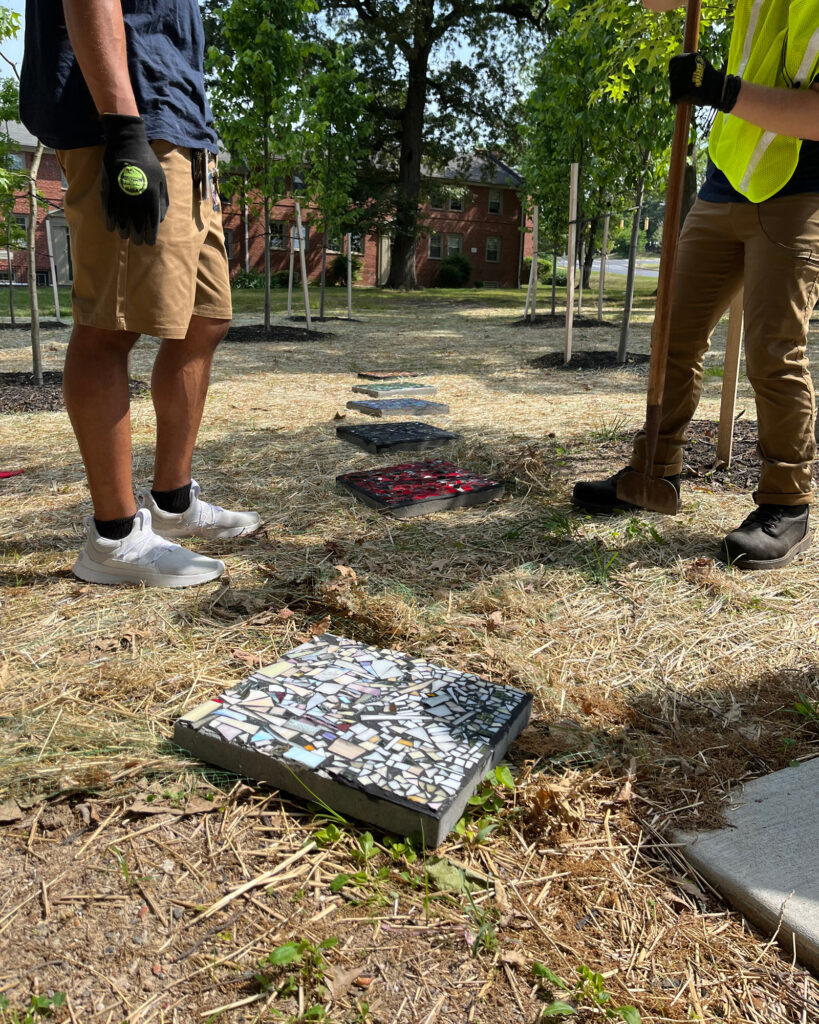
At the forefront of this transition is Faith Presbyterian Church in Northeast Baltimore. The congregation has successfully converted a significant portion of its property into a functional ecosystem, featuring a 200-square-foot rain garden and a newly established "mini forest" on land formerly occupied by a parking lot. This initiative represents a broader shift in how urban stakeholders view land use in an era of intensifying climate change, where the weather patterns of the past no longer align with the engineered capacities of the present.
The Mechanics of Green Infrastructure: From Pipes to Plants
The primary challenge facing Baltimore’s stormwater management system is the prevalence of impermeable surfaces. When rainwater hits pavement, it cannot be absorbed; instead, it gains velocity and heat, picking up pollutants before entering storm drains. This water eventually reaches the Inner Harbor and the Chesapeake Bay, where it contributes to nutrient loading and thermal pollution.
Faith Presbyterian’s rain garden serves as a biological filter. By utilizing native plants with deep root systems, the garden slows the flow of water, allowing it to pool and gradually infiltrate the soil. This process naturally filters out pollutants and cools the water before it reaches the water table. William Curtis, a long-time parishioner and clerk of session at Faith Presbyterian, notes that traditional stormwater systems are designed solely for drainage, often failing to address the ecological health of the watershed.
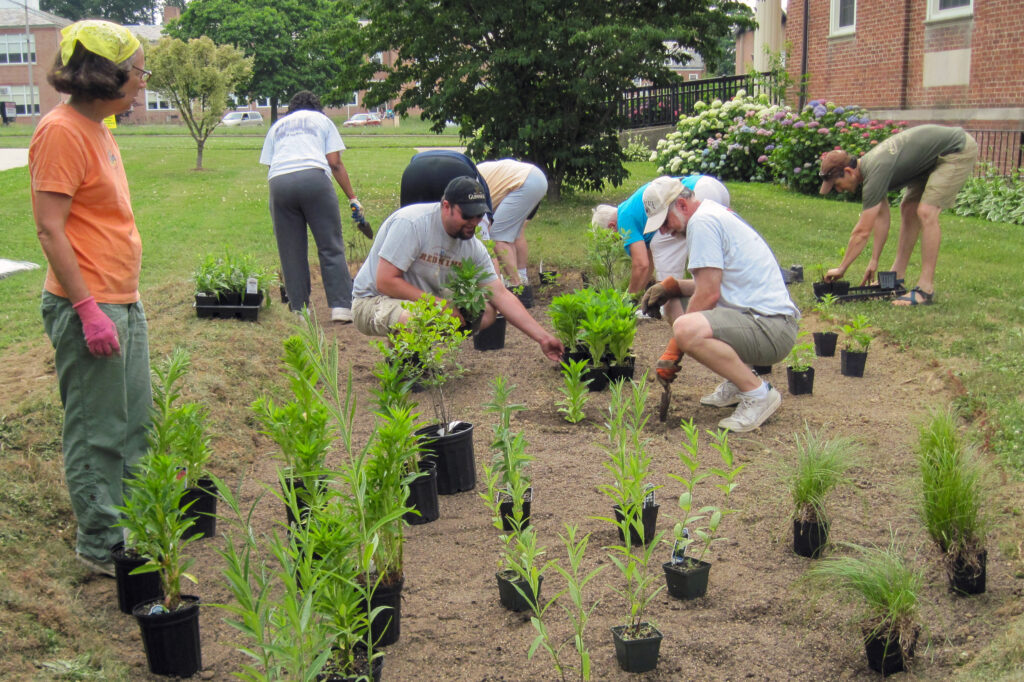
"A traditional stormwater system is good if you don’t want your basement to flood," Curtis said. "But it’s not good for much of anything else."
The thermal impact of runoff is a particularly acute concern for Maryland’s aquatic ecosystems. During summer months, rainwater hitting sun-baked asphalt can reach temperatures that are lethal to sensitive fish species and other aquatic life. By diverting this water into shaded gardens and forests, the church ensures that the water returning to the earth is at a temperature compatible with local biodiversity.
A Chronology of Environmental Stewardship
The transformation at Faith Presbyterian did not occur overnight but is the result of a disciplined, multi-year commitment to environmental justice.
- 2010: The church began its journey by installing its first 200-square-foot rain garden. This project was completed in coordination with the Herring Run Watershed Association, a precursor to the prominent environmental nonprofit Blue Water Baltimore.
- May 2023: Recognizing that its large parking lot—originally built to accommodate a 1,000-member congregation—was no longer necessary for its current membership, the church took the bold step of uprooting a significant section of the asphalt.
- Fall 2023 – Spring 2024: In partnership with the Alliance for the Chesapeake Bay and Blue Water Baltimore, congregants and local neighbors planted 44 native trees and an array of wildflowers designed to support pollinators.
- Late 2023: The Alliance for the Chesapeake Bay expanded the "Faith Forest" by planting an additional 30 trees, bringing the total to nearly 75 new trees on a site that was once a heat-absorbing parking lot.
This timeline reflects a strategic move toward "right-sizing" religious infrastructure to meet modern ecological needs. Rev. Cat Dodson Goodrich, the church’s pastor, emphasized that the decision to remove the parking lot was both a practical response to a smaller congregation and a spiritual commitment to land stewardship.
Data and Climate Risks: The Baltimore Context
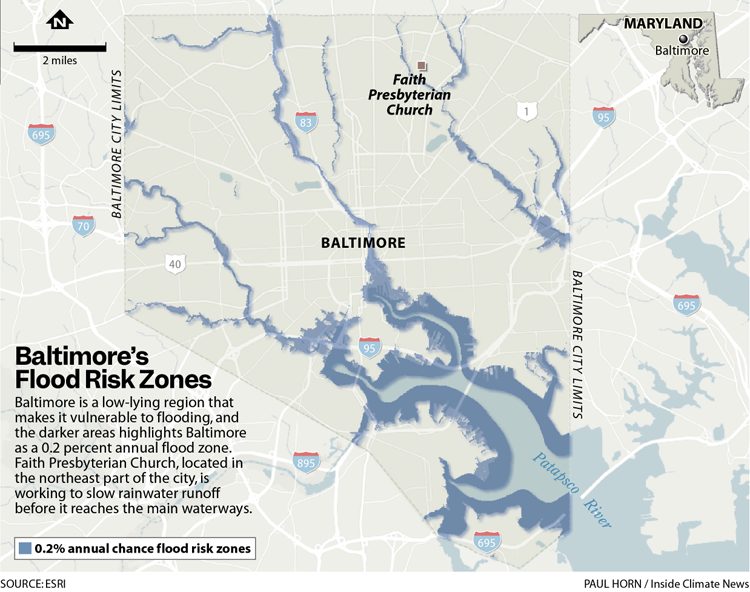
The urgency of these faith-based interventions is underscored by increasingly dire climate projections for the Mid-Atlantic region. Baltimore’s location on the Patapsco River makes it highly susceptible to both sea-level rise and "sunny-day flooding," where high tides push water into city streets even in the absence of rain.
According to data from First Street, a climate research organization, the flood risk in Baltimore is set to accelerate significantly over the next three decades. Currently, approximately 63 percent of properties in the Inner Harbor area are at risk of flooding; by 2054, that figure is expected to rise to 82 percent.
The city’s aging infrastructure is ill-equipped to handle the "100-year storms" that are now occurring with much higher frequency. Robin Lewis, director for climate equity with the regional affiliate of Interfaith Power & Light, points out that the "impermeable pavement" covering much of Baltimore leaves no room for error. When the pipes reach capacity, the water has nowhere to go but into the basements of residents, often in the city’s most vulnerable neighborhoods.
Furthermore, the "Urban Heat Island" effect exacerbates these issues. In densely paved areas of Baltimore, temperatures can be as much as 10 to 15 degrees Fahrenheit higher than in suburban areas with significant tree canopy. The conversion of parking lots into forests directly mitigates this effect, providing cooling shade and reducing the energy demand for surrounding buildings.
Resiliency Hubs and Environmental Justice
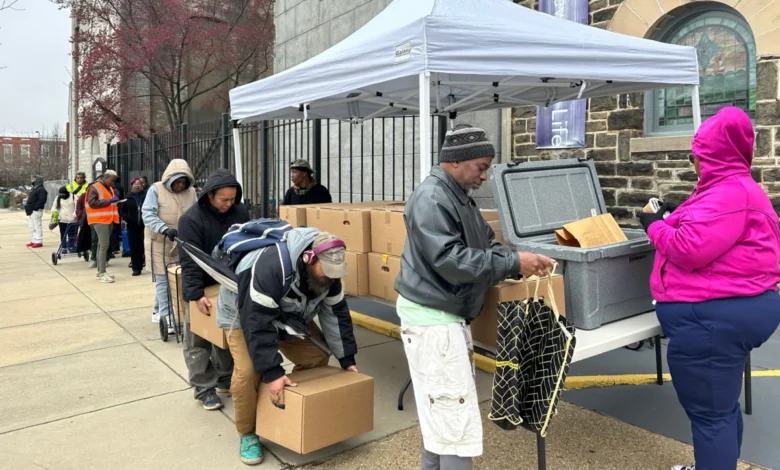
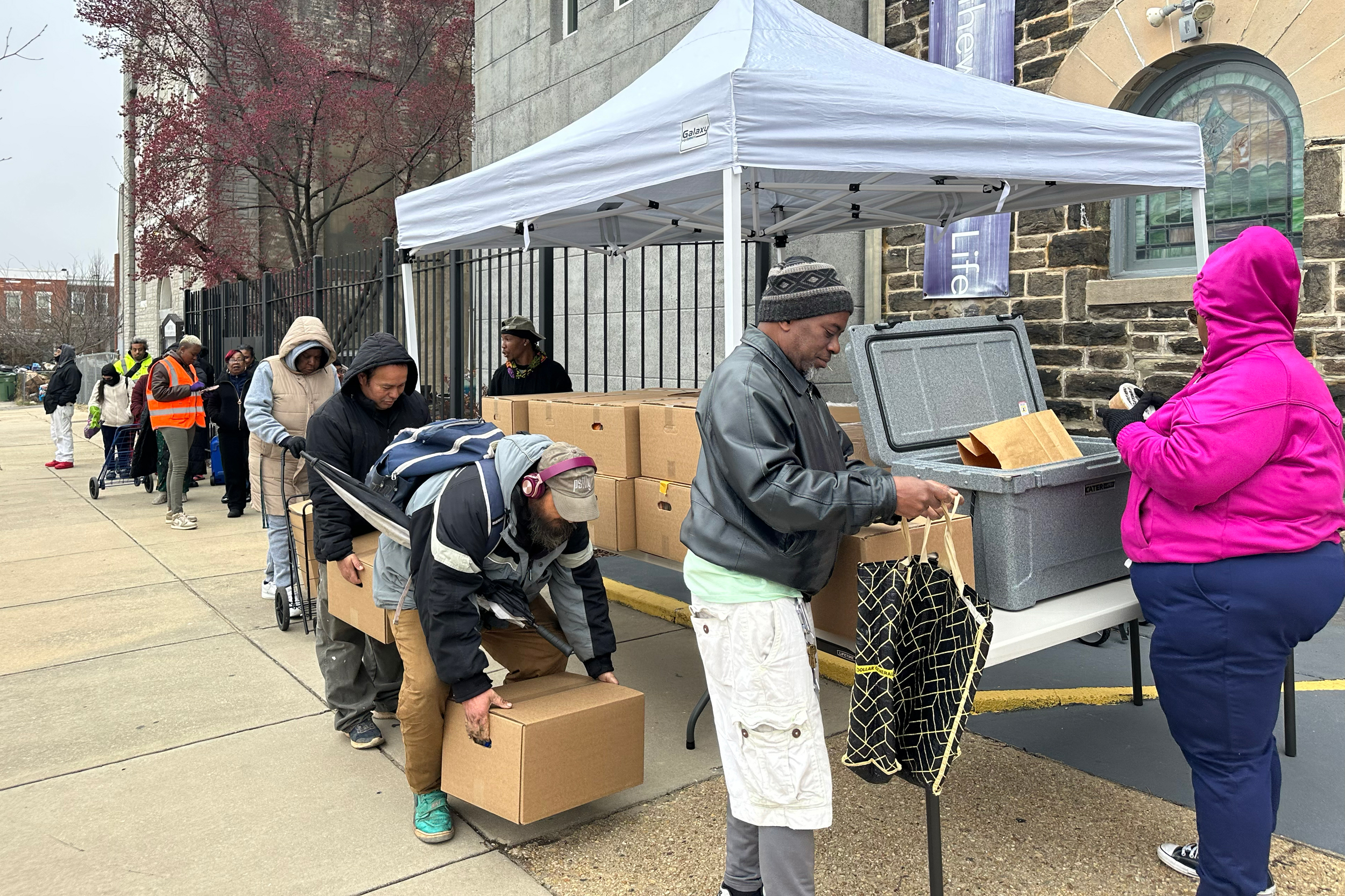
While Faith Presbyterian focuses on green infrastructure, other Baltimore congregations are addressing the human toll of climate change by becoming "Resiliency Hubs." This program, managed through the Baltimore Office of Sustainability, designates community centers and houses of worship as safe havens during climate-related emergencies.
The Rev. André Briscoe Jr. oversees three congregations along the Greenmount-York Road corridor: St. Matthew’s New Life United Methodist Church, Govans-Boundary United Methodist Church, and New Waverly United Methodist Church. These churches serve neighborhoods that have historically faced systemic disinvestment, resulting in "food deserts" and severe heat vulnerability.
In 2024, St. Matthew’s New Life and Govans-Boundary were officially designated as resiliency hubs. These sites are equipped to provide food, water, and emergency supplies during disasters. They also serve as cooling centers during extreme heat waves, providing a life-saving resource for residents who may lack air conditioning or cannot afford high utility bills.
However, the transition is not without its challenges. Many of these churches operate out of aging buildings with inefficient heating systems. Rev. Briscoe noted that during recent cold snaps, his churches exhausted their heating oil supplies faster than anticipated, highlighting the need for more sustainable energy solutions like solar power.
"We believe that we are to be good stewards over all of God’s creation," Briscoe said. "That is, human beings and animals, insects, the land, the air, everything."
Partnerships and Policy Implications
The success of these projects relies heavily on a network of nonprofit intermediaries that bridge the gap between technical environmental engineering and community-based organizing. Groups like Interfaith Partners for the Chesapeake and Blue Water Baltimore provide the expertise and funding necessary to execute large-scale removals of impervious surfaces.
Mollie Rudow, formerly with Interfaith Partners for the Chesapeake, noted that faith communities are uniquely positioned to lead this work because they are "consolidated places where we can make broad-scale change." By translating technical environmental data into the language of stewardship and social justice, these organizations empower congregations to view their physical property as a tool for community protection.
From a policy perspective, these initiatives help the city meet its MS4 (Municipal Separate Storm Sewer System) permit requirements, which are mandated by the Environmental Protection Agency (EPA) to reduce discharge into the Chesapeake Bay. Every square foot of asphalt removed and every tree planted contributes to the city’s collective goals for nitrogen and phosphorus reduction.
Future Outlook: A New Model for Urban Land Use
The work being done in Baltimore serves as a blueprint for other post-industrial cities facing similar climate threats. As religious affiliations change and congregations shrink, the "excess" land held by faith organizations presents a massive opportunity for climate adaptation.
Looking ahead, Rev. Goodrich of Faith Presbyterian envisions the church property evolving into a "natural playground" and a source of urban agriculture. The goal is to create a space that is not only ecologically functional but also socially restorative.
The implications of this movement extend beyond simple flood control. By integrating nature-based solutions into the urban fabric, Baltimore’s faith communities are addressing the "vicious cycle" of climate change—where infrastructure damage leads to decreased property values and a shrinking tax base. Instead, these green spaces increase local resilience, improve public health, and demonstrate that even in a city of pavement, there is a path back to a balanced ecosystem.
As the climate continues to shift, the lessons learned from Faith Presbyterian and the city’s resiliency hubs suggest that the most effective defenses against environmental instability may not be made of iron and concrete, but of soil, roots, and community resolve.
Related posts: