Florida’s Fragile Everglades Face Critical Deadline as Restoration Efforts Struggle to Meet Water Quality Standards

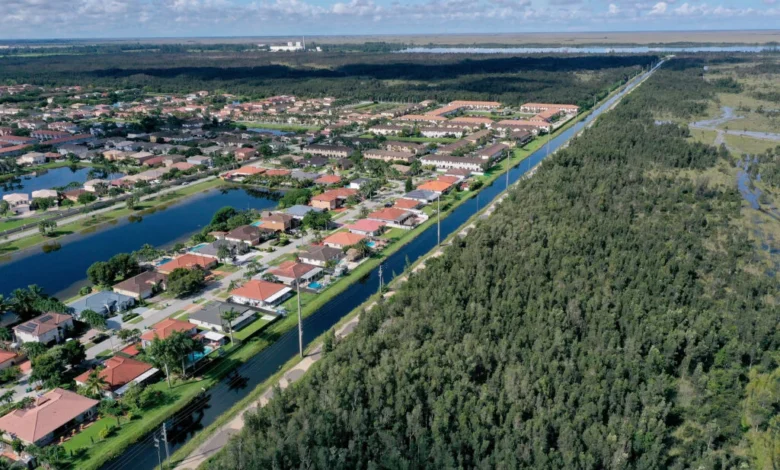
Florida’s iconic Everglades, a sprawling ecosystem often referred to as the "River of Grass," is approaching a pivotal regulatory deadline that it is currently ill-equipped to meet. Despite nearly four decades of restoration work and billions of dollars in state and federal investment, a new report suggests that the region’s water quality remains below the stringent legal standards set to take effect next month. The Water Quality Based-Effluent Limitation (WQBEL), a court-mandated benchmark designed to curb nutrient pollution from agricultural runoff, appears out of reach for the engineered wetlands tasked with filtering water before it enters protected conservation areas.
The report, compiled by the advocacy group Friends of the Everglades, highlights a significant disconnect between the ambitious goals of the $27 billion Comprehensive Everglades Restoration Plan (CERP) and the on-the-ground reality of phosphorus levels flowing into the watershed. As the state prepares for the commencement of "Water Year 2027" on May 1, the failure to meet these standards raises urgent questions about the long-term viability of the restoration effort and the health of a primary drinking water source for millions of Floridians.
The Mechanism of Filtration: Stormwater Treatment Areas
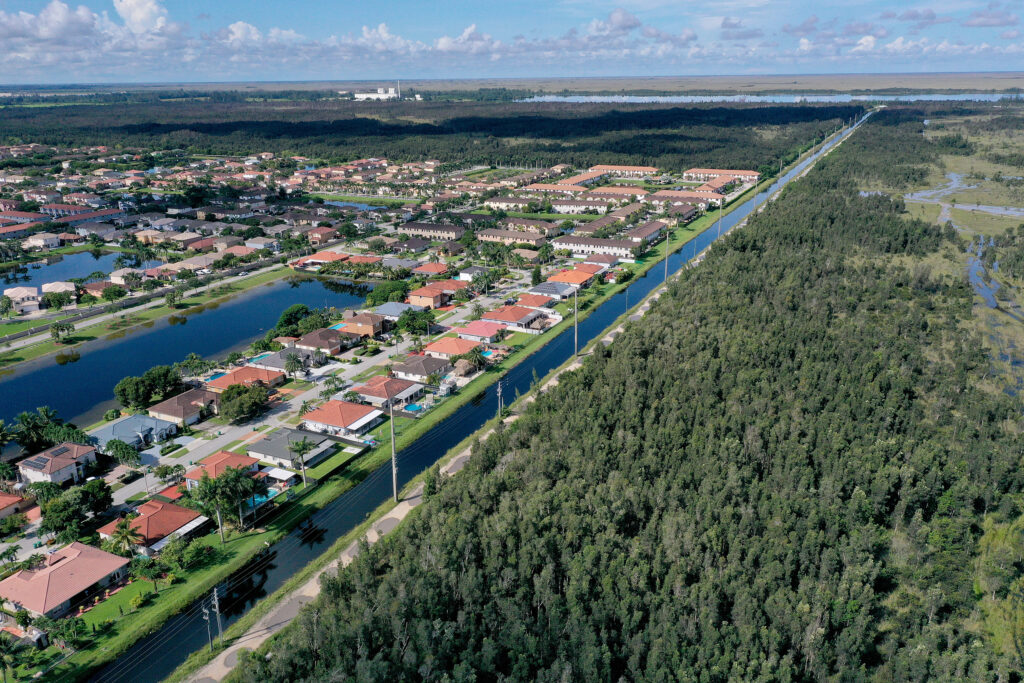
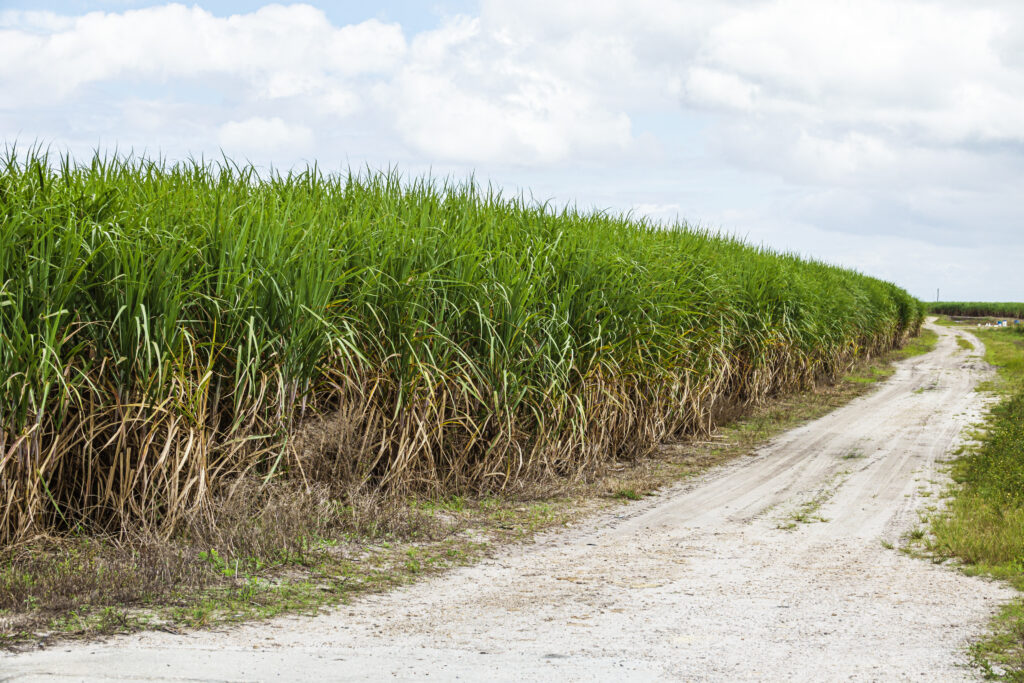
At the heart of this environmental challenge are the Stormwater Treatment Areas (STAs). These are approximately 60,000 acres of man-made wetlands strategically positioned south of Lake Okeechobee in the Everglades Agricultural Area (EAA). This region is dominated by roughly 400,000 acres of sugarcane farms, which historically released high levels of phosphorus-rich fertilizer into the water.
The STAs were designed to mimic the natural filtering processes of the Everglades. Utilizing aquatic vegetation such as giant bulrush, American lotus, and alligator flag, these wetlands absorb phosphorus through biological uptake and sedimentation. Phosphorus is a nutrient that, in excess, triggers the growth of invasive species like cattails, which can choke out native sawgrass and disrupt the entire food web of the ecosystem.
Since their inception, these human-made wetlands have treated nearly 9.4 trillion gallons of water, achieving an average phosphorus reduction of approximately 78 to 81 percent. However, the WQBEL requires even greater precision. The standard mandates that phosphorus levels in water exiting the STAs stay at or below 13 parts per billion (ppb) for at least three out of every five years, with a hard cap of 19 ppb in any single year. Currently, none of the five primary STA complexes are on track to meet this two-part standard by the May 1 deadline.
A Chronology of Litigation and Restoration
The struggle to regulate phosphorus in the Everglades is rooted in a legal battle that has spanned generations. To understand the current predicament, one must look at the historical timeline of intervention:
- 1988: The federal government filed a landmark lawsuit against the State of Florida, alleging that nutrient-rich agricultural runoff was violating water quality standards in Everglades National Park and the Loxahatchee National Wildlife Refuge.
- 1992: A consent decree was reached, establishing a framework for cleaning up the water.
- 1994: The Florida Legislature passed the Everglades Forever Act, which mandated the construction of the STAs and required farmers to implement "best-management practices" (BMPs) to reduce onsite pollution.
- 2003: The Everglades Forever Act was amended after it became clear that initial efforts were insufficient to meet the 10 ppb phosphorus limit required for the natural ecosystem.
- 2013: Following further litigation by Friends of the Everglades and the Miccosukee Tribe, the state established the "Restoration Strategies" program. This $880 million initiative expanded the STAs and introduced flow-equalization basins (FEBs) to help regulate the volume of water entering the wetlands.
- 2020-2025: The South Florida Water Management District (SFWMD) undertook several refurbishment projects to improve the hydraulics and vegetation of the STAs in anticipation of the WQBEL deadline.
Despite this progression, the most recent data indicates that the system is being overwhelmed. While the state has successfully learned how to operate these wetlands, critics argue that the sheer volume of polluted water from the EAA far exceeds the current treatment capacity.
Supporting Data and the Friends of the Everglades Report
The Friends of the Everglades report, which utilized five years of SFWMD data ending in Water Year 2025, paints a concerning picture. According to the findings, phosphorus levels flowing from the $2 billion wetland system actually increased in some areas between 2024 and 2025.
The report notes that between 2021 and 2025, only one STA managed to achieve the 13 ppb target. Even that success was qualified, as the wetland in question benefited from its position south of a flow-equalization basin that significantly pre-treated the water. Two other STAs met the 19 ppb annual limit but failed the three-out-of-five-year consistency test. The remaining STAs were far outside the required parameters.
These findings align with warnings from the National Academies of Sciences, Engineering, and Medicine. In biennial reports issued in 2022 and 2024, the National Academies noted that meeting the WQBEL by 2026 would be a "significant challenge." The scientists recommended that Florida develop an adaptive management plan to address the shortfall—a recommendation that, according to advocacy groups, has yet to be fully realized.
Official Responses and State Perspectives
The Florida Department of Environmental Protection (FDEP) and the South Florida Water Management District (SFWMD) have offered a more optimistic, though nuanced, interpretation of the data. During a recent board meeting, the SFWMD presented data from Water Year 2026 suggesting that four out of five STAs were in "partial compliance."
Agency officials attributed the spikes in phosphorus during Water Year 2025 to extreme weather events, specifically a massive rain event in June 2024. They argued that despite these challenges, the wetlands still achieved an 81 percent reduction in phosphorus levels. Furthermore, the district highlighted that 98 percent of the protected Everglades conservation areas met the separate 10 ppb standard in 2025—a statistic they claim represents a historic success for the restoration effort.
However, Tom Van Lent, a senior scientist at Friends of the Everglades, expressed skepticism regarding the state’s proactive nature. "The takeaway is it’s clear that the responsibility for clean water is on the state of Florida, and that they have been dragged kicking and screaming the whole way," Van Lent stated. He emphasized that the improvements seen to date have largely been the result of court orders rather than voluntary state action.
The "Crown Jewel" and Future Implications
The failure to meet water quality standards has significant implications for the EAA Reservoir, a project Governor Ron DeSantis has called the "crown jewel" of Everglades restoration. Once completed in 2029, the $3.5 billion reservoir will be the largest of its kind built by the U.S. Army Corps of Engineers. It is intended to store and move water from Lake Okeechobee south to the Everglades, bypassing the coastal estuaries where Lake discharges often trigger toxic blue-green algae blooms.
However, the reservoir’s functionality is tethered to the STAs. Under current regulations, the reservoir cannot operate at its full intended capacity until the STAs demonstrate full compliance with the WQBEL for five consecutive years. If the wetlands continue to fail, the massive investment in the reservoir may not yield the expected environmental benefits.
Jacqui Thurlow-Lippisch, a former mayor of Sewall’s Point and former SFWMD board member, expressed deep concern over this possibility. Sewall’s Point is one of many coastal communities that has suffered through devastating algae outbreaks. "If that reservoir doesn’t end up being [a source of clean water], that’s a failure," she said. "It’s a failure and its manipulation over time by the powers that be."
Broader Environmental and Social Impact
The implications of failing to meet the WQBEL extend beyond regulatory compliance. The Everglades provides the recharge for the Biscayne Aquifer, the primary source of drinking water for more than 8 million people in South Florida. High phosphorus levels and the resulting ecosystem degradation threaten the stability of this water supply.
Furthermore, the Everglades acts as a natural buffer against climate change. Healthy sawgrass marshes sequester carbon and help mitigate saltwater intrusion caused by rising sea levels. When the ecosystem is weakened by nutrient pollution and invasive cattails, its ability to protect the Florida peninsula from these existential threats is diminished.
The Friends of the Everglades report concludes that the only viable path forward involves the acquisition of more land. The group argues that the current 60,000 acres of STAs are simply insufficient to treat the runoff from 400,000 acres of industrial agriculture. By setting aside additional land for water storage and treatment, the state could restore the historic sheet flow of the "River of Grass" and ensure that the water moving south is clean enough to sustain the delicate ecosystem.
Conclusion and Analysis
As the May 1 deadline looms, the state of Florida finds itself at a crossroads. While the South Florida Water Management District has made undeniable strides in wetland engineering and management, the stubborn persistence of phosphorus pollution suggests that the current strategy may have reached its physical limit.
The political stakes are equally high. Governor DeSantis has made Everglades restoration a centerpiece of his administration’s environmental platform. While billions have been spent, the looming failure to meet a 40-year-old water quality goal could overshadow recent progress. For the "River of Grass" to truly be restored, the focus may need to shift from engineering solutions within the existing footprint to a more aggressive expansion of the lands dedicated to water purification. Without such a shift, the "crown jewel" of Florida’s environmental efforts may remain a project that, while massive in scale, falls short of its most critical objective: delivering clean water to one of the world’s most unique and threatened wildernesses.
Related posts: