Deep-Diving Robots Reveal the Hidden Oceanic Mechanisms Driving the Unprecedented Decline of Antarctic Sea Ice

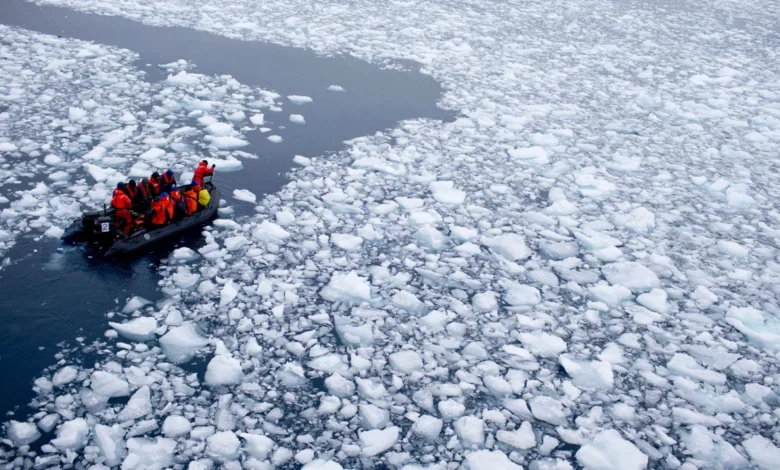
For decades, the frozen fringes of Antarctica presented a scientific enigma that seemed to defy the global trend of polar melting. While the Arctic experienced a steady and alarming retreat of sea ice, the floating ice radiating from the Antarctic continent actually expanded between the late 1970s and 2014. This phenomenon, often referred to as the "Antarctic Paradox," occurred even as global atmospheric temperatures climbed. However, this period of growth came to an abrupt and violent end in 2016. Since that pivotal year, Antarctic sea ice has undergone a dramatic contraction, reaching successive record lows that have left researchers scrambling for answers.
A new study led by researchers at Stanford University, published in the journal Proceedings of the National Academy of Sciences (PNAS), now identifies the hidden oceanic mechanisms responsible for this sudden shift. Utilizing a sophisticated network of deep-diving robotic floats, scientists have determined that the decline is driven by a complex interplay of salinity, wind patterns, and a massive release of "pent-up" heat from the deep ocean. The findings suggest that the Southern Ocean acts as a powerful modulator of sea ice, and the current state of decline may represent a fundamental regime shift in the region’s climate dynamics.
The Decades of Expansion: 1979 to 2014
To understand the current crisis, it is necessary to examine the historical context of Antarctic sea ice. Since satellite monitoring began in 1979, Antarctic sea ice extent showed a slight but statistically significant upward trend. By 2014, the ice had reached a record maximum, covering more than 20 million square kilometers of the Southern Ocean.
Scientists believe this expansion was driven by several factors. Increased precipitation in the region, a byproduct of a warming atmosphere, added fresh water to the ocean surface. Because fresh water is less dense than salt water, it created a "stratified" layer on the surface. This layer acted as a lid, trapping warmer, saltier water deep below the surface and preventing it from melting the ice above. Additionally, changes in wind patterns—linked to both the ozone hole and climate change—pushed the ice outward from the continent, allowing more open water to freeze in the frigid Antarctic air.
However, this growth was not a sign of cooling; rather, it was a reorganization of heat. While the surface remained cold enough for ice to form, the depths of the Southern Ocean were quietly accumulating thermal energy, waiting for a catalyst to bring it to the surface.
The 2016 Inflection Point: A Sudden Collapse
In 2016, the trend reversed with startling speed. The Antarctic sea ice extent plummeted to record lows, a loss of ice roughly equivalent to the size of the state of Texas. Unlike previous minor fluctuations, the ice has failed to recover in the years since. In 2023 and early 2024, the region saw "five-sigma" events—statistical anomalies so extreme they are expected to occur only once every several million years in a stable climate.
The Stanford study, led by polar oceanographer Earle Wilson, sought to explain why this "lid" on the ocean suddenly failed. The research team relied on data from the Argo program, a global network of nearly 4,000 autonomous robotic floats. These torpedo-shaped machines spend most of their lives drifting at depths of up to 2,000 meters (about 6,500 feet). Every ten days, they rise to the surface, measuring temperature and salinity profiles throughout the water column, before transmitting the data via satellite.
"One of the key takeaways from the study is that the ocean plays a huge role in sort of modulating how sea ice can vary from year to year, decade to decade," Wilson noted. The Argo data provided a high-resolution look at the ocean’s vertical structure that was previously impossible to obtain in the treacherous, ice-covered waters of the Southern Ocean.
The Mechanics of Churn: Heat and Salinity
The research reveals that the "Antarctic Paradox" was essentially a giant heat-storage project. Under normal conditions in most of the world’s oceans, the warmest water is at the surface, heated by the sun. In Antarctica, the situation is inverted. The air is so cold that it chills the surface water to near freezing, while a layer of relatively warm, salty water remains trapped below.
Between the 1970s and 2016, the stratification of the Southern Ocean intensified. Increased meltwater from the Antarctic ice sheet and higher rainfall made the surface water fresher and less dense. This density barrier became so strong that the warmth in the deep ocean could not rise. This allowed the surface to remain cold and the sea ice to expand.
However, by 2016, the system reached a breaking point. Atmospheric conditions shifted, and the Southern Annular Mode (SAM)—a large-scale pattern of westerly winds—intensified and moved closer to the continent. These powerful winds acted as a giant spoon, churning the ocean and breaking the stratification.
"What we witnessed was basically this very violent release of all that pent-up heat from below that we linked to the sea ice decline," Wilson explained. The warm water, which had been accumulating for decades, was pushed to the surface, melting the ice from below and preventing new ice from forming during the winter months.
The Role of Climate Change and Natural Variability
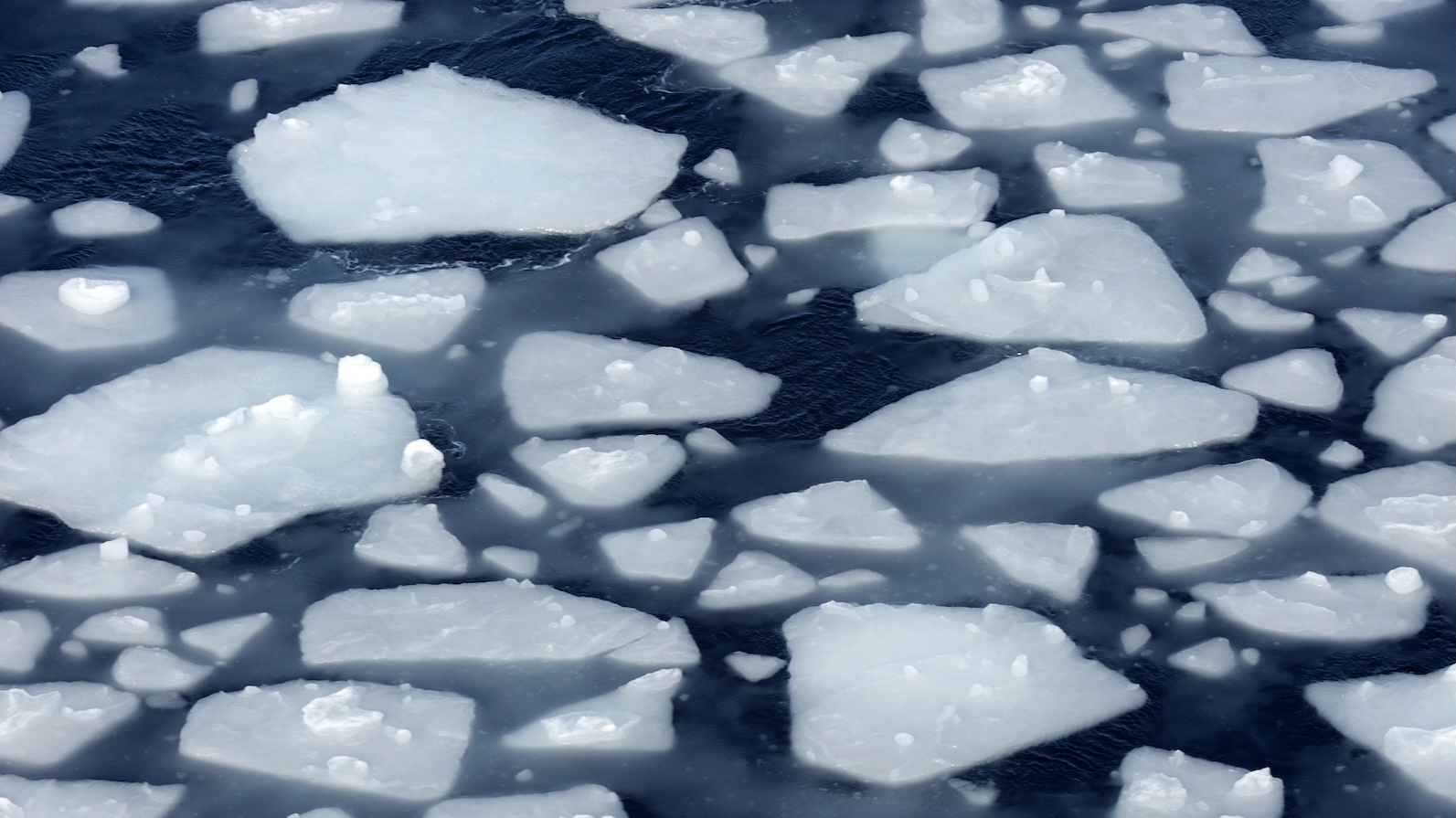
A central question for climate scientists is how much of this shift is attributable to human-induced global warming versus natural internal variability. The Southern Ocean is known for its volatile weather and decadal cycles. However, the sheer scale of the 2016 collapse and the lack of recovery suggest that anthropogenic climate change is the primary driver.
As the planet warms, the temperature gradient between the equator and the poles changes, which in turn alters the strength and position of the jet streams and Southern Ocean winds. Furthermore, the overall warming of the global ocean means there is simply more heat available to be trapped and eventually released.
Zachary Labe, a climate scientist at Climate Central who was not involved in the Stanford study, emphasized that both the atmosphere and the ocean are now working in tandem to reduce ice cover. "Recent research has shown that both atmospheric and oceanic warming is likely contributing to the sudden change in Antarctic sea-ice extent since 2016," Labe said. He noted that the Stanford paper is critical because it highlights the "deeper ocean warmth" as a significant player that had been underestimated in previous models.
Global Implications: The 190-Foot Threat
The loss of Antarctic sea ice is not merely a regional concern; it has profound implications for global sea levels. While the melting of sea ice (which is already floating) does not directly raise sea levels, its absence accelerates the melting of the Antarctic ice sheet—the massive glaciers sitting on land.
Sea ice serves two vital protective functions:
- Wave Buffering: Sea ice acts as a physical barrier, absorbing the energy of ocean waves before they can reach the floating ice shelves that buttress the land-based glaciers. Without this buffer, waves can flex and shatter ice shelves, leading to a "cork-out-of-the-bottle" effect where land ice flows more rapidly into the sea.
- The Albedo Effect: Ice is highly reflective, bouncing up to 80% of incoming solar radiation back into space. When sea ice disappears, it reveals the dark ocean water, which absorbs 90% of that heat. This creates a feedback loop: more heat absorption leads to more melting, which leads to even more heat absorption.
If the entire Antarctic ice sheet were to melt, it contains enough water to raise global sea levels by approximately 190 feet (58 meters). Even a partial collapse of vulnerable sectors, such as the Thwaites Glacier (often called the "Doomsday Glacier"), could result in several feet of sea-level rise within this century, threatening coastal cities worldwide.
The Need for Enhanced Monitoring
The findings of the Stanford study underscore the importance of maintaining and expanding ocean observation networks. Despite the success of the Argo floats, the Southern Ocean remains one of the most under-sampled regions on Earth due to its extreme environment and seasonal ice cover.
"Overall, we need more international support to continue building observing networks across the Antarctic polar region," Labe urged. He noted that both oceanic and atmospheric monitoring are critical to understanding the "potentially significant consequences for global sea level rise."
Current efforts are underway to deploy "Deep Argo" floats, which can descend to 6,000 meters, and "BGC-Argo" floats, which measure biological and chemical properties like oxygen and pH levels. These tools will be essential for determining whether the current low-ice state is a temporary fluctuation or a "new normal."
Conclusion: A Precarious Future
The transition that began in 2016 appears to be more than a passing phase. While natural variability may occasionally allow for years of modest ice growth, the long-term outlook remains grim. The release of deep-ocean heat has fundamentally altered the thermal structure of the Southern Ocean, making it harder for the protective freshwater "lid" to reform.
"The long-term, multi-decade trend will be negative," Earle Wilson predicted. "That would be my guess, but we don’t know for sure."
As researchers refine their climate models using the new data provided by robotic floats, the focus shifts toward mitigation and adaptation. The sudden collapse of Antarctic sea ice serves as a stark reminder of the non-linear nature of climate change—where systems can appear stable for decades before reaching a tipping point that leads to rapid and irreversible change. For the millions of people living in coastal areas, the fate of the ice at the bottom of the world is now a matter of urgent global security.
Related posts: