As children transition from the toddler years into the primary and middle school age bracket—specifically the 6-to-12 range—their engagement with the natural world undergoes a significant transformation. This developmental stage is characterized by increased physical coordination, a desire for autonomy, and a burgeoning interest in specialized athletic pursuits. For parents and guardians, this shift offers a unique opportunity to replace sedentary indoor habits with high-engagement outdoor activities that foster resilience, motor skills, and environmental stewardship.

The outdoor recreation market has responded to this shift by producing miniaturized versions of professional-grade gear. This professionalization of youth equipment is not merely a marketing trend; it is a response to pediatric data suggesting that early exposure to structured outdoor play improves long-term cardiovascular health and cognitive development.
The Evolution of Backyard Play
The concept of the backyard has evolved from a simple grassy area into a multisensory training ground. The Trelines Roller Adventure Line, a 36-foot zipline system, represents a significant leap in backyard infrastructure. Designed for children aged 5 and up, this equipment allows for the development of upper-body strength and spatial awareness. From an engineering perspective, the inclusion of a roller wheel and an end-of-line braking system mimics the safety protocols of professional canopy tours.

Similarly, the Tentsile Safari Stingray 3-Person Tree Tent shifts the camping experience from the ground to an elevated platform. By utilizing a three-point tensioning system, the tent eliminates the common issue of uneven, rocky, or damp ground, which often discourages children during multi-night outdoor excursions. Such gear is essential for parents looking to introduce children to the logistics of camping without the immediate frustration of terrain management.
For winter-focused environments, the Skipulk Icebox Igloo Tool serves as a pedagogical instrument for basic engineering. By utilizing a standardized brick-making mold, children learn the principles of structural integrity and thermal insulation—key concepts in winter survival and arctic architecture.

Developing Athletic Proficiency: Cycling and Climbing
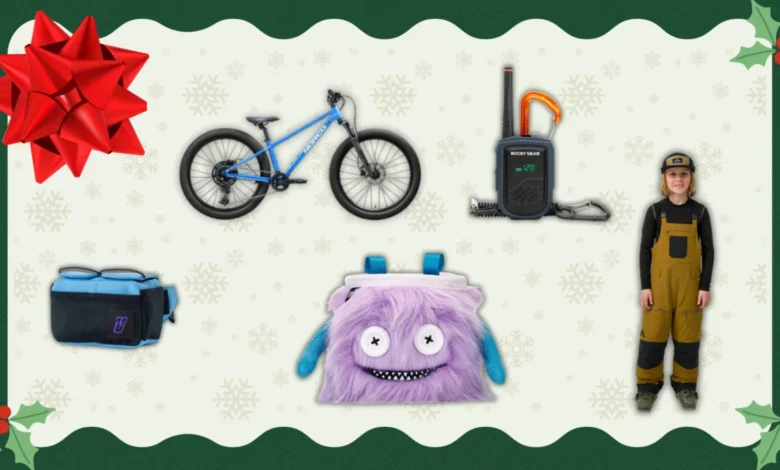
Between the ages of 6 and 12, children often begin to master complex mechanical systems, such as shifting gears on a mountain bike or managing climbing ropes. The Norco Charger Youth Bike is specifically engineered with a low standover height, catering to the varying growth spurts of this demographic. Unlike mass-market big-box store bicycles, the Charger features front suspension and disc brakes, which are critical for safety and control when transitioning from asphalt to light trail riding.
To bridge the gap in endurance, the Kids Ride Shotgun MTB Tow Rope has become an industry standard for family cycling. Data indicates that the primary reason children abandon mountain biking is the physical exhaustion associated with climbing inclines. By allowing an adult to provide a tensioned boost, the tow rope significantly extends the duration of rides, effectively keeping the child in the "flow state" necessary for skill acquisition.

Complementing these physical feats is the psychological aspect of sport. The 8BPlus Monster Chalk Bag, while visually whimsical, serves a functional purpose in the climbing community: it provides tactile feedback and reduces friction, but more importantly, it humanizes the climbing experience for younger athletes who may be intimidated by the height and focus required for the sport.
Thermal Regulation and Specialized Winter Apparel
Winter sports present the highest barrier to entry due to the necessity of thermal regulation. The Salomon QST Blank Team Skis occupy a specific niche in the junior market: they are designed for the "intermediate-to-advanced" transition. As children move from green-circle beginner slopes to more technical terrain, the stiffness and rocker profile of their skis become paramount. The QST series provides the stability needed for higher speeds, ensuring that equipment is not the limiting factor in a child’s progress.

Parallel to equipment, layering systems have become more sophisticated. The Flylow Youth Baker Jr. Shell Bib represents a shift away from the traditional, bulky, insulated snow pant. By utilizing a waterproof, non-insulated shell, parents can implement a modular layering strategy. This is supported by the use of Merino wool base layers, such as the Smartwool Kids’ Classic Thermal Merino Crew, which provides high warmth-to-weight ratios and natural odor resistance. This layering approach is essential for preventing overheating during high-output activity and ensuring comfort during periods of inactivity, such as chairlift rides.
Technological Integration and Safety
The integration of technology into outdoor play serves a dual purpose: safety and engagement. The Rocky Talkie Mountain Radio is designed to meet the rigorous demands of backcountry use. With a shatterproof screen and a dedicated carabiner leash system, these devices are built for the inevitable drops and mishandling common among children. From a safety perspective, they provide a reliable, low-latency communication link between parent and child, which is vital in dense forests or crowded trail systems where visual contact may be lost.

The introduction of tools such as the Victorinox Swiss Army Evolution Junior 9 serves as a rite of passage for many children. While the inclusion of a blade necessitates adult supervision and a structured safety curriculum, experts argue that introducing such tools in a controlled environment is the most effective way to teach risk assessment. By mastering the use of a pocketknife for basic tasks like whittling or equipment repair, children gain a sense of agency and preparedness that is rarely achieved through digital-only activities.
Broader Implications and Future Trends
The trend toward "professional-grade" gear for children signifies a broader shift in how families approach recreation. The industry has moved away from toys that have a short "shelf life" in favor of durable, repairable, and multi-functional equipment. This shift is partially driven by a heightened awareness of sustainability; parents are increasingly opting for high-quality gear that can be handed down through multiple children rather than disposable plastic items that contribute to landfill waste.

Furthermore, the data suggests that early exposure to these activities correlates with sustained physical activity into adolescence. When children are equipped with gear that functions properly—be it a bike that shifts smoothly or a tent that keeps them dry—the barrier to repeating the activity is lowered. The ultimate objective of this market evolution is the creation of lifelong outdoor enthusiasts. As the 2026 winter and spring seasons approach, the focus remains on gear that minimizes the frustration of the learning curve and maximizes the intrinsic rewards of outdoor exploration. Whether it is a day at the beach under a Neso Grande sun shelter or a weekend of backcountry camping, the quality of the experience is increasingly defined by the reliability of the gear that facilitates it.
Related posts: