As the scorching days of summer transition into the crisp, cooler breezes of autumn, the United States undergoes a culinary awakening. The fall season is more than just a time for changing foliage and harvesting crops; it marks the apex of the gastronomic calendar. Across the country, regional pride, agricultural heritage, and culinary innovation converge in a series of landmark food and drink festivals. From the high deserts of New Mexico to the rugged shores of Cape Cod, these events celebrate local terroir, pay homage to regional traditions, and offer travelers an immersive taste of place.
The following comprehensive overview examines nine of the nation’s most distinguished fall food and wine festivals, detailing their histories, economic and cultural impacts, and what attendees can expect from these premier culinary gatherings.
Santa Fe Wine & Chile Fiesta: A High-Desert Celebration of Spice and Vintages
Set against the picturesque backdrop of the Sangre de Cristo Mountains, the Santa Fe Wine & Chile Fiesta has evolved from a modest, one-day local gathering into a five-day flagship event for the Southwest. Established in 1991 by a coalition of 20 local restaurants, the festival now draws approximately 4,500 attendees annually, transforming Santa Fe into a bustling hub of gastronomy every fall.
Chronology and Evolution
When the festival launched over three decades ago, its primary objective was to spotlight the emerging culinary scene of northern New Mexico. Over the years, it expanded methodically, integrating a broader spectrum of national and international winemakers. Today, roughly 60 Santa Fe restaurants collaborate with more than 90 national wineries. The itinerary includes intimate cooking demonstrations, exclusive winery dinners, and rigorous educational seminars hosted at various venues across the city.
The Defining Ingredient: New Mexico Chile
The heartbeat of the festival remains New Mexico’s most iconic agricultural product: the chile pepper. "Chile Friday" serves as a dedicated afternoon celebrating the nuanced profiles of both green and red chiles. The event culminates in the Grand Tasting, where dozens of kitchens and beverage purveyors operate simultaneously. Festival organizers note that the unique selling proposition of the event is the hyper-localized pairing experience—specifically, consuming a green-chile-forward dish paired with a glass of wine poured directly by the vintner who produced it.
Economic and Cultural Implications
Beyond the indulgence, the Fiesta acts as a vital economic engine for Santa Fe’s hospitality sector during the shoulder tourism season. By bridging local agricultural traditions with fine dining, the event elevates the global profile of New Mexican cuisine, proving that indigenous ingredients can hold their own alongside traditional fine-dining staples.
Hawaiʻi Food & Wine Festival: Island Terroir Meets Global Culinary Mastery
Founded in 2011 by master chefs Roy Yamaguchi and Alan Wong, the Hawaiʻi Food & Wine Festival was conceived as a natural evolution of the Hawaiʻi Regional Cuisine movement of the 1990s. That foundational movement urged island kitchens to pivot away from imported ingredients, encouraging chefs instead to forge direct relationships with local farmers, ranchers, and fishers.
Structure and Scope
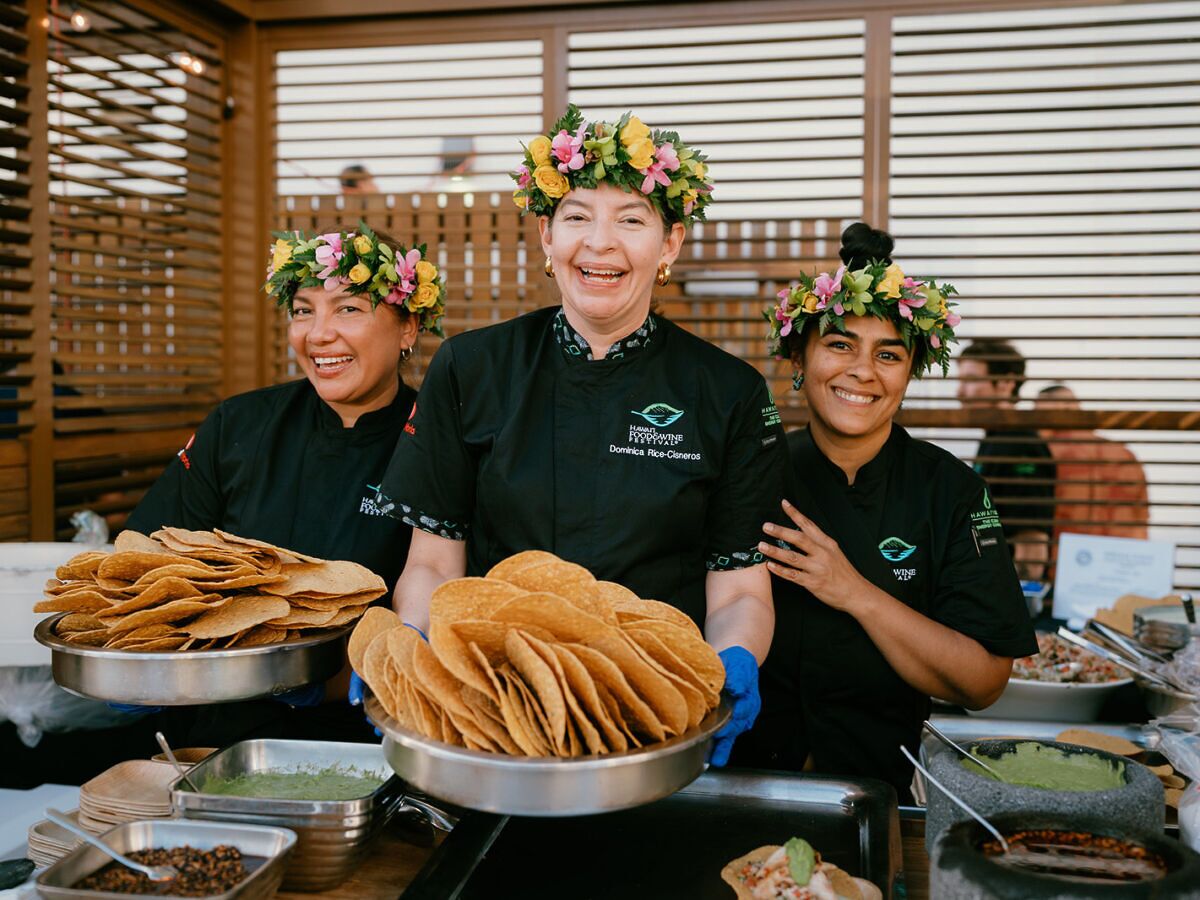
Spanning three weekends across three distinct islands—Oahu, Hawaiʻi (the Big Island), and Maui—the festival features 11 ticketed events and brings together nearly 100 acclaimed chefs. Participation is governed by a strict mandate: every dish must incorporate ingredients grown, caught, or raised within the Hawaiian archipelago.
The talent roster reads like a who’s who of the culinary world, featuring household names from Top Chef such as Sheldon Simeon and Michael Voltaggio, alongside Michelin-starred luminaries like Josiah Citrin and Jungsik Yim. These chefs routinely transform indigenous ingredients—such as taro, reef fish, and Kohala Coast beef sourced mere miles from the event venues—into avant-garde culinary creations.
Philanthropic Impact
The festival operates with a dual purpose. Funds raised through ticket sales and auctions directly support culinary scholarships and agricultural education programs throughout the state. By investing in the next generation of farmers and cooks, the festival helps ensure the long-term sustainability of Hawaii’s food ecosystem.
Fall for Greenville: A Downtown Street Party of Epic Proportions
For one weekend each October, the municipality of Greenville, South Carolina, executes a massive logistical operation: shutting down its central thoroughfare, Main Street, to make way for one of the Southeast’s largest outdoor food festivals.
Scale and Operations
Fall for Greenville draws an estimated 150,000 visitors over the course of three days. More than 50 local restaurants set up al fresco kitchens along the avenue, offering upwards of 250 distinct dishes ranging from traditional Lowcountry shrimp and grits to contemporary American fare.
Uniquely, admission to the festival grounds is entirely free. Attendees purchase individual digital or paper tickets to sample food and beverages from the various participating vendors. To complement the culinary offerings, the festival features over 80 musical acts performing across six distinct stages, a dedicated beer and wine garden, and ongoing live cooking demonstrations.
Community and Tourism Impact
City officials frequently point to Fall for Greenville as a masterclass in urban placemaking. By utilizing public infrastructure to celebrate local commerce, the event reinforces downtown Greenville’s reputation as a burgeoning culinary destination, drawing regional travelers from across the Carolinas and beyond.
Bowling Green Bourbon and Brewfest: Kentucky Spirit at the Source
Situated roughly an hour north of Nashville, the Bowling Green Bourbon and Brewfest capitalizes on Kentucky’s most famous export. Since its inception in 2014, the event has occupied the Bowling Green Ballpark—home of the minor-league Hot Rods—converting the athletic venue into a sprawling tasting room for Kentucky bourbon and regional craft beer.
The Source Advantage
While major bourbon festivals in cities like Louisville command massive crowds and steep ticket prices, the Bowling Green event offers a more intimate, accessible environment for enthusiasts. Attendees aged 21 and over can sample pours directly from distilleries and breweries across the commonwealth. VIP ticket holders gain access to rare, limited-run bottles, early entry, and catered food pairings.
Furthermore, organizers provide integrated shuttle services connecting the ballpark venue with partner hotels, emphasizing responsible consumption. Proximity to the official Kentucky Bourbon Trail also makes the festival an ideal anchor for a broader, multi-day spirit tourism itinerary.
Wellfleet OysterFest: Celebrating Cape Cod’s Bivalve Heritage
On the outer reaches of Cape Cod, the tight-knit community of Wellfleet, Massachusetts, swells in population every autumn for the Wellfleet OysterFest. Drawing close to 20,000 attendees over two days, the festival honors the town’s storied maritime history and its world-renowned wild oysters.
Activities and Conservation
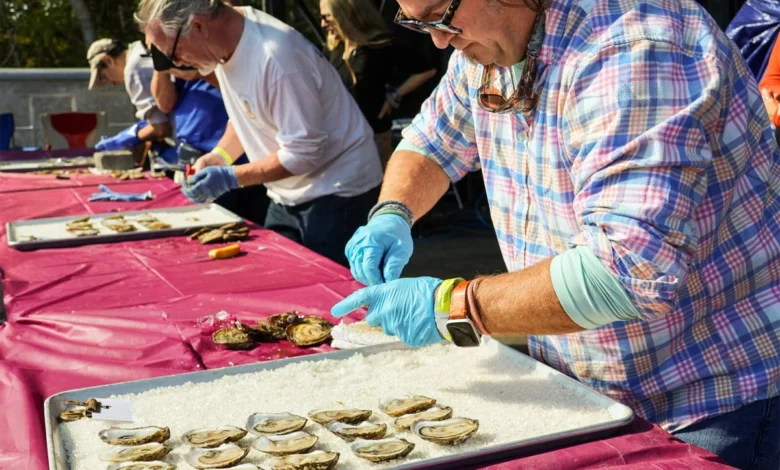
While festival-goers enjoy live music, craft brews, and traditional New England clam chowder, the undisputed star of the weekend is the local bivalve. Fresh harvests are rushed to raw bars throughout the event grounds.
Beyond the consumption of seafood, the OysterFest places a heavy emphasis on education and sustainability. Programming includes shellfish farm tours, marine ecology panels, and the highly anticipated annual Oyster Shuck-Off competition. In a notable display of circular environmental stewardship, the town collects discarded oyster shells throughout the weekend, recycling them by returning them to local waters to serve as natural substrates for future reef restoration projects.
Arkansas Cornbread Festival: Elevated Southern Comfort in Little Rock
In the heart of Little Rock, Arkansas’s SoMa (South Main) district, the humble cornbread takes center stage. Launched in 2011 and recently returned to the active festival calendar, the Arkansas Cornbread Festival pits home cooks against professional chefs in a heated competition divided into traditional, sweet, and nontraditional categories.
Sustainability and Philanthropy
Admission to the street-side festival is free, with tasting tickets available for purchase to sample competing cornbread entries and vote for the People’s Choice award. The event pairs its comfort-food focus with forward-thinking sustainability initiatives, featuring waste-refill stations and a strict preference for paper over single-use plastics.
Significantly, all proceeds from the festival directly benefit the Arkansas Foodbank, transforming a celebration of a Southern staple into a tangible mechanism for combating regional food insecurity.
The Original Terlingua International Championship Chili Cookoff: A Desert Legend
Few culinary events carry the historical weight or the colorful mythology of the Original Terlingua International Championship Chili Cook-Off. Held annually behind the Terlingua Trading Company store in a near-ghost town on the edge of Texas’s Big Bend National Park, the event traces its lineage directly to a legendary 1967 publicity stunt.
Historical Origins
The competitive chili phenomenon began when Texas newspaper publisher Frank X. Tolbert and renowned cook Wick Fowler squared off against New York writer H. Allen Smith in a contest that famously ended in a draw. Decades later, ideological differences split the original event into two concurrent rival cookoffs held over the same November weekend.
The "Behind the Store" iteration draws thousands of campers, musicians, and culinary traditionalists who adhere strictly to the foundational rule of championship chili: absolutely no beans. Alongside endless pots of spicy stew, the multi-day gathering features live music, desert camping, and extensive charitable fundraising, with the ALS Association serving as a primary beneficiary in honor of Wick Fowler.
San Diego Beer Week: The Capital of Craft Takes Over the Coast
San Diego County has long staked a claim as a capital of the American craft beer movement, particularly renowned for pioneering the West Coast IPA. Each November, the region validates that reputation during San Diego Beer Week, a ten-day celebration encompassing more than 150 independent breweries.
Decentralized Celebration
Unlike traditional festivals confined to a single tent or park, San Diego Beer Week is intentionally decentralized. Events unfold organically across the county’s various brewing corridors—from the industrial spaces of Miramar to the walkable taproom strips of North Park.
Throughout the week, participating breweries host independent tap takeovers, release rare collaborative brews, and host multi-course beer-pairing dinners. The celebration is anchored by the San Diego Brewers Guild’s standalone Capital of Craft Beer Fest, alongside strategic scheduling that overlaps with the prominent San Diego Bay Wine & Food Festival, creating a robust early-November fortnight for culinary travelers.
Chicago Gourmet: High-Altitude Gastronomy in the Windy City
Closing out the late-September calendar, Chicago Gourmet showcases the immense talent of a city that has accumulated dozens of James Beard Foundation awards. Established in 2008 and hosted on an expansive rooftop overlooking Millennium Park, the ticketed, 21-and-over event rejects the traditional single-tent model in favor of curated, marquee sessions.
Signature Events and Roster
The weekend kicks off with a high-energy Tacos & Tequila event hosted by culinary icon Rick Bayless, followed by the popular Hamburger Hop chef competition. The weekend culminates in the Grand Cru tasting, where over 30 elite chefs plate dishes alongside master sommeliers and craft spirit producers.
The primary draw for attendees is the unprecedented accessibility to top-tier talent. Chefs widely recognized from television platforms like Top Chef and the Food Network work in open-air setups, frequently plating dishes directly for guests. By offering modular ticket options for individual events or comprehensive weekend travel packages, Chicago Gourmet serves as a sophisticated urban finale to the nation’s vibrant autumn festival season.
Related posts: