WHO launches the SCORE for Health Data Technical Package to revolutionize global health surveillance and pandemic response

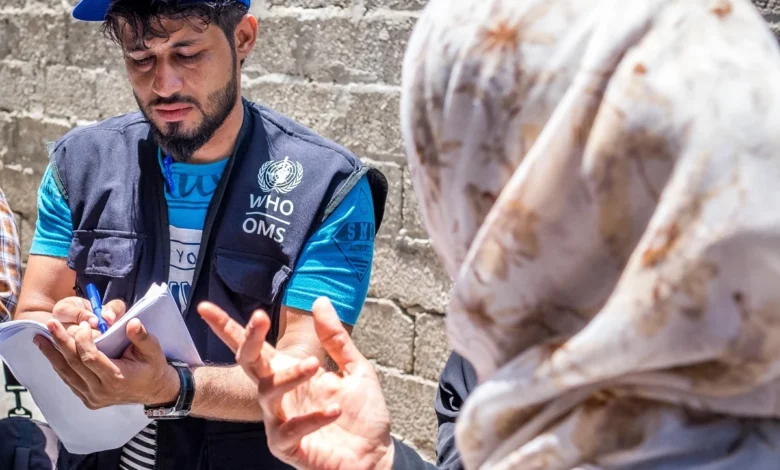
The World Health Organization (WHO) has officially unveiled the SCORE for Health Data Technical Package, a comprehensive, harmonized framework designed to standardize the way nations collect, analyze, and utilize health data. Launched in the shadow of the ongoing COVID-19 pandemic, the initiative serves as a critical intervention aimed at addressing the systemic fragmentation that has historically hampered global emergency responses. By providing a unified set of tools—spanning Surveys, Counting systems, Optimization, Review, and Enabling environments—the WHO intends to bridge the digital and analytical divide between high-income and low-to-middle-income countries.
The Urgent Mandate for Data-Driven Governance
The COVID-19 crisis acted as a catalyst for this initiative, exposing deep-seated vulnerabilities in global health infrastructure. For many nations, the absence of real-time, granular data proved to be a fatal obstacle in the early stages of the pandemic. Without accurate mortality tracking, testing coverage, or hospital capacity data, policymakers were forced to operate in a vacuum, often leading to delayed interventions and inefficient resource allocation.
According to the WHO’s 2020 World Health Statistics report, the global health landscape remains significantly under-documented. Data gaps are not merely bureaucratic hurdles; they represent a fundamental lack of visibility into the health needs of billions of people. The SCORE package arrives as an essential mechanism to rectify this, offering over 90 internationally recognized tools and standards that governments can integrate into their existing health information systems.
Understanding the SCORE Framework: A Multi-Dimensional Approach
The acronym SCORE encapsulates the five core pillars deemed necessary for a resilient health data ecosystem:
- S (Survey): Strengthening population and health facility-based surveys to capture representative data on key health indicators.
- C (Count): Improving civil registration and vital statistics (CRVS) systems to ensure that every birth and death is accurately recorded, providing the baseline for public health planning.
- O (Optimize): Enhancing data quality and the routine monitoring of health services to ensure that information is not only gathered but is reliable and actionable.
- R (Review): Establishing mechanisms for regular, systematic review of data to inform policy development, accountability, and the correction of public health strategies.
- E (Enable): Building the legislative, human resource, and infrastructure capacity required to sustain these data systems over the long term.
By consolidating these disparate elements into a single package, the WHO is shifting the burden of system design away from individual countries, which often lack the specialized expertise to build such frameworks from scratch. Instead, nations can now utilize a standardized blueprint that ensures their national data is comparable to global benchmarks.
Chronology of the Initiative and Strategic Context
The development of the SCORE package is the culmination of years of collaborative effort between the WHO and the Bloomberg Philanthropies Data for Health Initiative. The timeline of this project reflects the increasing priority placed on health data as a core component of the UN’s Sustainable Development Goals (SDGs).
- 2015–2018: Initial assessments by the WHO revealed that fewer than 40% of countries globally had robust systems for registering causes of death. This realization sparked the "Data for Health" movement.
- 2019: The WHO’s 13th General Programme of Work (GPW 13) officially prioritized data, analytics, and delivery for impact, setting the stage for a major overhaul of its statistical guidance.
- Early 2020: As COVID-19 surged, the necessity for a unified data language became undeniable. The pandemic accelerated the finalization of the SCORE technical components.
- Mid-2020: The formal launch of the SCORE package provides the missing "how-to" manual for countries struggling to modernize their health information systems in the face of the pandemic.
Global Health Implications and Economic Impact
The implications of this launch extend far beyond pandemic management. Accurate data is the prerequisite for the "Triple Billion" targets set by the WHO, which aim to ensure one billion more people benefit from universal health coverage, one billion more are better protected from health emergencies, and one billion more enjoy better health and well-being.
Economically, the SCORE package represents a shift toward "smart" investment. By identifying where resources are most needed—be it maternal health, immunization programs, or disease surveillance—governments can move away from reactive, blanket funding toward targeted, high-impact interventions. This is particularly vital for developing nations where fiscal space is limited and every dollar must be deployed with maximum efficiency.
Perspectives from Leadership and Strategic Partners
The leadership at the WHO has emphasized that the package is not merely a technical document but a call to political action. "Countries must be able to measure progress to make progress," stated Dr. Tedros Adhanom Ghebreyesus, WHO Director-General. His sentiment underscores the philosophical shift that the WHO is advocating: data must no longer be viewed as a secondary bureaucratic output, but as the primary engine of public health policy.
Dr. Samira Asma, Assistant Director-General for Data, Analytics and Delivery for Impact at the WHO, highlighted the time-sensitive nature of this effort. "Our window of opportunity is closing," she noted, emphasizing that the current global health crisis has created a unique, albeit narrow, political opening to secure funding and legislative commitment for better data systems.
The partnership with Bloomberg Philanthropies highlights the role of private-public synergy in filling the funding gap. Dr. Kelly Henning, Director of Public Health Programs at Bloomberg Philanthropies, noted that the technical guidance provided by the SCORE package is essential for national sovereignty over public health. By enabling countries to strengthen their own data systems, the package promotes a sustainable model of self-reliance rather than a perpetual dependence on international aid organizations for data monitoring.
Critical Challenges and Future Outlook
While the SCORE package provides a robust framework, experts acknowledge that the transition will face significant hurdles. The first is infrastructure; many nations still operate with paper-based systems or disconnected digital silos that require significant hardware and software investment. The second challenge is political. The collection of disaggregated data—by ethnicity, location, or socioeconomic status—can sometimes be politically sensitive.
However, the WHO maintains that the long-term benefits of transparent, granular data outweigh these concerns. As the organization moves toward the next phase of the project—which includes the release of the SCORE Assessment Instrument and global status reports—the goal is to create a perpetual feedback loop. These upcoming reports will allow the global community to track which countries are adopting the standards and where additional technical support is required.
Conclusion: A New Standard for Global Health
The launch of the SCORE for Health Data Technical Package marks a turning point in global health governance. By moving toward a standardized, data-centric model, the international community is acknowledging that the next pandemic—and the ongoing challenges of chronic disease and maternal mortality—cannot be managed through guesswork.
As the WHO prepares to roll out the additional components of the package, the focus will inevitably shift toward implementation. For governments, the mandate is clear: adopt these standards, invest in digital infrastructure, and prioritize data-driven decision-making. In a world where the ability to track health trends translates directly into saved lives, the SCORE package offers a vital roadmap for a more resilient and prepared future. The initiative serves as a poignant reminder that in the face of global instability, the most powerful tool for collective progress is reliable, shared, and actionable information.
Related posts: