New NIH Study Links Persistent Forever Chemicals to Elevated Risk of Aggressive ER-Negative Breast Cancer

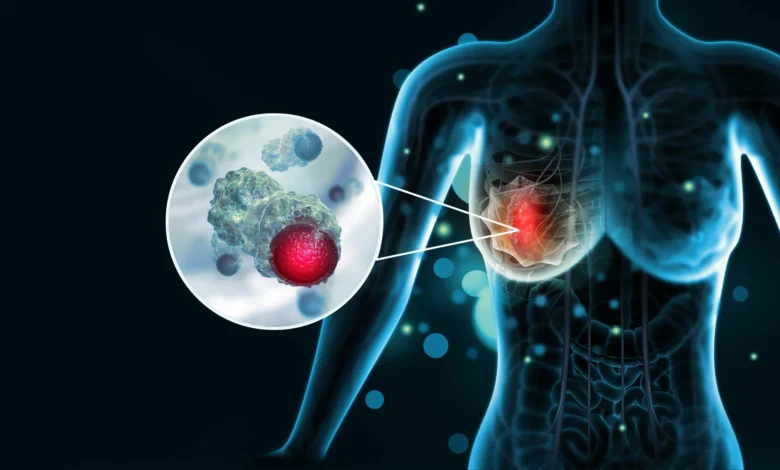
A compelling body of research published in the Journal of Clinical Oncology has brought renewed urgency to the public health discourse surrounding synthetic environmental compounds. According to a comprehensive investigation conducted by scientists at the National Institutes of Health (NIH), women who carry elevated blood concentrations of two widespread per- and polyfluoroalkyl substances—commonly referred to as PFAS or "forever chemicals"—face a significantly heightened risk of developing a particularly aggressive form of the disease known as estrogen receptor-negative (ER-negative) breast cancer.
The study, spearheaded by researchers within the National Institute of Environmental Health Sciences (NIEHS), sheds light on the perilous intersection between persistent industrial pollutants and female oncology. While previous scientific literature has extensively documented the persistence of PFAS in both ecological settings and human physiology, this latest endeavor establishes a robust statistical correlation between specific legacy compounds and a particularly lethal subtype of breast malignancy. As regulatory bodies, public health officials, and environmental scientists evaluate the unfolding data, the findings underscore the pressing need for aggressive remediation strategies, continued epidemiological monitoring, and a deeper understanding of how modern industrial chemistry intersects with human longevity and wellness.
Understanding the Threat of ER-Negative Breast Cancer
To comprehend the gravity of the NIH findings, one must first examine the distinct pathology of ER-negative breast cancer. Unlike hormone receptor-positive variants, which rely on estrogen or progesterone to fuel cellular proliferation, ER-negative tumors do not possess the biological receptors necessary for these hormones to stimulate growth. Consequently, standard endocrine therapies—such as tamoxifen or aromatase inhibitors, which have dramatically improved survival rates for many breast cancer patients—are largely ineffective against ER-negative malignancies.
This therapeutic limitation renders ER-negative breast cancer notably more challenging to treat. Tumors of this classification are historically associated with higher histological grades, more rapid cellular turnover, a greater propensity for early metastasis, and poorer overall clinical prognoses. Furthermore, medical science has struggled to identify definitive, modifiable risk factors for the disease compared to its hormone-responsive counterparts. While genetic predispositions, such as mutations in the BRCA1 and BRCA2 genes, are well-documented contributors, they account for only a fraction of total cases. The revelation that environmental exposures—specifically to persistent synthetic compounds—may elevate the incidence of ER-negative tumors introduces a critical, modifiable avenue of inquiry into the etiology of the disease.
Methodology and Chronology of the Sister Study Investigation
The architecture of the NIH investigation rests upon data drawn from the landmark Sister Study, a nationwide prospective cohort project managed by the NIEHS. Designed to identify environmental and genetic risk factors for breast cancer, the Sister Study enrolled 50,884 women across the United States and Puerto Rico between 2003 and 2009. Crucially, every participant was free of breast cancer at the time of enrollment, though each had at least one full or half-sister who had previously been diagnosed with the disease, placing the cohort at a theoretically elevated baseline risk.
For the PFAS-focused investigation, lead researcher Dr. Alexandra White, an NIH Stadtman Investigator, and her team utilized a nested case-control design. The researchers analyzed historical blood samples that had been collected from participants upon their entry into the study—years before any subsequent cancer diagnoses occurred. By measuring the baseline concentrations of 17 distinct PFAS compounds within these biological archives, the research team was able to execute a longitudinal comparison, evaluating historical chemical burdens against future health outcomes.
The analytical sample ultimately comprised 1,609 women who subsequently developed breast cancer and a meticulously matched control group of 2,269 women who remained cancer-free. By establishing the temporal sequence—measuring chemical exposure prior to the clinical onset of the disease—the researchers minimized the potential for reverse causation, thereby strengthening the validity of the observed associations.
Statistical Findings: Quantifying the PFOA and PFOS Risk
The empirical results of the biomarker analysis revealed stark disparities in disease incidence across different exposure tiers, particularly regarding two legacy compounds: perfluorooctanoic acid (PFOA) and perfluorooctanesulfonic acid (PFOS).
When evaluating PFOA, the investigators found that women situated in the highest quartile of blood concentration experienced a 67% higher rate of developing ER-negative breast cancer compared to those in the lowest exposure quartile. The association proved even more pronounced in the evaluation of PFOS. Participants categorized within the highest tier of PFOS blood concentrations exhibited a 93% higher rate of ER-negative breast cancer—nearly double the incidence observed in the lowest exposure cohort.
To ensure the robustness of these findings, the research team supplemented their primary cohort analysis with a comprehensive meta-analysis incorporating prior independent studies. This secondary validation reinforced the conclusion that legacy PFAS exposure correlates directly with an increased hazard for aggressive, hormone receptor-negative tumor development. It is important to note, however, that the study found no statistically significant link between the examined PFAS compounds and breast cancer risk overall, indicating a highly specific vulnerability related to the ER-negative phenotype.
The Chemistry and Persistence of Forever Chemicals
Per- and polyfluoroalkyl substances represent a massive family of synthetic chemicals characterized by chains of carbon-fluorine atoms. This carbon-fluorine bond is one of the strongest in organic chemistry, imparting extraordinary resistance to heat, water, oil, and degradation. While these chemical properties made PFAS immensely valuable for industrial and consumer applications since their commercial introduction in the mid-20th century, they also earned these substances the moniker "forever chemicals."
PFOA and PFOS have historically been utilized in an extensive array of consumer goods, including non-stick cookware, stain-resistant carpets, waterproof apparel, fast-food wrappers, and specialized firefighting foams. Because these compounds do not readily break down under natural environmental conditions, they have permeated global ecosystems, contaminating municipal water supplies, agricultural soils, and aquatic food webs.
Furthermore, human exposure is remarkably widespread. Once ingested, inhaled, or absorbed through the skin, PFAS can bind to serum proteins and accumulate within human tissues. Biological half-lives for compounds like PFOA and PFOS span years, ensuring that even individuals without ongoing occupational exposure maintain measurable systemic burdens throughout their lifetimes. Although major American manufacturers voluntarily phased out the production of PFOA and PFOS under historical pressure from environmental regulators, the sheer persistence of these legacy molecules ensures that they remain detectable in the bloodstreams of the vast majority of the population.
Official Responses and Governmental Action
The release of the NIH findings has prompted immediate attention from federal health leadership, reflecting an escalating cross-governmental focus on environmental determinants of chronic disease.
"Women deserve clear answers about how chemicals in their environment may affect their health," stated HHS Secretary Robert F. Kennedy, Jr. "This NIH study links two forever chemicals to a higher risk of ER-negative breast cancer and demands further investigation. Under President Trump’s leadership, we will pursue the evidence, confront environmental health risks, and give women the information they need to protect their health."
The explicit inclusion of environmental health metrics as a priority for executive and departmental oversight underscores a bipartisan consensus regarding the dangers of persistent chemical contamination. Public health advocates anticipate that these findings will serve as empirical ammunition for regulatory agencies, such as the U.S. Environmental Protection Agency (EPA), to enforce stricter maximum contaminant levels in public drinking water infrastructure and accelerate phase-outs of remaining hazardous industrial chemicals.
Biological Mechanisms and Modifiable Exposure Pathways
While the epidemiological association between high PFAS concentrations and ER-negative breast cancer is robustly established by the new data, the precise biological pathways through which these chemicals induce malignancy remain an active frontier for toxicological research.
Because the strongest statistical associations materialized within tumors lacking estrogen receptors, scientists hypothesize that PFAS may operate through non-hormonal pathways. Potential mechanisms under consideration include endocrine disruption independent of classical estrogen receptor signaling, epigenetic alterations that modify gene expression profiles, chronic systemic inflammation, and modulation of the human immune system’s capacity to suppress nascent tumor formation. Future molecular studies will be required to definitively isolate these pathways.
Despite the persistent nature of these chemicals in human physiology, researchers emphasize that exposure management is not entirely futile. Dr. Che-Jung Chang, the study’s first author and a researcher at DLH, noted the practical implications of the findings for individual risk reduction.
"Although PFAS are persistent in the environment and in our bodies, exposure to them is still potentially modifiable, meaning people can take steps to reduce their exposure, and these findings could open new avenues for prevention," Dr. Chang explained.
Consumers can actively mitigate their personal and familial exposure through practical interventions. These include installing certified water filtration systems designed to capture PFAS (such as reverse osmosis or specialized activated carbon filters), avoiding stain-resistant treatments on household textiles and furniture, minimizing the consumption of greasy or fast-food packaging treated with grease-repellent coatings, and staying informed regarding local water quality reports.
Future Research Horizons and Public Health Implications
As the scientific community digests the implications of the Journal of Clinical Oncology publication, researchers are already charting the next phases of investigative work. Principal among these priorities is the evaluation of newer-generation replacement chemicals.
When traditional long-chain compounds like PFOA and PFOS were phased out of primary production, chemical manufacturers substituted them with alternative short-chain PFAS compounds, such as GenX. Industry proponents initially marketed these replacements as safer because they clear the human body more rapidly. However, emerging toxicological studies suggest that many replacement chemicals share similar chemical structures and may carry comparable, if not identical, chronic health risks. Dr. White and her colleagues have stressed that urgent research is needed to determine whether these newer-generation forever chemicals likewise elevate breast cancer susceptibility.
Additionally, future epidemiological initiatives must focus on vulnerable populations experiencing disproportionately high environmental exposures. Industrial contamination of municipal water sources frequently correlates with socioeconomic status and geographic proximity to manufacturing hubs, military installations, and firefighting training sites. Addressing these disparities will be vital to achieving environmental justice and protecting public health at a population level.
In summary, the NIH investigation represents a watershed moment in the study of environmental oncology. By bridging historical exposure data with rigorous oncological outcomes, the research elevates our understanding of how modern industrial pollutants contribute to aggressive cancers. While questions regarding exact molecular mechanisms and the safety profile of replacement compounds remain open, the study provides a definitive clarion call for enhanced regulatory vigilance, continued scientific inquiry, and proactive exposure reduction strategies designed to safeguard women’s health for generations to come.