The Evolution of International Connectivity: A Comprehensive Analysis of Global eSIM Subscription Models

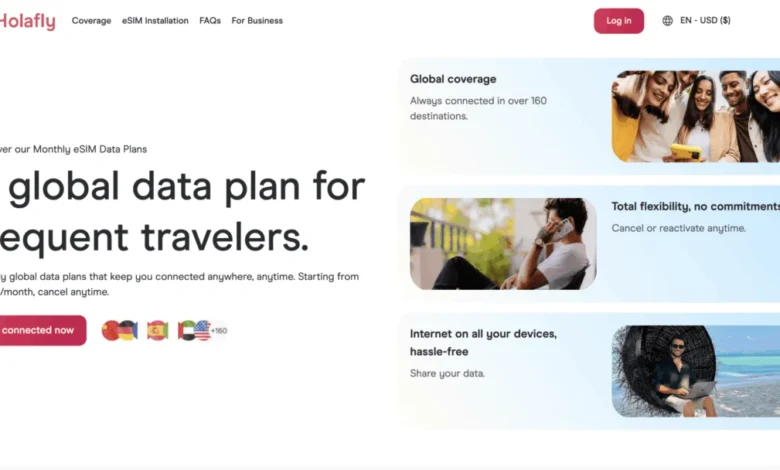
The landscape of international telecommunications has undergone a fundamental transformation over the last five years, moving away from reliance on physical, region-specific SIM cards toward the widespread adoption of eSIM (embedded SIM) technology. As digital nomadism and international remote work models gain institutional traction, telecommunications providers have shifted their service delivery to accommodate a more mobile global workforce. Among these, the introduction of subscription-based global eSIM plans represents a significant shift from a per-trip transactional model to a unified, long-term connectivity infrastructure.
The core technology behind this shift is the eSIM, a digital standard supported by major smartphone manufacturers including Apple, Samsung, and Google. Unlike physical SIM cards, which require manual insertion and are prone to loss or damage, the eSIM is a software-defined component integrated into the device’s hardware. This allows users to store multiple profiles on a single device and switch between carriers via a mobile application or QR code. The recent transition toward "Global Plans"—whereby a single profile provides seamless coverage across more than 160 countries—is the industry’s response to the friction associated with fragmented, country-by-country data purchasing.
Historical Context and Technological Shifts
The trajectory of mobile roaming began with the traditional carrier model, where domestic providers charged exorbitant daily fees for international data access. This legacy system often resulted in "bill shock," where consumers were charged hundreds of dollars for moderate data usage. The rise of the "travel SIM" market in the mid-2010s attempted to solve this by providing localized data packages, but these solutions remained inherently transactional; users were forced to purchase new data buckets upon arrival in each new jurisdiction.
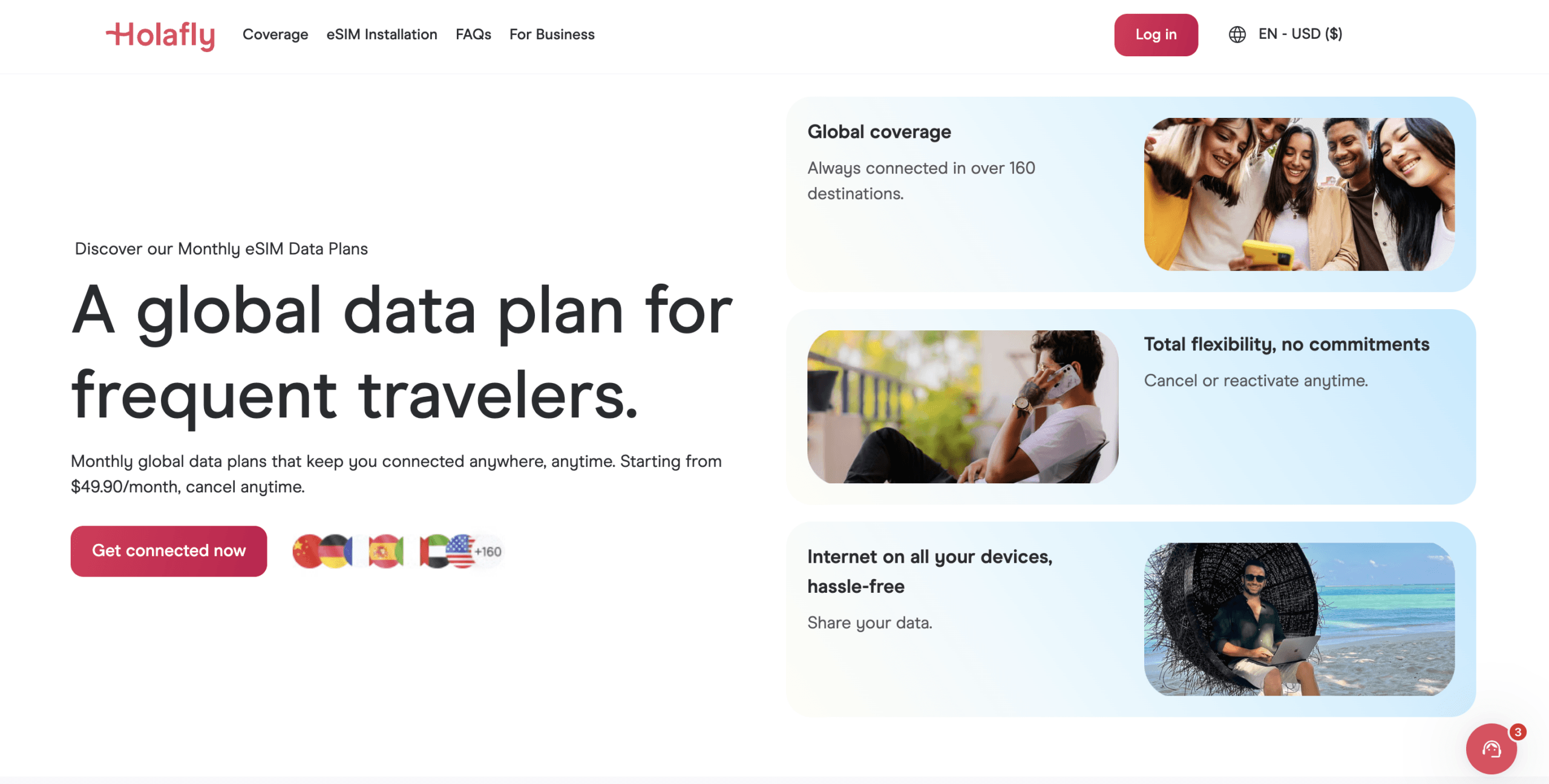
The launch of persistent global subscription models by providers like Holafly marks the third phase of this evolution. By decoupling connectivity from local geography, these services allow a user to maintain a consistent digital identity and data connection regardless of their physical location. This move aligns with broader macroeconomic trends showing a surge in cross-border mobility. According to industry reports, the global eSIM market is projected to reach several billion dollars in value by 2030, driven largely by the proliferation of 5G infrastructure and the demand for "always-on" connectivity in travel, logistics, and remote professional services.

Structural Differences: Transactional vs. Subscription Models
To understand the impact of these new plans, it is necessary to contrast them with traditional, single-use eSIMs. A traditional eSIM is a bespoke product designed for a specific duration and location. If a user travels to three countries, they typically manage three distinct activations. This is effective for short-term leisure travel but presents significant administrative and logistical hurdles for long-term travelers or business professionals who move across borders frequently.
The subscription-based model—characterized by monthly or annual billing cycles—functions similarly to a domestic cell phone plan but operates on a global scale. The primary difference lies in the "handshake" process between the mobile device and local towers. In a subscription model, the device is configured to automatically negotiate roaming agreements with partner networks in over 160 countries without requiring user intervention. This eliminates the "dead time" experienced at airports or border crossings, where users typically struggle to find local Wi-Fi to purchase a new data plan.
Data Analysis and Cost-Efficiency
An objective review of market data suggests that for high-frequency travelers, the subscription model offers substantial cost savings. A standard major carrier international roaming pass typically costs between $10 and $15 per day, which can amount to $300 per month for a frequent traveler. In contrast, premium global eSIM subscription plans generally range between $50 and $70 per month for unlimited data packages.
The economic advantage is twofold: the reduction of the per-gigabyte cost and the elimination of the administrative time spent searching for and installing localized data solutions. Furthermore, the inclusion of unlimited data and tethering (hotspot) capabilities in many of these plans addresses the specific needs of digital professionals who require high-bandwidth connections for video conferencing and large file transfers.
The Rise of Enhanced Value-Added Services
Recent developments in the sector, such as the introduction of the "Ultra" tier in global plans, indicate a strategy to bundle auxiliary services into the connectivity package. By integrating travel-related support services—such as minor medical consultation access or travel assistance—providers are attempting to capture a larger share of the "travel stack."
From a market analysis perspective, this is a defensive move intended to increase customer retention (stickiness). By providing a bundle that includes connectivity, a local phone number, and support services, providers create an ecosystem that is more difficult for a consumer to leave than a simple data-only service. For the end-user, the benefit is a centralized point of contact for trip-related necessities, though industry analysts warn that these services should not be conflated with comprehensive, primary travel insurance, which covers higher-stakes incidents such as emergency hospitalizations or legal liabilities.
Implementation and User Accessibility
The technical implementation of these global plans has been streamlined to minimize failure points. The process generally involves:
- Purchasing a plan through a centralized platform.
- Installing a single eSIM profile via a QR code or direct app integration.
- Activating the "Data Roaming" toggle on the device.
The "Always On" feature, which provides a baseline of backup data even after a subscription is terminated, acts as a safety net. This is a critical development for international security, ensuring that users retain access to essential communication tools (such as messaging apps or maps) even if their primary data plan expires.
Broader Implications for Global Mobility
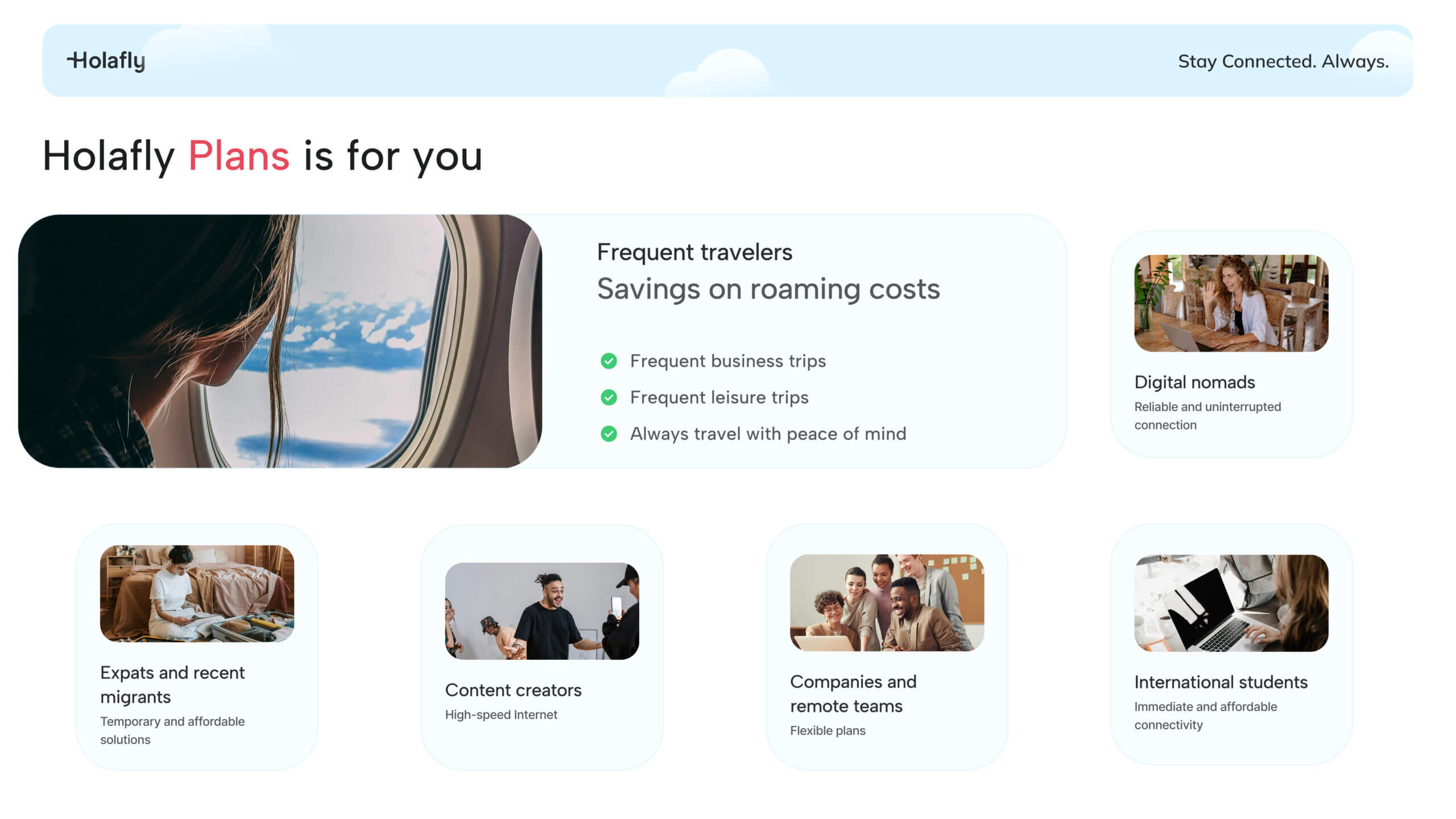
The emergence of these comprehensive eSIM plans is indicative of a broader shift toward a borderless digital economy. As remote work continues to evolve, the distinction between a "home" carrier and a "foreign" carrier is becoming increasingly obsolete for a significant segment of the population.
However, there are limitations. These plans rely on the quality of local network infrastructure; while coverage is extensive, connection speeds are inherently tied to the capabilities of the local partner network. Furthermore, users must ensure their hardware is unlocked by their original carrier before they can effectively utilize a secondary eSIM.
Conclusion and Future Outlook
The transition to subscription-based global eSIM plans represents a maturation of the mobile connectivity industry. By shifting from a fragmented, transactional model to a unified, subscription-based architecture, companies are providing a more reliable and cost-effective solution for the modern, mobile professional. While these services may not replace the need for specialized insurance or localized, ultra-high-speed connectivity in specific regions, they represent a significant step toward the democratization of seamless global communication.
As the industry looks toward the next decade, further integration of artificial intelligence for network optimization and the potential inclusion of more robust, comprehensive safety services are expected to define the competitive landscape. For the end-user, the decision between a legacy roaming plan, a single-use eSIM, and a global subscription now depends entirely on the frequency and duration of travel, with the data heavily favoring the subscription model for those who spend more than 90 days a year outside of their home jurisdiction.