Go Fast Campers Tackles Off-Road Dust Intrusion With Advanced Positive-Pressure Technology

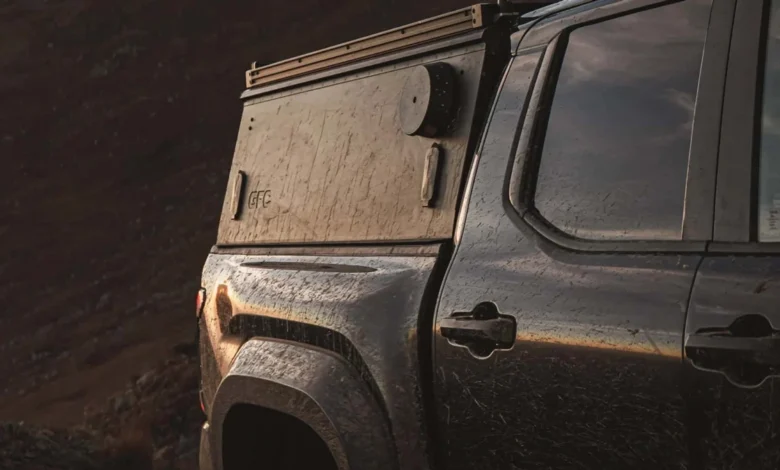
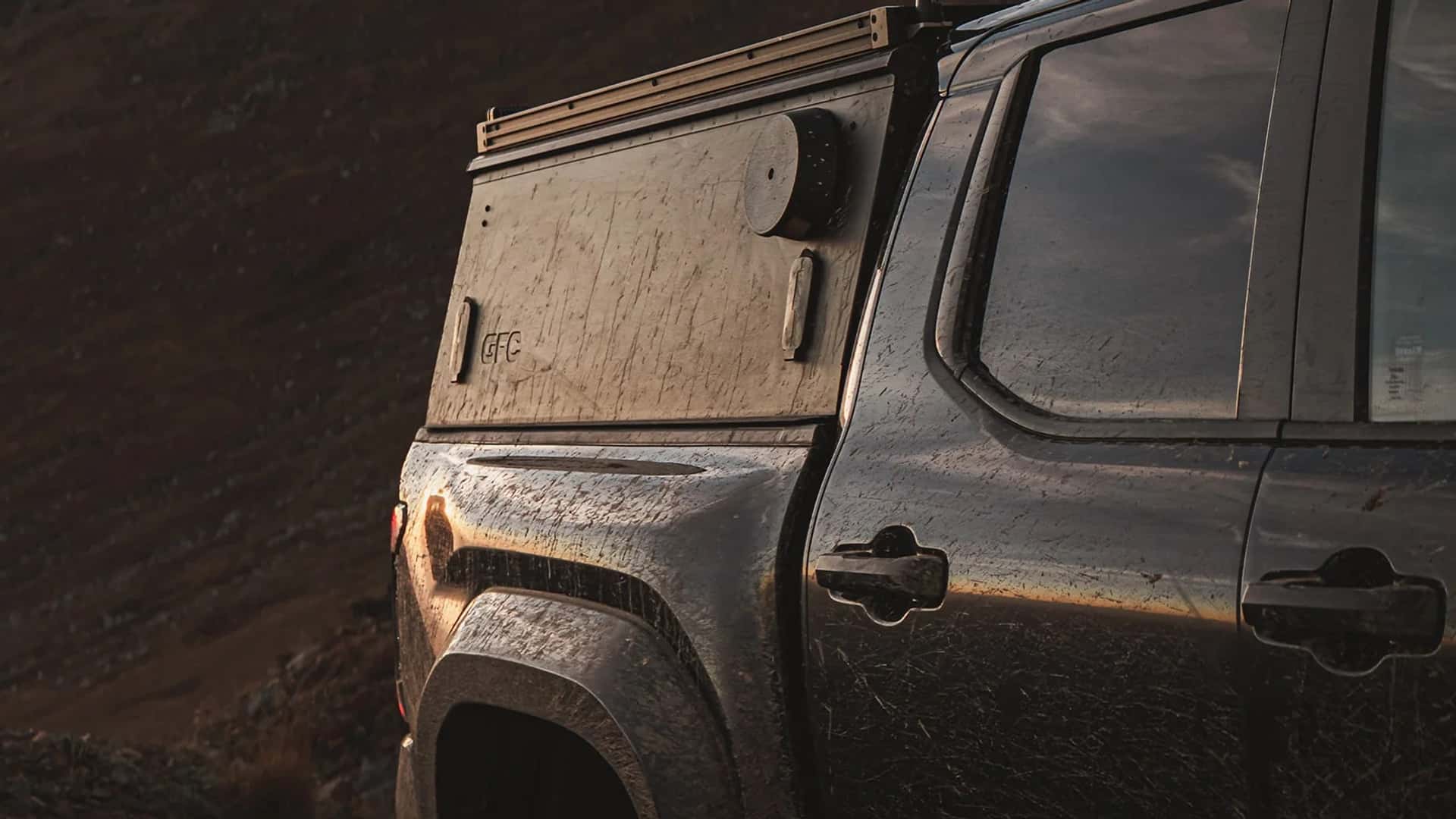
The perennial struggle of off-road enthusiasts—the inevitable infiltration of fine particulate matter and dust into the cargo bed of a truck—has prompted an unlikely engineering response from Montana-based overland equipment manufacturer, Go Fast Campers (GFC). Addressing a problem that has plagued pickup owners since the advent of the utility vehicle, GFC has developed an elaborate, aerospace-inspired active pressurization system. This device, dubbed the GFC Dust Pump, moves beyond traditional sealing methods, instead utilizing a high-output turbine and complex telemetry to maintain a positive-pressure environment within the truck bed, effectively preventing dust from entering through body panel gaps.
The Problem: Beyond the Tailgate Seal
For those who frequent unpaved trails, the "dust problem" is more than a minor annoyance; it is a persistent logistical challenge. Modern pickup truck beds are rarely airtight, a design choice necessitated by the need for the chassis to flex under extreme off-road articulation. Gaps are ubiquitous: they exist along the tailgate, beneath the bed rails, and through various drain holes and body panel interfaces.
In arid environments, such as the deserts of the American Southwest or the silty trails of the Pacific Northwest, the vacuum created behind a moving vehicle acts as a siphon. This "low-pressure wake" pulls dust-laden air into any available aperture, coating camping gear, tools, and sensitive electronics in a layer of fine grit. While traditional methods of mitigation—such as aftermarket weather stripping and tailgate seal kits—can reduce dust intrusion by an estimated 90 percent, that remaining 10 percent often proves the most detrimental. For many, this necessitates hours of post-trip cleaning, which GFC’s engineering team identified as a friction point in the overland experience.
Historical Context and Motorsports Influence
The methodology behind the GFC Dust Pump is rooted in professional rally racing. In the World Rally Championship (WRC) and various desert-racing disciplines, vehicles are frequently subjected to "roost"—the massive clouds of dust kicked up by preceding competitors. To maintain visibility and, more importantly, to protect the driver and the vehicle’s mechanical systems, engineers utilize "fresh air blowers" or roof-mounted intake scoops.
These systems are designed to feed air into the cabin at a rate that keeps internal pressure higher than the external atmosphere. By creating this positive-pressure gradient, air is forced out of any potential leaks rather than allowing dust-filled air to be sucked in. While effective, standard ram-air systems depend on high vehicle velocity to function. GFC’s challenge was to translate this principle into a stationary or low-speed environment, where the vehicle might be crawling over technical terrain and not benefiting from the aerodynamic pressure of high-speed travel.
Chronology of Development: From Concept to Turbine
The development cycle for the GFC Dust Pump spanned several months of iterative prototyping. Initially, the engineering team experimented with passive filtration, including roof-mounted cyclone-style particle separators. However, these proved insufficient during the stop-and-go nature of trail driving, failing to generate the necessary pressure when the vehicle was moving at low speeds or idling.
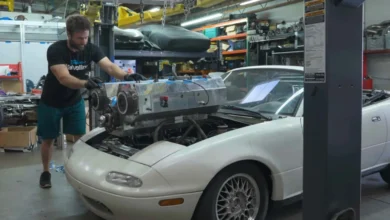
The team shifted to a forced-induction approach, settling on a high-velocity turbine commonly used in radio-controlled (RC) jet aircraft. This component was chosen for its high power-to-weight ratio and ability to move a high volume of air through a compact form factor. The initial testing phase was notably aggressive. According to company reports, early prototypes were so powerful that they displaced stationary objects, such as 3D-printer filament spools and heavy water bottles, within the testing lab.
Recognizing that raw power was not enough, the team integrated a sophisticated telemetry system. Drawing from expertise in trophy truck sensor arrays, GFC implemented a suite of pitot-static tubes—the same technology used on aircraft to measure airspeed and altitude—to monitor the pressure differential between the interior of the camper and the ambient environment. This system samples pressure 50 times per second, feeding data into a proprietary microcontroller that adjusts the turbine’s RPM in real time.
Technical Specifications and Operational Logic
The GFC Dust Pump functions as a closed-loop control system. Once the user selects a target pressure level via a dedicated mobile application or the system’s touchscreen interface, the microcontroller takes over. If the sensors detect a drop in internal pressure—perhaps due to a sudden bump causing a temporary seal gap—the turbine automatically compensates by increasing airflow.
The integration of Wi-Fi connectivity and an app-based interface allows the operator to monitor the system status from the driver’s seat. This removes the need for cumbersome manual adjustments or the routing of extensive wiring through the vehicle’s firewall. To manage the ongoing maintenance costs of such a high-tech solution, GFC opted for a pragmatic approach to filtration: the intake uses a standard, off-the-shelf lawnmower air filter. Priced at approximately $10 for a twin-pack, this choice ensures that the system remains accessible and affordable to maintain, contrasting sharply with the bespoke nature of the turbine and electronics.
Industry Analysis: The Cost of Perfection
The decision to utilize an RC jet turbine and aerospace-grade sensors for a truck accessory represents a significant shift toward "over-engineering" in the outdoor equipment market. While the $799 retail price tag is substantial for a device that essentially functions as an air pump, industry analysts suggest that this reflects the growing demand for "premium overlanding" equipment.
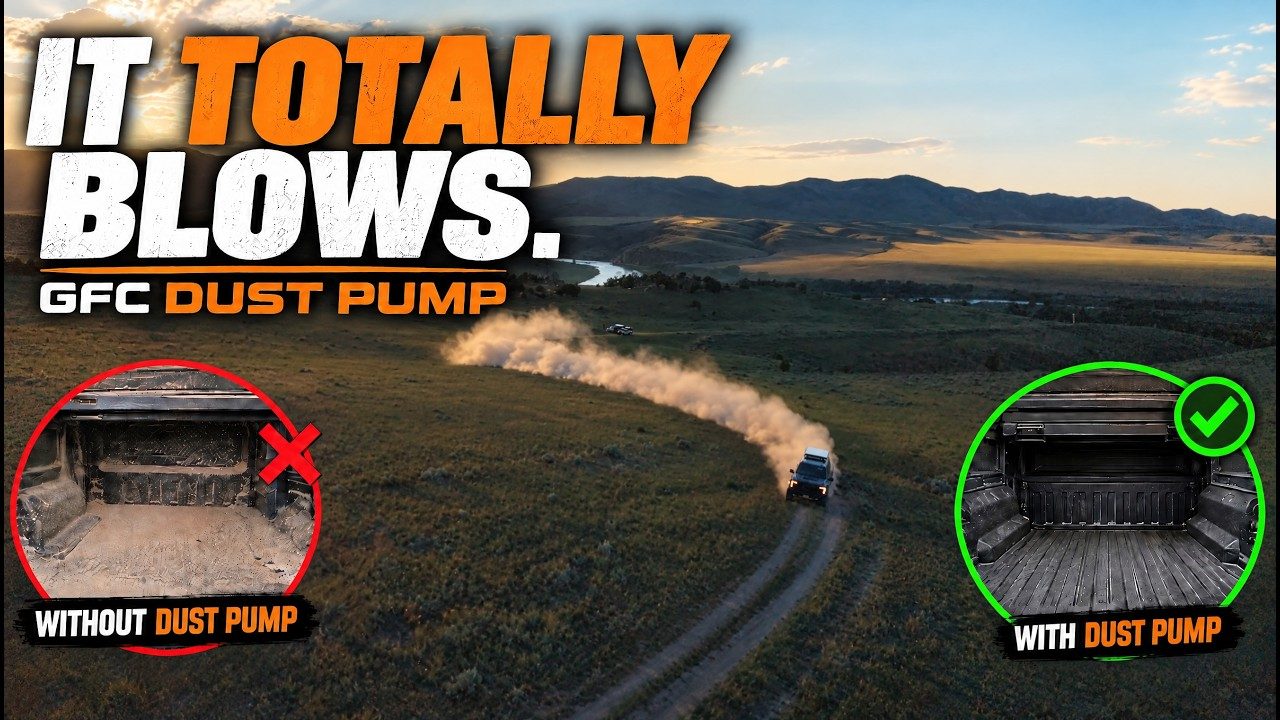
The immediate sell-out of the product indicates a robust market appetite for problem-solving technology that removes the "work" from outdoor recreation. By treating the truck bed as a pressurized cabin, GFC has effectively transitioned from the realm of basic utility accessories to that of advanced systems engineering.
However, there are broader implications for vehicle modifications. The installation of such a device requires electrical integration into the truck’s auxiliary battery system. While the power draw of the turbine is optimized for efficiency, it does add a layer of complexity to the vehicle’s electrical architecture. Owners must ensure that their secondary power systems—often lithium-ion power stations or dual-battery setups—can handle the continuous load, particularly during long, dusty expeditions where the pump might run for several hours at a time.
Broader Implications and Future Trends
The success of the GFC Dust Pump raises questions regarding the future of off-road vehicle design. If consumers are willing to spend significant capital on aftermarket solutions to seal their vehicles against the environment, it may signal an opportunity for original equipment manufacturers (OEMs) to improve the factory-level sealing of truck beds.
Furthermore, the integration of real-time telemetry and automated environmental control in a consumer-grade accessory sets a precedent. As vehicles become increasingly "smart," the ability for aftermarket components to communicate with the vehicle’s central bus could become the next frontier in the automotive aftermarket.
While critics might label the project as "overkill," the engineering effort behind the GFC Dust Pump underscores a broader trend in the automotive sector: the intersection of extreme, performance-oriented technology with the mundane requirements of utility. By applying the principles of fluid dynamics and rally-car telemetry to a pickup truck, GFC has demonstrated that even the most stubborn of logistical challenges—keeping a campsite clean in the middle of a desert—can be solved through rigorous, if unorthodox, engineering.
As the off-road industry continues to mature, the focus is clearly shifting from simple aesthetic modifications to sophisticated, data-driven systems designed to improve the quality of life on the trail. The GFC Dust Pump stands as a prime example of this evolution, proving that in the quest for the perfect adventure, no detail is too small to escape the reach of modern innovation.