Stellantis Reshuffles North American Leadership Amidst Ambitious FaSTLAne 2030 Product Strategy

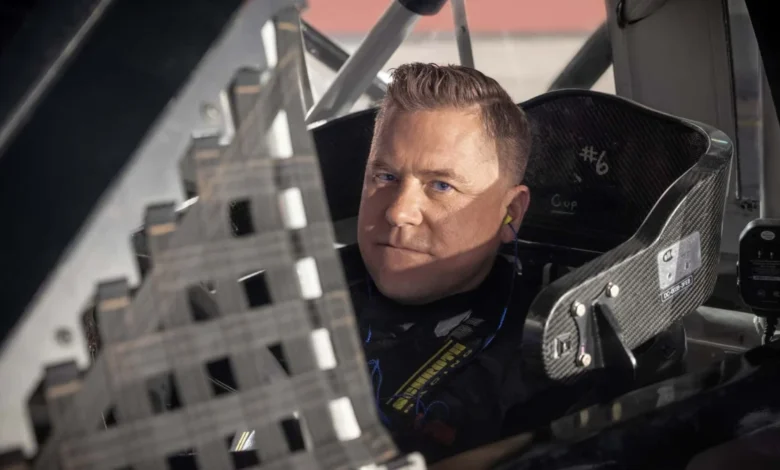
Stellantis has implemented a sweeping reorganization of its North American executive leadership team, marking a pivotal shift as the automotive giant attempts to navigate a challenging market environment while simultaneously executing an aggressive, multi-brand product offensive. The company confirmed today that Tim Kuniskis, a long-tenured veteran of the American automotive landscape and former head of the SRT division, will assume the role of Chief Commercial Officer for North American operations. Simultaneously, the automaker announced the return of Bob Broderdorf to the active executive roster, placing him at the helm of the Dodge brand as it transitions into a critical phase of its product development cycle.
The leadership changes serve as a strategic recalibration for the Amsterdam-based manufacturer. Following a period of fluctuating sales, supply chain volatility, and shifting consumer preferences, the company is doubling down on its "FaSTLAne 2030" roadmap. This plan, first unveiled earlier this year, aims to revitalize the firm’s aging North American portfolio by introducing 11 new vehicles, with a heavy emphasis on affordability—a key pillar of the strategy being the commitment to offer seven new models priced under $40,000.
A Chronology of Leadership Transitions
The internal shifts at Stellantis have been frequent and, at times, turbulent throughout 2024. The most notable return is that of Bob Broderdorf, who stepped away from his professional duties in July for medical reasons. Prior to his leave, Broderdorf had been serving in high-level capacities, including a stint leading the Jeep brand. His return is viewed by industry analysts as a move to stabilize the Dodge division, a brand where he previously managed production planning and played an instrumental role in the successful launch of the high-performance Hellcat engine line over a decade ago.
The broader context of this reshuffle includes the tenure of Matt McAlear, who had been overseeing both the Dodge and Chrysler brands following the departure of Christine Feuell in March 2024. Under the new organizational structure, McAlear will transition to focus exclusively on the Chrysler brand. This separation of duties is intended to allow for undivided management attention as Chrysler looks to expand its footprint from a single-vehicle lineup—centered on the Pacifica minivan—to a broader, more competitive offering. Meanwhile, Matt VanDyke continues to lead the Ram brand, maintaining continuity in a division that is currently undergoing significant product diversification.
Tim Kuniskis, a figure synonymous with the modern evolution of Stellantis’ American brands, brings over three decades of experience to the Chief Commercial Officer role. Having started his career with the company in 1992, Kuniskis has held leadership roles across Jeep, Ram, and Dodge. His brief retirement in 2024 was short-lived, as he was brought back to lead the Ram brand following the ouster of former CEO Carlos Tavares, a move that underscored the company’s reliance on "legacy players" to navigate the current transition.
Strategic Implications of the FaSTLAne 2030 Roadmap
The primary objective of these leadership changes is the successful delivery of the FaSTLAne 2030 plan. The current state of the Chrysler brand, which relies almost entirely on the Pacifica, is a point of concern for investors. The upcoming rollout of the Airflow and two variants of the Arrow is designed to pivot the brand toward a more sustainable and diverse market position.
Dodge, under the guidance of Broderdorf, is tasked with balancing its heritage of high-performance internal combustion engines with the demands of a changing market. The brand is preparing to introduce the GLH, a model explicitly positioned to capture interest in the burgeoning sedan and hot-hatch segments. Simultaneously, Dodge is expected to maintain its performance edge by introducing a new, supercharged Hemi-powered Hellcat, alongside a new halo vehicle meant to maintain the brand’s high-performance prestige.
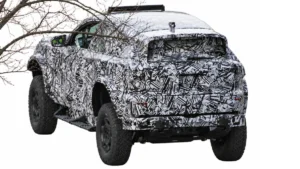
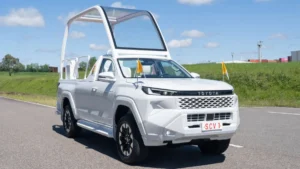
Ram is similarly aggressive in its product planning. The brand is currently developing two critical new pickups: the midsize Dakota and the compact Rampage. These additions are designed to compete in segments that have seen renewed consumer interest, particularly among buyers who require utility without the footprint or price point of a full-size truck. The recent launch of the Ram Rumble Bee, a street-truck variant featuring a 777-horsepower 6.2-liter Hemi V8, serves as a testament to the brand’s commitment to maintaining its reputation for power and performance, even as it looks toward electrification and efficiency.
Executive Commentary and Internal Sentiment
The sentiment from the top of the organization remains focused on stability and operational excellence. In a recent internal address, Tim Kuniskis emphasized the necessity of the current structural changes. Regarding the return of Bob Broderdorf, Kuniskis stated, "First things first. Bob’s back after his recent health issue and that’s the best news I’ve had all year. A whole lot of people had his back, and he fought like hell. Now he’s coming home to Dodge, and he’s the real deal."
Kuniskis further elaborated on the logic behind separating the leadership of Dodge and Chrysler, noting that the impending product expansion for the Chrysler brand requires a dedicated, full-time focus. "With Chrysler about to go from one product to a real lineup, we need Matt [McAlear] fully focused. You don’t do that part-time," Kuniskis remarked. This statement highlights a shift away from the consolidated management model that defined the tenure of previous executives and signals a move toward a more specialized, brand-centric management approach.
Industry Context and Market Challenges
The reorganization occurs at a time when Stellantis is facing significant pressure from both domestic competitors and global economic headwinds. The company’s focus on the $40,000-and-under price point is a direct response to rising vehicle costs and concerns regarding consumer affordability in the North American market.
Data from the automotive sector suggests that the midsize and compact truck segments—which the new Dakota and Rampage aim to occupy—are among the most profitable and high-growth areas in the industry. By streamlining its leadership and assigning specific executives to individual brand challenges, Stellantis is attempting to shorten decision-making cycles and improve the speed-to-market for its new product pipeline.
The transition from the previous corporate strategy under former CEO Carlos Tavares to the current, more decentralized brand-management model is a clear signal that the board of directors is prioritizing brand identity. By empowering executives who have deep historical knowledge of these specific brands—such as Broderdorf’s history with the Dodge Hellcat launch—Stellantis is betting that institutional memory will be a key factor in ensuring the success of its upcoming vehicle launches.
Future Outlook and Operational Risks
While the leadership team is now firmly in place, the path forward for Stellantis is not without risk. The success of the FaSTLAne 2030 plan depends heavily on the company’s ability to manage its supply chain, control production costs, and effectively market its new, more affordable vehicles to a skeptical consumer base.
Furthermore, the integration of new electric and hybrid powertrains, alongside the traditional performance-oriented Hemi engines that remain a hallmark of the Dodge brand, represents a complex engineering and marketing challenge. The company must prove that it can innovate without alienating its core enthusiast customer base.
In conclusion, the latest leadership changes at Stellantis represent more than just a personnel shuffle; they are a fundamental restructuring designed to align executive expertise with the most critical product launches in the company’s recent history. With a clear roadmap, a renewed focus on brand-specific leadership, and an aggressive target for market expansion, the automaker is signaling its intent to reclaim market share and redefine its identity in the American automotive sector. The coming months will be a crucial test for both the newly appointed leadership team and the viability of the FaSTLAne 2030 strategy as these new vehicles begin to hit production lines.