Korean Air Announces Major Strategic Fleet Modernization and Passenger Experience Enhancements for 2026 and Beyond

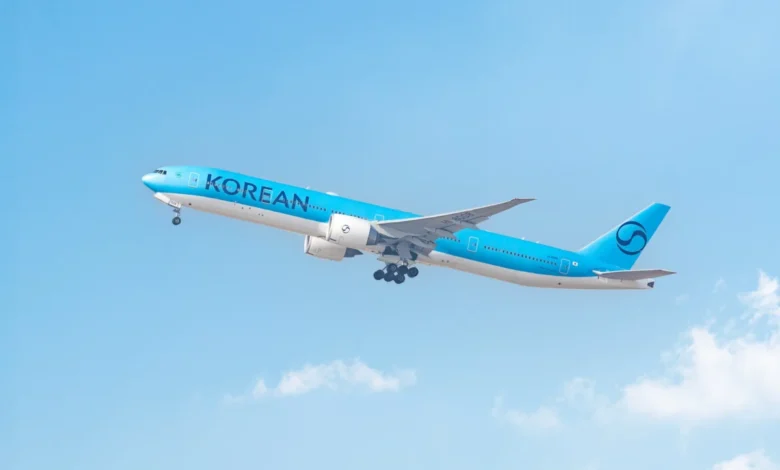
The aviation industry is undergoing a profound transformation as global carriers navigate fluctuating fuel costs, shifting passenger demographics, and increasingly stringent environmental regulations. Against this backdrop, Korean Air, the flag carrier and largest airline of South Korea, has officially unveiled a comprehensive strategic fleet modernization and passenger experience enhancement plan slated for implementation through the remainder of 2026 and into the subsequent decade. This sweeping initiative represents one of the most ambitious operational overhauls in the airline’s history, designed to solidify its competitive standing following its mega-merger integration processes and to meet the burgeoning global demand for international air travel.
The announcement outlines substantial investments in next-generation widebody and narrowbody aircraft, cutting-edge cabin configurations, digital infrastructure upgrades, and sustainable aviation fuel (SAF) integration. By replacing aging airframes with highly efficient modern jets, Korean Air aims to reduce its carbon footprint significantly while simultaneously elevating the in-flight standards for both economy and premium travelers. Industry analysts have noted that the timing of this announcement aligns with broader macroeconomic trends within the Asia-Pacific aviation sector, which has rebounded robustly from historical disruptions and is currently experiencing unprecedented passenger volume growth.
Main Facts and Scope of the Modernization Initiative
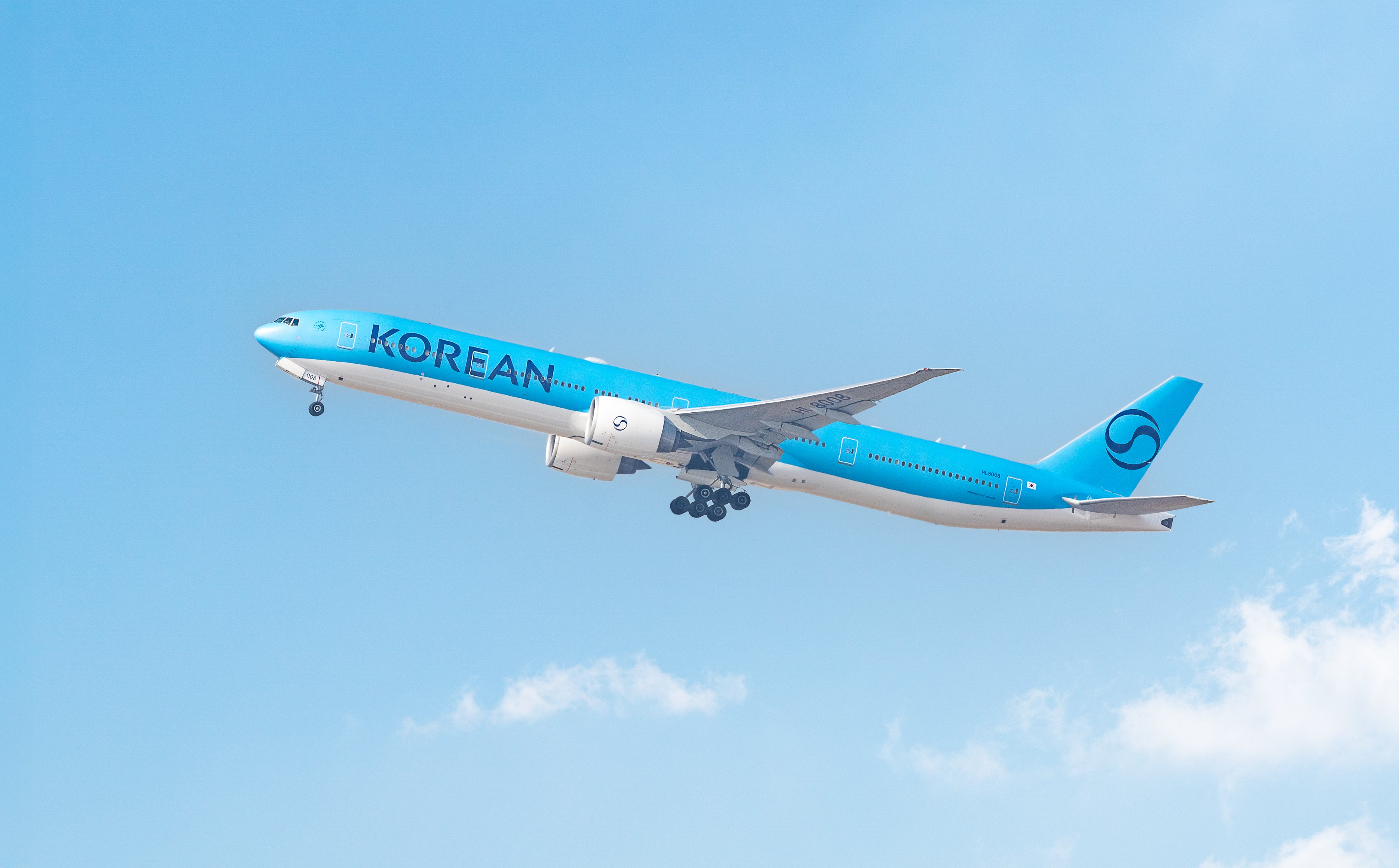
At the core of Korean Air’s newly detailed strategy is a multi-billion-dollar capital expenditure program focused on aircraft acquisitions and interior retrofits. The airline has confirmed firm orders and delivery schedules for state-of-the-art aircraft, including the Boeing 777-9, Boeing 787-10 Dreamliner, and Airbus A350 family jets. These aircraft are globally recognized for their superior fuel efficiency, extended range capabilities, and enhanced passenger comfort features, such as lower cabin altitude pressure and larger windows.
In addition to expanding and modernizing its physical fleet, the carrier is rolling out a completely redesigned proprietary suite of passenger service enhancements. This includes next-generation prestige and economy class seating configurations, high-speed inflight connectivity powered by advanced satellite networks, and localized culinary programs developed in collaboration with renowned international and domestic chefs. Furthermore, the airline is upgrading its digital ecosystem—spanning its mobile application, self-service airport kiosks, and automated baggage drop systems—to streamline the passenger journey from booking to arrival.
The financial scope of this modernization effort underscores Korean Air’s long-term commitment to operational excellence. By modernizing the fleet, the airline anticipates a notable reduction in maintenance expenditures and fuel consumption per available seat kilometer (ASK), shielding the company against potential volatility in global crude oil markets.
Chronology and Historical Context
To understand the gravity of Korean Air’s 2026 announcement, it is necessary to examine the chronological progression of the airline’s strategic milestones over the past decade. The journey toward this comprehensive fleet and service overhaul has been shaped by major corporate milestones, regulatory hurdles, and global market shifts.
Pre-Pandemic Growth and Fleet Planning (2015–2019)
During the mid-2010s, Korean Air focused on expanding its trans-Pacific network through its joint venture partnership with Delta Air Lines. The airline steadily grew its hub operations at Incheon International Airport (ICN), recognizing the strategic advantage of connecting North America and Southeast Asia via Seoul. Initial evaluations for widebody fleet replacements began during this period, laying the groundwork for future orders of fuel-efficient twin-engine aircraft to replace older quad-jet Boeing 747-8 and Airbus A380 aircraft.
Navigating Global Disruption (2020–2022)
The onset of the global health crisis in early 2020 forced a temporary contraction in international aviation. However, unlike many global competitors that grounded fleets indefinitely, Korean Air leveraged its robust cargo operations—converting passenger aircraft to carry freight—to maintain profitability. During this period, management utilized the downturn to re-evaluate long-term fleet strategies, accelerating the retirement timeline for older, less efficient four-engine aircraft while preserving liquidity for future capital investments.
The Asiana Airlines Integration and Post-Merger Phase (2023–2025)
A defining chapter in the airline’s recent history involved the multi-year regulatory clearance process for acquiring its domestic rival, Asiana Airlines. Securing approvals from competition authorities across major global jurisdictions—including the United States, the European Union, Japan, and the United Kingdom—required extensive negotiations and operational commitments. By 2025, the legal and operational integration processes were well underway, creating an urgent need to harmonize fleet types, cabin products, and service standards across the combined enterprise.
The 2026 Comprehensive Overhaul
The announcement in November 2026 marks the culmination of these post-merger adjustments. With regulatory clarity achieved and passenger traffic stabilizing at or above pre-2020 baselines, Korean Air is now executing a unified strategic vision that consolidates its market share and positions the merged entity as a dominant force in transpacific and Eurasian corridors.
Supporting Data and Fleet Composition Metrics
To contextualize the scale of Korean Air’s modernization, industry data provides a clear picture of the airline’s operational footprint and technological transition. Prior to the full integration of newer widebody deliveries, the carrier maintained an active operating fleet of over 150 aircraft, serving more than 120 destinations globally across nearly 40 countries.
| Aircraft Family | Primary Role | Strategic Advantage |
|---|---|---|
| Boeing 787-10 / 787-9 | Long-haul / Medium-haul | Exceptional fuel economy; optimized for mid-density long-haul routes. |
| Airbus A350-900 / A350-1000 | Ultra-long-haul | Unrivaled range capabilities; superior payload-to-range ratio. |
| Boeing 777-9 | High-density long-haul | High passenger capacity; lowest unit cost per seat in its class. |
| Airbus A321neo | Regional / Narrowbody | Enhanced single-aisle comfort; ideal for East Asian and Southeast Asian corridors. |
Data compiled by independent aviation analytics firms indicates that the integration of these new-generation types will reduce the airline’s overall fleet carbon dioxide emissions by approximately 20 to 25 percent per seat kilometer compared to the legacy aircraft they replace. Furthermore, the operational range extension provided by the Airbus A350 and Boeing 777X families enables Korean Air to explore non-stop ultra-long-haul destinations in South America, Africa, and deeper into Central Europe without intermediate technical stops.
Official Responses and Stakeholder Reactions
The announcement has elicited widespread commentary from aviation analysts, industry trade groups, and financial markets. Leadership within the airline industry has praised the methodical approach Korean Air has taken toward sustainable growth.
A senior aviation analyst based in Singapore remarked, "Korean Air is navigating a complex operational environment with remarkable precision. The successful clearance of the Asiana integration removed a massive corporate overhang. By channeling capital directly into next-generation aircraft and modernized cabin products at this exact juncture, they are setting a high benchmark for legacy carriers across the Asia-Pacific region."
Representatives from prominent aerospace manufacturers also expressed enthusiasm regarding the sustained delivery pipelines. Boeing and Airbus executives highlighted the collaborative engineering efforts required to customize cabin interiors to meet Korean Air’s specific ergonomic and aesthetic requirements. These customized interiors feature advanced privacy doors in prestige suites, optimized pitch measurements in economy cabins, and state-of-the-art 4K entertainment displays.
From an environmental standpoint, corporate travel buyers and sustainability advocates have acknowledged the carrier’s proactive stance on carbon reduction. Korean Air’s corporate communications division reiterated the airline’s adherence to the International Air Transport Association (IATA) goal of achieving net-zero carbon emissions by 2050, emphasizing that fleet renewal remains the single most effective tool currently available to commercial airlines for mitigating environmental impact.
Broader Impact and Implications for the Aviation Industry
The comprehensive modernization plan initiated by Korean Air carries several significant implications for the broader commercial aviation landscape, particularly within Northeast Asia and the trans-Pacific travel market.
Enhanced Hub Competitiveness at Incheon
Incheon International Airport has long competed with major regional hubs such as Singapore Changi, Tokyo Narita, Tokyo Haneda, and Hong Kong International for transfer traffic between the Americas and Asia. By upgrading its fleet and standardizing premium onboard products, Korean Air strengthens Incheon’s value proposition as a premier transit hub. Passengers traveling from North American gateways like Los Angeles, New York, or Chicago to destinations in Southeast Asia—such as Bangkok, Hanoi, or Jakarta—will experience seamless connectivity supported by standardized, high-quality cabin amenities.
Market Consolidation and Yield Management
The successful consolidation of Korean Air and Asiana Airlines creates a unified powerhouse capable of achieving significant economies of scale. The rationalization of duplicate routes, optimized crew scheduling, and centralized maintenance facilities will yield operational cost efficiencies. These savings provide the airline with greater pricing flexibility and resilience against macroeconomic headwinds, allowing it to compete effectively against aggressive low-cost carriers and state-subsidized mega-carriers from the Middle East.
Technological Leadership in Passenger Experience
As traveler expectations evolve, physical hard product quality has become a primary differentiator in premium cabin selection. Korean Air’s investment in high-speed inflight connectivity ensures that business travelers and digitally connected leisure passengers remain productive and entertained throughout long-haul flights. Additionally, the implementation of biometric boarding gates and automated lounge access control systems at Incheon International Airport sets a new standard for frictionless airport processing.
Supply Chain and Labor Considerations
Executing a fleet transition of this magnitude is not without operational hurdles. The global aerospace manufacturing sector continues to grapple with localized supply chain bottlenecks, raw material shortages, and skilled labor constraints. Observers note that Korean Air’s ability to secure reliable delivery slots and maintain rigorous maintenance schedules will depend heavily on its close coordination with original equipment manufacturers (OEMs). Furthermore, the training and transition of flight deck crews and cabin personnel to operate mixed modern fleets require structured, continuous education programs to ensure safety and service consistency.
Conclusion
Korean Air’s strategic fleet modernization and passenger experience overhaul for late 2026 and beyond represents a defining moment in the carrier’s corporate evolution. By strategically integrating advanced, fuel-efficient aircraft, reimagining cabin layouts for maximum passenger comfort, and fortifying its digital infrastructure, the airline is positioning itself for sustained leadership in the global aviation sector. As these initiatives move from planning phases to active execution, industry stakeholders will closely monitor their execution and the subsequent impact on operational efficiency, environmental sustainability, and passenger satisfaction across international air corridors.