The Future of Outdoor Exploration Breakthrough Innovations and Ultralight Trends Unveiled at the 2026 OMA Media Show

The Outdoor Media Association (OMA) media show, held in July 2026, has once again served as the primary staging ground for the next generation of wilderness technology. As gear editors and industry analysts gathered to preview the product lineups slated for 2027, a clear theme emerged: the aggressive pursuit of weight reduction without the traditional sacrifice of durability or affordability. For the 2027 season, major manufacturers are focusing on refining existing successes while introducing radical new materials designed to meet increasingly stringent environmental regulations and the rising demands of "fastpacking" and ultralight enthusiasts.
The event, which serves as a critical juncture for brands to present prototypes and final production models to the media, highlighted a shift toward modularity and high-efficiency engineering. From advancements in water filtration and shelter design to a new era of PFAS-free high-performance apparel, the 2027 landscape promises to lower the barrier of entry for beginners while pushing the boundaries of what professional-grade equipment can achieve.
The Evolution of Backcountry Maintenance: HydraPak’s Filtration Overhaul
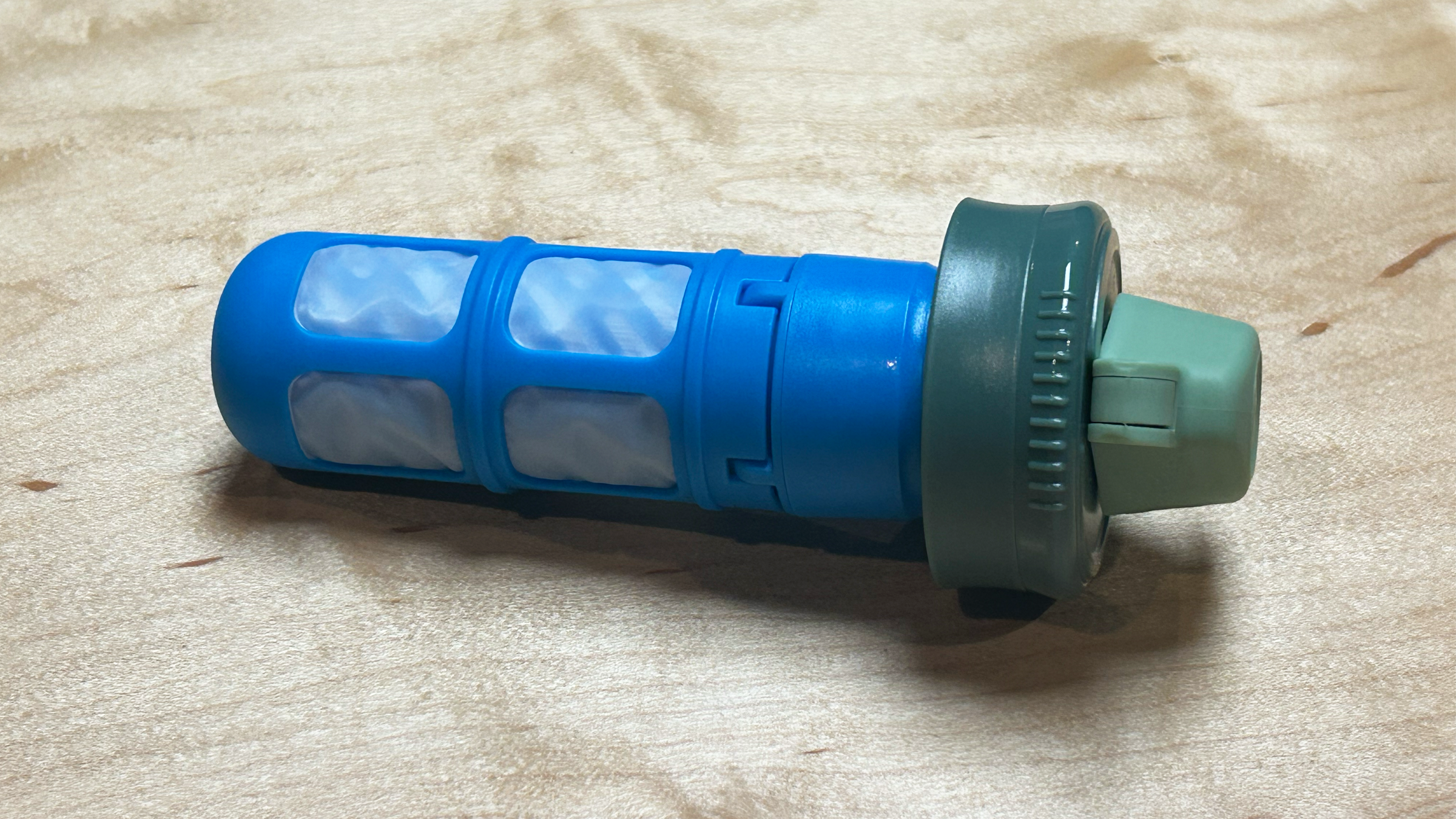
Water filtration remains one of the most critical yet often frustrating aspects of backcountry travel. At the OMA show, HydraPak unveiled the 2027 iteration of its 42-MM Filter Cap, a product that addresses the long-standing grievances of the long-distance hiking community. The current market for squeeze filters has been dominated by products that, while effective, often require cumbersome maintenance tools like plastic syringes to maintain flow rates.
The new 42-MM Filter Cap, priced at an accessible $28, introduces a weight reduction to 1.4 ounces and incorporates a specialized backflush adapter. This adapter allows users to screw the filter directly onto a clean water bottle, utilizing the bottle’s own pressure to clear the hollow fiber membranes. Perhaps more significant is the introduction of a clip-on pre-filter. In silty or high-sediment environments, such as the glacial rivers of the Pacific Northwest or the desert potholes of the Southwest, standard filters often clog prematurely. The HydraPak mesh pre-filter acts as a primary defense, capturing larger particulates before they reach the delicate internal fibers.
From a sustainability perspective, HydraPak confirmed that beginning in 2028, they will offer standalone filter replacements. This move is expected to reduce plastic waste significantly, as users will no longer need to purchase an entirely new cap assembly when the filter reaches the end of its lifespan. This modular approach reflects a broader industry trend toward "right-to-repair" and component longevity.
Disrupting the Ultralight Market: The Kelty Early Start 2 Strategy
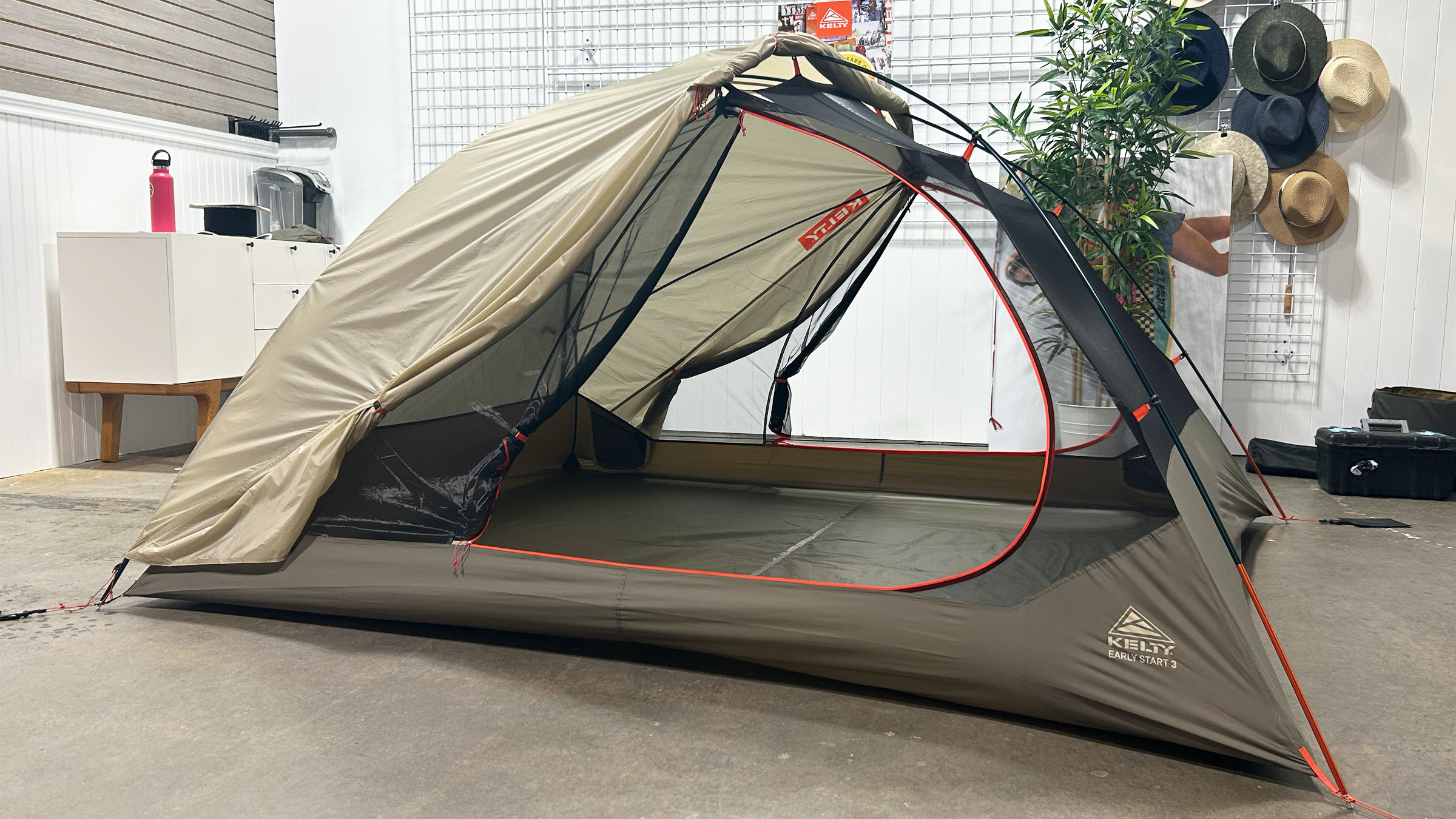
For decades, the ultralight tent market has been bifurcated: consumers could choose between heavy, affordable entry-level shelters or gossamer, high-performance tents costing upwards of $600. Kelty’s announcement of the Early Start 2 tent at the OMA show represents a direct challenge to this status quo.
The Early Start 2 is positioned to disrupt the market with a trail weight of 2 pounds, 10 ounces and a retail price of $280. To put this in perspective, this weight puts the Kelty in direct competition with "Big Three" staples like the Big Agnes Copper Spur UL2 and the NEMO Dragonfly, both of which typically retail for nearly double the price. Kelty has achieved this by optimizing the pole geometry and utilizing modern, lightweight fabrics that were previously reserved for premium lines.
Technical features of the Early Start 2 include "short-segment" poles, a design choice specifically catering to the burgeoning bikepacking community, where handlebar bag space is at a premium. The tent also features a "stargazing" rainfly, which can be partially retracted for ventilation and views but deployed quickly from the interior if weather conditions deteriorate. This focus on "value-engineered" ultralight gear suggests that the 2027 season will see a democratization of lightweight backpacking, making high-mileage days more attainable for budget-conscious hikers.
Thermal Efficiency and the Physics of Sleep: Rab and Sea to Summit
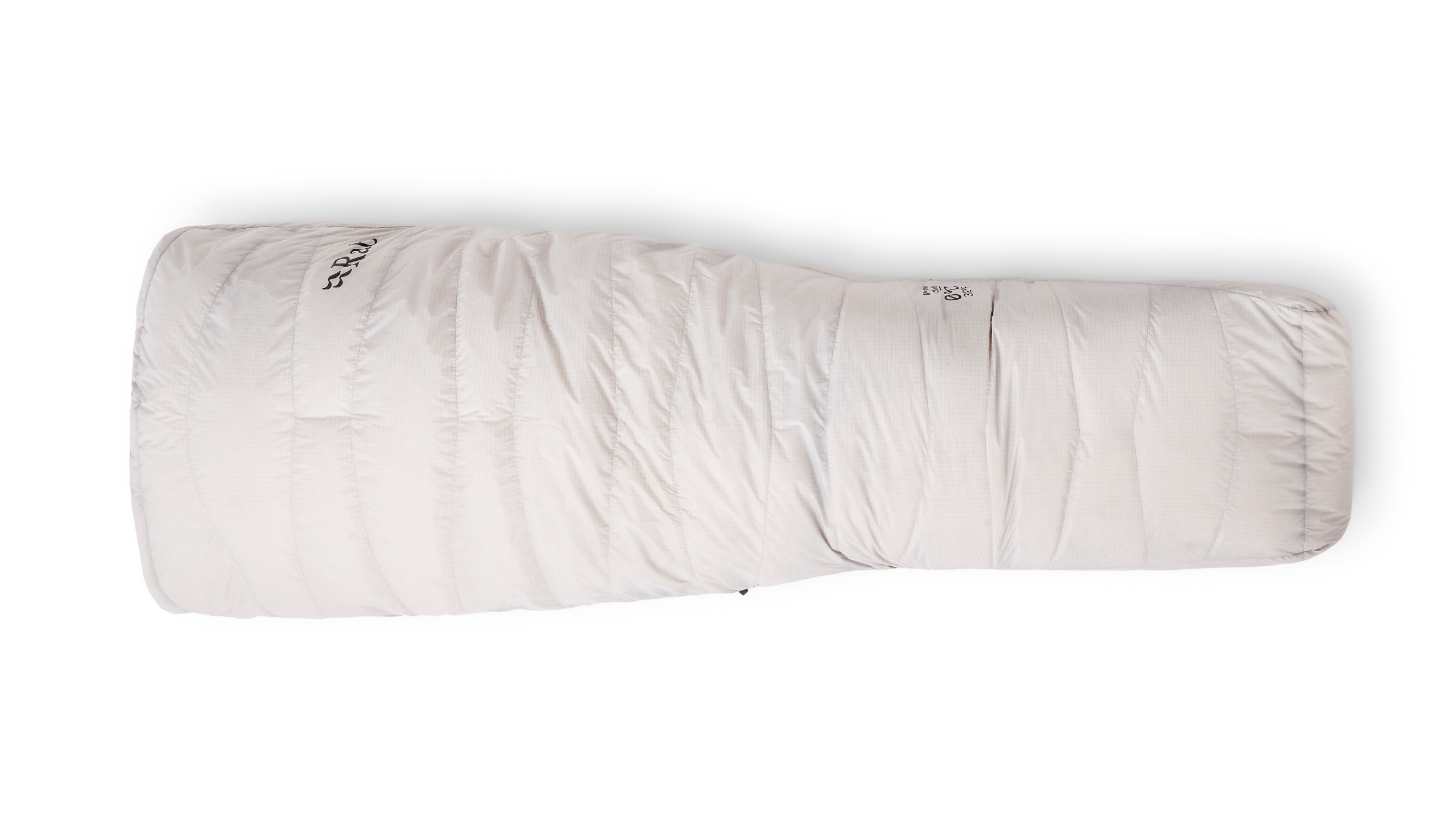
The OMA show also highlighted significant leaps in insulation technology. Rab, a brand synonymous with high-altitude mountaineering, showcased the Mythic Quilt 32F. At 13.8 ounces, the quilt sets a new benchmark for warmth-to-weight ratios in the 30-degree Fahrenheit category.
The Mythic Quilt utilizes 900-fill-power goose down treated with a fluorocarbon-free hydrophobic finish. However, the real innovation lies in the "TILT" (Thermo Ionic Lining Technology) and the twisted helix baffle design. TILT acts as a heat-reflective barrier, bouncing radiant body heat back toward the sleeper, while the helix baffles ensure that the down remains lofted and evenly distributed even as the sleeper moves. This technical combination allows Rab to use less down to achieve the same thermal rating as heavier competitors, effectively "bending" the practical limits of ultralight insulation.
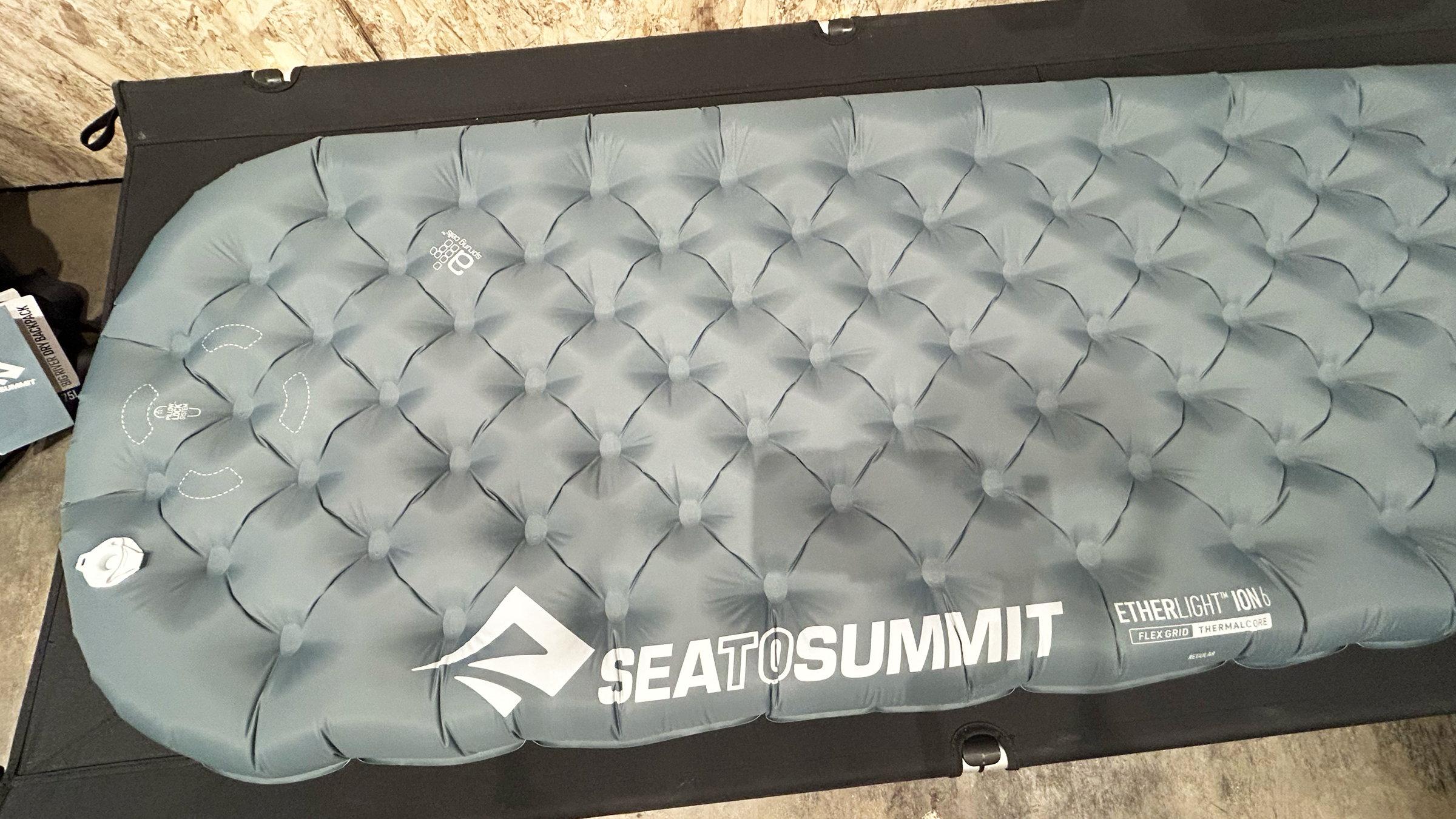
Simultaneously, Sea to Summit introduced its new Ion sleeping pad line, the successor to the well-regarded XR series. Historically, Sea to Summit pads have been praised for comfort due to their "Air Sprung Cell" construction but have lagged behind competitors like Therm-a-Rest in terms of the weight-to-R-value ratio. The Ion line aims to close this gap. The Ultralight Ion 5 features an R-value of 5—suitable for four-season use—while weighing only 11.5 ounces.
This was achieved through a proprietary "TPU skeleton" design. By reinforcing only the dot welds of the quilted baffles with TPU rather than using a full internal sheet, Sea to Summit stripped away unnecessary weight without compromising the structural integrity of the pad. The use of 20-denier fabric further reduces bulk, though it remains to be seen how this thinner material will hold up against the rigors of long-term field use.
The Post-PFAS Era: Norrona’s High-Breathability Breakthrough
One of the most significant challenges facing the outdoor industry in 2026 is the transition away from "forever chemicals" (PFAS) in waterproof membranes. The discontinuation of Gore-Tex ShakeDry in 2023 left a void in the market for high-output athletes who require maximum breathability. Norrona’s Senja Driflex 3 Lightweight Jacket, debuted at OMA, appears to be the first true successor to that technology.
The Senja Driflex 3 is a three-layer jacket that boasts a staggering breathability rating of 50,000 g/m²/24h and a waterproof rating of 20,000mm. For trail runners and fastpackers, these numbers represent the "holy grail" of moisture management. The jacket weighs 5.6 ounces and utilizes a 15-denier polyester face fabric paired with a 7-denier nylon backer. By mimicking the performance of ShakeDry without the environmental baggage of PFAS, Norrona is setting a new standard for technical shells. The inclusion of mechanical venting (pit zips) on a jacket this light further emphasizes its design for high-exertion activities in inclement weather.
Footwear and the "Race Day" Philosophy: The Lowa Paceterra Pro
In the footwear category, Lowa introduced the Paceterra Pro, a shoe that signals a shift toward specialized, high-performance "race day" gear for the trail. Weighing in at 7.3 ounces per shoe with a 6-millimeter drop, it is currently the lightest trail runner in its class.
The Paceterra Pro’s design is a masterclass in minimalist engineering. It features a "strobel-free" construction, where the midsole is bonded directly to the upper to eliminate weight and increase ground feel. The upper is constructed from Matryx mesh—a high-tenacity material reinforced with Kevlar—while the outsole uses Vibram’s MegaGrip Litebase technology.
However, Lowa was transparent about the trade-offs involved in such extreme weight reduction. The shoe has an estimated lifespan of approximately 180 miles. This distinguishes it from "thru-hiking" shoes designed to last 500 miles and places it firmly in the category of competitive racing equipment. This transparency reflects a growing honesty in the industry regarding the lifespan of ultralight materials.
Broader Impact and Industry Implications
The innovations showcased at the 2026 OMA Media Show suggest a 2027 market that is more segmented than ever before. On one hand, brands like Kelty and HydraPak are focusing on affordability and longevity, ensuring that the "average" hiker can access high-quality gear. On the other hand, brands like Rab, Norrona, and Lowa are pushing into the "ultra-premium" space, utilizing exotic materials and complex engineering to shave grams for the most demanding users.
Furthermore, the shift toward PFAS-free materials and modular replacement parts indicates that environmental sustainability is no longer a niche marketing point but a foundational requirement for manufacturing. As these products move from the showroom to the testing phase over the coming months, the outdoor industry will be watching closely to see if these "future" technologies can withstand the reality of the trail. The 2027 season is shaping up to be a year of transition, where the limits of weight and performance are redefined once again.
Related posts: