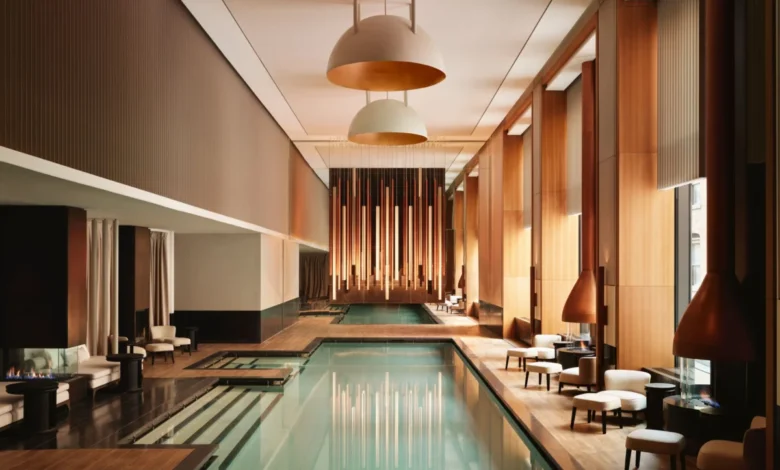
The architecture of aquatic leisure has long favored the sun-drenched, open-air resort pool. Outdoor basins flanked by manicured lawns, infinity edges spilling into tropical oceans, and sprawling sundecks have traditionally dominated travel brochures and luxury marketing campaigns. However, a significant shift in high-end hospitality design has placed indoor pools at the forefront of architectural innovation. Far from the sterile, chlorine-heavy environments of municipal athletic clubs or community fitness centers, modern luxury hotels are transforming subterranean and high-rise indoor spaces into breathtaking sanctuaries of design, engineering, and wellness.

Designing an indoor swimming facility that avoids the acoustic pitfalls of echoing chambers, high humidity, and overpowering chemical odors requires extraordinary architectural foresight. Modern hoteliers and structural engineers are increasingly collaborating to overcome these hurdles, utilizing advanced ventilation systems, acoustic baffling, and natural materials to create serene environments that rival their outdoor counterparts. From subterranean thermal baths heated by natural geothermal springs to glass-walled sanctuaries perched on the top floors of skyscrapers overlooking sprawling metropolitan skylines, these indoor aquatic features offer distinct advantages that outdoor pools simply cannot match: complete climate control and year-round usability, regardless of seasonal inclement weather in destinations like New York, Paris, or London.

The Evolution of Luxury Indoor Aquatic Design
The historical precedent for indoor bathing dates back to ancient Roman bathhouses, where hypocaust heating systems warmed floors and water to create communal spaces for relaxation and socialization. Over the centuries, indoor swimming evolved primarily out of necessity—first as athletic training facilities, later as health club amenities, and eventually as status symbols for urban grand hotels that lacked the square footage for sprawling outdoor courtyards.

In recent decades, however, the proliferation of wellness tourism has driven an unprecedented surge in demand for holistic travel experiences. According to the Global Wellness Institute, wellness tourism is one of the fastest-growing sectors in the global travel industry, with travelers increasingly seeking out properties that prioritize physical and mental rejuvenation. Within this landscape, the hotel pool has transformed from a simple recreational amenity into the literal and figurative heart of the property’s wellness ecosystem.

Architects working on contemporary luxury hotels face unique structural challenges when integrating large volumes of water into multi-story urban buildings or fragile natural landscapes. Weight distribution is a primary concern; a standard swimming pool holds hundreds of thousands of pounds of water, requiring immense structural reinforcement—often utilizing post-tensioned concrete and complex steel trusses—to integrate safely into high-rise superstructures or historic retrofits. Additionally, managing indoor humidity levels requires sophisticated HVAC engineering to prevent condensation, structural corrosion, and mold growth, ensuring that the visual aesthetic of exposed brick, natural stone, or polished wood remains pristine over decades of heavy use.

Global Masterpieces: From Subterranean Spas to Skyline Sanctuaries
A survey of the world’s most acclaimed hospitality properties reveals a diverse spectrum of indoor pool engineering, each tailored to its specific geographic and cultural context.

In urban centers where real estate carries a monumental premium, architects often look downward or upward. Subterranean wellness spaces, such as those found in flagship properties across Manhattan and London, leverage the quiet seclusion of the earth to create immersive, cave-like atmospheres. Stripped of natural light, these spaces rely on masterfully orchestrated lighting design—utilizing recessed warm-toned LEDs, candlelit perimeters, and subterranean water reflections—to foster a profound sense of tranquility. Conversely, high-rise urban hotels often construct glass-enclosed pools on upper-floor mechanical or wellness levels, offering swimmers panoramic views of cityscapes hundreds of feet below. These sky-high aquatic rooms require specialized wind-load engineering and UV-filtering architectural glass to protect bathers from intense solar glare while maintaining unobstructed sightlines.

In contrast, properties situated in geographically rich regions—such as parts of Mexico, Vietnam, and Central Europe—frequently integrate natural elements directly into the pool’s architecture. Utilizing natural hot springs, mineral-rich thermal waters, and locally sourced stone, these indoor-outdoor hybrid spaces blur the boundary between the built environment and the surrounding landscape. By channeling geothermal energy, these pools reduce their reliance on mechanical heating systems, aligning with broader corporate sustainability initiatives that are becoming increasingly vital to luxury travelers.

The Criteria of Excellence: How Elite Properties Are Evaluated
The curation of the world’s finest hotel pools involves rigorous evaluation by travel journalists, architectural critics, and hospitality experts. Selecting properties that transcend standard accommodation requires examining a multifaceted set of criteria that go beyond mere visual appeal.

Industry authorities, including global travel publications and architectural boards, assess hotel pools based on an uncompromising matrix of design integrity, historical or cultural context, engineering innovation, service standards, and sustainability credentials. A truly exceptional indoor pool must offer an authentic sense of place. Whether it reflects the minimalist wabi-sabi aesthetic of a Japanese ryokan or the grand neoclassical proportions of a European palace hotel, the design must communicate a distinct narrative connected to its destination.

Furthermore, operational sustainability has become a critical benchmark in modern hospitality assessments. With growing global awareness surrounding water scarcity and energy consumption, elite properties are heavily scrutinized for their environmental impact. Leading hotels now employ advanced filtration systems—such as ultraviolet and ozone purification technologies—which significantly reduce the need for harsh chemical treatments like chlorine. Additionally, heat-recovery systems capture thermal energy from greywater and ventilation exhaust to warm the pool water, drastically reducing the property’s overall carbon footprint.

Economic and Strategic Implications for the Hospitality Industry
The substantial capital investment required to construct and maintain a world-class indoor pool yields significant strategic advantages for luxury hoteliers. In competitive metropolitan markets where room rates often command premium pricing, unique wellness amenities serve as powerful differentiators.

Travel industry data consistently indicates that high-net-worth travelers prioritize wellness offerings when selecting accommodations. Properties that feature iconic architectural elements—such as a legendary subterranean pool or a glass-bottomed cantilevered lap pool—frequently experience higher occupancy rates during off-peak and winter seasons. These amenities generate significant earned media through travel journalism, architectural publications, and digital platforms, cementing the hotel’s status as a cultural and design destination rather than a mere place to sleep.

Moreover, the presence of an exceptional indoor pool enhances secondary spending within the property. Guests utilizing the pool frequently patronize adjacent spa facilities, wellness clinics, and high-end dining venues, maximizing the revenue potential per available guest. As the definition of luxury continues to evolve away from traditional markers of opulence toward holistic well-being, privacy, and architectural mastery, the indoor pool remains a definitive symbol of elite hospitality craftsmanship.

Ultimately, the resurgence and elevation of the indoor pool demonstrate that physical constraints—whether imposed by dense urban zoning, historic preservation laws, or inclement weather—can serve as catalysts for extraordinary creativity. By turning potential architectural liabilities into triumphs of engineering and design, the world’s leading hotels have redefined what it means to take a swim, elevating a simple aquatic exercise into an unforgettable journey of the senses.