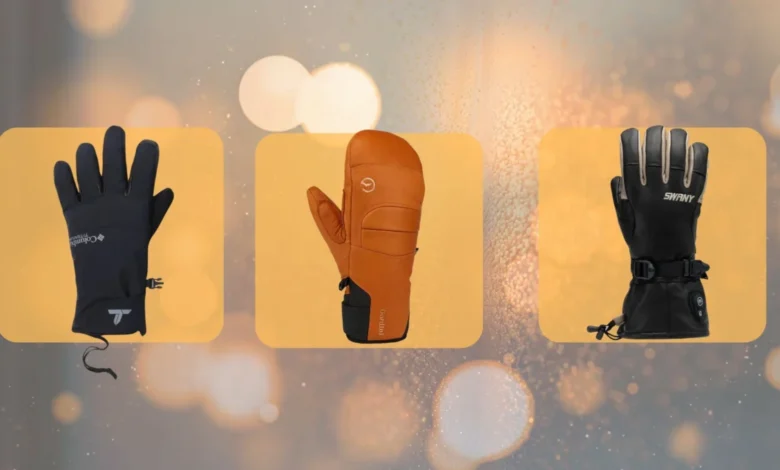
As the 2026-2027 winter season commences, outdoor enthusiasts and professional skiers are confronting the persistent challenge of maintaining manual dexterity while mitigating the risks associated with prolonged exposure to sub-zero temperatures. Poor peripheral circulation and the physiological demands of high-altitude alpine environments necessitate specialized hand protection. According to recent performance testing conducted by industry experts and veteran editors at SKI magazine, the selection of appropriate handwear has evolved beyond simple insulation, integrating advanced aerospace-grade materials, ergonomic design, and sophisticated battery-integrated heating systems.

The Science of Thermal Regulation in Alpine Environments
The physiological response to extreme cold is well-documented; when ambient temperatures drop, the body initiates peripheral vasoconstriction, diverting blood flow from the extremities to preserve core organ function. This survival mechanism is the primary cause of cold-induced numbness among winter athletes. Modern glove technology seeks to counteract this through a three-tiered defense strategy: a moisture-wicking inner lining, a highly efficient thermal insulation layer, and a robust, weather-resistant outer shell.
Market data indicates that consumer preferences are shifting toward high-performance mittens for extreme cold, as they offer superior thermal retention by allowing fingers to share body heat. Conversely, technical gloves remain the standard for applications requiring high dexterity, such as operating complex ski bindings or smartphone interfaces.

Chronology of Innovation in Winter Handwear
The evolution of winter gear has been punctuated by significant technological milestones. In the early 2010s, the focus was primarily on synthetic insulation improvements, such as the widespread adoption of PrimaLoft Gold. By 2020, the industry began integrating miniaturized lithium-ion batteries and carbon-fiber heating elements. As of late 2026, the current state-of-the-art involves "smart" heat distribution, where heating elements are routed specifically to the fingertips—the most vulnerable part of the hand—rather than just the back of the hand.
Evaluation of Leading Thermal Protection Gear
In collaboration with technical testers, the following products have been identified as the industry benchmarks for the 2026-2027 season based on thermal output, material durability, and ergonomic performance.

Mainers Mitts: Industrial-Grade Insulation
The Mainers Mitts represent a unique intersection between industrial safety and recreational sports. Manufactured by Tempshield—a company with a primary portfolio in cryogenic protection for laboratory environments—these mittens utilize recycled featherless 3M Thinsulate. Testing confirmed that the inclusion of a Gore-Tex liner provides essential moisture management, a critical factor in preventing "sweat-freeze," where internal moisture cools the skin rapidly. Despite a required break-in period for the goat leather shell, the mitts provide a level of thermal stability consistent with gear used in -200°F industrial settings, albeit optimized for the significantly milder conditions of a mountain resort.
LEKI Griffin Pro Zero: The Dexterity Specialist
For athletes requiring tactical precision, the LEKI Griffin Pro Zero offers a balanced profile. Utilizing PrimaLoft Gold insulation, this glove achieves high thermal density without the bulk typically associated with extreme-cold gear. While the glove is rated as water-resistant rather than waterproof, its primary value lies in its tactile feedback. The integration of a neoprene backing and full leather palm ensures that the glove remains supple, even after repeated exposure to wind chill, making it the preferred choice for competitive and advanced recreational skiers.

Gordini Alp Pro Mitt: Advanced Material Hybridization
The Gordini Alp Pro Mitt distinguishes itself through the use of waxed leather, a traditional material that has seen a resurgence due to its inherent weather-repelling properties and durability. The hybrid insulation, consisting of both down and high-pile fleece, provides a sophisticated thermal gradient. Field reports indicate that this combination allows the mitt to remain breathable during high-output activity while maintaining warmth during chairlift intervals. However, the maintenance requirements for waxed leather necessitate careful care, as traditional washing methods can compromise the material’s structural integrity.
Columbia PowBound: Economic Accessibility
Addressing the need for accessible high-performance gear, the Columbia PowBound glove offers a standardized solution for the average consumer. By utilizing 200g of recycled polyester insulation and an articulated goatskin palm, the glove provides sufficient protection for standard resort conditions. The inclusion of wrist leashes—a feature often reserved for premium models—underscores the product’s focus on user utility and loss prevention. While the material lifespan is projected to be shorter than that of high-end leather competitors, the product serves as a vital entry point for durable winter protection.

Hestra Fall Line: Rugged Durability
Hestra remains a dominant force in the professional sector. The Fall Line model is frequently cited for its "burly" construction, utilizing heavy-duty cowhide and a modular liner system. The ability to remove the liners not only facilitates cleaning but also allows for faster drying times, a critical factor for multi-day backcountry excursions. The inclusion of seam-taped finger construction significantly reduces pressure points, an often overlooked detail that becomes critical during the repetitive gripping of ski poles.
Heated Technology: Active Thermal Management
The integration of active heating systems represents the most significant shift in the market for users with pre-existing circulation issues or those operating in extreme conditions.

- Swany Nexus Heated Glove: As the market leader in the heated category, the Nexus model utilizes proprietary "ewool" technology. The decision to integrate charging ports directly onto the cuff, eliminating the need to remove batteries, addresses one of the primary points of failure and inconvenience in earlier heated gear. While the lack of touchscreen compatibility is a drawback, the battery efficiency—offering up to 8 hours on low settings—remains the industry standard for full-day excursions.
- Outdoor Research Sureshot: Targeting the "urban-alpine" segment, the Sureshot is designed for lower-intensity environments such as winter commuting or spectating. By prioritizing a low-profile aesthetic and full touchscreen compatibility, Outdoor Research has created a product that bridges the gap between technical ski gear and daily winter apparel.
Broader Industry Implications and Future Outlook
The current trend in winter handwear suggests a move toward "modular" and "smart" systems. Manufacturers are increasingly under pressure to adopt sustainable practices, as evidenced by the widespread transition to recycled polyester and featherless insulation.
From an economic perspective, the market is bifurcating. One sector focuses on extreme-durability, repairable gear (such as the Hestra or Gordini models) intended to last a decade or more, while the other focuses on high-tech, battery-dependent systems that offer immediate comfort but have a shorter lifecycle due to battery degradation.

The implications for the consumer are clear: the selection of handwear should be dictated by the specific activity profile. For the high-output, backcountry skier, moisture management and material longevity are paramount. For the resort skier with circulation sensitivities, the industry has successfully pivoted toward active, rechargeable heating solutions that effectively neutralize the environmental challenges of extreme cold. As the 2026-2027 season progresses, the integration of these technologies will likely continue to raise the baseline of what users expect from their winter gear, forcing manufacturers to further refine the balance between thermal protection, dexterity, and environmental impact.