The modern automotive landscape is undergoing a silent, code-driven revolution that is fundamentally altering what it means to own and operate a motor vehicle. For more than a century, the automobile was defined by its mechanical anatomy: internal combustion engines, complex transmissions, hydraulic braking systems, and interconnected wiring harnesses. Today, however, the industry is pivoting toward the concept of the software-defined vehicle (SDV), transforming cars from hardware-heavy machines into rolling computers.
This technological shift mirrors the evolution of the mobile phone industry from basic cellular devices to smartphones. Where consumers once purchased a vehicle with a fixed set of capabilities that remained static throughout its operational lifespan, modern motorists increasingly encounter cars that evolve through over-the-air (OTA) updates. A vehicle might leave the factory floor with dormant hardware capabilities that are unlocked months or years later via a digital patch, or it might receive performance enhancements, user interface overhauls, and security patches while parked in an owner’s driveway overnight.
While this digital transformation promises unprecedented convenience, personalization, and continuous improvement, it also introduces complex challenges regarding consumer rights, software longevity, cybersecurity, and subscription-based monetization models. Understanding the mechanics, history, and implications of the software-defined vehicle is critical for any consumer preparing to purchase their next automobile.
The Evolution of Automotive Computing: From a Single ECU to Distributed Networks
To understand how modern vehicles became reliant on millions of lines of code, one must examine the incremental computerization of the automobile over the past several decades.
In the early days of automotive computing, vehicles relied on a single computational component: the Engine Control Unit (ECU). Emerging in the late 1970s and proliferating through the 1980s and 1990s, the ECU replaced manual carburetors and mechanical fuel injection systems with microprocessors. Its primary mandate was optimizing fuel efficiency, engine timing, and emissions output to comply with increasingly stringent government regulations.

As consumer demand for comfort, safety, and performance grew, automakers could not simply upgrade the primary ECU. Instead, they added discrete, specialized computers to manage specific subsystems. The Transmission Control Unit (TCU) was introduced to govern automatic gear shifts with greater precision. Body Control Units (BCUs) emerged to manage peripheral features such as power windows, central locking, interior ambient lighting, and windshield wipers.
Concurrently, safety innovations—such as Anti-lock Braking Systems (ABS), Electronic Stability Control (ESC), and advanced driver-assistance systems (ADAS)—demanded their own dedicated control units and sensor arrays. By the 2010s, a luxury vehicle could easily house upwards of 70 to 100 distinct electronic control units supplied by dozens of different tier-one automotive vendors, each running proprietary firmware written in disparate programming languages.
This decentralized architecture created a logistical nightmare for automakers. Updating software or diagnosing systemic faults often required vehicle owners to visit a physical dealership service center, where technicians would plug diagnostic tools into the vehicle’s On-Board Diagnostics (OBD-II) port. Furthermore, the sheer complexity of managing dozens of isolated microcontrollers made it nearly impossible to introduce sweeping cross-functional feature upgrades after a vehicle had been sold.
The Rise of the Software-Defined Vehicle Architecture
The software-defined vehicle represents a radical departure from this fragmented approach. According to industry definitions established by technology leaders such as IBM, an SDV is a vehicle whose core operational functions, safety systems, entertainment features, and performance parameters are controlled, updated, and enhanced primarily through software rather than fixed, unalterable hardware components.
Rather than relying on dozens of isolated microprocessors, modern SDVs consolidate computing power into a centralized domain architecture or zonal computing framework. These powerful central processors handle multiple vehicle domains simultaneously—coordinating powertrain dynamics, infotainment, thermal management, and autonomous navigation features through a unified operating system.
This centralized computing power enables manufacturers to decouple hardware from software. Automakers can install robust, future-proofed hardware suites (including high-resolution cameras, radar arrays, lidar, and high-performance chips) into vehicles at the factory, even if the advanced software algorithms required to utilize them are still under development. Once the software matures, it can be deployed remotely via over-the-air updates.

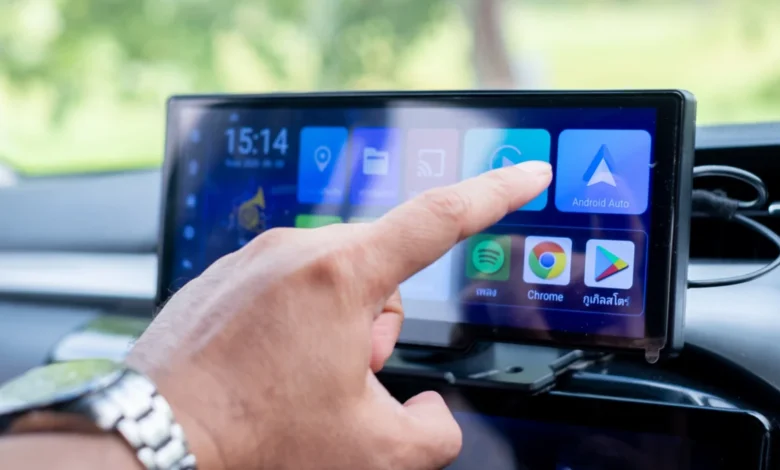
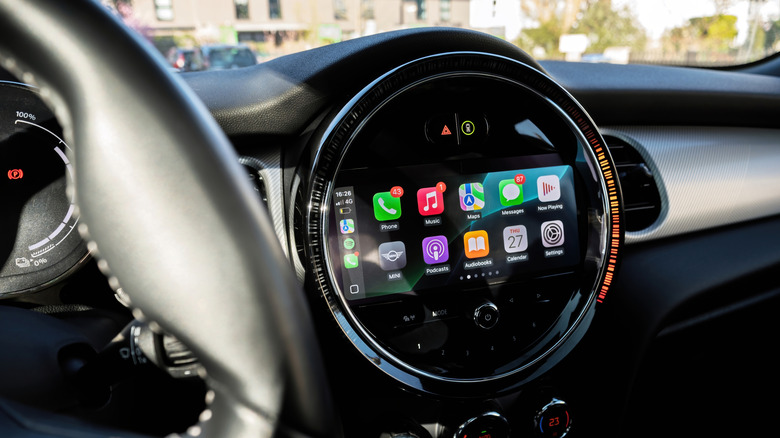
Prominent examples of this strategy are widespread across the industry. Companies like Lucid Motors have regularly utilized OTA updates to upgrade infotainment responsiveness, refine battery thermal management, and expand smartphone integration capabilities for Apple CarPlay and Android Auto. Similarly, Tesla pioneered the commercialization of continuous over-the-air vehicle improvement, deploying everything from minor user interface tweaks to significant active safety and semi-autonomous driving capability expansions long after vehicles had been delivered to customers.
Economic Implications: The Shift Toward Digital Subscriptions
The transition to software-defined vehicles has also unlocked new revenue streams for traditional automotive manufacturers, shifting their business models from one-time hardware sales to recurring service-based models.
By utilizing software locks, automakers can sell vehicles with physical hardware already installed—such as heated seats, premium audio amplifiers, or advanced driver-assistance capabilities—while requiring customers to pay an activation fee or recurring subscription to access them.
This practice has occasionally sparked intense consumer backlash. Most notably, BMW faced widespread public criticism when it attempted to implement monthly subscription fees for heated seats in select markets, a strategy the company ultimately scaled back following customer pushback. Despite such consumer resistance, legacy automakers and emerging EV startups alike continue to explore subscription models for semi-autonomous driving packages, enhanced navigation services, and performance boosts. Proponents argue that subscriptions allow buyers to customize their vehicle’s feature set dynamically and finance options over time, while critics view the practice as an unwelcome monetization of hardware they already physically own.
The Hidden Risks and Downsides of Software-Centric Cars
While the benefits of software-defined vehicles are substantial, the paradigm shift introduces critical vulnerabilities that impact vehicle safety, reliability, and long-term ownership value.
Cybersecurity and Critical Safety Vulnerabilities
Unlike desktop computers or smartphones, where a software crash typically results in an inconvenient reboot, a software failure in a moving automobile can have catastrophic, life-threatening consequences. As vehicles become deeply integrated with cellular networks, cloud platforms, and third-party applications, they also become potential targets for malicious cyberattacks. Security researchers have repeatedly demonstrated vulnerabilities in modern connected vehicles, highlighting the risk of unauthorized remote access to steering, braking, and propulsion systems. Ensuring that automotive codebases remain entirely bug-free and impervious to exploits is one of the most formidable engineering challenges facing the industry today.
The Power to Giveth and Taketh Away
The bidirectional nature of over-the-air updates means that automakers possess unprecedented control over vehicles long after purchase. Just as manufacturers can introduce new features overnight, they can also disable capabilities, alter performance parameters, or place existing functions behind new paywalls. Furthermore, software incompatibilities can occasionally render a vehicle temporarily inoperable during an update cycle, stranding owners or disrupting daily transit.
Software Obsolescence and Vehicle Lifespan
Perhaps the most sobering implication of the software-defined vehicle is the question of long-term support and obsolescence. Traditional internal combustion vehicles built decades ago retain their core mechanical functionality indefinitely, requiring only standard mechanical maintenance to remain operational.
In contrast, modern consumer electronics—such as smartphones and tablets—frequently lose software support and security updates after a few years due to rapidly advancing hardware and software standards. If automobiles follow a similar lifecycle trajectory governed by software lifespans, consumers may face a future where a mechanically sound car becomes functionally obsolete or unsafe to operate simply because the manufacturer has ceased issuing security patches or operating system updates. A vehicle purchased today with a projected twenty-year physical lifespan may encounter severe digital limitations long before its mechanical components wear out.
Industry Outlook and Future Trajectory
As the automotive industry races toward full electrification and higher levels of autonomous driving, the software-defined vehicle is no longer an experimental niche; it is becoming the undisputed industry standard. Traditional original equipment manufacturers (OEMs) are restructuring their corporate engineering divisions, partnering with major technology firms, and investing billions of dollars into proprietary operating systems to compete in this new frontier.
Ultimately, the success of the software-defined vehicle will depend on how the industry navigates the delicate balance between technological innovation and consumer trust. Automakers must address pressing concerns surrounding data privacy, cybersecurity resilience, fair pricing models, and long-term software support commitments. For consumers, the transition promises an automotive experience that is safer, smarter, and infinitely more customizable—provided the industry can ensure that our cars remain reliable, secure, and enduring investments on the open road.