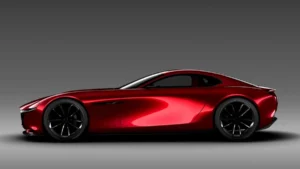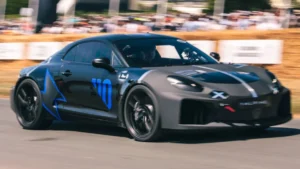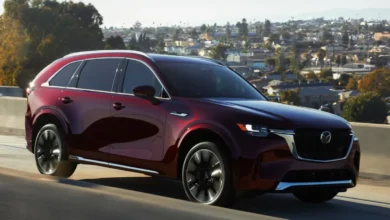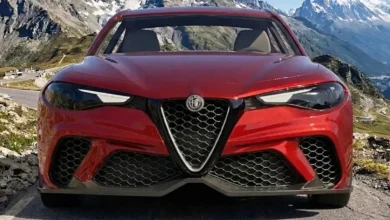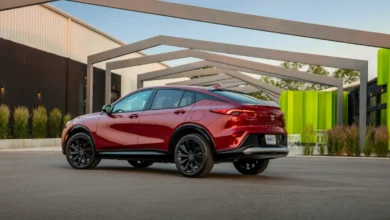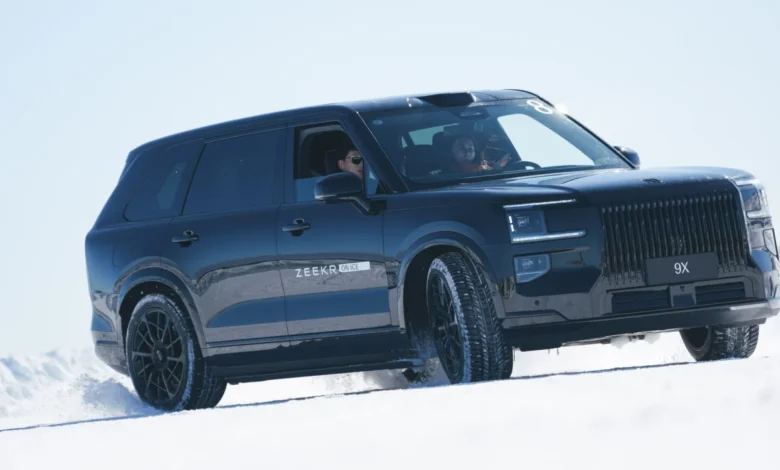
The global automotive landscape is undergoing a profound structural transformation, underscored by the newly released eligibility list for the 2027 World Car Awards. Out of 56 contenders vying for the coveted title of World Car of the Year, a striking 27 models hail from Chinese automotive brands. This unprecedented representation highlights the rapid technological maturation, aggressive global expansion, and escalating consumer acceptance of vehicles originating from China. While legacy manufacturers from Europe, Asia, and North America continue to field competitive entries, the sheer volume of Chinese contenders signals a definitive shift in the center of gravity for mainstream and electrified mobility.
Criteria and Eligibility for the 2027 World Car Awards
Securing a nomination for the World Car of the Year is no small feat. To qualify for consideration in the 2027 awards cycle, vehicles must meet stringent commercial and geographic benchmarks. Most notably, manufacturers must achieve a minimum global production volume of 10,000 units annually. Furthermore, vehicles must be priced below luxury-car thresholds within their primary domestic markets, ensuring that the contenders remain accessible to a broad demographic of buyers rather than existing strictly as low-volume exotics.
Geographic availability is another critical hurdle. Nominated vehicles must be actively on sale in at least two major global markets across a minimum of two distinct continents between January 1, 2026, and March 19, 2027. This requirement prevents region-locked prototypes or concept vehicles from entering the fray, ensuring that only commercially viable, mass-market-ready products are evaluated by the international jury panel.
A Diverse Field of Global Contenders
The initial roster spans multiple categories, including World Car of the Year, World Urban Car, World Luxury Car, and World Performance Car. While categories such as World Electric Vehicle and World Car Design of the Year are slated to confirm their official candidate pools at a later date, the early announcements provide a comprehensive look at the industry’s current trajectory.
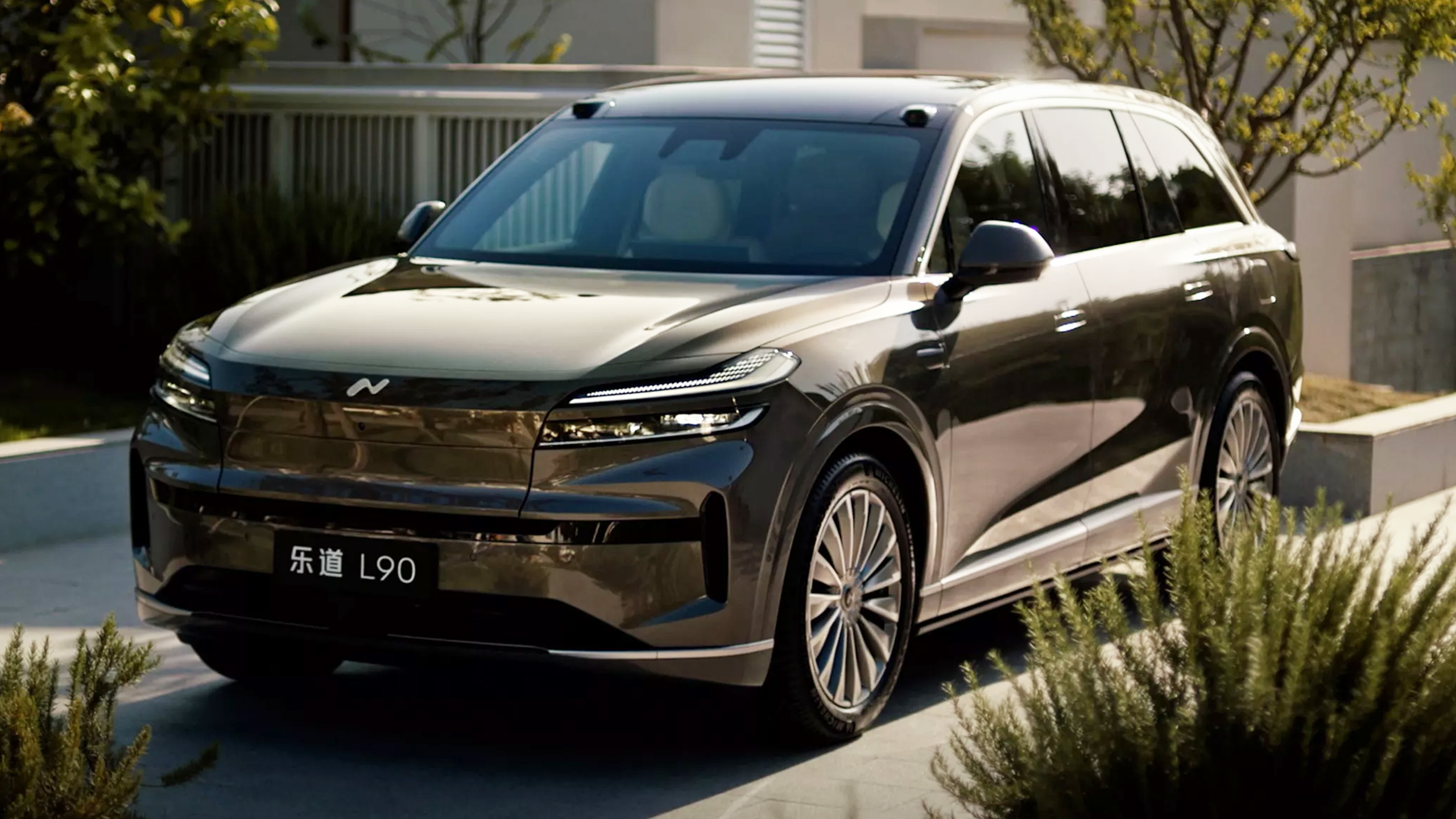
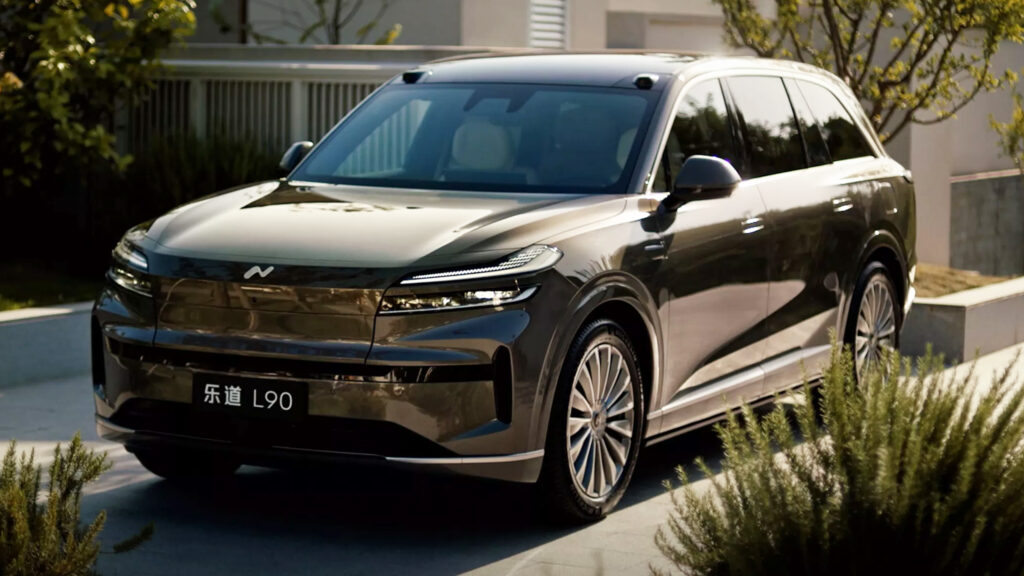
Among the 56 main contenders for the overarching World Car of the Year crown are a mix of traditional staples and rising challengers. Notable models on the list include the BMW i3, BYD Ti7, Chery Q, Cupra Raval, Deepal S07, Exeed RX, GAC Aion V, Geely Starray EM-I, Hyundai Ioniq 3, Jetour T2, Kia Telluride, Leapmotor T03, Lepas L6, Lynk & Co 900, Mazda CX-5, MG4 EV Urban, Onvo L90, Subaru Trailseeker, Volvo EX60, and the Zeekr 8X.

The diversity within the World Urban Car category is equally pronounced. Vehicles designed for dense metropolitan environments face off against compact crossovers, featuring models such as the Chery Q, Cupra Raval, Exeed Exlantix ET, Geely EX2, Hyundai Bayon, Hyundai Ioniq 3, iCaur V23, Kia EV2, Kia Syros EV, Leapmotor T03, and the Mercedes-Benz GLA.
In the executive and high-end segments, the World Luxury Car category features heavyweight contenders aiming to redefine comfort and technological innovation. The lineup includes the Audi Q7, Avatr 07, BMW X5, Genesis GV80 Hybrid, Jaguar Type 01, Polestar 5, Range Rover GT, Xpeng X9, and the Zeekr 9X. Meanwhile, the World Performance Car category showcases high-octane engineering through entries like the Chevrolet Corvette ZR1 and ZR1X, Genesis GV60 Magma, Kia EV4 GT, Lotus Eletre X, Lynk & Co 02, Zeekr 7GT, and the Porsche Cayenne Turbo Electric.
The Rise of Chinese Automakers on the World Stage
The dominance of Chinese nameplates in the 2027 eligibility pool is not an overnight anomaly; rather, it is the culmination of years of strategic investment in electric vehicle (EV) architectures, battery technology, and software integration. Brands operating under corporate umbrellas such as BYD, Geely, Chery, and SAIC have systematically dismantled historical barriers to entry in international markets.
By prioritizing vertical integration—particularly in battery manufacturing and semiconductor supply chains—these companies have achieved significant cost efficiencies. This financial advantage allows them to offer feature-rich, high-range electric and plug-in hybrid vehicles at price points that legacy Western and Japanese automakers struggle to match. Furthermore, accelerated research and development cycles have enabled Chinese manufacturers to update their product portfolios at a pace that far outstrips traditional automotive development timelines, which historically spanned five to seven years per generation.
The Conspicuous Absence of American Models
One of the most notable storylines emerging from the 2027 eligibility list is the surprisingly low representation of American automotive models. While domestic manufacturers continue to dominate specific segments within North America—such as full-size pickup trucks and large body-on-frame SUVs—their presence in global, multi-continent award races has noticeably thinned.
This scarcity can be attributed to several strategic and structural factors. Many American legacy automakers have recently recalibrated their electrification strategies, dialing back ambitious EV-only timelines in response to slower-than-anticipated consumer adoption curves and profitability pressures. Additionally, compliance with diverse regulatory frameworks across multiple continents presents significant homologation hurdles for vehicles engineered primarily for the North American market. As a result, fewer domestic models currently meet the dual-continent sales availability requirements necessary to secure a spot on the World Car Awards ballot.

Chronology and the Road to the Winner’s Podium
The evaluation process for the World Car Awards is rigorous and unfolds over several months. Jurors—consisting of over 100 distinguished international automotive journalists from around the globe—test, analyze, and score the eligible vehicles based on criteria including innovation, safety, design, performance, functionality, environmental impact, and value for money.
Following the initial announcement of the candidate pools, the timeline progresses through several key milestones:
- Late Autumn: Jurors narrow the initial candidate lists down to official shortlists in each category.
- Early Winter: A subsequent voting round determines the top three finalists for every category, generating global anticipation ahead of the winner reveal.
- March 24, 2027: The official winners across all categories will be formally announced during a dedicated ceremony, marking the culmination of the 2027 awards cycle.
Broader Industry Implications
The composition of the 2027 World Car Awards eligibility list serves as a reliable barometer of where the global automotive industry is heading. The heavy concentration of Chinese contenders reflects a broader market reality: manufacturing excellence and technological leadership are no longer the exclusive domain of traditional automotive powerhouses in Detroit, Munich, Tokyo, or Seoul.

For legacy manufacturers, the intense competition from Chinese brands serves as a potent catalyst for accelerated innovation and cost reduction. As regulatory pressures mount globally and consumer expectations for connectivity, efficiency, and autonomous-driving features evolve, the outcome of the 2027 awards will offer vital clues as to which automakers are successfully navigating the transition into a new era of personal mobility. Whether a Chinese newcomer, an established European luxury brand, or a resilient domestic contender ultimately captures the ultimate crown on March 24, 2027, the contest promises to be one of the most competitive and closely watched chapters in automotive history.