American Airlines has quietly advanced a pivotal chapter in its long-haul operational strategy, drawing renewed industry attention to the status, maintenance lifecycles, and eventual retirement timeline of its foundational widebody fleet, the Boeing 777-200. As global aviation continues to navigate fluctuating post-pandemic travel demands, shifting fuel costs, and complex supply chain headwinds for new aircraft deliveries, network planners at major carriers are re-evaluating how classic aircraft fit into modern route networks. The Boeing 777-200, which has served as the backbone of international long-haul operations for legacy carriers for nearly three decades, remains a vital tool for moving high volumes of passengers across oceans. However, as airlines modernise their offerings with more fuel-efficient twin-engine jets like the Boeing 787 Dreamliner and the Airbus A350, the clock is ticking for these pioneering widebodies.
The aviation landscape in late 2026 presents a unique set of economic and operational realities. Major network carriers are forced to balance the high capital expenditure of acquiring next-generation aircraft against the rising maintenance costs of sustaining older airframes. For American Airlines, managing its Boeing 777-200 fleet involves a delicate balancing act of schedule reliability, premium cabin consistency, and fleet harmonization. While the airline has integrated dozens of Boeing 787-8 and 787-9 aircraft into its hubs in Dallas/Fort Worth, Miami, Chicago, and Philadelphia, the 777-200 remains indispensable for specific high-density international corridors and select high-capacity domestic trunk routes.
Main Facts and Current Operational Status
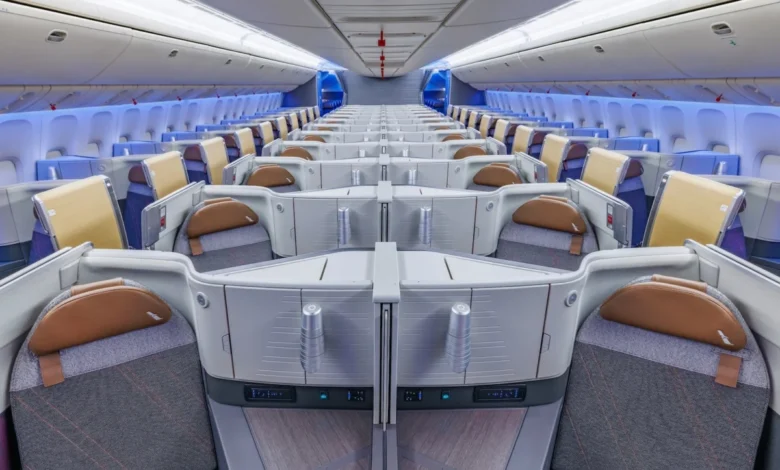
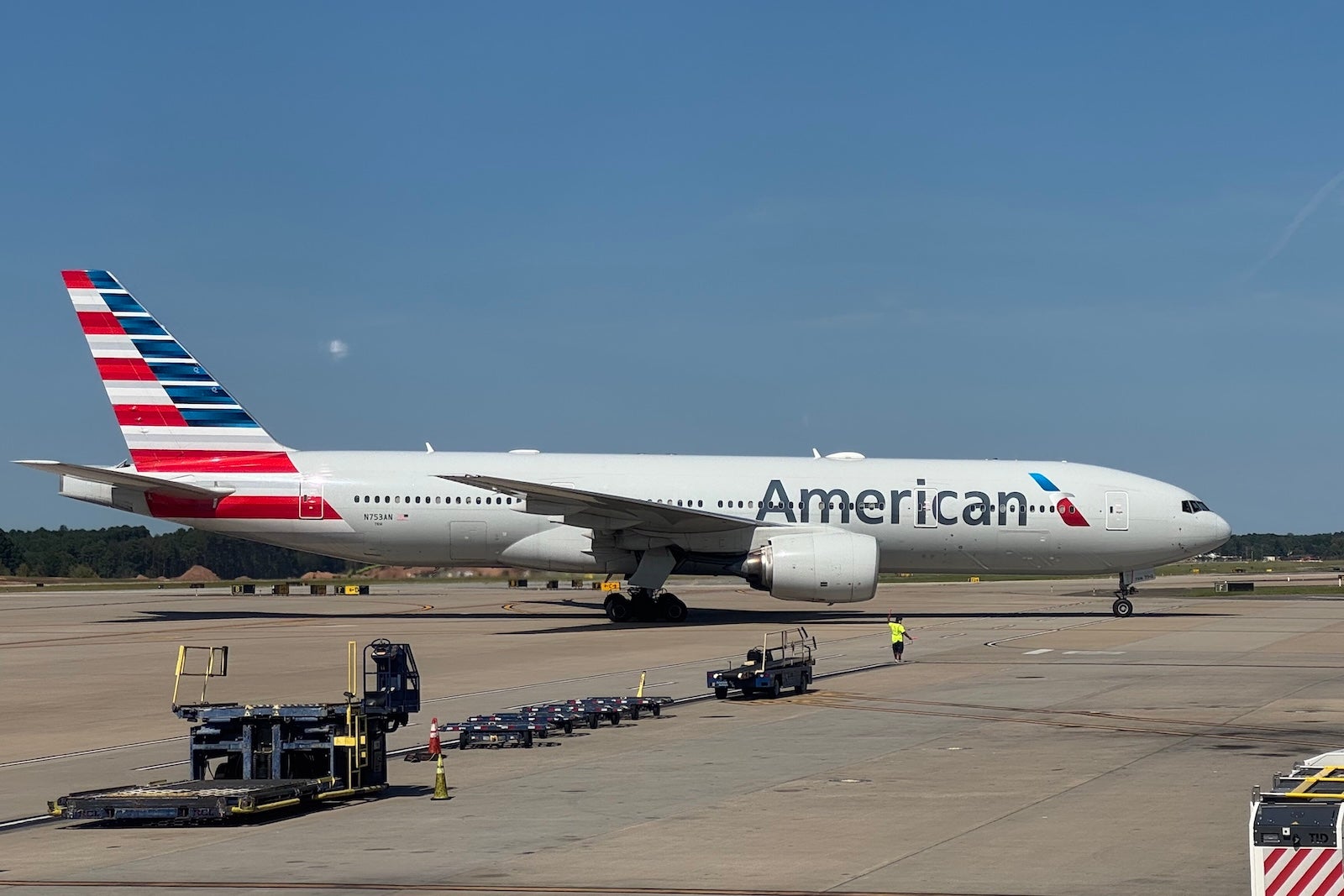
The operational footprint of the American Airlines Boeing 777-200 fleet spans numerous key international routes connecting the United States to Europe, South America, and the Caribbean, alongside high-demand domestic transcontinental paths. These aircraft, distinct from the larger, stretched Boeing 777-300ER variant, have undergone various interior refurbishments over the years to keep pace with evolving passenger expectations. Most notably, these planes feature the carrier’s Flagship Business product, premium economy cabins, and a standard main cabin configuration.
Despite their continued deployment, the average age of the Boeing 777-200 aircraft in active service with American Airlines hovers around 25 years. This longevity speaks to the robust engineering of the Boeing airframe, but it also highlights the pressing need for strategic fleet renewal. As maintenance intervals become tighter and heavy checks require more time in the hangar, airline leadership must carefully calculate the cost-benefit ratio of keeping these vintage jets certified and competitive.
The economics of operating older widebody aircraft are heavily influenced by fuel efficiency and maintenance expenditure. Newer generation widebodies offer fuel savings of approximately 20 to 25 percent compared to older twin-engine models like the early-generation 777s. With jet fuel price volatility remaining a persistent variable in airline operating margins, the pressure to transition toward modern, composite-material aircraft intensifies with each fiscal quarter. Nevertheless, ongoing delays in global aircraft manufacturing supply chains—affecting both Boeing and Airbus—have forced legacy carriers to extend the operational lifespans of older aircraft longer than originally anticipated in pre-pandemic fleet planning models.
Chronology of the Boeing 777-200 in Modern Aviation
To understand the current positioning of the Boeing 777-200 within American Airlines, it is necessary to examine the historical trajectory of the aircraft type and its integration into the carrier’s network.
The journey of the 777-200 at American Airlines began in the late 1990s. As a launch customer for the Boeing 777 program, American Airlines took delivery of its very first 777-200 (specifically the -200ER variant powered by Rolls-Royce engines) in the late winter of 1999. This delivery marked a generational shift away from older tri-jet and quad-jet aircraft, such as the McDonnell Douglas MD-11 and the Boeing 747, offering unprecedented twin-engine efficiency and transatlantic capability.
Throughout the 2000s and early 2010s, the 777-200 fleet formed the undisputed vanguard of American’s intercontinental expansion, establishing nonstop links from hubs like Dallas/Fort Worth and Chicago to major European financial capitals and emerging markets in Asia and South America. Following the 2013 merger between American Airlines and US Airways, the combined carrier inherited a massive, diversified widebody fleet, prompting a comprehensive standardization effort.
Between 2014 and 2018, American initiated a multi-million-dollar retrofit program for its Boeing 777-200ER fleet. This modernization effort saw the removal of older first-class cabins, the installation of next-generation lie-flat business class seats, and the introduction of main cabin extra seating. This phase aimed to harmonize the passenger experience across the widebody network while positioning the airline to compete effectively against aggressive international rivals.
By the early 2020s, the onset of the global health crisis triggered a temporary grounding of a significant portion of the widebody fleet. While many older, four-engine aircraft types globally were retired permanently during this period, the Boeing 777-200 largely survived the cull due to its lower operating costs relative to giants like the Airbus A380 and Boeing 747-400, as well as cargo demand that kept select airframes flying. As travel rebounded strongly through 2023, 2024, and 2025, these veteran jets were pressed back into heavy service to capture surging consumer demand while new aircraft delivery schedules faced persistent industry-wide delays.
Supporting Data and Fleet Metrics
Analyzing the structural composition of major airline widebody portfolios reveals the systemic reliance on transitional aircraft types. Industry data compiled through late 2026 illustrates the operational scale of the Boeing 777-200 relative to other long-haul assets in major U.S. fleets:
- Widebody Distribution: Out of a total widebody fleet comprising Boeing 777 and 787 variants, the Boeing 777-200ER subfleet accounts for a substantial percentage of American’s daily long-haul seat capacity.
- Average Airframe Age: The active 777-200 airframes operated by American boast an average age exceeding two decades, marking them as some of the oldest active long-haul passenger jets in the airline’s standard scheduling matrix.
- Seating Configurations: Standardized layouts typically feature approximately 37 to 45 lie-flat business class suites, alongside varying counts of premium economy, main cabin extra, and standard economy seats, totaling roughly 273 to 289 passengers per aircraft depending on the specific interior sub-type.
- Replacement Pipeline: Firm orders and delivery slots for Boeing 787 Dreamliners and upcoming widebody additions serve as the ultimate replacement mechanism, though exact retirement dates fluctuate based on heavy maintenance scheduling and quarterly capacity optimization.
These metrics underscore the engineering resilience of the twin-engine widebody concept. However, they also highlight the narrowing window before structural fatigue and regulatory mandates necessitate comprehensive retirement programs or expensive structural overhauls.
Official Responses and Industry Perspectives
While airline executives rarely telegraph exact retirement dates far in advance to avoid disrupting passenger bookings or signaling weakness to competitors, recent financial earnings calls and investor day presentations provide clear insight into fleet strategy. Leadership at American Airlines has consistently emphasized a disciplined approach to capital allocation, prioritizing balance sheet health and operational flexibility.
Speaking on condition of anonymity due to the proprietary nature of ongoing fleet planning, industry analysts and former network strategy consultants note that legacy carriers are managing a delicate balancing act. "The Boeing 777-200 has been a legendary workhorse, but it occupies a transitional space in modern network design," noted one veteran aviation analyst. "Airlines want a clean, homogenous fleet of modern composite jets like the 787 or Airbus A350 because the maintenance economics and fuel burn profiles are simply superior. The challenge is that demand remains so robust that retiring any widebody prematurely leaves revenue on the table, especially when manufacturers cannot deliver new airframes fast enough."
Furthermore, pilot unions and maintenance technicians maintain a close watch on aging widebody fleets. Representatives for aviation labor organizations frequently stress that safety and reliability remain paramount, requiring rigorous adherence to inspection protocols as aircraft cross significant flight-hour and flight-cycle milestones. Maintenance facilities, both internal and outsourced, continue to allocate dedicated hangar space to perform complex structural checks on these veteran aircraft, ensuring they meet the stringent airworthiness standards set by civil aviation authorities.
Broader Impact and Implications for Passengers
The evolution of the Boeing 777-200 fleet carries direct consequences for frequent flyers, premium travelers, and the broader commercial aviation market. As airlines progressively refine their long-haul deployment strategies, passengers will notice gradual shifts in the onboard product and route availability.
Passenger Experience and Cabin Consistency
For travelers accustomed to booking long-haul business class, the interior hard product on a Boeing 777-200 can differ noticeably from the airline’s flagship Boeing 777-300ER or the modern Boeing 787 Dreamliner. While American has worked to ensure that lie-flat seating is ubiquitous across its widebody fleet, minor variations in seat models, inflight entertainment system responsiveness, and cabin ambiance remain. The eventual phasing out of the 777-200 will ultimately streamline the customer experience, ensuring a more uniform premium offering across all transatlantic and transpacific services.
Network Flexibility and Route Economics
The retirement or reassignment of older widebodies also influences how airlines structure secondary international markets. The 777-200 offers a unique sweet spot of passenger capacity and cargo payload capability that makes it viable for routes that might not support the massive capacity of a larger aircraft, yet require more seats than a smaller twin-jet can provide. As these aircraft are gradually replaced by newer models—many of which offer optimized range and payload characteristics—network planners may find new opportunities to launch point-to-point international routes that were previously economically unviable.
Environmental Considerations
Sustainability targets represent another critical driver in the accelerated evaluation of older aircraft. Major global carriers have committed to aggressive carbon reduction milestones, including net-zero emissions goals by 2050, alongside intermediate reduction targets for the coming decade. Operating older, heavier aluminum-bodied aircraft runs counter to these environmental objectives. Transitioning capacity from older Boeing 777-200 airframes to cutting-edge, fuel-efficient widebodies delivers an immediate, quantifiable reduction in greenhouse gas emissions per available seat mile (ASM), supporting corporate sustainability mandates and satisfying environmentally conscious travelers and corporate clients.
Conclusion and Outlook
As American Airlines navigates the complex operational realities of the mid-2020s, the Boeing 777-200 remains a central fixture of its long-haul identity, bridging the era of classic twin-engine expansion with the modern age of ultra-efficient composite aviation. While the exact timeline for the final retirement of these venerable airframes will continue to be dictated by macroeconomic conditions, fuel price trends, and manufacturing delivery cadences, the strategic direction is clear. The gradual evolution of the fleet underscores an industry-wide transition toward modernization, efficiency, and enhanced passenger comfort. For now, these aviation workhorses continue to bridge continents, carrying millions of travelers across the globe as they write the final chapters of a distinguished operational history.