The Evolution of Global Connectivity: How Holafly Plans Are Redefining International Mobile Roaming

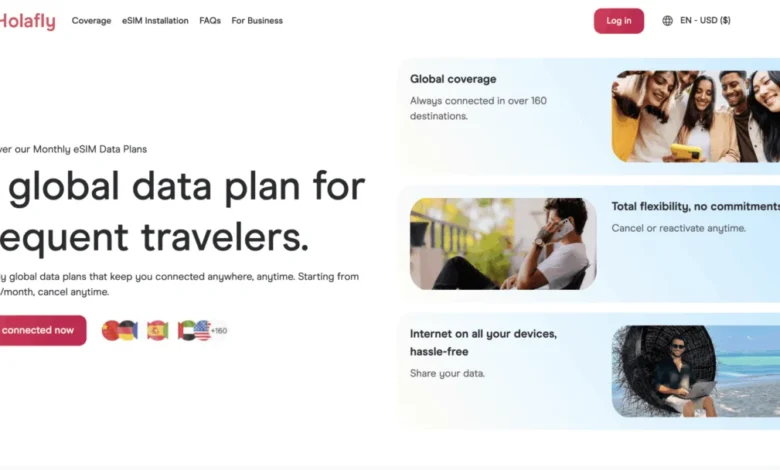
The landscape of international telecommunications is undergoing a significant transformation as the traditional reliance on physical SIM cards and restrictive roaming agreements continues to decline. As global mobility increases, particularly among digital nomads and frequent international travelers, the demand for seamless, software-based connectivity has surged. Holafly, a prominent player in the eSIM (embedded SIM) market, has recently introduced a new subscription-based product model, "Holafly Plans," designed to provide continuous, borderless mobile data across more than 160 countries. This shift represents a broader industry trend toward hardware-agnostic connectivity that prioritizes user convenience and cost-efficiency over the legacy structures of domestic mobile carriers.
The Technological Context of eSIM Integration
To understand the impact of this development, it is necessary to examine the evolution of eSIM technology. Unlike traditional physical SIM cards, which require manual insertion and compatibility with specific mobile devices, an eSIM is a digital SIM profile stored directly within the hardware of a modern smartphone. This technology allows users to activate a mobile plan by scanning a QR code or installing a profile via a carrier’s application.
The primary advantage of this architecture is the ability to manage multiple profiles on a single device simultaneously. Users can maintain their domestic phone number for calls and SMS while utilizing a secondary eSIM for international data, effectively bypassing the exorbitant roaming fees often charged by domestic providers. The market for these services has expanded rapidly, with research firm Juniper Research projecting that the number of installed eSIMs in connected devices will reach billions by 2027, driven largely by the travel and IoT (Internet of Things) sectors.
The Strategic Shift to Subscription-Based Connectivity
Holafly’s introduction of "Holafly Plans" marks a departure from the traditional "per-trip" model that has defined the company’s operations for years. Historically, users purchased individual eSIM packages tailored to specific countries or regions for a set duration. While effective for short-term vacations, this model presents logistical hurdles for long-term travelers, who must repeatedly purchase new data packages and install new profiles as they cross international borders.

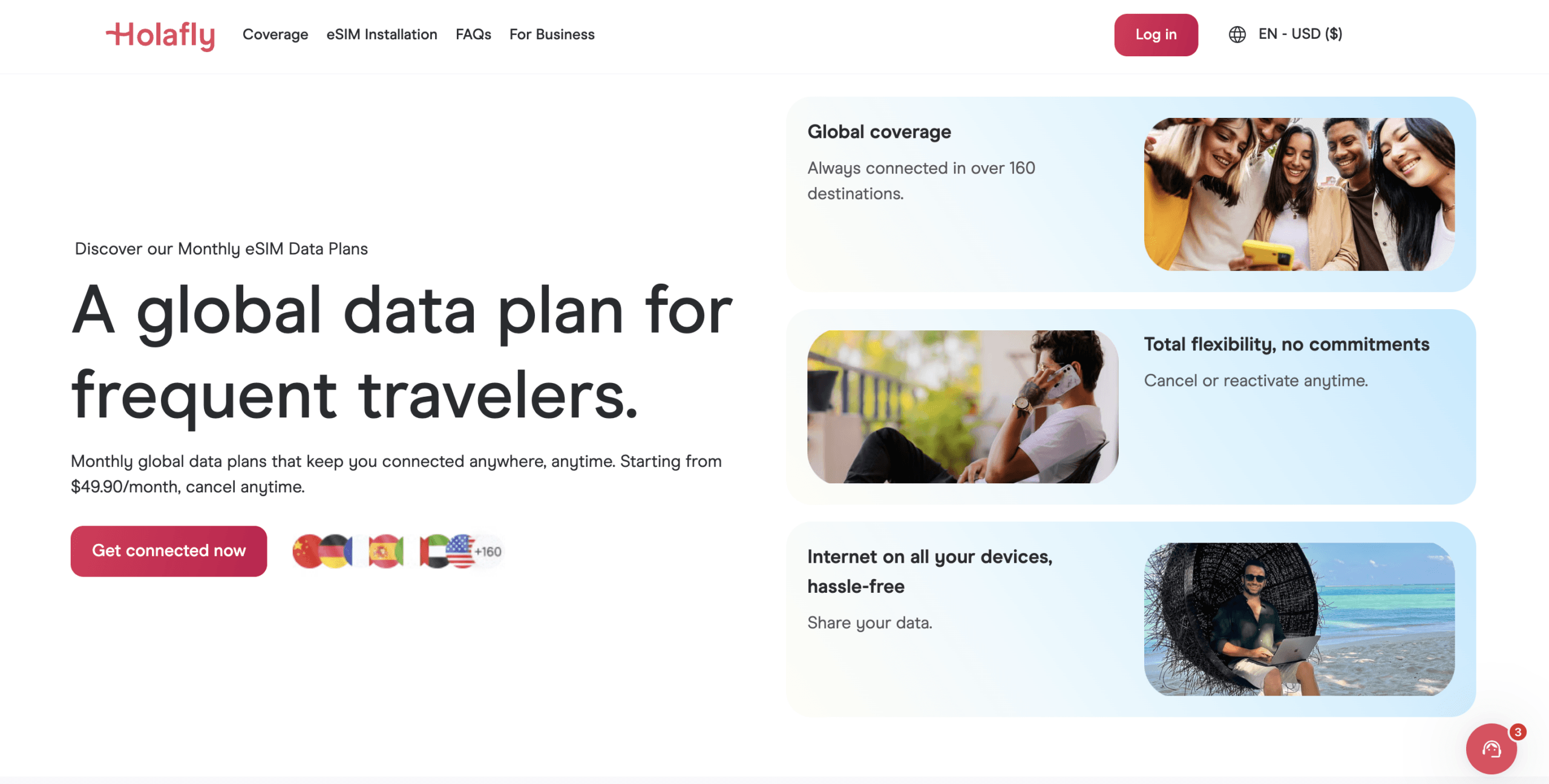
The new subscription service functions as an ongoing, global mobile plan. Once the initial profile is installed, the device automatically negotiates connectivity with local networks in over 160 countries without requiring further manual intervention. This structure mimics the functionality of a domestic mobile carrier but is optimized for international portability. By removing the "hassle factor"—the recurring need to source and configure new connectivity solutions—Holafly is targeting the growing segment of remote workers and long-term expatriates who require a stable, reliable, and predictable data connection.
Comparative Analysis of Mobile Roaming Models
The economic implications of this transition are significant when compared to traditional roaming options offered by major national carriers. Most major carriers provide international roaming through daily passes or "add-ons," which often carry high premiums—frequently ranging from $10 to $20 per day. For a traveler moving through multiple countries, these costs can accumulate to several hundred dollars per month.
Furthermore, traditional roaming plans are often subject to data throttling or strict usage caps. In contrast, the unlimited data tiers within the new subscription models offer a fixed-cost alternative. Data suggests that by shifting from a per-day roaming model to a monthly subscription, frequent travelers can reduce their mobile connectivity expenditures by approximately 40% to 60% annually. The inclusion of unlimited hotspot functionality—a feature often restricted or heavily limited by domestic providers—further differentiates these digital-native plans from legacy telecom offerings.
The Introduction of the Ultra Plan and Ancillary Services
Beyond standard data connectivity, the industry is beginning to bundle value-added services into mobile plans. Holafly’s "Ultra Plan" represents an attempt to integrate travel-related support into a standard data subscription. This includes access to specialized services such as basic travel assistance, which can be critical for travelers navigating foreign healthcare or legal systems.
From an analytical perspective, this bundling strategy serves two purposes: it increases the average revenue per user (ARPU) and enhances customer retention. By providing a "safety net" in the form of assistance, companies can justify a higher monthly subscription fee while providing a tangible service that goes beyond simple internet access. While these plans do not replace comprehensive medical or travel insurance, they provide a layer of immediate support that appeals to travelers who prioritize peace of mind alongside connectivity.
Chronology of Implementation and Market Response
The rollout of these subscription plans began in late 2025 and early 2026, following extensive testing of cross-border network switching. During the initial phase, the company focused on optimizing the "Always On" feature, which ensures a baseline of 1GB of emergency data for users even if they cancel their primary subscription. This feature addresses the primary concern of travelers—the risk of being left without any connectivity upon arrival in a new country.
Market response has been characterized by a strong uptake among the "digital nomad" demographic, defined by the International Labour Organization as workers who reside in foreign countries while performing professional tasks remotely. Feedback indicates that the primary drivers for this adoption are the stability of the connection and the ability to maintain a consistent digital identity across borders.
Operational Challenges and Future Implications
Despite the benefits, the shift toward global eSIM subscriptions is not without challenges. The primary hurdle remains device compatibility. While most high-end smartphones released after 2018 support eSIM technology, older or budget-tier hardware may not, limiting the addressable market for these providers. Additionally, network quality remains dependent on local infrastructure agreements; while these providers strive for global coverage, the speed and reliability of the service will inherently vary based on the carrier partnerships in a specific region.
Looking ahead, the success of these plans suggests that the future of mobile connectivity is likely to be increasingly decentralized. As more consumers adopt eSIM technology, the power dynamic between traditional telecommunications giants and agile, software-first companies will likely continue to shift. We can expect to see further integration of mobile services with broader travel-tech ecosystems, potentially including automated travel insurance activation, location-based services, and hyper-local information delivery directly through the mobile interface.
Summary of Service Tiers and Accessibility
For those considering the transition to a global eSIM subscription, the current market structure generally divides offerings into tiers based on usage intensity:
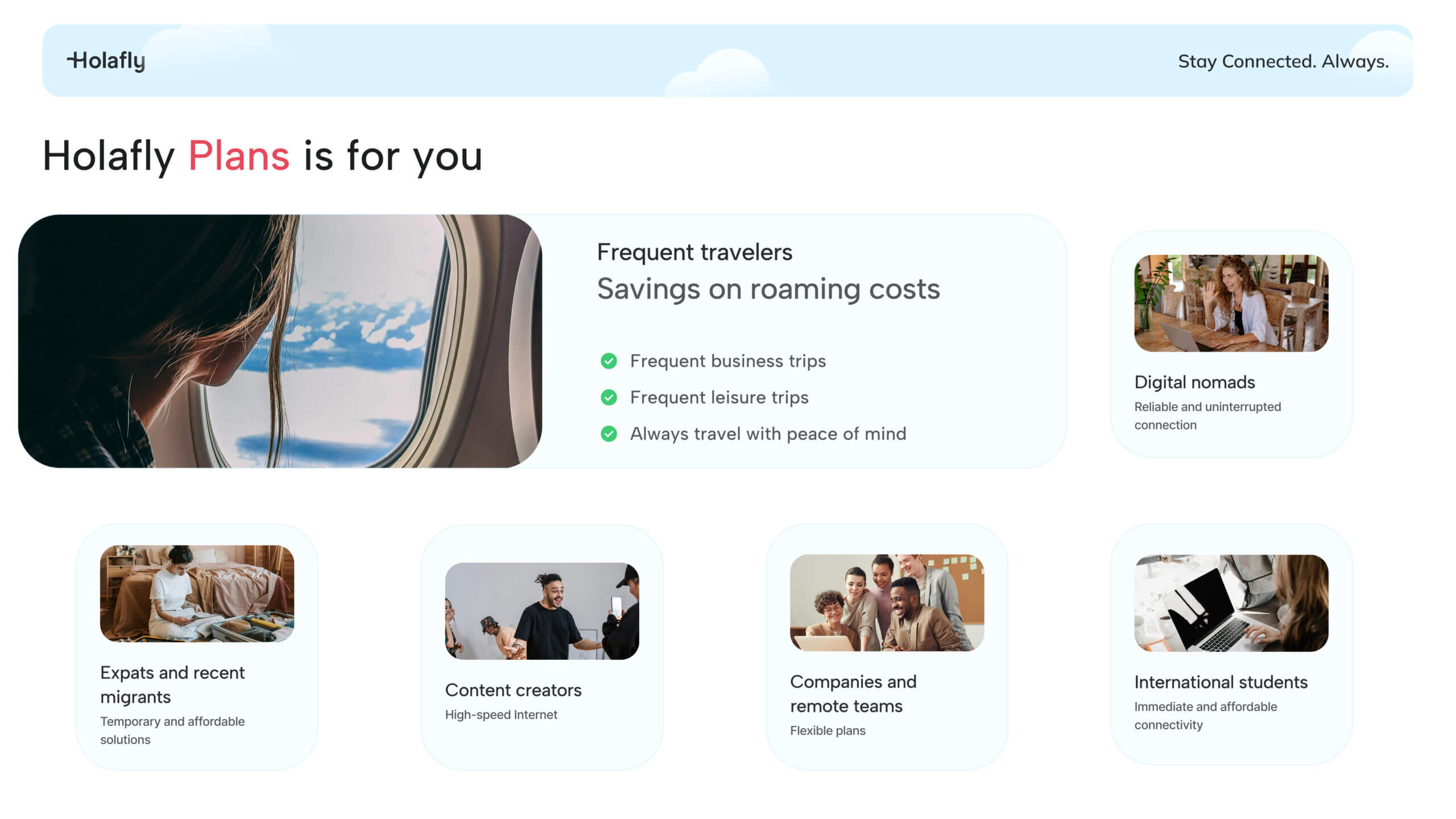
- Light/Basic Tiers: These are designed for the casual traveler or the "digital minimalist" who requires sufficient data for navigation, messaging, and occasional information retrieval. These plans typically offer a fixed data cap (e.g., 25GB) and are priced to compete with single-trip eSIM purchases.
- Unlimited Tiers: These represent the standard for remote workers. By removing data caps, providers are meeting the needs of users who engage in bandwidth-intensive activities such as video conferencing, cloud-based project management, and high-definition content streaming.
- Premium/Assistance Tiers: These represent the evolution of the mobile plan into a comprehensive "travel companion" service, offering added security and support features for a higher monthly premium.
The availability of quarterly and annual payment options provides a mechanism for cost-saving, with industry standards currently hovering around 10% to 15% discounts for long-term commitments. For the professional traveler, the decision to adopt such a plan is increasingly becoming a matter of financial and logistical efficiency.
Conclusion
The transition toward consolidated, subscription-based global connectivity marks a maturation of the travel technology sector. By replacing the fractured, high-cost model of historical roaming with a streamlined, digital-first subscription service, companies like Holafly are addressing the fundamental pain points of a mobile global workforce. While users must still exercise due diligence regarding device compatibility and regional network availability, the trajectory is clear: the future of international mobile connectivity lies in the ability to remain connected through a single, persistent, and flexible digital identity, regardless of one’s physical location on the globe. As infrastructure continues to improve and eSIM adoption becomes standard across all mobile devices, the reliance on traditional, localized telecommunications roaming will likely continue to diminish, further empowering the modern, mobile-first traveler.