Valdivia’s Craft Beer Renaissance: How German Heritage, Geology, and River Ecosystems Shaped Chile’s Brewing Capital

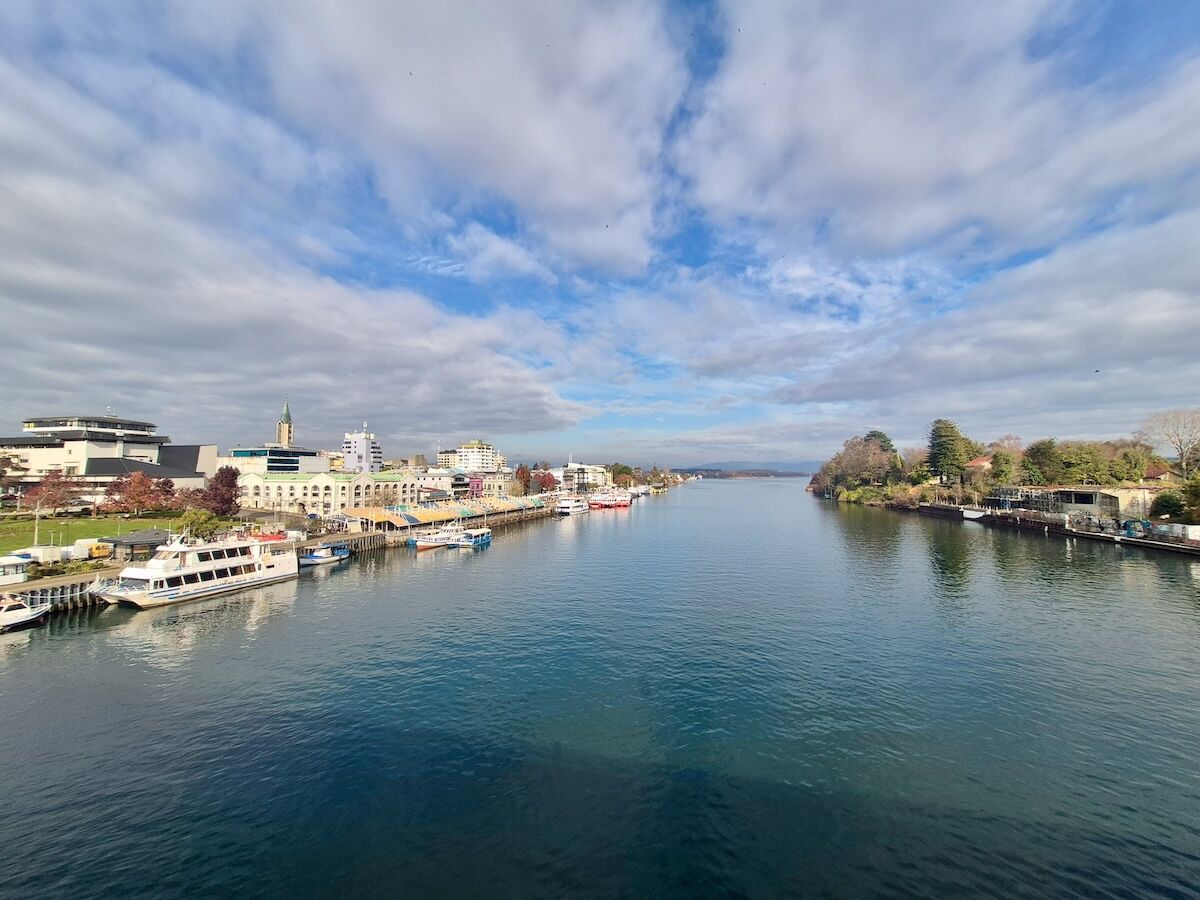
Nestled at the confluence of three rivers in southern Chile, Valdivia has long held a unique place in the nation’s cultural and industrial landscape. Today, the city is internationally recognized as Chile’s capital of craft beer, a designation rooted in a 19th-century European immigration wave, shaped by seismic natural disasters, and sustained by a thriving modern brewing ecosystem. As regional tourism in Los Ríos continues to expand, Valdivia offers a compelling case study in how historical migration, resilient local industry, and geography converge to create a distinct culinary and travel destination.
Historical Roots and the 19th-Century German Immigration Wave
The foundation of Valdivia’s brewing prominence dates back to the mid-19th century. Following the Chilean government’s enactment of the Law of Selective Immigration of 1845, thousands of German settlers were encouraged to relocate to southern Chile to stimulate economic development, agriculture, and manufacturing in underpopulated territories.
Among these pioneers was Carlos Anwandter, who arrived in Valdivia and established one of Chile’s earliest commercial breweries in 1851. Anwandter’s arrival marked a turning point for local industry, introducing traditional European brewing techniques adapted to South American ingredients. While Anwandter’s original residential home on Isla Teja survived the catastrophic events of the subsequent century—and is now preserved as part of Valdivia’s Museum of History and Anthropology—his foundational brewery infrastructure was ultimately lost.
The brewing tradition was successfully revitalized in the 1990s by Armin Kunstmann, who founded Cervecería Kunstmann. This enterprise grew into one of Chile’s most prominent craft breweries, bridging historic German brewing methods with contemporary Chilean craft culture. Exhibits within the Kunstmann facility explicitly honor Anwandter’s legacy, while its restaurant pairs traditional regional-German fare, such as crudos (Chilean-German steak tartare) and kuchen, with flagship brews like Torobayo amber ale and local lagers.
Geological Shifts: The 1960 Earthquake and Environmental Transformation
Valdivia’s modern identity is inextricably linked to one of the most powerful natural disasters in recorded history. On May 22, 1960, the Great Chilean Earthquake—registering a moment magnitude of 9.5—struck off the coast of southern Chile. The seismic event generated towering tsunami waves up to 82 feet high that devastated coastal settlements and caused surrounding land masses to subside by up to six and a half feet.
This dramatic geological subsidence fundamentally altered Valdivia’s topography. Dry plains were permanently converted into wetlands, river levels rose significantly, and the local ecosystem was reshaped. Rather than halting local development, these environmental changes fostered a unique aquatic landscape that would later define the region’s economic and ecological identity. The surrounding Valdivian temperate rainforest and the Estancilla wetland now play a direct role in regional industries, including brewing, where access to pristine water sources is paramount. Decades later, these administrative and ecological shifts culminated in the creation of the Los Ríos Region in 2007, with Valdivia designated as its capital.
The Modern Craft Beer Economy and Diversification
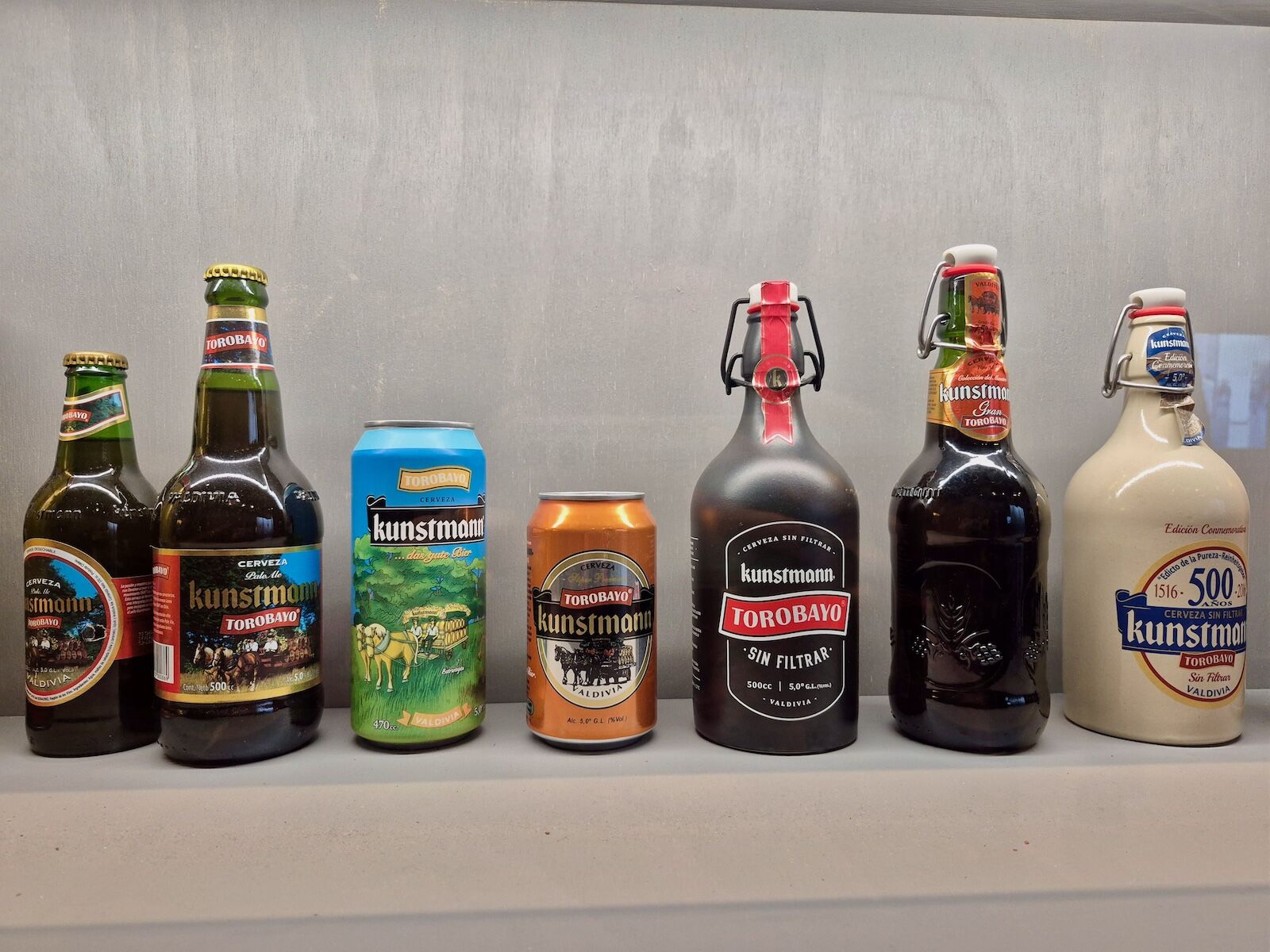
While Cervecería Kunstmann remains an anchor for traditional German-style brewing—celebrating its heritage annually through the late-January Kunstmann Bierfest, modeled after Munich’s Oktoberfest—Valdivia’s broader craft beverage sector has experienced widespread diversification. Modern microbreweries across the city increasingly incorporate Belgian and United States craft brewing methodologies, experimenting with IPAs, robust stouts, and localized ingredient profiles.
The city’s brewpubs capitalize on its insular river geography. Establishments such as El Growler on Isla Teja—founded by international brewers like Oregon-born Joel Driver—exemplify the cross-cultural exchange defining the current market. These venues utilize mobile distribution models, transporting kegs via dedicated local vans to industrial-chic beer gardens, where house-brewed ales are served alongside regional fusion cuisine. Industry analysts note that such enterprises contribute significantly to Valdivia’s tourism revenue, helping to extend the visitor season beyond the peak austral summer months.
Aquatic Infrastructure and Urban Wildlife Integration
Valdivia’s urban environment is characterized by the integration of waterways, public transit by boat, and an unexpectedly prominent urban wildlife population. Water taxis and tour operators, such as Kimeltu Los Ríos, navigate the Calle-Calle, Cruces, and Cau-Cau rivers, providing transportation and historical interpretation regarding the 1960 earthquake.
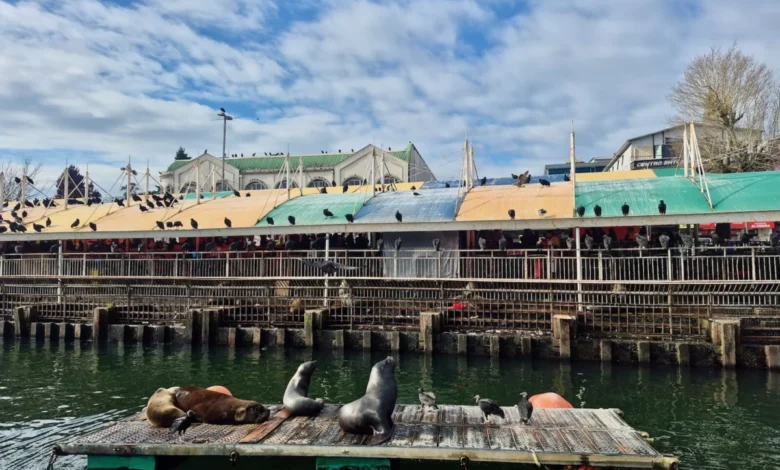
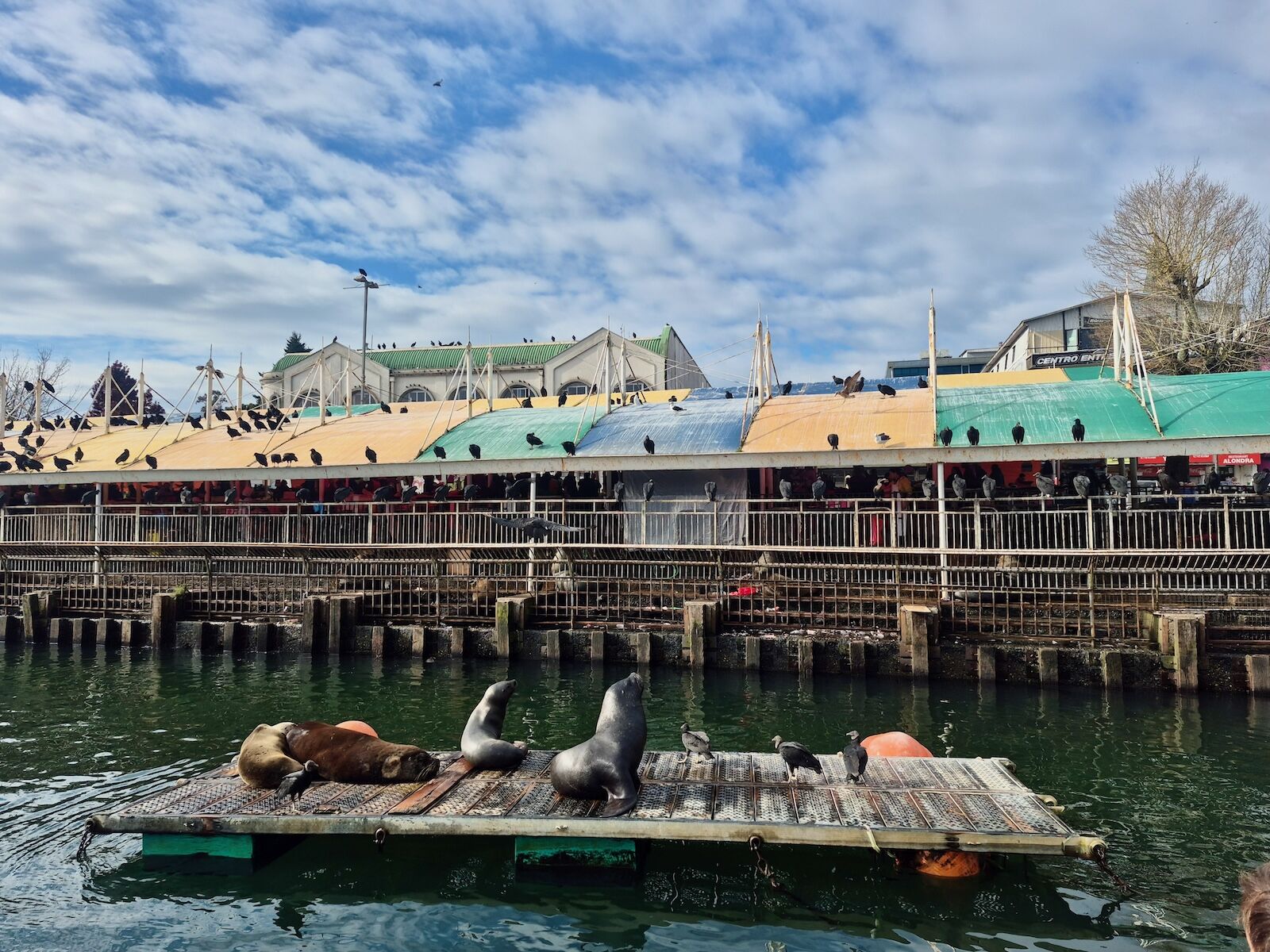
A defining feature of the municipal waterfront is the resident colony of South American sea lions (otaria flavescens, locally known as lobos marinos). Thriving alongside human activity, these marine mammals regularly haul out onto urban walkways near the Mercado Fluvial (Fluvial Market) to feed on fish scraps. This close proximity between urban infrastructure and marine wildlife underscores the city’s unique environmental profile.
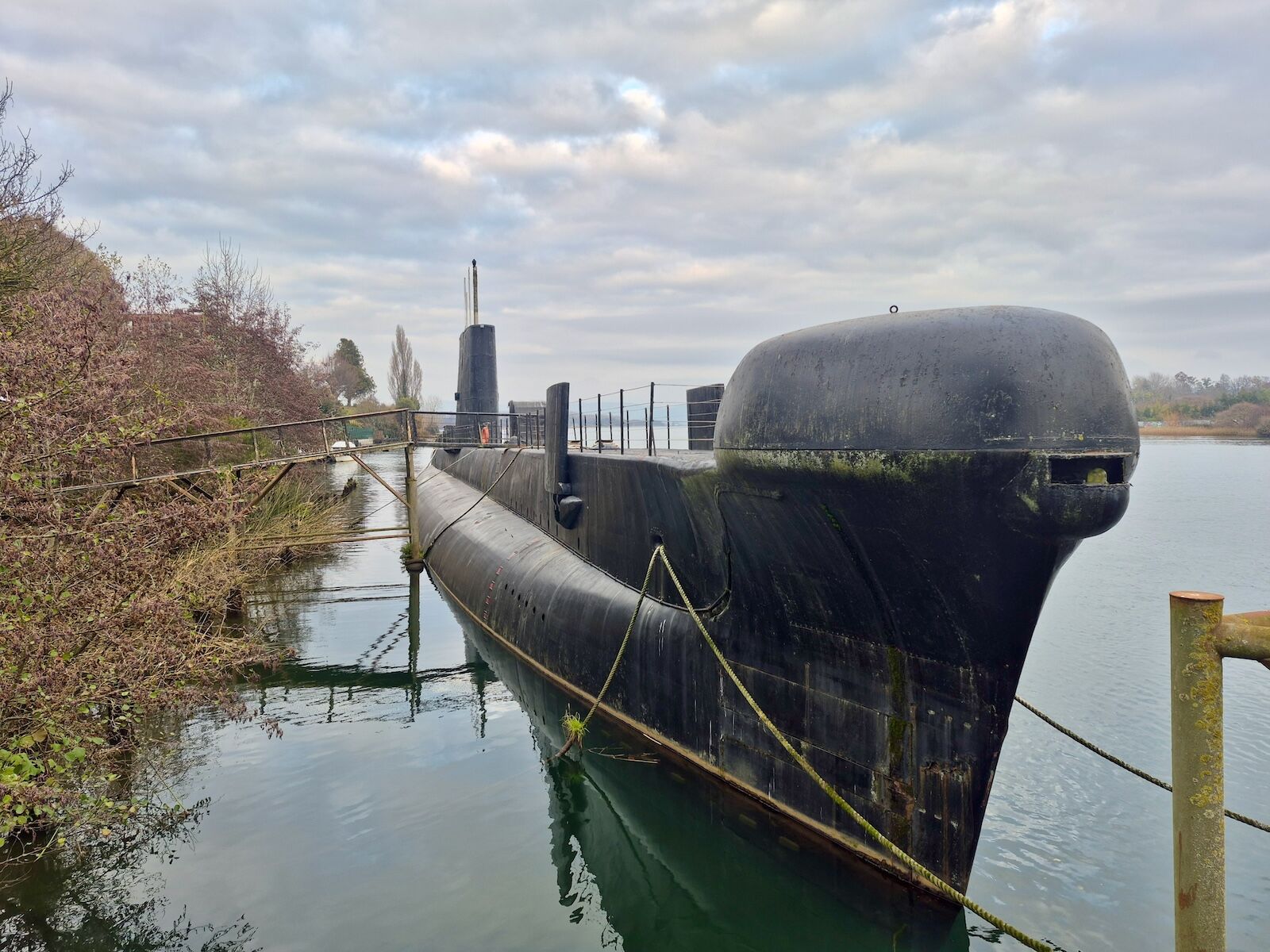
Beyond natural waterways, Valdivia hosts distinctive historical infrastructure. Among the most notable is the O’Brien, a decommissioned Chilean Navy Oberon-class submarine engineered in Scotland in 1971. Permanently docked along the waterfront as a floating museum, the vessel offers public tours through its torpedo compartments, control rooms, and engine chambers, providing visitors with a firsthand look at mid-20th-century naval engineering.
Regional Defense Heritage: Niebla and Coastal Fortifications
Valdivia’s strategic river network made it a prime target for colonial powers and foreign privateers during the Spanish colonial era. To protect access to the interior river systems, the Spanish Crown constructed an extensive defensive ring of fortifications along the coast, most notably at Niebla and Corral.
The Castillo de Niebla (Niebla Castle), situated at the mouth of the Valdivia River, stands as a primary historical landmark. Although partially reduced to ruins by time and seismic activity, the surviving stone ramparts and iron cannon batteries offer a tangible record of 17th-century military architecture designed to deter hostile naval incursions from the Pacific Ocean. Today, these historical sites are accessible via regional public buses (micros) or scenic boat excursions from Valdivia, reinforcing the corridor’s dual appeal as a hub for both ecological and historical tourism.
Logistics, Accessibility, and Infrastructure Development
Access to Valdivia has grown increasingly streamlined through regional transportation investments. Pichoy Airport serves as the primary domestic air link, while long-distance bus operators, including FlixBus and Turbus, provide scheduled overnight connections from major urban centers such as Santiago and Valparaíso.
The city functions as a strategic gateway for regional road itineraries traversing the Los Ríos and Los Lakes (Los Lagos) regions, serving as a northern extension of the famous Carretera Austral (Route 7) highway network. Hospitality infrastructure has expanded in tandem, with properties such as Hotel Puerta del Sur on Isla Teja offering sustainable lodging options—including nature reserves, riverfront amenities, and bicycle transit networks—positioned within walking distance of the Austral University Botanical Garden and the city’s commercial districts.
Economic Implications and Outlook
The sustained growth of Valdivia’s craft beverage sector, coupled with robust cultural and ecological heritage tourism, highlights the economic resilience of southern Chile. Local municipal and regional tourism boards continue to promote sustainable development initiatives that balance industrial expansion with environmental conservation of the surrounding wetlands and temperate rainforests. As international interest in specialized culinary tourism grows, Valdivia remains positioned as a premier destination where 19th-century European heritage, post-seismic geography, and modern craft enterprise intersect.