The landscape of American holiday traditions has experienced a profound shift over the past two decades, transitioning from strictly household-centric gatherings to community-driven celebrations. Thanksgiving, historically rooted in the 1621 Plymouth harvest observation, has evolved in the modern era to embrace the cultural phenomenon known as "Friendsgiving." This contemporary adaptation prioritizes chosen family, peer networks, and non-traditional living structures. Concurrently, the rise of the short-term rental market has transformed how holiday hosts approach the logistics of large-scale dinner preparation. Rather than feeling confined by urban square footage or limited kitchen appliances, travelers are increasingly turning to platforms like Airbnb to secure sprawling, rural properties equipped to handle multi-course feasts. This trend is particularly pronounced along the densely populated East Coast, where urban centers lie within a few hours’ drive of bucolic countryside escapes.
Main Facts and the Rise of Holiday Rentals
The demand for large-group accommodations during the November holiday season has become a significant economic driver for the hospitality and short-term rental sectors. According to recent travel industry data, Thanksgiving week consistently ranks as one of the highest-demand periods for domestic travel, second only to the December winter holidays. However, unlike summer vacations—which often prioritize proximity to beaches or metropolitan sights—Thanksgiving getaways center primarily on indoor amenities.
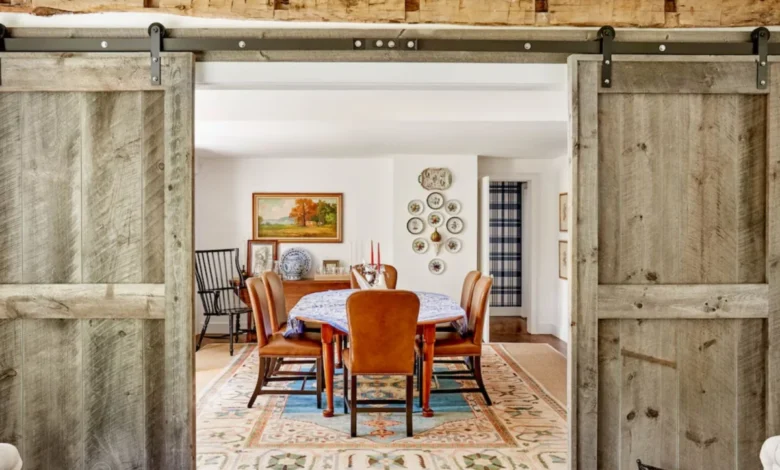
Properties that feature chef-grade kitchens, oversized dining tables capable of seating ten to twenty guests, and multiple living areas are seeing a surge in bookings months in advance. Real estate analysts note that hosts in regions like the Hudson Valley, the Berkshire Mountains, and the lakes region of New Hampshire have tailored their properties specifically to capture this market. By offering amenities such as dual ovens, sprawling kitchen islands, and expansive outdoor fire pits, these homeowners are effectively positioning their properties as turn-key holiday venues.
The economic implications for regional tourism are substantial. While traditional hotels often see a dip in occupancy during Thanksgiving as people gather in private homes, rural short-term rentals experience a counter-cyclical boom. Local farmers’ markets, specialty butchers, and farm stands in rural New England and upstate New York report heightened sales in the days leading up to the holiday, driven largely by urban expatriates and groups renting rural properties for the week.
Chronology and Evolution of the Tradition
To understand the current logistical demands of hosting a large dinner party, it is helpful to examine how the holiday has evolved from its historical origins into a modern social cornerstone.
1621: The initial three-day harvest celebration involving the Wampanoag people and the Plymouth colonists establishes the precedent for communal feasting, though it bears little resemblance to the modern menu or holiday structure.
1789: President George Washington issues the first presidential proclamation for a national Thanksgiving Day, designating Thursday, November 26, as a day of public thanksgiving and prayer.
1863: Amid the American Civil War, President Abraham Lincoln establishes the final Thursday of November as a national holiday, largely due to the lobbying efforts of magazine editor Sarah Josepha Hale, who sought to unify a fractured nation through a shared cultural ritual.
Mid-20th Century: The holiday solidifies into its modern suburban form, characterized by nuclear family gatherings, standardized turkey dinners, and the rise of televised football and parades.
Early 2000s: The term "Friendsgiving" first appears in popular culture, gaining widespread traction through social media and television by the late 2000s. The concept is embraced by young professionals and urban residents who may live far from biological family or who prefer celebrating with peer groups.
2015–Present: The mainstream adoption of peer-to-peer lodging platforms democratizes access to large, estate-style properties. Renting country homes for holiday weekends becomes an accessible alternative to traditional homeownership for hosting large gatherings.
Supporting Data and Demographic Shifts
Demographic shifts over the past twenty years heavily influence the popularity of destination Friendsgivings. Census data indicates that an increasing percentage of American adults are delaying marriage, living alone, or residing in metropolitan areas with high-density housing, such as New York City, Boston, and Philadelphia. These urban dwellers often inhabit apartments with limited kitchen space, making the traditional hosting of a twelve-pound turkey and all its side dishes virtually impossible.
Market research from hospitality analytics firms highlights several key metrics regarding holiday rental trends on the East Coast:
- Average Group Size: Groups booking Thanksgiving-specific properties typically range from eight to fourteen individuals, frequently combining multiple households or friend circles.
- Length of Stay: Unlike summer weekend trips that average two nights, Thanksgiving bookings on the platform frequently span three to five nights, allowing guests to arrive on Wednesday, prepare the feast on Thursday, and utilize Friday through Sunday for local exploration or relaxation.
- Top Amenities in Demand: Property filters reveal that "kitchen," "fireplace," "hot tub," and "game room" are among the most searched terms for November reservations, indicating a desire for both domestic comfort and recreational wind-down options after the meal.
Regional Breakdown of East Coast Destinations
The East Coast offers distinct geographic pockets that cater to different styles of holiday gatherings. Property curators and travel experts categorize these locations based on architectural style, landscape, and accessibility from major transportation hubs.
The Hudson Valley and Catskills, New York
Characterized by rolling hills, historic Dutch stone houses, and modern architectural conversions, the Hudson Valley is a prime destination for New York City residents seeking a quick escape. Restored farmhouses in this region often feature massive hearths, modernized kitchens with high-end appliances, and expansive lawns. Proximity to local orchards and artisanal food producers makes sourcing ingredients for a regional menu straightforward for visiting groups.
New Hampshire and Vermont
For groups prioritizing a rustic, woodland aesthetic, northern New England offers lakeside log cabins and timber-frame estates. These properties often emphasize seclusion, offering direct access to nature trails, wood-burning stoves, and panoramic views of late-autumn landscapes. While the weather can be brisk, these homes are built for indoor gathering, frequently including spacious basements converted into game rooms or wellness spaces with saunas.
The Berkshires, Massachusetts
Combining cultural history with natural beauty, western Massachusetts features historic country estates that blend antique charm with contemporary luxury. These properties are ideal for larger friend groups looking to balance a traditional dinner with visits to local arts towns or scenic drives through the Massachusetts hills before the winter snow sets in.
Expert Analysis and Official Industry Responses
Hospitality experts and platform representatives emphasize that the success of a holiday rental relies heavily on transparent communication between hosts and guests, particularly regarding kitchen specifications.
"When guests book a property for Thanksgiving, the kitchen is no longer just a secondary amenity—it is the focal point of the entire reservation," notes a senior lodging analyst based in New York. "Hosts who clearly detail their oven capacity, cookware inventory, and dining table dimensions see significantly higher satisfaction ratings and repeat bookings. Conversely, a lack of preparation in the kitchen can quickly undermine an otherwise luxurious stay."
Airbnb Superhosts across the East Coast have reported adapting their properties to meet these specific demands. Many now stock their kitchens with specialized holiday equipment—such as roaster pans, carving knives, gravy separators, and heavy-duty baking sheets—that standard vacation rentals might otherwise omit. Furthermore, property managers often coordinate with local caterers or private chefs to offer hybrid options, where groups can rent a luxury home while outsourcing a portion of the Thanksgiving meal preparation to local professionals.
Broader Impact and Implications for Travel Trends
The institutionalization of the holiday rental as a venue for Thanksgiving reflects a broader cultural shift in how Americans define home, community, and celebration. The traditional paradigm, which tied holiday gatherings strictly to familial lineages and permanent residential properties, has expanded to accommodate fluid social networks and temporary spaces.
This trend also provides a vital economic cushion for rural economies during the shoulder season between the end of autumn foliage tourism and the onset of winter ski operations. By driving consistent occupancy rates in November, short-term rentals help sustain local service industries, retail shops, and hospitality workers throughout the region.
As the concept of the holiday continues to evolve, the infrastructure supporting it adapts in tandem. Whether through a restored 19th-century farmhouse in upstate New York or a secluded timber lodge overlooking a New Hampshire lake, the modern Thanksgiving demonstrates that the spirit of the holiday is defined less by the permanent address of the host and more by the collective experience of those gathered around the table.
Related posts: