Elevating the Alpine Experience: Why Stellar Heliskiing Redefines the British Columbia Powder Frontier

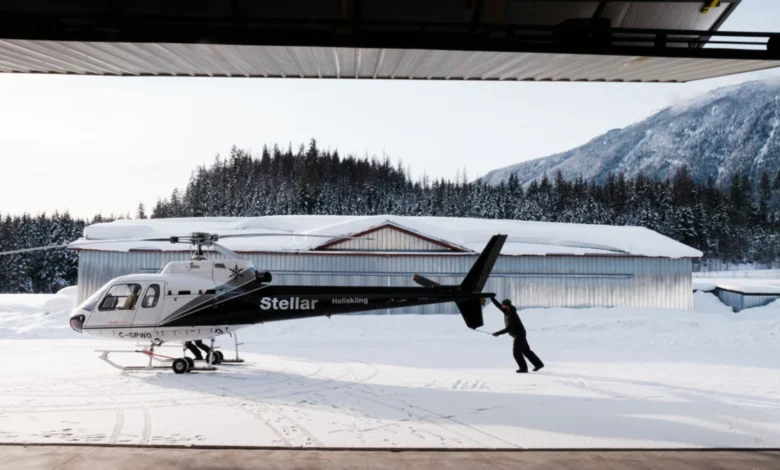
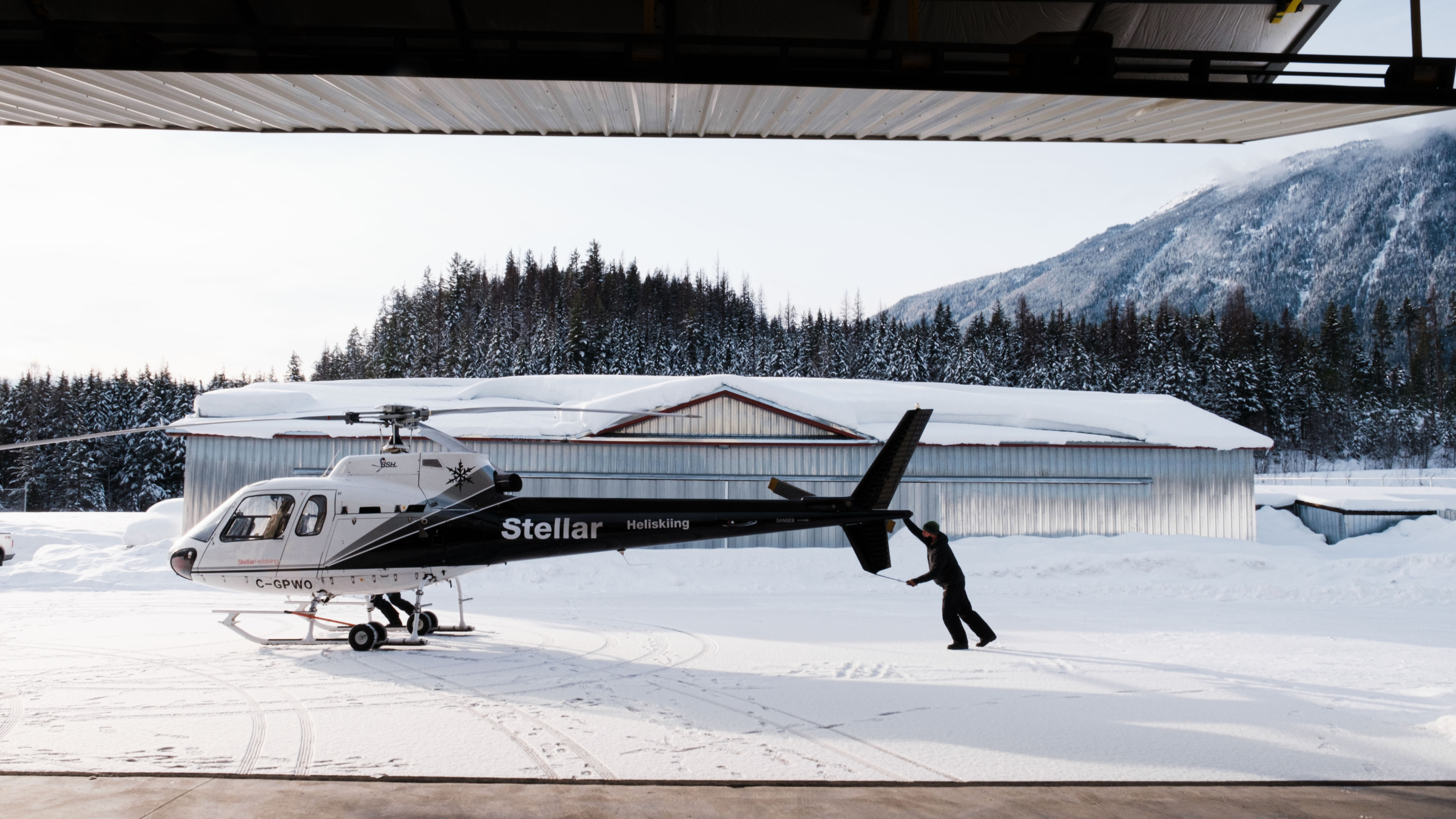
The allure of heliskiing resides at the intersection of logistical precision and raw, unadulterated wilderness. For the modern skier, the pursuit of the "perfect turn" has shifted from resort-based convenience to the pursuit of deep, stable, and untracked powder. In the heart of British Columbia’s Kootenay region, Stellar Heliskiing has emerged as a focal point for this evolution. Since its inception in 2005, the operation has distinguished itself by prioritizing small-group dynamics, leveraging the unique topography of the Selkirk and Purcell mountain ranges to provide a high-fidelity skiing experience.
A Chronology of Operational Excellence
Stellar Heliskiing was founded in 2005 with a clear mandate: to offer a more intimate, personalized alternative to the large-scale, high-volume operations that dominated the Canadian backcountry market in the late 20th century. By establishing its base of operations in Kaslo, British Columbia, the company sought to capitalize on the unique microclimates that define the Kootenay region.
Over the past two decades, the operation has navigated the complexities of backcountry safety, environmental stewardship, and evolving guest expectations. The company’s growth trajectory has been marked by a deliberate commitment to small-group ratios. Unlike larger operators that may manage groups of ten or more, Stellar maintains a strict four-guest-per-guide limit. This operational choice is not merely for comfort; it is a strategic decision that increases the frequency of runs and allows for a more tailored assessment of terrain safety and snow quality.
Topographical and Meteorological Context
The efficacy of the Stellar model is deeply rooted in the geography of the Kootenay Lake basin. The Selkirk and Purcell mountains act as a natural catchment for Pacific storm systems. When these systems collide with the continental interior, they deposit an average of 600-plus inches of snow annually. The region is characterized by "dry" powder—a low-density snow profile that is highly sought after by enthusiasts.
The operational terrain spans approximately 125,000 acres. This vast expanse allows guides to choose between high-alpine, open bowls and the densely packed, old-growth timber that defines the lower elevations. The meteorological consistency of the region—characterized by sustained cool temperatures—ensures that the snowpack remains stable and "light" for longer periods compared to the maritime climates of the Coast Mountains or the warmer interior valleys of the southern Rockies.
The Economics of the Kaslo Base
Kaslo, an historic silver-mining village, serves as the operational nexus for the company. The town provides a unique case study in how niche adventure tourism can revitalize rural economies. The restoration of the Kaslo Hotel, which functions as the primary lodging for Stellar guests, highlights the trend of "boutique-ification" within the adventure travel sector.
From a market perspective, the integration of high-end, modernized Victorian accommodations with backcountry access creates a dual-value proposition. Guests are not merely purchasing a helicopter flight; they are investing in an integrated experience that spans from the alpine to the village. This model mitigates the "isolation fatigue" often associated with remote lodge-based heliskiing, where guests are confined to a single facility for the duration of their trip. By staying in the village of Kaslo, guests engage with the local community, contributing to the broader economic vitality of the Kootenay region.
Safety and Operational Methodology
Heliskiing is inherently a high-risk activity, governed by rigorous safety protocols. Stellar’s operational methodology relies on a tripartite approach: real-time meteorological monitoring, daily snowpack analysis, and professional-grade guide training. The guides at Stellar are not merely navigators; they serve as instructors, terrain analysts, and safety officers.
The "no-ego" culture often cited by repeat guests refers to the company’s emphasis on group cohesion. By maintaining small groups, guides can pace the skiing to match the abilities of the least experienced member without compromising the quality of the trip for more advanced skiers. This pedagogical approach to guiding has proven effective in increasing guest retention rates, as clients feel empowered rather than intimidated by the challenging terrain.
Supporting Data and Logistics
Logistically, the accessibility of the Kootenay region distinguishes Stellar from more remote operations in Northern British Columbia or Alaska. While the experience is deep in the backcountry, the approach is facilitated by a network of regional airports.
- Proximity Analysis:
- Castlegar (West Kootenay Regional): 70 miles (approx. 1.5–2 hours)
- Spokane, Washington: 147 miles (approx. 3.5–4 hours)
- Cranbrook: 141 miles
- Kelowna: 208 miles
The reliance on the "Powder Highway"—the colloquial name for the stretch of BC Highway 3A and 6 that connects these mountain towns—is a significant factor for international travelers. The infrastructure supports a predictable flow of guests, allowing the operation to maintain a consistent schedule throughout the winter season, which typically runs from mid-December through April.
Broader Implications for the Adventure Travel Industry
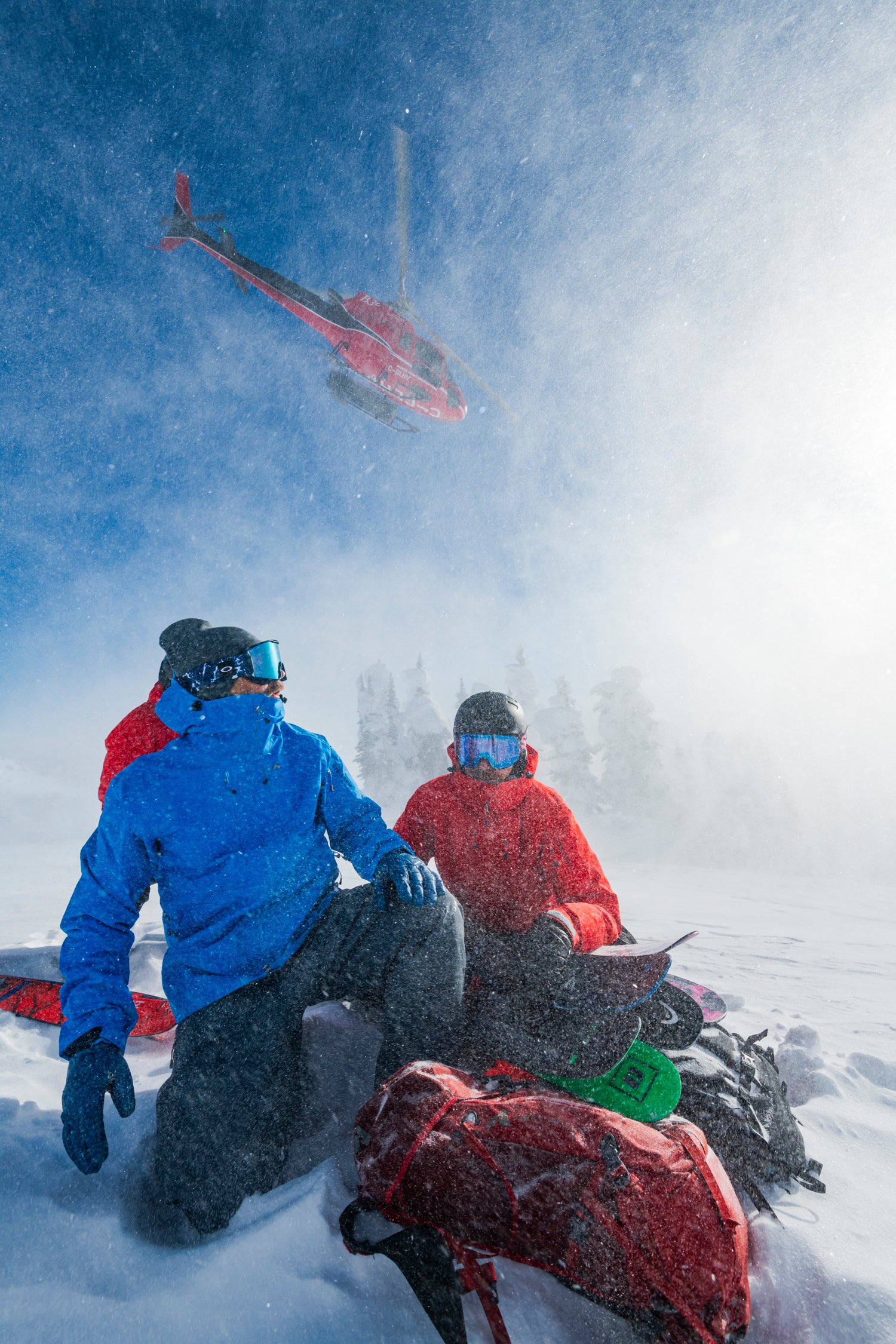
The success of the Stellar model underscores a shift in the adventure tourism industry. Travelers are increasingly moving away from mass-market, high-capacity tour packages in favor of specialized, low-impact, high-engagement experiences. This trend has direct implications for environmental management. By operating in smaller, more agile groups, companies can distribute their impact across a wider range of terrain, reducing the degradation of specific high-traffic zones and maintaining a more pristine wilderness environment for longer periods.
Furthermore, the emphasis on local integration—such as the partnership with the Kaslo Hotel and local dining establishments—reflects a sustainable business model. It ensures that the benefits of the tourism industry are distributed within the host community, fostering a symbiotic relationship rather than an extractive one.
Future Outlook and Industry Positioning
As the climate continues to impact global snow patterns, the Kootenay region’s elevation and geographical orientation make it one of the most resilient zones for snow sports. For Stellar Heliskiing, the challenge moving forward will be to scale its operations without diluting the intimacy that defines its brand.
Industry analysts suggest that the premium placed on "untracked" experiences will continue to drive demand for boutique operators. In this competitive landscape, Stellar’s focus on the synthesis of technical terrain access, local heritage, and professional, client-focused guiding positions it as a benchmark for modern backcountry operations. The data regarding its consistent snowfall and the high rate of repeat clientele suggest that the organization has successfully transitioned from a nascent startup to a cornerstone of the British Columbia heliskiing market.
Ultimately, the operation serves as a reminder that the value of an alpine expedition is measured not just in the number of vertical feet skied, but in the quality of the environment, the expertise of the personnel, and the sustainability of the partnership between the operator and the local landscape. As the 2026/2027 season progresses, the metrics of guest satisfaction and safety will remain the primary indicators of the company’s enduring relevance in a crowded and increasingly sophisticated adventure travel market.