The Evolution of Global Connectivity: Analyzing the Shift Toward Subscription-Based eSIM Technology for International Travelers

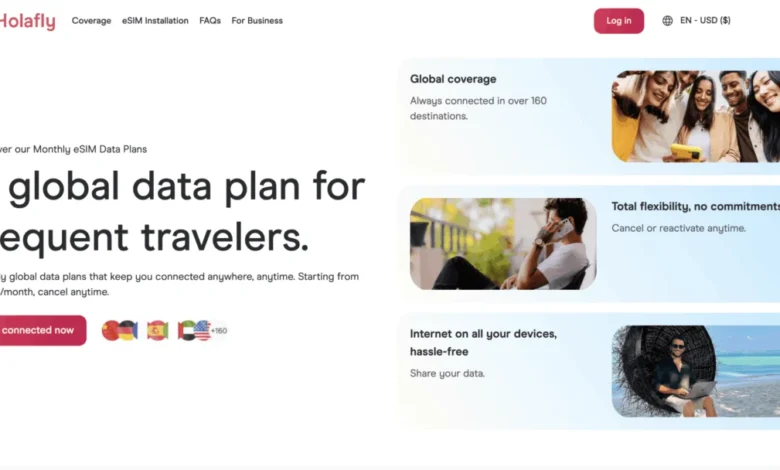
The telecommunications landscape for international travelers has undergone a significant transformation with the introduction of subscription-based eSIM services. As digital nomadism continues to grow—with estimates suggesting there are now over 35 million digital nomads worldwide—the demand for seamless, borderless connectivity has pushed the travel tech industry to move beyond traditional, trip-specific prepaid SIM cards. The launch of global subscription models, such as those pioneered by firms like Holafly, marks a strategic pivot toward providing persistent, high-speed data coverage that eliminates the logistical friction historically associated with crossing international borders.
Understanding the eSIM Technological Paradigm
An embedded SIM, or eSIM, is a digital evolution of the traditional physical plastic SIM card. Rather than requiring physical hardware to be inserted into a device, an eSIM is a software-based module integrated into the phone’s motherboard. This allows users to activate cellular plans remotely via QR codes or direct app integration.
The primary advantage of this technology is the ability to manage multiple profiles on a single device. Modern smartphones, including the latest iterations from Apple, Samsung, and Google, now support multiple eSIM profiles simultaneously. This capability allows travelers to maintain a "home" line for critical authentication services—such as banking two-factor authentication—while toggling to a local or regional data line for internet access. By removing the need to visit physical kiosks in airports or swap out delicate hardware, eSIMs have fundamentally altered the user experience for the global workforce.
The Shift from Prepaid Modules to Subscription Models
Historically, the eSIM market was dominated by single-trip, destination-specific packages. A user traveling to Japan, for instance, would purchase a 15-day, 10GB data plan. While this offered a significant improvement over the exorbitant international roaming fees charged by major domestic carriers, it remained a fragmented process. Frequent travelers moving across several countries in a single month found themselves repeatedly managing individual plans, tracking varying expiration dates, and manually configuring APN settings for each new jurisdiction.

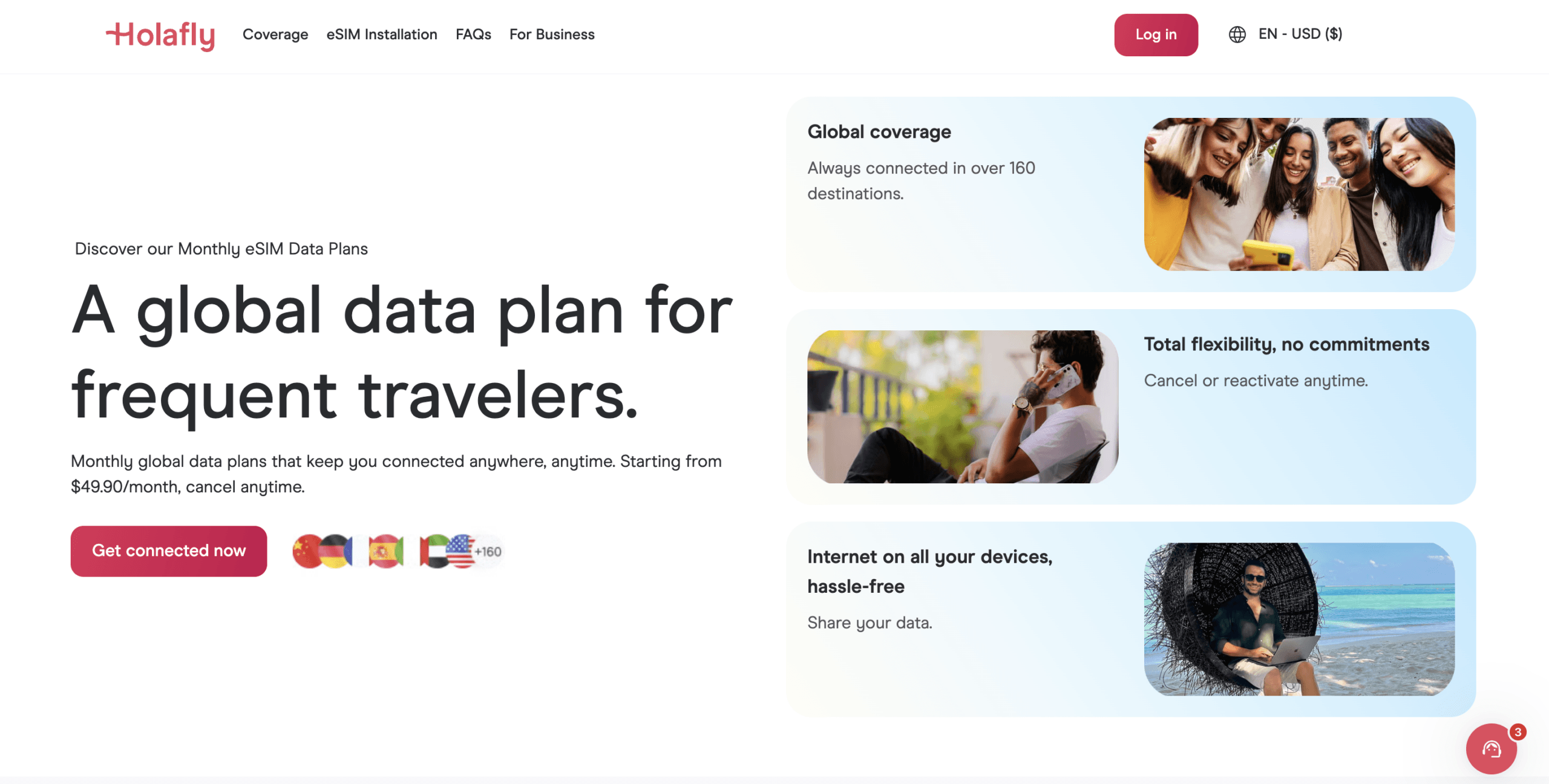
The emergence of "Global Plans"—an ongoing, recurring subscription service covering over 160 destinations—represents a shift toward a utility-based model. Under this framework, the user installs a single digital profile that remains active regardless of the geographic location. This service architecture mirrors the convenience of a domestic mobile contract but is designed to function across multiple continents, effectively decoupling the user’s identity from a specific national carrier.
Comparative Analysis of Connectivity Costs
The financial implications of this shift are notable when compared to the existing roaming models of major telecommunications providers. According to industry data, traditional major carriers in North America often charge between $10 and $15 per day for international roaming add-ons. For a traveler spending three weeks abroad, this can result in a bill exceeding $300 for limited high-speed data.
In contrast, subscription-based eSIM providers have introduced tiers that typically range between $50 and $70 per month. A data-heavy user, such as a remote worker requiring stable video conferencing capabilities, can now secure unlimited data and mobile hotspot tethering for a fraction of the cost of legacy roaming passes. This cost efficiency is compounded by the elimination of "bill shock," a common phenomenon where consumers inadvertently exceed their data caps or trigger hidden roaming charges.
Strategic Advantages for the Modern Traveler
The integration of persistent, global data has several operational benefits for the mobile professional:
- Seamless Handover: Unlike physical SIM cards, which often require the device to be power-cycled to detect a new network, subscription eSIMs automatically query and connect to local partner towers upon arrival in a new country.
- Simplified Financial Planning: By moving to a subscription model, companies can better forecast their overhead, and individual travelers can standardize their travel budget, knowing that connectivity is a fixed, predictable cost.
- Backup Connectivity: Many modern subscription services now include an "Always On" feature, which provides a small, baseline amount of data (e.g., 1GB) even after a subscription is canceled or paused. This acts as a critical safety net for travelers who might otherwise be stranded without access to navigation or emergency communication services.
- Hardware Preservation: Frequent swapping of physical SIM cards poses a long-term risk to the SIM tray mechanism of smartphones. Digital-only management preserves the integrity of the device’s hardware.
Challenges and Technical Limitations
Despite the rapid adoption of eSIM technology, significant barriers remain. First, device compatibility is not universal. While flagship smartphones manufactured in the last five years generally support eSIMs, many mid-range and budget devices—particularly those sold in developing markets—still rely exclusively on physical SIM slots.
Second, the efficacy of an eSIM is strictly tied to the strength of the local partner network. An eSIM is only as fast as the local carrier providing the signal. While major providers like Holafly secure partnerships with top-tier domestic operators in each country, coverage in rural or remote areas can still be inconsistent, regardless of the user’s subscription tier.
Third, regulatory hurdles remain. Some countries have restrictive telecommunications laws that mandate physical identification verification or prohibit the use of non-local SIM cards for extended periods. While these regulations are slowly being modernized to accommodate digital nomads, they remain a source of complexity for long-term travelers.
Future Implications for the Telecommunications Sector
The rise of the global eSIM subscription model is forcing traditional mobile network operators (MNOs) to re-evaluate their international roaming strategies. In the past, roaming fees served as a significant, high-margin revenue stream for domestic carriers. As consumers increasingly turn to third-party eSIM providers to bypass these fees, traditional carriers are losing their monopoly on international connectivity.
Industry analysts suggest that in response, major carriers may begin to offer more competitive international roaming packages or integrate their own eSIM services that mimic the flexibility of independent providers. This competition is expected to drive down prices across the board, benefiting the end consumer.
Furthermore, the expansion of these plans into the "Unlimited" category, including free mobile hotspotting, is a direct challenge to current industry standards. For digital nomads, the ability to tether a laptop to a phone without incurring additional costs or facing bandwidth throttling is a critical requirement. The shift toward this standard suggests that data is increasingly being treated as a global commodity rather than a restricted, location-bound resource.
Summary of Best Practices
For travelers evaluating the transition to a global eSIM subscription, the decision should be based on frequency of travel and data requirements. For the casual tourist taking one or two international trips annually, a traditional, one-off destination-specific eSIM remains the most cost-effective solution. The administrative overhead of maintaining a monthly subscription is not justified for infrequent users.
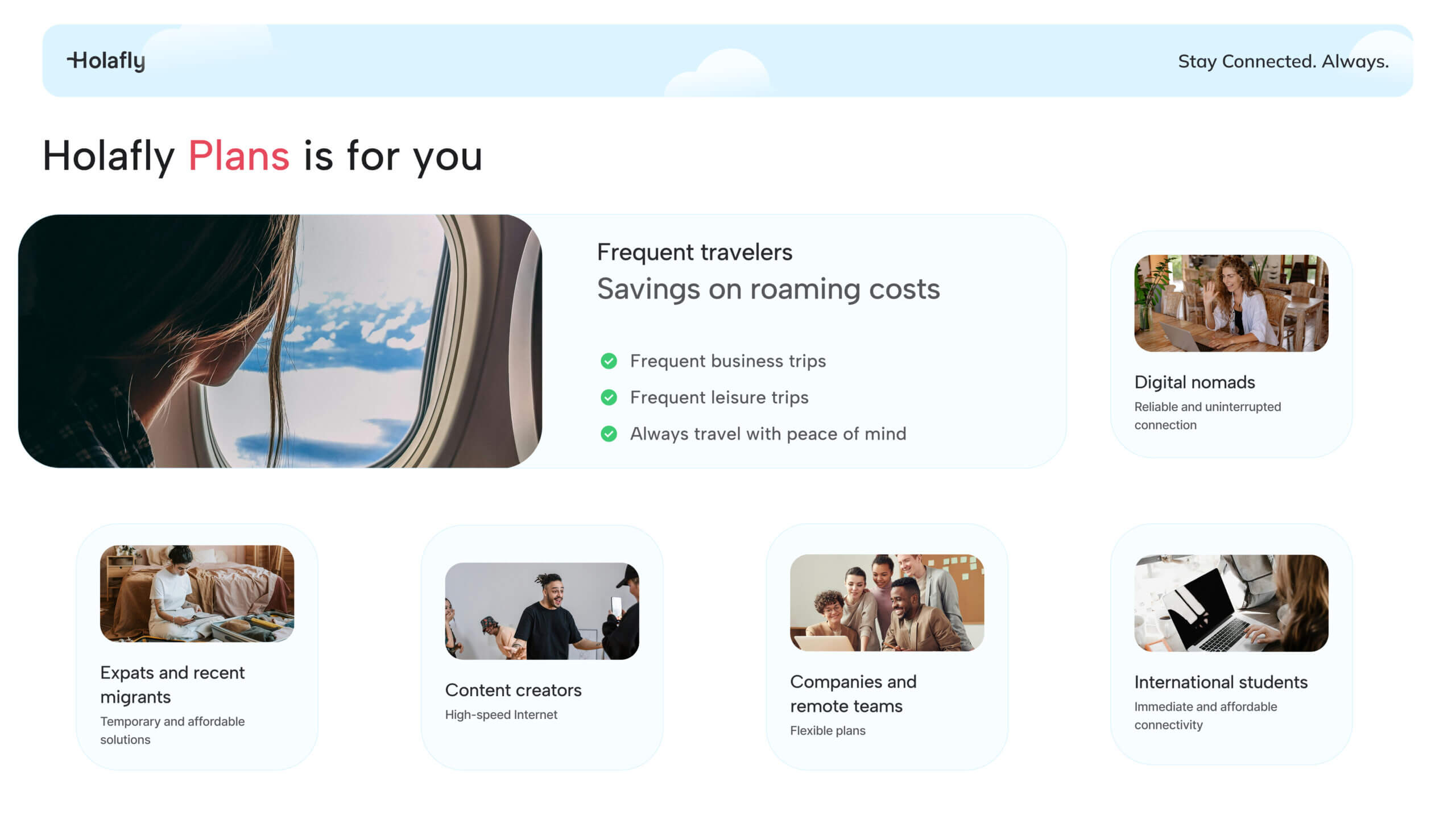
However, for those categorized as frequent travelers or digital nomads—those who cross borders at least once a month—the subscription model offers distinct advantages. By minimizing the "hassle factor" of purchasing new credentials in every country and providing a reliable, consistent, and unlimited data stream, these plans represent a significant maturation of the travel technology stack. As the world becomes increasingly mobile, the adoption of persistent, cloud-managed connectivity is likely to become the standard for the next generation of global citizens.