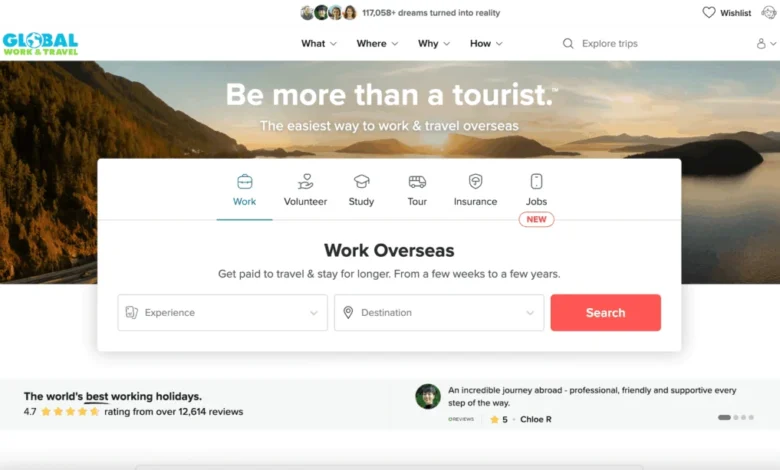
For decades, international travel has been characterized by a passive, extractive model: visitors arrive in a destination, consume local landmarks and culinary experiences, and depart with little more than digital photographs and surface-level interactions. This cycle, often criticized for failing to provide genuine cross-cultural engagement, is now undergoing a systemic shift. As more travelers seek to move beyond the traditional tourist experience, a growing sector of the travel industry is professionalizing long-term international placement, focusing on structured working holidays and vetted volunteerism. Companies like Global Work & Travel have emerged as central players in this transition, providing the logistical scaffolding required for individuals to integrate into foreign economies and communities for extended periods.
The Phenomenon of Extractive Tourism
The traditional tourism model relies heavily on short-term visits to high-traffic landmarks. Economists and sociologists have long noted that this form of travel creates a "bubble" where the traveler remains insulated from the daily realities of the host country. According to recent reports from the World Tourism Organization (UNWTO), the rise of mass tourism has led to increased concerns regarding the sustainability of local resources and the quality of interaction between visitors and residents.
Historically, long-term travelers—those who bypass the two-week vacation model in favor of months-long stays—have attempted to break this cycle. However, even these individuals often struggle to transition from "visitor" to "participant." Without a formal role in the local economy, the barrier between tourist and local remains rigid. The fundamental issue is one of proximity; without a reason to stay—such as employment, education, or organized community contribution—the traveler remains a transient observer.
The Emergence of Structured Working Holidays
The "digital nomad" trend, which gained significant momentum over the last decade, was initially presented as the solution to this transient lifestyle. By utilizing remote work, individuals were able to reside in foreign countries for months at a time. However, data suggests that this model is inaccessible to a large demographic of younger travelers and those without specialized, location-independent skill sets. Remote work requires a stable income, corporate permission, and a specific career trajectory that does not align with the average gap-year student or early-career professional.
In response, the "working holiday" has resurfaced as a more inclusive and grounded alternative. Unlike digital nomadism, which involves bringing an existing job into a new environment, a working holiday requires the individual to secure employment within the local economy. This integration serves as a primary driver for cultural immersion. When a traveler enters the local workforce, they gain access to a network of colleagues, a consistent daily schedule, and a deeper understanding of the local economic landscape.
Operational Logistics and Support Systems
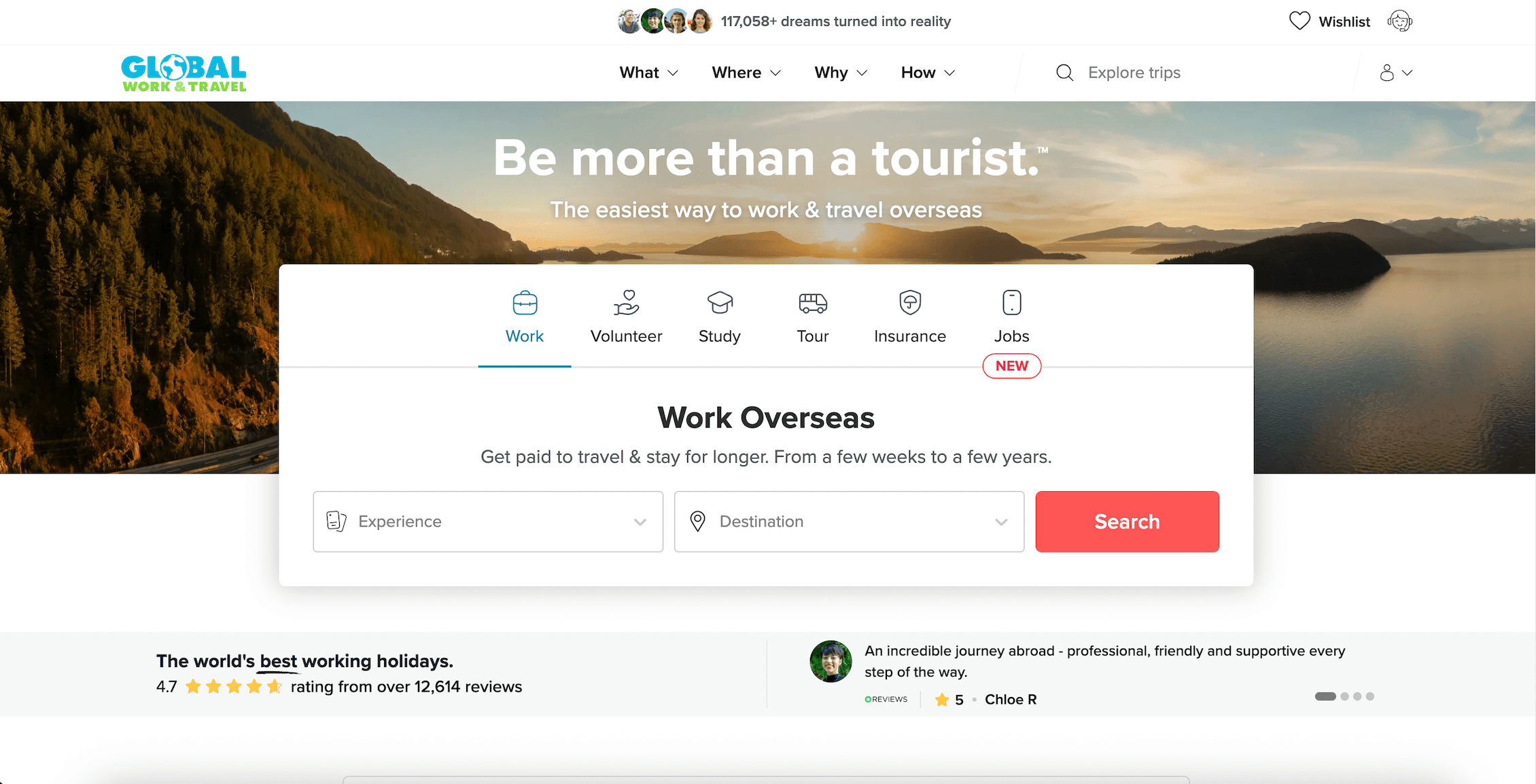
For an individual to successfully relocate, a significant number of logistical hurdles must be cleared, including visa procurement, tax compliance, housing acquisition, and job placement. For nearly two decades, organizations such as Global Work & Travel have facilitated these transitions for over 116,000 participants. The company’s model addresses the "scaffolding" problem—the primary reason many potential long-term travelers hesitate to move abroad.
By providing centralized support—such as the gWorld portal for trip management—these firms mitigate the risks associated with independent international relocation. The support structure typically includes:
- Pre-departure visa guidance and compliance support.
- Job matching services that align with local labor laws.
- Ongoing in-country support to assist with cultural adjustment.
- Safety nets for housing and emergency response.
This institutional support is critical for first-time travelers. By streamlining the bureaucratic requirements, companies allow participants to bypass the "deliberation phase," where many prospective travelers become overwhelmed by the complexity of international labor regulations and housing markets.
The Ethical Dimension of Volunteering Abroad
The volunteer travel sector has faced intense scrutiny in recent years, with critics highlighting the prevalence of "voluntourism"—programs that prioritize profit over tangible community benefit. In response, there has been an industry-wide push for higher standards of vetting. Ethical volunteering is now defined by programs that work directly with local stakeholders to identify specific needs, rather than imposing external solutions.
Global Work & Travel and similar organizations have adopted vetting processes to ensure their programs, spanning wildlife conservation, healthcare, and community education, contribute meaningfully to the host region. For instance, in Tanzania and South Africa, structured placements often focus on conservation initiatives that require long-term commitment. The efficacy of these programs is increasingly measured by the longevity of the impact—whether a project continues to function after the volunteer departs. The establishment of independent funds, such as the Global Animal Welfare Fund, represents a shift toward sustainable, long-term financial support for host communities and ecosystems.
Economic and Social Implications of Long-Term Integration
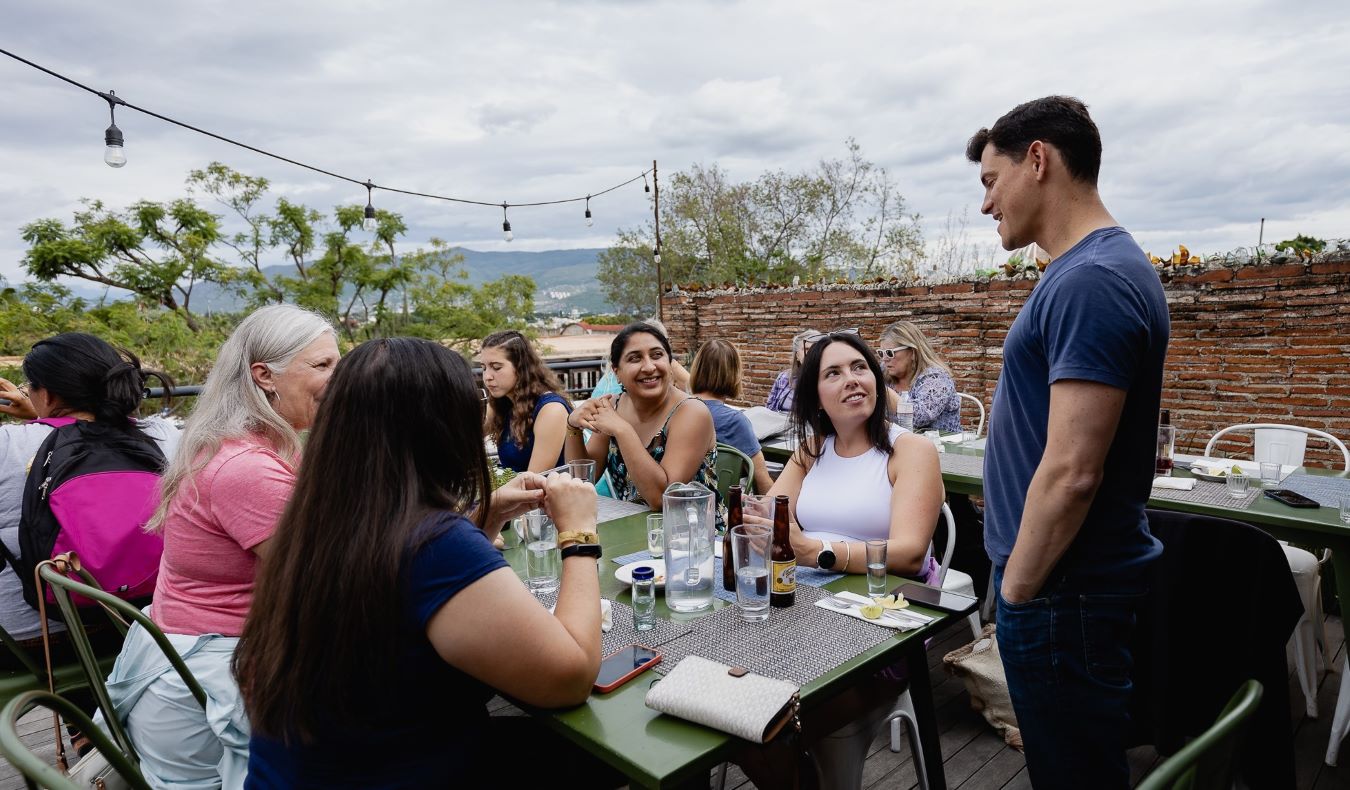
The transition toward long-term stays has broader implications for both the traveler and the host destination. For the traveler, the benefits include the acquisition of international professional experience, which can be a significant asset in a globalized labor market. Moreover, the cost of long-term travel is often lower than high-frequency tourism, as participants transition from expensive, short-term accommodation to local living arrangements.
For host nations, the influx of working-holiday makers can provide a boost to service and hospitality sectors, particularly in areas experiencing labor shortages. Furthermore, the social exchange that occurs in a workplace setting is fundamentally different from the interaction between a tourist and a service provider. It allows for the formation of organic relationships that are more likely to result in a nuanced understanding of cultural values and societal challenges.
Navigating the Future of Global Mobility
The current trajectory suggests that the "gap year" is no longer the exclusive domain of the privileged. With the availability of structured programs, working abroad has become a scalable, accessible life choice for a broader demographic. The age range for many of these programs, often extending up to 80 years for volunteer roles, indicates a shift in the perceived target audience: international immersion is increasingly viewed as a pursuit for all stages of life, not just for the young.
As the industry matures, the focus is expected to remain on transparency and logistical efficiency. The use of digital tools to manage visa quotas, interview preparation, and local networking is likely to become the standard. For those looking to transition from the "passive tourist" to the "active participant," the existence of professionalized support systems has removed the primary barriers that once kept global living out of reach for the average citizen.
In summary, the evolution of international travel is moving toward a model of active engagement. Whether through working holidays that allow for economic integration or through vetted volunteerism that addresses specific local needs, the future of travel is defined by the depth of the connection rather than the breadth of the itinerary. For the modern traveler, the goal is increasingly clear: to leave behind the transient nature of the tourist in favor of a more grounded, sustainable, and culturally resonant experience. By leveraging the logistical infrastructure provided by modern global organizations, travelers are finding that the "deep travel" experience is not only achievable but is becoming the new standard for meaningful international engagement.