The pursuit of the ideal weekend retreat often involves a complex matrix of logistics, geographic constraints, and personal preferences. For urban professionals residing in metropolitan centers such as London, the desire to disconnect frequently clashes with the pragmatic need for accessibility, comfort, and culinary convenience. In response to these shifting demands for domestic leisure, the short-term rental market across the British countryside has undergone a significant evolution. Properties are no longer valued merely for their physical location, but for their ability to deliver a seamless, high-touch hospitality experience that mirrors the amenities of five-star boutique hotels while retaining the privacy and character of historic vernacular architecture.
This trend is exemplified by the recent operational success of historic rural properties managed as hyper-curated escapes. A prominent case study is found in the picturesque village of Adderbury, Oxfordshire, where a pair of 16th-century thatched-roof properties known as Strawtop Cottages has emerged as a benchmark for contemporary rural staycations. Owned and curated by digital content creators and entrepreneurs Josie and Charlie Irons, these Grade II-listed structures illustrate how historical preservation can successfully intersect with modern luxury expectations, shifting the paradigm of regional tourism in the Cotswolds.
Main Facts and Architectural Preservation
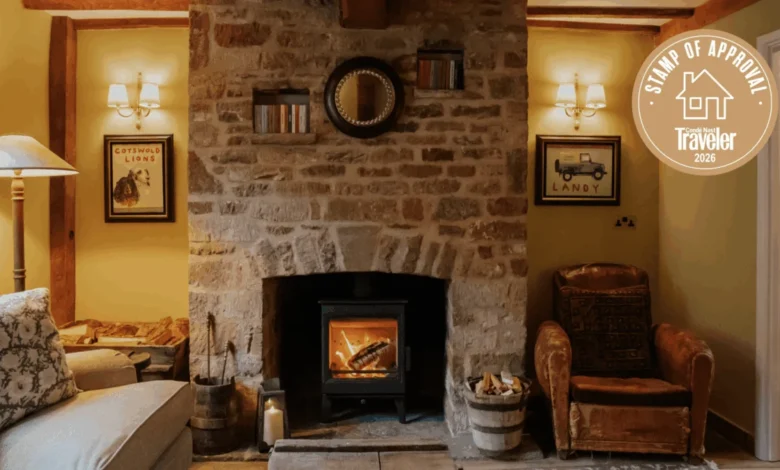
Strawtop Cottages comprises two adjacent historic dwellings situated on a quiet residential lane in Adderbury, located approximately a two-hour drive northwest of central London. Dating back to the 1500s, the structures retain a multitude of original architectural features, including exposed timber beams, steep thatched roofs, and thick stone walls, all protected under UK heritage guidelines as Grade II-listed assets.

The restoration process, spearheaded by the Irons family, required meticulous attention to historical conservation regulations balanced with contemporary interior design standards. The objective was to honor the centuries-long heritage of the buildings while introducing high-end amenities designed to eliminate friction for arriving guests.
Upon check-in, visitors are greeted with pre-warmed living spaces featuring lit lamps, prepared kindling for wood-burning stoves, and locally sourced provisions. The culinary setup typically includes artisan sourdough bread from regional bakers, organic eggs, Daylesford organic butter, and locally produced preserves. Practical provisions extend to weather-specific gear, including traditional Barbour jackets, Wellington boots, and umbrellas, acknowledging the variable nature of British weather, particularly during the spring shoulder season.
Chronology of the Staycation Economy
The surging popularity of properties like Strawtop Cottages is rooted in broader structural changes within the UK tourism and hospitality sectors, accelerated significantly by post-pandemic travel behaviors.
Pre-2020: Traditional B&B and Hotel Dominance
Historically, weekend breaks in the Cotswolds relied heavily on traditional country house hotels, commercial bed-and-breakfasts, or standard holiday cottages that often required guests to bring their own provisions and handle complex local logistics independently.

2020–2022: The Domestic Travel Boom
Lockdowns and international travel restrictions catalyzed a massive pivot toward domestic staycations. Consumers placed a premium on private, self-contained accommodations where social distancing could be naturally maintained. During this period, rural Airbnbs and independent rentals saw unprecedented demand, though service consistency varied widely.
2023–Present: The Rise of Curated Hospitality
As international travel resumed, the domestic short-term rental market faced increased competition. To sustain high occupancy rates and premium pricing, property owners elevated their offerings by introducing concierge-level services, luxury bath products, bespoke interior design, and hyper-local recommendations. The model demonstrated by properties in Adderbury represents this current phase, where the line between private self-catering and high-end boutique hotel service is deliberately blurred.
Supporting Data and Economic Impact on Regional Tourism
The economic ramifications of this shift toward curated rural tourism are substantial for local economies in Oxfordshire and the broader Cotswolds Area of Outstanding Natural Beauty (AONB). According to regional tourism boards, domestic visitors contribute billions of pounds annually to the rural economy, with a significant percentage spent on food, beverage, and localized retail experiences.
Properties that integrate digital concierge services—such as pre-booked dining reservations and curated itineraries provided by hosts—significantly increase visitor expenditure in surrounding villages. Rather than remaining isolated within the rental property, guests are systematically guided toward independent local establishments.

Data gathered from guest patterns at rural retreats in the Adderbury and Bicester regions highlight several key economic touchpoints:
- Culinary Integration: Over 75% of visitors to boutique rural cottages utilize host-recommended local dining establishments rather than relying exclusively on self-catering.
- Extended Stays: The inclusion of high-end comfort amenities (such as luxury bedding, blackout solutions, and acoustic insulation) correlates with a higher rate of repeat bookings and extended weekend stays spanning three to four nights.
- Local Supply Chain Collaboration: Partnerships with regional brands—such as organic farm shops, artisanal bakeries, and local breweries—drive secondary economic activity within a five-mile radius of the rental properties.
Official Responses and Host-Guest Dynamics
The operational philosophy behind properties managed by individuals with significant digital platforms relies heavily on trust, transparency, and preemptive communication. Charlie Irons, who manages the day-to-day operations of the Adderbury cottages, functions effectively as an informal concierge.
Industry analysts note that this hybrid model of hospitality addresses a common psychological barrier for modern travelers: decision fatigue. After a demanding work week in urban centers, guests often experience cognitive exhaustion when faced with researching local dining options, transport links, and activity schedules. By providing vetted recommendations and securing reservations in advance—such as at nearby culinary destinations like The Yurt at Nicholsons, The Norman Knight, and The Duke of Cumberland’s Head—hosts remove the logistical friction that traditionally accompanies independent travel.
While formal statements from municipal planning bodies emphasize the strict regulatory frameworks required to maintain Grade II-listed structures, local tourism officials have broadly welcomed private investment in historic preservation. Restoring centuries-old thatched cottages requires specialized craftsmanship and significant capital expenditure; short-term rental revenue models provide the necessary financial framework to maintain these architectural assets without relying entirely on public heritage grants.

Broader Industry Implications and Future Outlook
The success of micro-hospitality concepts in the Cotswolds signals a broader transformation in how historic real estate is utilized and monetized across the United Kingdom.
- The Professionalization of Independent Rentals: The era of passive property management in the short-term rental market is largely receding. Guests increasingly expect hotel-grade linens, premium bath products (such as Bamford and Soho Home amenities), and advanced climate and lighting controls, even within antique structures.
- Placemaking Through Digital Curation: Content creators and digital entrepreneurs are uniquely positioned to market historic properties by leveraging visual storytelling. This direct-to-consumer marketing bypasses traditional booking platforms’ high commission structures and establishes an immediate emotional connection between the guest and the destination.
- Balancing Tourism and Community Integration: As rural villages experience influxes of weekend visitors, sustainable management models become paramount. Properties that actively direct guests to local pubs, independent eateries, and walking trails help distribute economic benefits evenly throughout the community while mitigating potential friction with permanent residents.
Ultimately, the evolution of retreats like those in Adderbury demonstrates that the future of rural tourism lies in the meticulous fusion of heritage preservation and intuitive, personalized service. For urban travelers seeking respite from high-density environments, the value proposition is clear: historic architecture paired with contemporary comfort offers a viable blueprint for the modern weekend getaway.