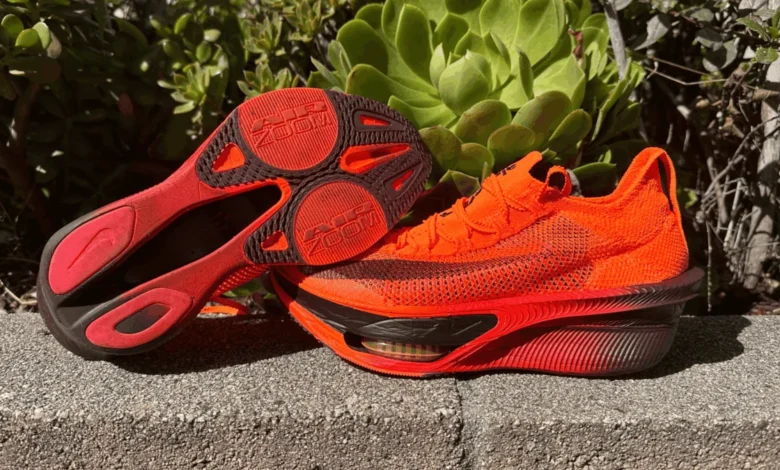
The Nike Alphafly remains the definitive benchmark in the marathon super shoe category, representing the pinnacle of performance engineering that redefined long-distance running. Since the introduction of the original model, the silhouette has become synonymous with record-breaking performances. It served as the primary instrument for Eliud Kipchoge’s historic sub-two-hour exhibition in 2019 and his official 2:01:09 world record in 2022. The legacy continued through the late Kelvin Kiptum, who shattered the world record in Chicago in 2023, and Ruth Chepngetich, whose 2:09:56 finish in 2024 established a new threshold for women’s marathon speed. As of November 1, 2026, the launch of the Alphafly 4 marks the latest chapter in a six-year journey of rapid iteration, design refinement, and athletic dominance.
A Chronology of the Alphafly Lineage
The history of the Alphafly is defined by a pursuit of the elusive balance between maximum energy return and structural stability. The first iteration, released to the public in 2020, revolutionized the sport with its radical geometry, featuring massive stacks of ZoomX foam and dual Air Zoom pods. While it provided an unprecedented "bounce," critics and elite athletes noted a significant lack of lateral stability, particularly on turns.
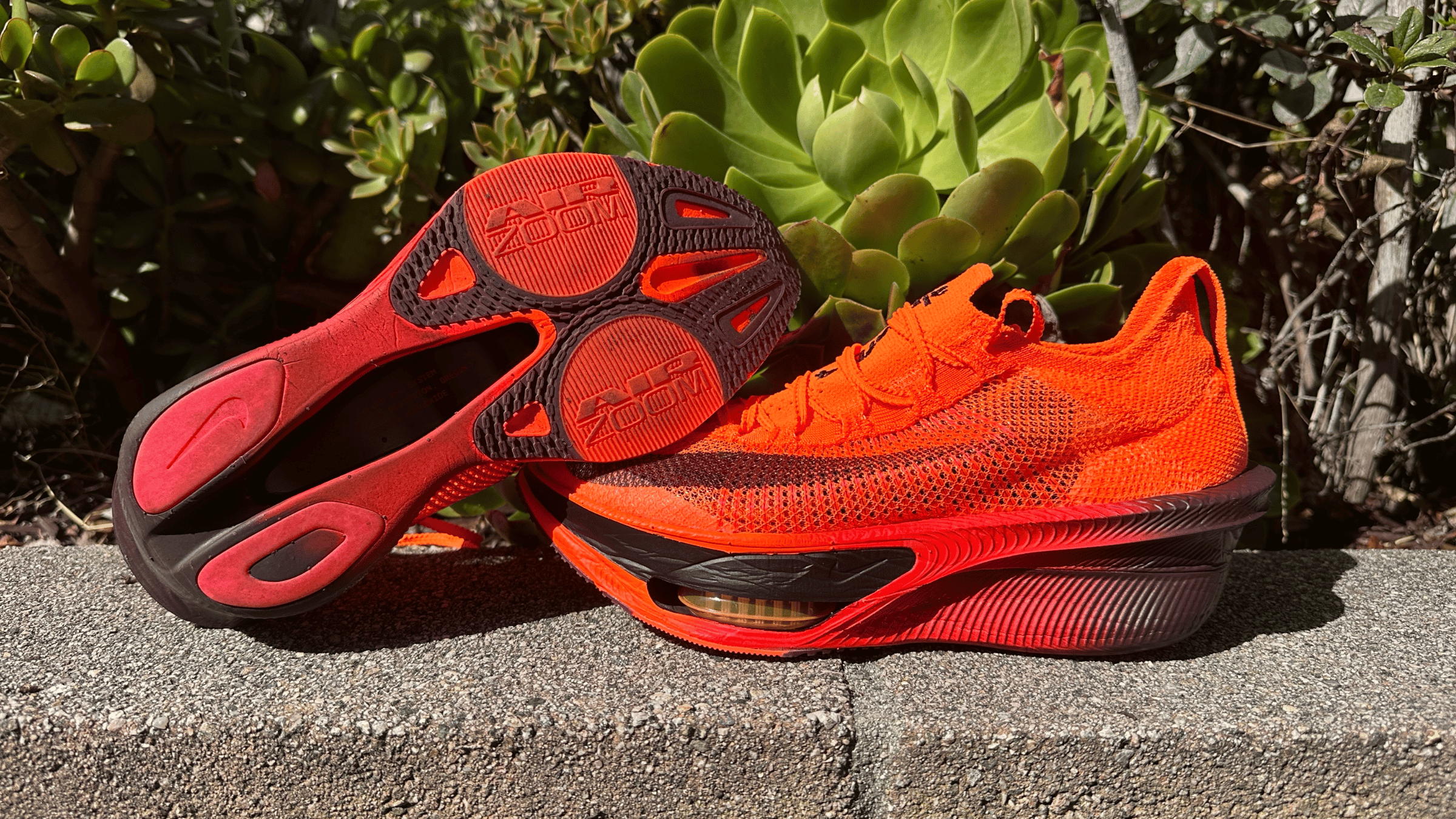
The Alphafly 2 arrived as a direct response to these stability concerns. By widening the base and adjusting the plate geometry, Nike successfully anchored the shoe, but many testers reported a heavier, more muted ride that lacked the explosive sensation of the original. The subsequent Alphafly 3, which garnered widespread acclaim, successfully synthesized these two poles. It introduced a continuous midsole and repositioned the Air Zoom units to reclaim the lost energy return while maintaining a lightweight, streamlined package.
Technical Specifications and Engineering Breakthroughs
The Alphafly 4, launching in late 2026, represents what Nike’s vice president of running footwear product management, Bret Schoolmeester, has described as the most significant mechanical overhaul in the franchise’s history. Despite maintaining a visual aesthetic similar to its predecessor, the internal architecture has been entirely reimagined.
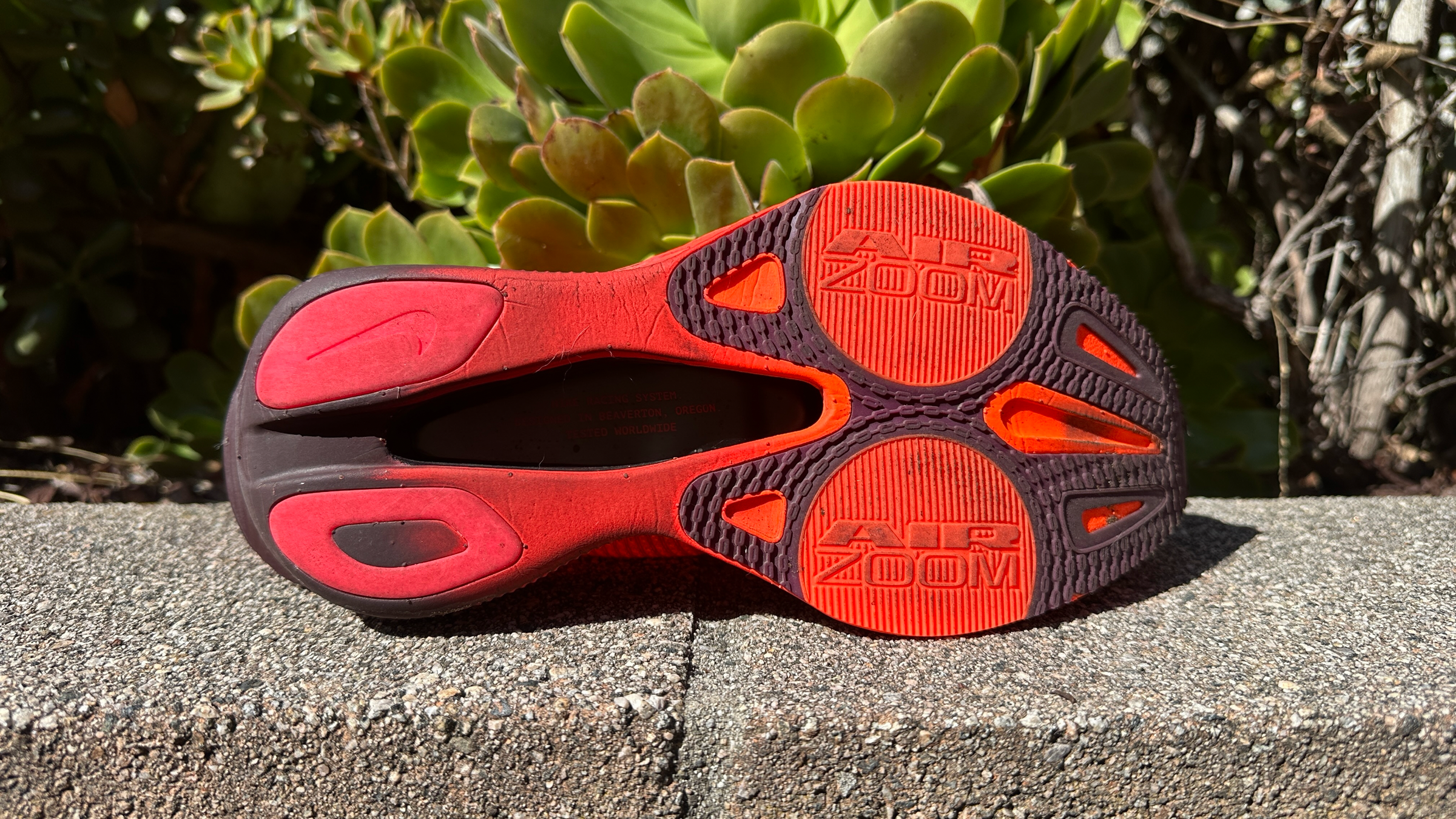
The most notable departure is the manufacturing process for the Air Zoom units. While previous iterations relied on thermal heat sealing, the Alphafly 4 utilizes radio-frequency welding. This precision manufacturing technique produces thinner, more durable seams, resulting in a reported 30 percent weight reduction in the pods themselves. Furthermore, the introduction of "ZoomX LT" foam—a proprietary processing evolution of the existing ZoomX material—allows for a softer, more compliant landing without sacrificing the characteristic rebound required for elite racing.
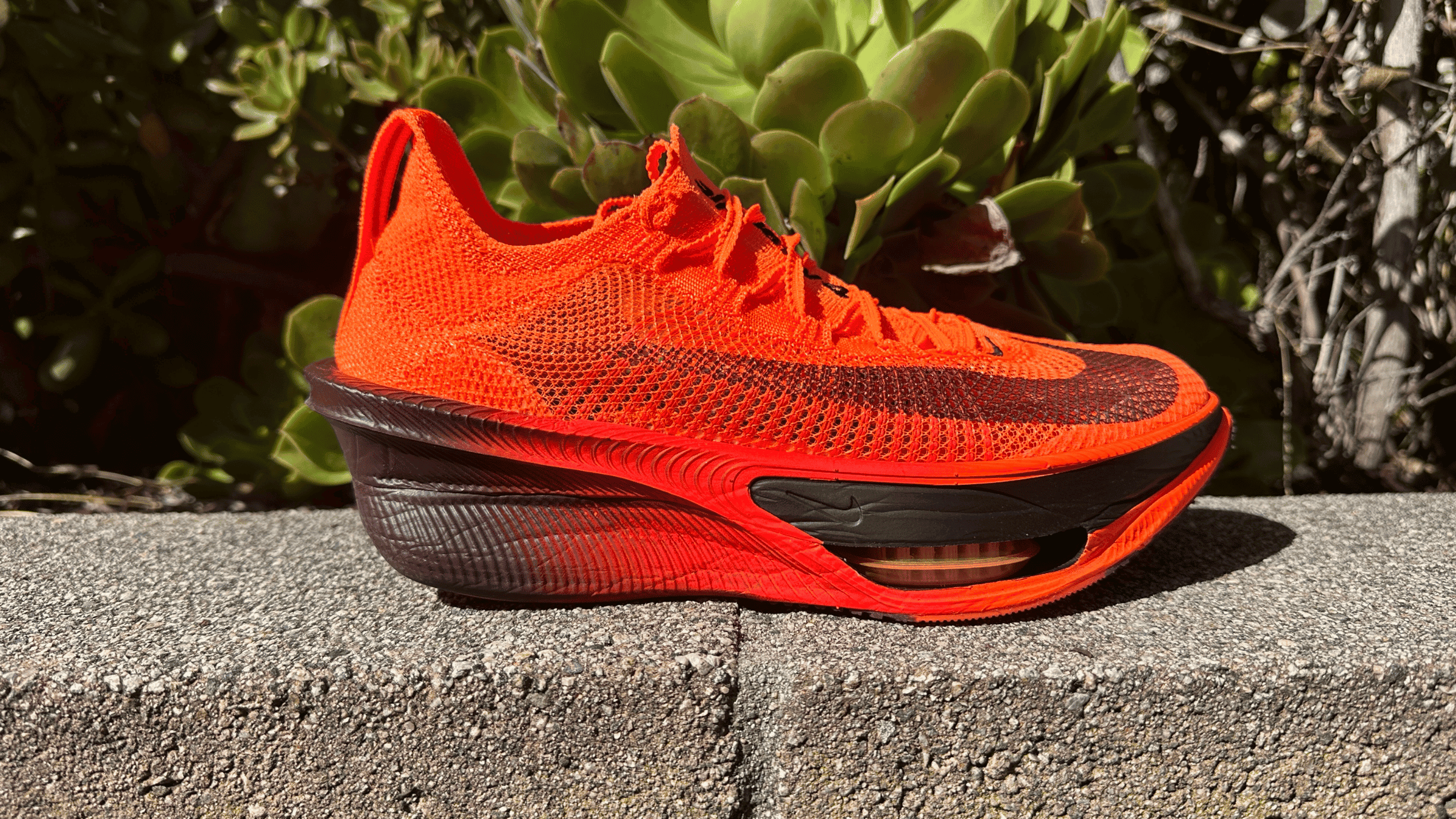
Technical Data Overview:
- Weight: 6.6 ounces (based on a men’s size 8.5 / women’s size 10)
- Stack Height: 39 mm in the heel, 31 mm in the forefoot
- Heel-to-Toe Drop: 8 mm
- Upper Material: Next-generation AtomKnit
The carbon fiber plate, a hallmark of the Alphafly series, has undergone a subtle geometry shift. By widening the base of the plate, engineers have further improved landing stability, allowing for more aggressive cornering—a critical factor for city-based marathons with high-density turn counts.
Performance Analysis and User Experience
In practical application, the Alphafly 4 demonstrates a distinct shift in personality compared to the Alphafly 3. Early testing indicates that the shoe is more "accessible" to a wider range of paces. The softer forefoot allows the Air Zoom units to engage with less downward force, making the propulsion system effective even for runners operating at sub-elite speeds.
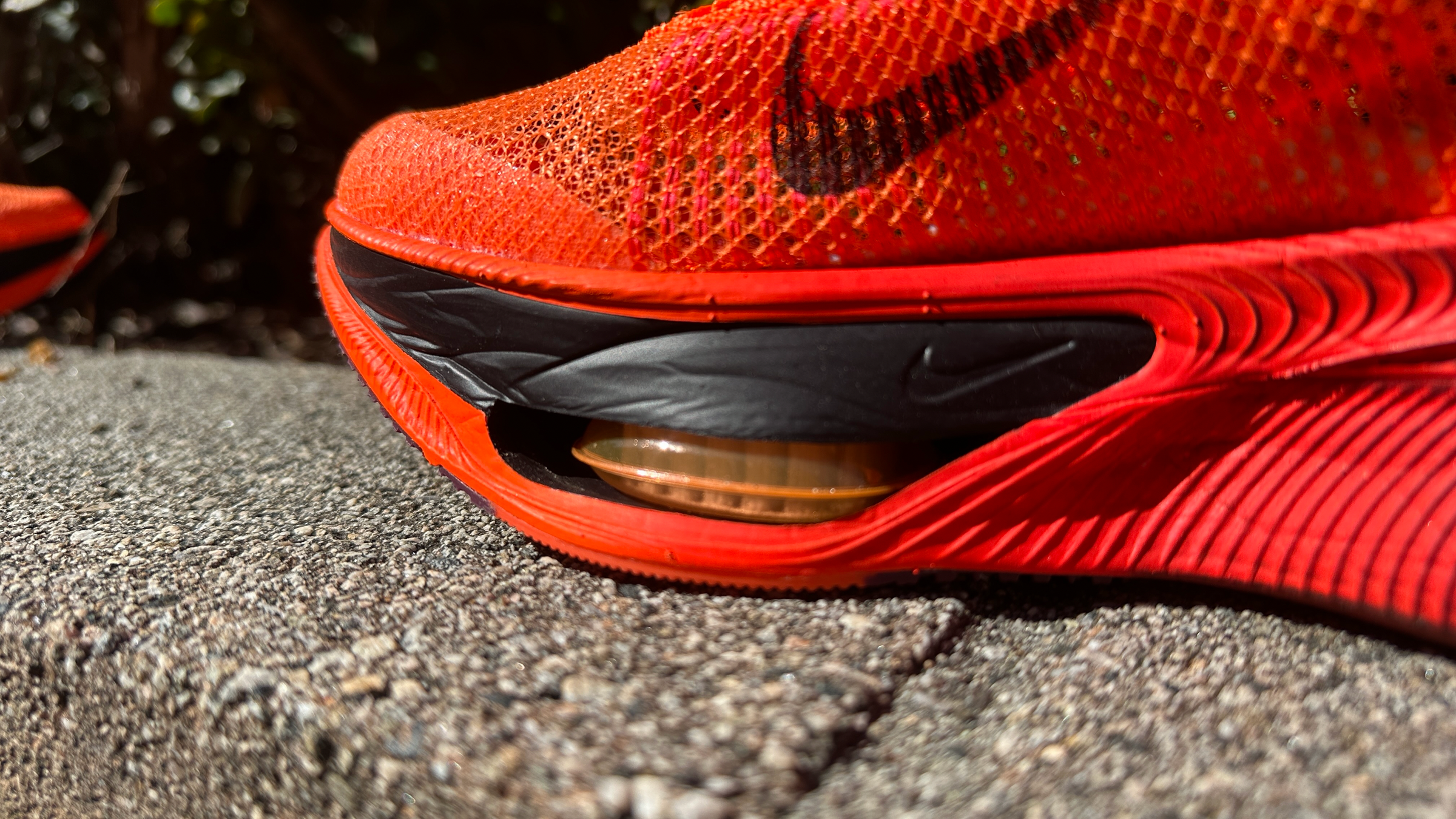
However, this shift toward comfort and compliance carries a trade-off. At high-intensity, short-duration efforts—specifically at 10K race paces or faster—the shoe exhibits less of the aggressive "snap" that defined the Alphafly 3. This suggests that the Alphafly 4 has been optimized for the endurance demands of the 26.2-mile distance, where late-stage fatigue often compromises running form. By providing a more forgiving ride, the shoe aims to mitigate muscle fatigue over the final miles of a race, potentially offering a greater advantage than raw propulsion for the majority of the marathon field.
The upper construction has also been a focal point of refinement. The updated AtomKnit material addresses previous complaints regarding the difficulty of entry and the restrictive fit that plagued the Alphafly 3. The new design offers increased volume in the toe box, allowing for natural foot splay—an essential feature as feet inevitably swell during the duration of a marathon.
Market Context and Competitive Landscape
The release of the Alphafly 4 occurs within a highly saturated market. Competitors such as Adidas, with the Adios Pro 5, and Saucony, with the Endorphin Elite 3, have made significant gains in closing the performance gap that Nike once held exclusively.
The Adios Pro 5 continues to emphasize its carbon-rod configuration, which offers a different, more natural sensation of propulsion compared to Nike’s pod-based system. Meanwhile, the Saucony Endorphin Elite 3 focuses on extreme energy return through its unique foam density and geometry. The Alphafly 4 distinguishes itself in this landscape by positioning itself not necessarily as the "fastest" shoe for a 5K or 10K, but as the most technologically advanced tool for the specialized, high-stress environment of the marathon.
Strategic Implications for Competitive Running
The emergence of the Alphafly 4 highlights a broader trend in the footwear industry: the move toward specialized segmentation. Just as cycling has distinct categories for climbing, time trials, and road racing, the super shoe market is bifurcating.
Nike’s current lineup effectively separates the Vaporfly 4—which remains the preferred choice for shorter, high-intensity efforts—from the Alphafly 4, which is explicitly tuned for the marathon distance. For the competitive runner, this creates a more complex decision-making process. The choice between models is no longer simply about personal preference, but about matching the mechanical properties of the shoe to the specific demands of the race distance and the athlete’s own biomechanical needs.
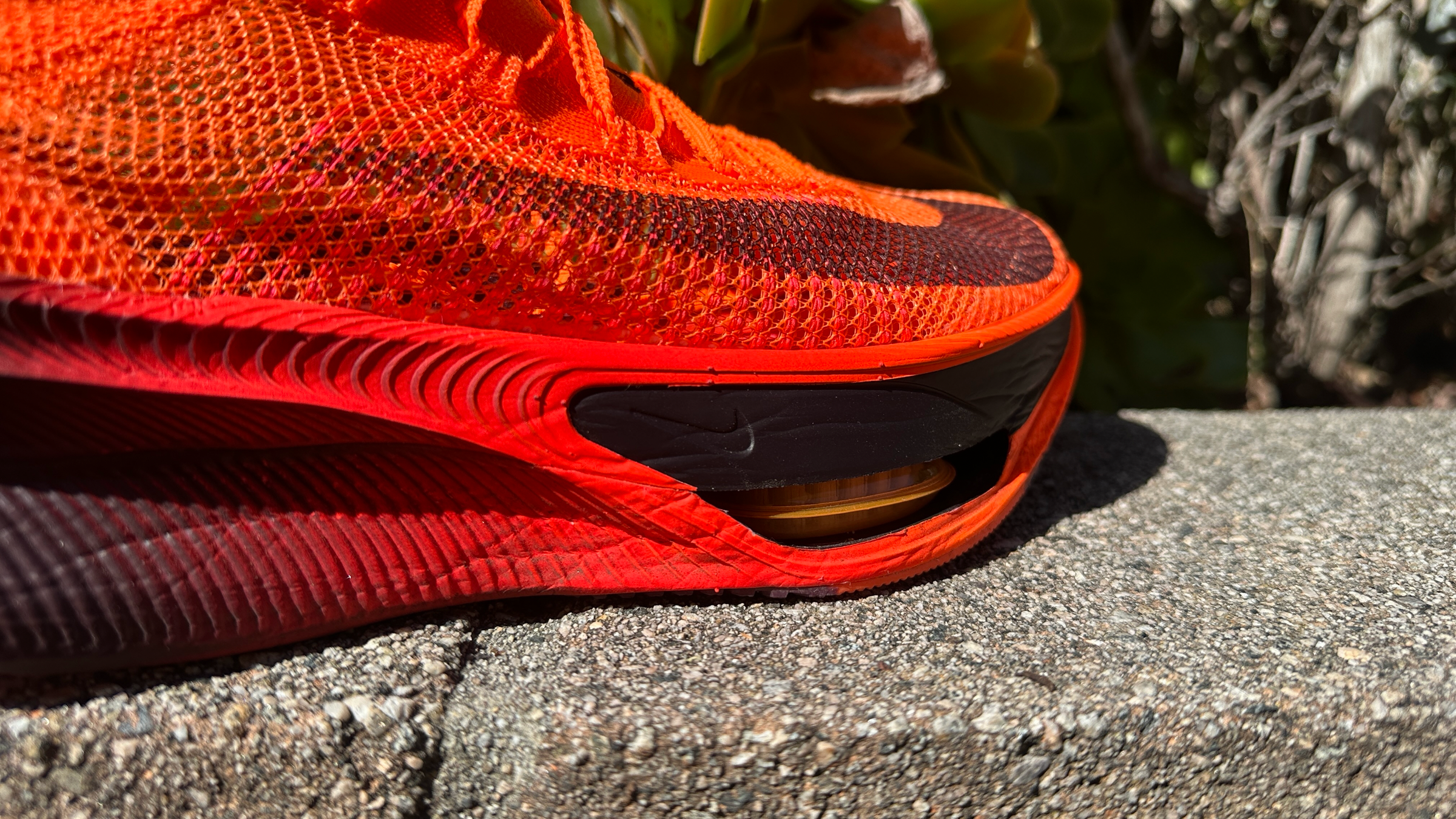
As athletic governing bodies continue to refine the rules regarding stack height and plate composition, the Alphafly 4 stands as a testament to the boundaries of current material science. The transition from heat-sealed pods to radio-frequency welding represents a move toward more precise manufacturing, which may eventually lead to greater consistency in shoe performance across different production batches—a common point of contention among high-level competitors.
Conclusion
The Nike Alphafly 4 is a calculated evolution rather than a revolutionary departure. By prioritizing a more accommodating fit, enhanced stability, and a more accessible, cushioned ride, Nike has addressed the primary criticisms of the Alphafly 3. While some athletes may miss the raw, explosive energy return of previous versions, the design focus on long-distance comfort and structural efficiency positions the Alphafly 4 as a formidable contender for the most important race in a runner’s calendar. Whether this new iteration will see the same record-breaking success as its predecessors remains to be seen, but the technical data suggests that it is built to survive—and thrive—in the most grueling conditions of the marathon. As the season progresses, the performance of elites wearing the new platform will serve as the final, and most important, validation of this latest engineering endeavor.