United Airlines Expands Domestic and International Fleet with New Boeing 737 MAX 8 Deliveries Amid Strategic Growth Initiatives


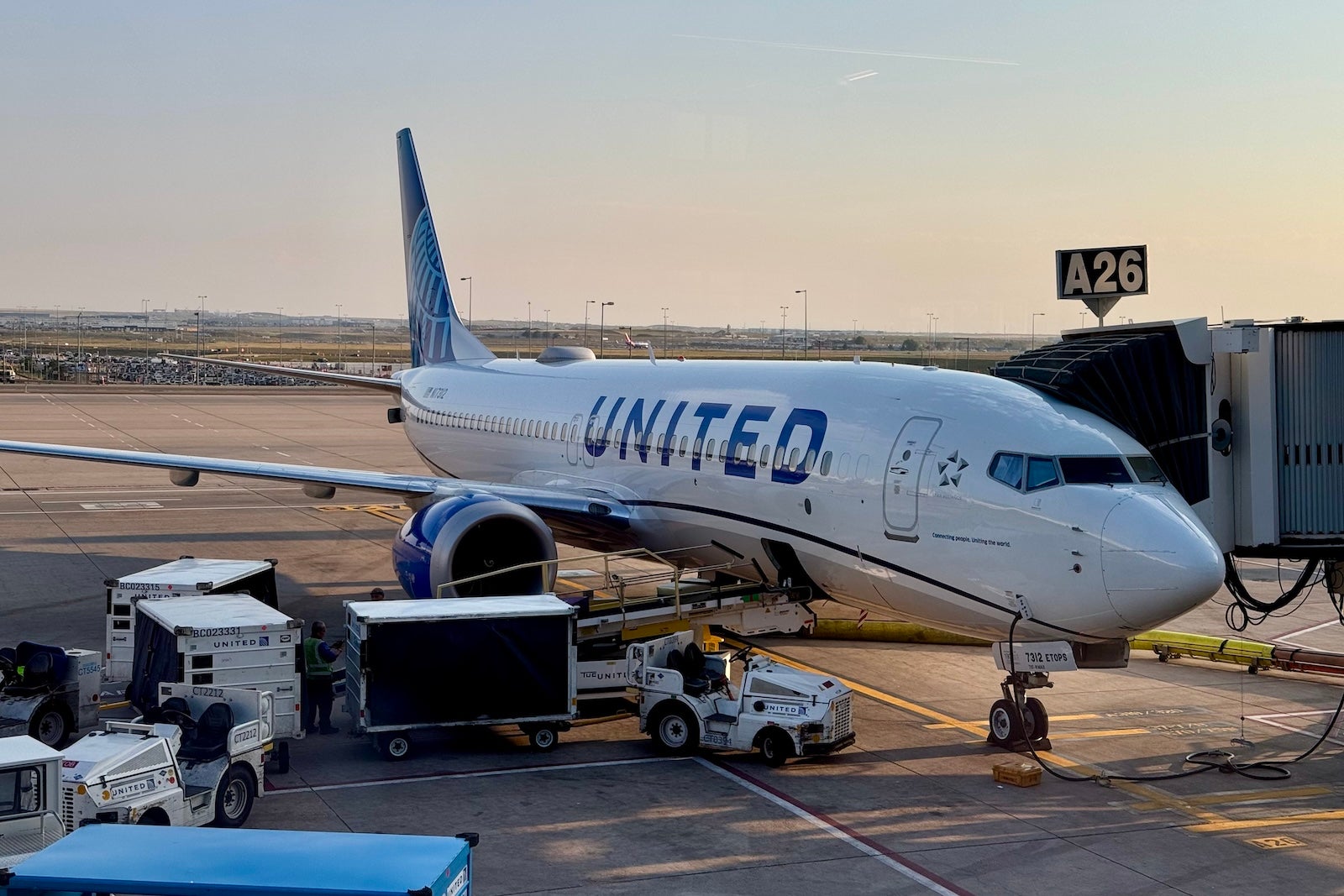
United Airlines has officially integrated a new series of Boeing 737 MAX 8 aircraft into its operational fleet, marking another milestone in the carrier’s multi-year fleet modernization and expansion strategy. The addition of these fuel-efficient narrowbody jets underscores United’s ongoing commitment to enhancing passenger capacity, upgrading the onboard customer experience, and improving overall operational efficiency across its extensive domestic and international network. This latest development aligns with the airline’s broader corporate roadmap, commonly known as United Next, which aims to transform the carrier’s network capabilities, reduce per-seat operating costs, and lower overall carbon emissions through the deployment of next-generation aircraft technology.
The integration of these advanced twin-engine jets comes at a critical juncture for the commercial aviation sector, as major U.S. carriers continue to navigate shifting consumer travel demand, fluctuating jet fuel prices, and complex supply chain constraints affecting aircraft manufacturers. By bolstering its single-aisle fleet with the Boeing 737 MAX 8, United Airlines positions itself to capture growing leisure and business travel volumes while maintaining strict cost-control measures. Industry analysts note that fleet standardization around modern aircraft families enables airlines to streamline pilot training regimens, optimize maintenance schedules, and reduce inventory costs for spare parts.
Fleet Modernization and the United Next Strategy
The arrival of the new Boeing 737 MAX 8 aircraft is part of a massive, long-term fleet acquisition strategy that United Airlines launched to reshape its operational footprint. Under the United Next framework, the airline has placed substantial orders for hundreds of narrowbody and widebody aircraft from both Boeing and Airbus. The primary objectives of this ambitious capital expenditure program include replacing aging, less fuel-efficient mainline aircraft, expanding point-to-point domestic connectivity, and upgrading cabin interiors with modern amenities such as larger overhead bins, seatback entertainment screens, and high-speed Wi-Fi connectivity.
The Boeing 737 MAX 8 plays a foundational role in this strategy. Powered by advanced CFM International LEAP-1B engines, the aircraft delivers a significant reduction in fuel consumption and CO2 emissions compared to the previous-generation Boeing 737 Next-Generation models it replaces. Additionally, the MAX 8 offers a quieter cabin environment and an extended operational range, allowing United to deploy the aircraft on transcontinental routes as well as select short-haul international flights to Canada, Mexico, and the Caribbean.
From an economic perspective, the incorporation of these aircraft supports United’s financial goals by driving down unit costs. As airlines face persistent inflationary pressures regarding labor, maintenance, and airport fees, deploying modern, fuel-efficient aircraft is widely regarded as one of the most effective hedges against high operational expenses. Furthermore, the capacity configuration of United’s Boeing 737 MAX 8—typically featuring a multi-class layout including United First, Economy Plus, and standard Economy—allows the carrier to dynamically match capacity with localized demand trends across its major hub airports, such as Chicago O’Hare, Denver International, Houston Intercontinental, and Newark Liberty International.
Chronology of the Boeing 737 MAX Reintroduction and Fleet Integration
The path toward the widespread adoption of the Boeing 737 MAX family by major U.S. carriers has been defined by rigorous regulatory oversight, safety enhancements, and careful rebuilding of public confidence. Following the worldwide grounding of the 737 MAX fleet in March 2019, the Federal Aviation Administration (FAA) and international regulatory bodies mandated extensive software updates, revised pilot training protocols, and physical wiring modifications before clearing the aircraft to return to commercial service in late 2020.
Following recertification, United Airlines methodically reintroduced the aircraft type into its active schedule. The carrier focused heavily on transparency, offering customers the option to change flights without penalty if they expressed hesitation about flying on the aircraft model, though demand quickly normalized as passengers returned to the skies.
Throughout 2021, 2022, and 2023, United steadily took delivery of new MAX 8 and MAX 9 aircraft, gradually scaling up its single-aisle operations. Despite industry-wide manufacturing delays and supply chain bottlenecks that impacted delivery timelines across the entire aerospace sector, United maintained an active dialogue with Boeing to secure a steady stream of incoming frames. The latest deliveries arriving in late 2026 reflect the maturation of these production lines and demonstrate the airline’s ability to absorb new capacity systematically into its operational networks.
Economic and Operational Data Supporting Fleet Expansion
A closer examination of operational metrics reveals why airlines like United continue to prioritize narrowbody fleet renewal. Modern single-aisle aircraft generally offer a 14% to 20% improvement in fuel efficiency per seat compared to older legacy aircraft. Given that fuel typically represents one of the single largest variable expenses for an airline—often accounting for 25% to 30% of total operating costs—even modest efficiency gains translate to substantial annual savings.
In addition to fuel savings, the maintenance profile of a newly delivered aircraft is significantly more favorable during its initial years of service. Newer airframes require fewer heavy checks and experience fewer mechanical irregularities, which directly improves schedule reliability and on-time performance metrics. For United Airlines, maintaining high schedule reliability is paramount, as operational disruptions can trigger cascading delays across its heavily banked hub-and-spoke system, resulting in substantial reaccommodation costs and passenger dissatisfaction.
Passenger capacity metrics also favor the introduction of the MAX 8. United’s configuration of the aircraft typically accommodates around 166 passengers, striking an optimal balance between gauge size and frequency on high-density domestic corridors. This allows the airline to offer multiple daily flights between key business markets rather than relying on fewer large-gauge widebody flights, thereby providing business travelers with greater schedule flexibility.
Official Responses and Industry Stakeholder Perspectives
Representatives for United Airlines have consistently emphasized that customer feedback regarding the airline’s upgraded narrowbody fleet has been overwhelmingly positive. Passengers have highlighted the enhanced comfort of the modern cabin architecture, the reliability of the onboard entertainment systems, and the increased capacity of the overhead storage bins, which are designed to accommodate a roller bag for nearly every passenger on board.
Boeing has likewise expressed satisfaction with the steady pace of deliveries to major airline partners like United. In recent communications, Boeing commercial aviation executives noted that production rates for the 737 MAX program are stabilizing as supply chain pressures begin to ease. The manufacturer has worked closely with airline customers to ensure that quality assurance and delivery milestones are met without compromising safety or regulatory compliance.
Airline labor unions, including pilots represented by the Air Line Pilots Association (ALPA) and flight attendants represented by the Association of Flight Attendants (AFA), have monitored the fleet expansion closely. Crew representatives have praised the standardization of the flight deck across the 737 family, which simplifies training and operational procedures, while also welcoming the introduction of modern, ergonomic crew rest and galley spaces designed to reduce fatigue on longer-duration domestic and near-international pairings.
Broader Market Implications and Future Outlook
The continued expansion of United’s fleet with aircraft such as the Boeing 737 MAX 8 carries broader implications for the competitive landscape of the U.S. airline industry. Major network carriers are currently engaged in a strategic race to modernize their fleets, enhance premium cabin offerings, and capture high-yield leisure and business travelers. By introducing modern aircraft equipped with state-of-the-art amenities, United strengthens its competitive position against rivals such as Delta Air Lines and American Airlines.
Furthermore, environmental considerations play an increasingly vital role in corporate strategy. As regulatory bodies and corporate travel managers place greater scrutiny on aviation’s carbon footprint, airlines must demonstrate measurable progress toward sustainability targets. Operating a younger, more fuel-efficient fleet is currently the most direct and impactful lever airlines possess to reduce greenhouse gas emissions per available seat mile (ASM). While sustainable aviation fuel (SAF) and long-term electric or hydrogen propulsion technologies remain in developmental or nascent commercial phases, fleet modernization provides immediate, tangible environmental benefits.
Looking forward, United Airlines plans to continue taking delivery of new aircraft over the remainder of the decade as part of its scheduled fleet replacement and growth plan. The airline’s disciplined approach to capacity management, combined with strategic investments in aircraft technology, positions it to adapt effectively to evolving economic cycles and consumer preferences. As these new Boeing 737 MAX 8 aircraft assume their places on tarmac ramps across the United network, they represent not merely an addition of metal and engines, but a foundational element of the airline’s long-term vision for modern, efficient, and customer-centric commercial aviation.