Navigating the Modern Credit Card Landscape: Evaluating Issuer Offers, Consumer Strategies, and Financial Disclosure Standards in 2026

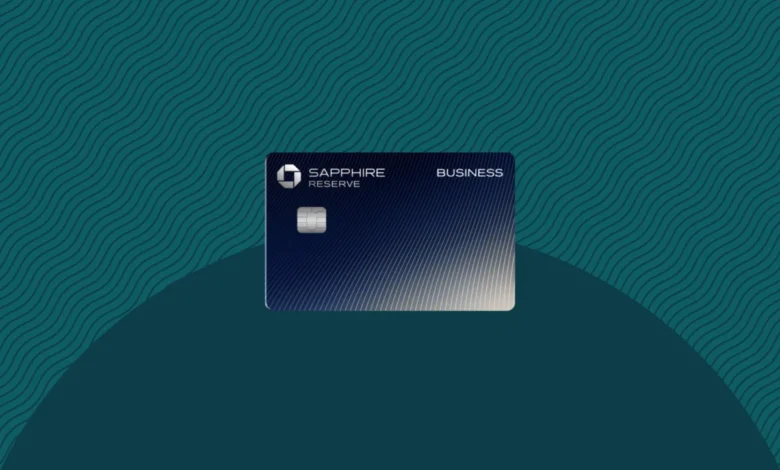
The contemporary financial marketplace presents consumers with an unprecedented array of credit card products, ranging from travel rewards and cash-back incentives to low-interest balance transfer options. As the credit card industry continues to evolve in response to shifting economic indicators, digital banking innovations, and regulatory updates, navigating the landscape requires a nuanced understanding of how issuers structure their offers, how platforms evaluate these financial products, and what disclosures govern the relationship between publishers and consumers. This comprehensive analysis examines the current state of credit card marketing, the methodology behind product evaluations, the implications of partner compensation models, and strategic considerations for consumers looking to optimize their personal finances in late 2026.
Understanding the Mechanics of Credit Card Partnerships and Compensation
At the heart of the modern financial publishing industry lies a complex ecosystem of partnerships between credit card issuers and media outlets, review sites, and comparison platforms. When consumers browse online financial publications and choose to apply for a credit card via a referral link, the publisher frequently receives compensation from the issuer upon approval. This affiliate model has become a cornerstone of how financial information is funded and distributed in the digital age, allowing consumers to access comprehensive guides and comparison tools without paying a direct subscription fee.
However, this business model introduces important questions regarding objectivity, transparency, and editorial independence. To maintain consumer trust, reputable financial publications adhere to strict editorial firewalls that separate the business development and affiliate partnerships teams from the writers, analysts, and editors responsible for product reviews.
Editorial independence ensures that the opinions expressed, the metrics analyzed, and the recommendations provided reflect genuine assessments of a card’s value proposition rather than the financial incentives offered by the issuer. For instance, a high-earning travel rewards card might feature prominently in an editorial roundup not because of its commission rate, but because it offers competitive point multipliers, extensive travel protections, and valuable introductory bonuses that outpace competing products in the market. Conversely, cards that carry exorbitant annual fees without commensurate perks are routinely subjected to critical analysis, regardless of their partnership status.
Transparency and Advertising Disclosures in Financial Media
Regulatory bodies, including the Federal Trade Commission (FTC), mandate strict disclosure guidelines regarding commercial relationships in digital media. Financial publications are legally and ethically obligated to inform readers whenever a piece of content features products from commercial partners who compensate the platform upon user approval.
These disclosures typically appear near the top of review pages, alongside statements clarifying that the site does not feature every credit card available on the broader market. The absence of certain cards from a publisher’s lineup is frequently a function of business agreements, resource limitations, or editorial scope rather than an absolute judgment on the unlisted products. Consequently, consumers are consistently advised to view comparison sites as valuable starting points rather than exhaustive inventories of every financial product in existence.
Furthermore, standard editorial disclaimers explicitly state that the opinions expressed within reviews belong solely to the authors and editorial staff. These views do not represent those of banks, credit card issuers, airlines, hotel chains, or any other corporate entity. Issuers do not review, approve, or endorse editorial content prior to publication, ensuring that consumer-facing analyses remain untainted by corporate censorship or promotional steering.
A Chronological Evolution of Credit Card Review Methodologies
The framework for evaluating credit cards has undergone a significant transformation over the past decade. Historically, consumer finance advice was dominated by printed guides and static financial columns that focused primarily on basic interest rates, grace periods, and standard credit limits. The proliferation of digital media and the explosion of rewards-based credit cards in the late 2010s and early 2020s necessitated a more sophisticated approach to product evaluation.
Phase One: The Era of Simple Interest and Basic Rewards (Pre-2015)
During this period, credit card evaluations were straightforward. Consumers prioritized low annual percentage rates (APRs) and basic cash-back structures—typically offering a flat 1% to 1.5% return on all purchases. Editorial reviews centered on comparing standard fees, penalty structures, and grace periods.
Phase Two: The Rewards Boom and Complex Valuation Models (2015–2020)
As issuers competed aggressively for high-net-worth and creditworthy consumers, the market saw the introduction of premium metal cards, complex point-and-mile ecosystems, and lucrative welcome offers. Review methodologies had to adapt. Financial publications began developing quantitative models to estimate the cent-per-point value of rewards currencies issued by major banks and travel loyalty programs. Editorial teams started evaluating nuanced perks such as airport lounge access, global entry application fee credits, and comprehensive travel insurance.
Phase Three: Digital Integration, Dynamic Offers, and Transparency Standards (2020–Present)
The current era is characterized by rapid digital integration, mobile-first application processes, and heightened regulatory scrutiny regarding marketing practices. Modern credit card reviews now incorporate analyses of digital wallet compatibility, instant digital card issuance, app-based spending analytics, and dynamic promotional offers that adjust based on consumer spending habits. Concurrently, publishing standards have crystallized around mandatory advertising disclosures, regular content updates to reflect changing terms and conditions, and rigorous product review methodologies that outline how scores are calculated.
Evaluating the Offer: Key Metrics and Analytical Criteria
When financial analysts evaluate a credit card for publication, they typically rely on a standardized matrix of criteria designed to measure overall consumer value. While individual needs vary drastically based on spending habits and credit scores, certain universal metrics apply across categories.
Welcome Bonuses and Sign-Up Incentives
One of the most heavily scrutinized elements of any credit card review is the introductory welcome offer. Issuers frequently incentivize new cardholders with large sums of cash back, statement credits, or transferable points after the consumer meets a specific spending threshold within the first three to six months of account opening. Analysts evaluate whether the required spend is attainable for the average consumer without inducing unnecessary debt, and whether the net value of the bonus outweighs the card’s annual fee in the first year.

Ongoing Earning Potential and Category Multipliers
Beyond the initial bonus, the long-term viability of a credit card depends on its ongoing rewards structure. Reviewers analyze whether a card offers flat-rate rewards on all purchases or tiered rewards that incentivize spending in high-cost categories such as dining, grocery stores, gas stations, transit, and streaming services. For travel cards, analysts weigh the benefits of booking through proprietary travel portals versus booking directly with airlines and hotels.
Annual Fees Versus Value Realized
The presence of an annual fee—which can range from under $100 for mid-tier rewards cards to $695 or more for ultra-premium luxury cards—requires careful scrutiny. Editorial analyses do not merely dismiss cards with high annual fees; instead, they calculate the "net cost" of the card by factoring in recurring credits (such as annual travel credits, Uber cash, dining statements, or airline incidental fee reimbursements). If a cardholder can organically utilize these credits, a high annual fee can often be neutralized, turning an expensive card into a net-positive financial tool.
Interest Rates and Cost of Carrying a Balance
While rewards and perks dominate marketing materials, fundamental credit metrics remain critical. Reviewers examine the card’s purchase APR, balance transfer APR, penalty APR, and foreign transaction fees. Financial journalism consistently emphasizes that rewards cards are only financially beneficial if the cardholder pays the statement balance in full every month; otherwise, high interest charges quickly eclipse any rewards earned.
Broader Economic Implications of the Modern Credit Card Market
The proliferation of high-reward credit cards and the sophisticated marketing machinery behind them carry significant implications for the broader economy, consumer behavior, and the banking sector.
The Economics of Interchange Fees
Every time a consumer swipes, inserts, or taps a credit card, the merchant pays an interchange fee (often referred to as a swipe fee), a portion of which is funneled back to the issuing bank to fund lucrative rewards programs. This dynamic has sparked ongoing debates among merchants, policymakers, and financial institutions. Critics argue that these fees drive up consumer retail prices across the board, effectively forcing cash and debit card users to subsidize the rewards earned by affluent credit card holders. Conversely, issuers and rewards enthusiasts maintain that interchange fees support a secure, efficient electronic payment network that provides consumer protections far superior to traditional payment methods.
Consumer Debt Trends and Financial Literacy
As economic pressures fluctuate, credit card debt levels serve as a crucial barometer of household financial health. The accessibility of digital applications and targeted marketing can sometimes encourage impulse spending or over-leveraging among vulnerable demographics. In response, responsible financial journalism places heightened emphasis on consumer education, urging readers to assess their debt-to-income ratios, maintain disciplined budgeting habits, and understand the long-term impact of credit utilization on their credit scores.
The Shift Toward Digital-First Banking
The credit card landscape of late 2026 is increasingly digital. Physical plastic cards are frequently supplemented—or entirely replaced—by digital tokens stored in mobile wallets. Issuers are competing fiercely on the digital user experience, offering instant spend notifications, virtual card numbers for enhanced online security, automated budgeting categories, and seamless integration with personal finance software. Review methodologies have expanded accordingly, evaluating the reliability and feature set of mobile banking applications alongside traditional credit terms.
Best Practices for Consumers Navigating Credit Card Offers
For the everyday consumer, sorting through the vast landscape of credit card offers requires a strategic, methodical approach. Financial experts recommend several best practices to ensure that any new credit card application aligns with broader financial goals:
-
Assess Personal Credit Health: Before applying for any card, consumers should check their credit scores and reports. Premium rewards cards typically require "good" to "excellent" credit (generally 690 or higher on the FICO scale), while secured cards or products designed for credit-building cater to lower score ranges.
-
Match Cards to Natural Spending Habits: Consumers should avoid altering their purchasing behavior solely to chase rewards. Instead, they should analyze where their money naturally goes each month—whether it is groceries, dining out, online shopping, or business travel—and select a card that maximizes returns in those specific categories.
-
Factor in the Total Cost of Ownership: When evaluating a card with an annual fee, consumers should calculate whether they will organically use the associated perks. If a card requires unnatural spending to extract value from its credits, it is likely the wrong financial product.
-
Read the Fine Print: Terms and conditions change frequently. Reviewing the summary of credit terms—including the exact APR, penalty clauses, foreign transaction fee policies, and the mechanics of how rewards are earned and redeemed—prevents unwelcome surprises down the road.
-
Prioritize Responsible Usage: The golden rule of credit card management remains unchanged: never carry a balance that accrues interest. Treating a credit card like a debit card—charging only what can be paid off in full during each billing cycle—ensures that the consumer captures the full net value of rewards and credit-building benefits without falling into the debt trap.
Conclusion
The credit card market of 2026 is a dynamic, highly competitive arena where financial institutions vie for consumer loyalty through sophisticated rewards programs, digital innovations, and targeted marketing. While affiliate partnerships and compensation models fund the platforms that help consumers navigate this landscape, rigorous editorial standards, transparent disclosures, and objective evaluation methodologies remain essential for maintaining trust. By understanding the mechanics of credit card offers, recognizing the economic and regulatory contexts that govern them, and applying disciplined personal finance strategies, consumers can successfully harness credit cards as powerful tools for financial optimization rather than liabilities.