The Philosophy of the Edge: Jimmy Chin on the Intersection of Risk, Discipline, and Human Purpose

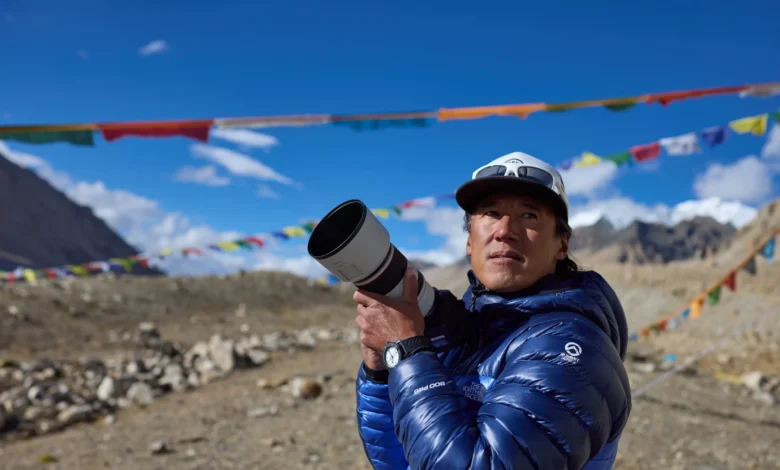
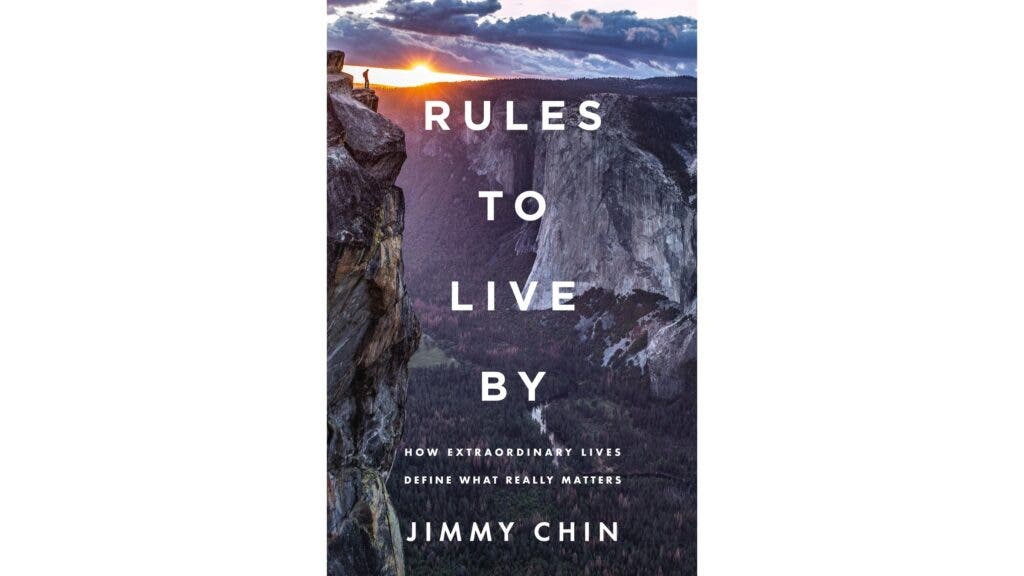
Published on October 31, 2026, the release of Jimmy Chin’s latest literary work, Rules to Live By, marks a significant departure for the Oscar-winning director. Known primarily for his visually arresting documentaries that capture the thin line between human ambition and mortal danger, Chin’s transition into memoir and long-form inquiry offers a deeper, more analytical look at the psychological frameworks that drive high-achievers. The book, published by Celadon, synthesizes a series of ten intimate conversations with cultural and athletic icons—ranging from Simone Biles and Yo-Yo Ma to retired SEAL Team 6 command master chief Bill King—to address a singular, existential question: In the end, what truly matters?
The origins of this project can be traced back to the late 1990s, when a young Jimmy Chin was living out of a 1989 Subaru Loyale, navigating a transient life between the granite monoliths of Yosemite and the jagged peaks of the Teton Range. At that time, his father, a librarian at Mankato State University in Minnesota, struggled to reconcile his son’s professional trajectory with the societal norms of the era. The elder Chin famously remarked that in 5,000 years of recorded language, there was no established vocabulary for the life of a professional climber. Decades later, the film and photography career Chin has built—including the Academy Award-winning Free Solo and the recent Everest: The Other Side—serves as that missing lexicon.
A Chronology of Artistic Evolution
Chin’s career has been defined by a deliberate, methodical approach to storytelling in extreme environments. His portfolio represents a shift from purely athletic achievement to the exploration of the human psyche under pressure.

- 1997–2004: The formative years. After graduating from college, Chin deferred traditional career paths, spending seven years living in vehicles and caves while honing his climbing skills.
- 2015: The release of Meru. This documentary brought critical attention to Chin’s ability to capture the psychological toll of high-stakes mountaineering, specifically the decision-making process when facing the "point of no return" on a mountain.
- 2018: Free Solo. The film achieved global acclaim, documenting Alex Honnold’s free solo ascent of El Capitan. It set a new benchmark for adventure filmmaking and grossed over $28 million worldwide.
- 2023: Wild Life. Chin pivoted toward conservationist storytelling, documenting the work of Doug and Kris Tompkins in protecting 17 million acres of wilderness in South America.
- 2026: The release of Rules to Live By, marking his first major foray into book publishing.
Data-Driven Discipline and the Myth of the Superhuman
A recurring theme in Chin’s work is the deconstruction of "superhuman" performance. In his recent discussions regarding the production of Free Solo, Chin addressed the widespread public misconception—often fueled by neurological brain scans featured in the film—that elite athletes like Alex Honnold lack the capacity for fear.
Data from the production process suggests otherwise. Chin emphasizes that Honnold’s success is not the result of a biological anomaly, but of an exhaustive, regimented, and hyper-disciplined approach to risk management. The film, which took four years to produce, captures a training process that spanned decades. The implication for the broader audience is significant: elite performance is often a product of "stepping outside the comfort zone in a regimented, disciplined way," rather than a lack of emotional response to danger.
To ensure the safety of his subject during the filming of Free Solo, Chin implemented a strict operational protocol for his crew. The mandate was clear: the needs of the film could never supersede the safety of the athlete. This operational framework mirrors the high-stakes discipline found in military and professional rescue environments, highlighting a bridge between creative filmmaking and technical risk assessment.
The Intersection of Military Strategy and Mountaineering
One of the more unexpected chapters in Chin’s career involves his engagement with elite military units, specifically SEAL Team 6. Following the success of his film Meru, Chin was invited to speak at an undisclosed military installation. The exchange was not a standard lecture; it was a rigorous interrogation of his decision-making processes.

The primary point of interest for the SEALs was Chin’s choice to turn back just 100 meters from the summit of Meru. In an environment where the "mission first" mentality is paramount, the ability to recognize when an objective has become fundamentally compromised is a critical skill. Chin’s analysis of this decision highlights the importance of "cross-checking" reality against ego. By setting predetermined thresholds for safety—"lines" that cannot be crossed—mountaineers and soldiers alike can maintain objectivity.
Furthermore, Chin identifies "humor" as a vital survival tool. Both in the mountains and during the most grueling phases of military selection, the capacity to retain a sense of humor acts as a stress-relief valve, preventing the cognitive narrowing that leads to panic.
Broad Implications: The Responsibility of the Platform
The publication of Rules to Live By reflects a maturing of Chin’s mission. He has moved from the documentation of physical feats to the curation of wisdom from those who have successfully navigated high-pressure lives. By including voices such as Yvon Chouinard and Kris Tompkins, Chin connects his athletic background to the urgent issue of environmental conservation.
The broader implication is a call to action based on individual utility. Drawing on Chouinard’s philosophy, Chin argues that individuals should contribute to global issues—such as climate change and habitat loss—using the specific "tools" they already possess. For the accountant, this means financial oversight for non-profits; for the filmmaker, it means utilizing a global platform to tell stories that drive public interest in conservation.
Professional Analysis of Risk and Legacy
The transition into fatherhood has forced a re-evaluation of the professional risks Chin takes. His argument that children require parents who are "alive inside"—meaning individuals who remain true to their passions—is a controversial but deeply held perspective within the extreme sports community. It serves as a counter-narrative to the idea that professional risk-taking is inherently selfish.
From a sociological perspective, Chin’s work serves as a barometer for how society views risk. As adventure sports move from the fringes into the mainstream, the need for a sophisticated understanding of the trade-offs between professional ambition and personal responsibility becomes increasingly vital. Chin’s attempt to codify these rules, and his insistence on the difficulty of the writing process, suggests a man who is as critical of his own internal narrative as he is of the external world he documents.
Ultimately, the impact of Rules to Live By lies in its ability to synthesize disparate life paths into a coherent set of values. Whether through the lens of a camera or the perspective of a climber, Chin’s work suggests that the most profound successes are not found in the summiting of a peak, but in the rigorous, often invisible, process of defining what one is willing to sacrifice for the things that truly matter. As he continues to document both the heights of human achievement and the depths of environmental fragility, Chin remains a central figure in the ongoing dialogue regarding the purpose of a life lived on the edge.