The Ecological and Economic Transformation of Ko Lipe: A Case Study in Southeast Asian Tourism Development


Nearly two decades ago, the Thai island of Ko Lipe was characterized by a lack of basic infrastructure, with electricity limited to a few hours per day and a modest, informal tourism economy. Since 2006, the island has undergone a profound metamorphosis, evolving from a secluded backpacker outpost into a heavily developed hub of regional tourism. This transition reflects a broader trend seen across Southeast Asian destinations, where rapid, often unregulated development has placed significant strain on local ecosystems and socioeconomic structures.
A Chronology of Rapid Expansion
In 2006, Ko Lipe was largely accessible only to intrepid travelers, featuring minimal amenities. The island’s transformation began in earnest around the late 2000s and early 2010s, coinciding with increased regional connectivity and the rise of digital travel platforms. By 2015, the island had shifted toward mass-market appeal, with significant investment in concrete infrastructure, including the conversion of dirt footpaths into paved roads designed to accommodate motorized transport and construction vehicles.
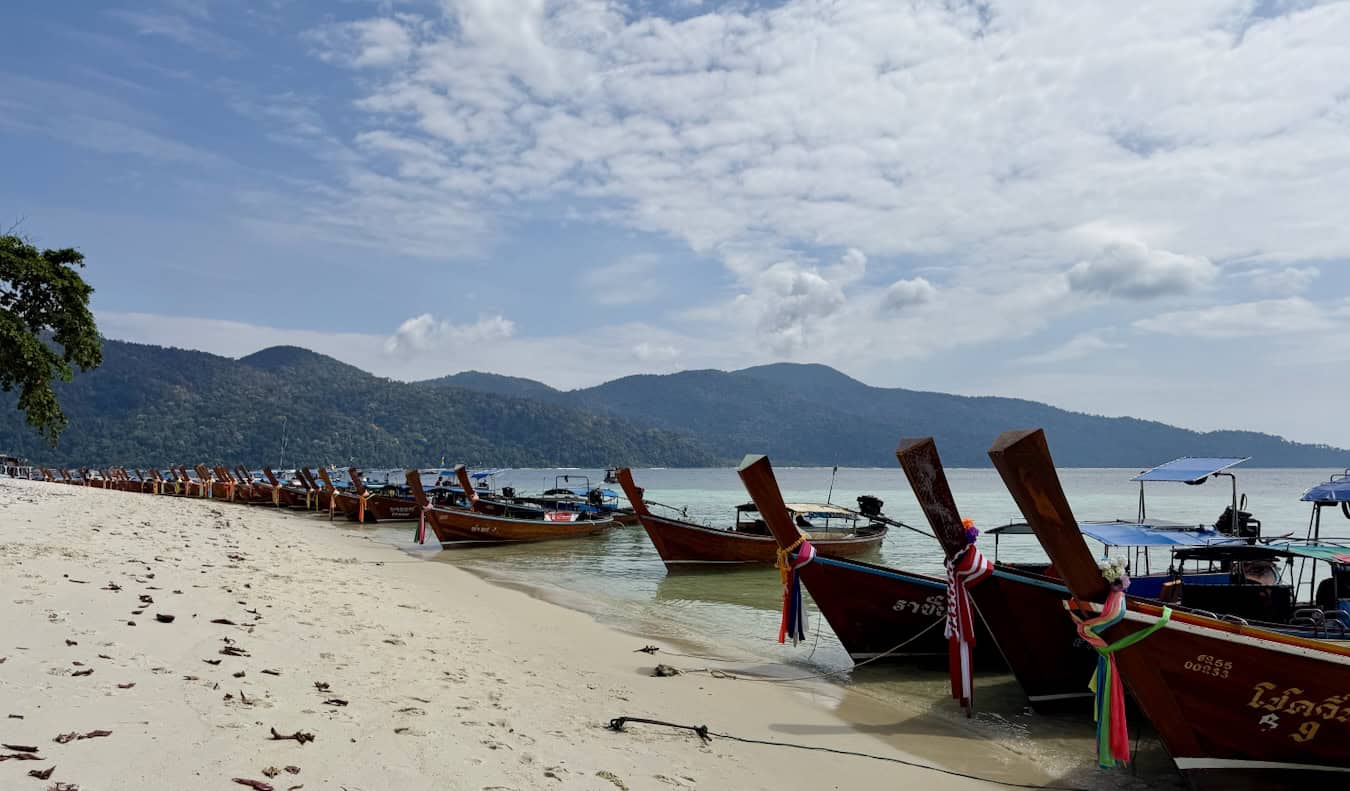
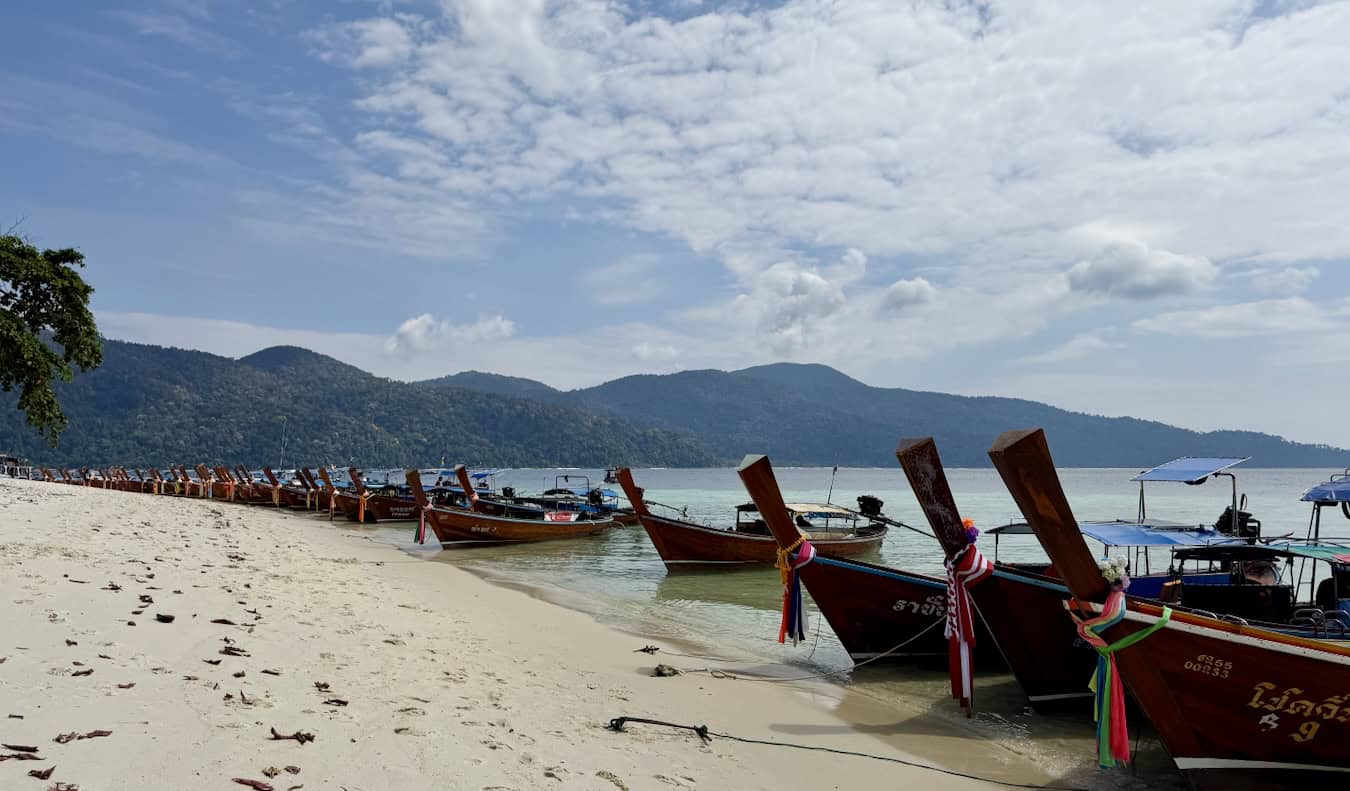
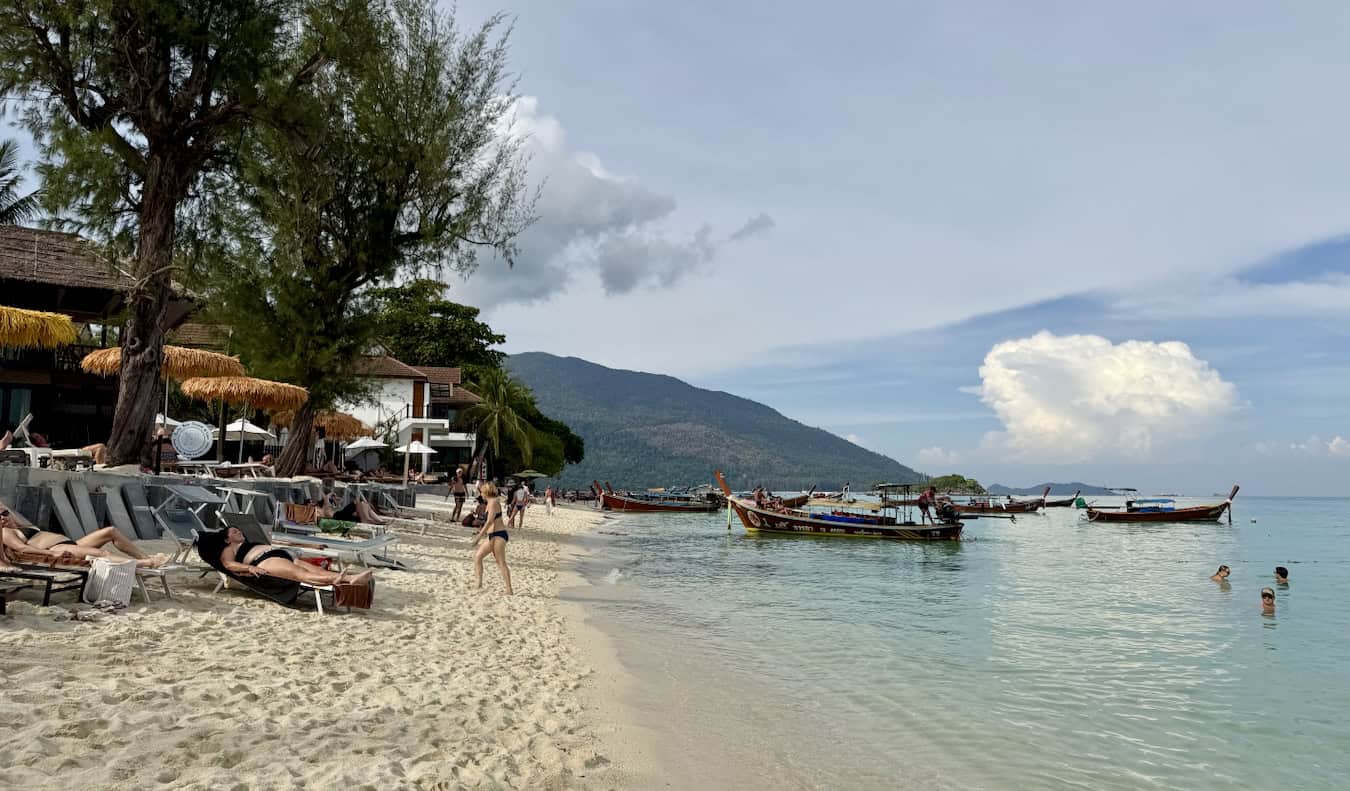
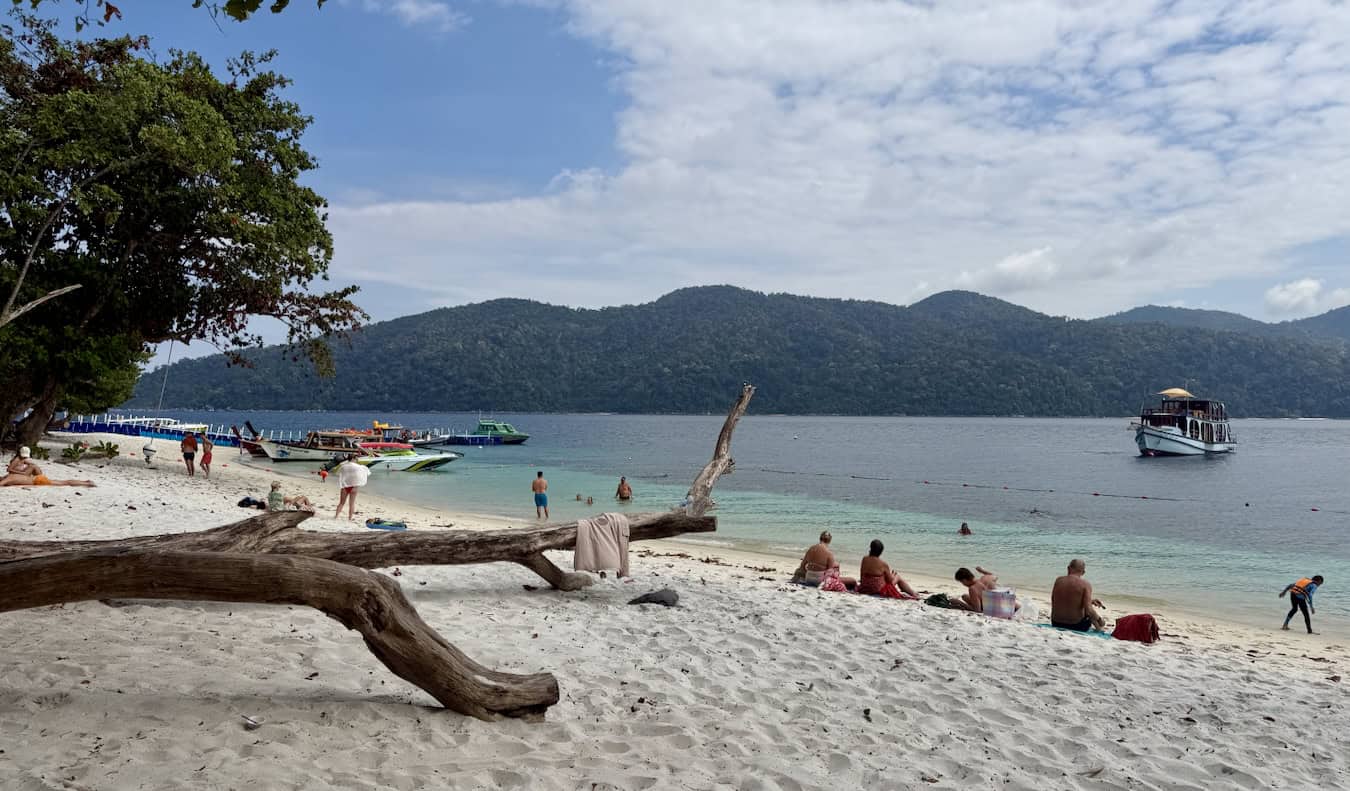
The current landscape of Ko Lipe bears little resemblance to its former state. The proliferation of high-end resorts—many equipped with swimming pools—has occurred despite the island’s limited freshwater resources. Data from regional environmental assessments indicates that the island’s aquifer and desalination capabilities are under constant pressure to meet the demands of a growing, transient population that far exceeds the island’s natural carrying capacity.
Environmental Degradation and Infrastructure Challenges
The environmental impact of this development is multifaceted. The surrounding marine ecosystem, which is technically part of the Tarutao National Marine Park, has experienced significant degradation. Studies of the local coral reefs suggest a decline in health due to a combination of factors: physical damage from boat anchors, chemical pollution from exhaust and waste runoff, and the persistent presence of large volumes of tourist traffic.
The "shiny film" often observed on the water’s surface is frequently attributed to the high density of long-tail boats and ferry services that service the island. These vessels, essential for transporting thousands of visitors annually, contribute to noise and water pollution that disrupts local marine life. Furthermore, the construction boom has resulted in the clearing of native vegetation, particularly palm groves, which has altered the island’s natural drainage patterns and exacerbated soil erosion during the monsoon season.
Socioeconomic Shifts and the Displacement of Local Communities
The economic narrative of Ko Lipe is one of displacement and structural change. Historically, the Urak Lawoi, an indigenous sea-faring group, served as the primary residents of the island. As land values surged due to tourism demand, significant portions of ancestral and community-held land were sold to commercial developers from the Thai mainland.
Current labor statistics for the region indicate that a substantial percentage of the island’s hospitality workforce consists of migrants from the mainland, rather than the local population. This shift has created a bifurcated economy: while tourism generates significant gross revenue, the wealth generated often flows back to outside investors and corporate entities, leaving the local Urak Lawoi community with reduced access to their traditional livelihoods and, in some cases, limited participation in the new economic order.
Comparative Analysis of Regional Tourism Models
Ko Lipe’s development trajectory is often compared to that of Ko Phi Phi, a destination that has become synonymous with the consequences of over-tourism. Following the "Ko Phi Phi model," the island has prioritized high-volume turnover. While this model provides immediate economic growth, it risks creating a "boom-bust" cycle where the environmental assets that initially attracted visitors are eventually destroyed by the very industry that relies on them.
In contrast, other islands in the Andaman Sea, such as Ko Lanta, Ko Jum, and Ko Mook, have pursued more moderate, and in some cases, strictly regulated development strategies. These destinations have managed to maintain a balance between visitor intake and environmental preservation, often through local zoning laws and a greater emphasis on eco-tourism. Analysis by regional urban planners suggests that islands which implement early-stage development caps are better positioned to avoid the severe degradation witnessed in Ko Lipe and Ko Phi Phi.
Industry and Regulatory Responses
There is no singular "official" response to the situation on Ko Lipe, as development is managed by a complex interplay of local municipalities, the Department of National Parks, Wildlife and Plant Conservation (DNP), and provincial authorities. However, environmental advocacy groups have repeatedly petitioned for more stringent enforcement of building codes and waste management regulations within the Tarutao National Marine Park.
The DNP has, at various times, introduced temporary closures or restrictions on specific sites to allow for coral recovery. Yet, these measures are frequently described by critics as reactive rather than proactive. The challenge remains that economic incentives for continued development often outweigh the immediate political or financial benefits of conservation, particularly when tourism accounts for a significant share of the national GDP.
The Role of Consumer Choice and Future Implications
The debate over the future of destinations like Ko Lipe has shifted from purely academic circles to the consciousness of the international traveler. The concept of "conscious travel"—where visitors consider the ecological and social footprint of their trip—has gained traction.
Industry analysts point out that consumer behavior can influence market supply. For instance, the decline in elephant tourism in Thailand is frequently cited as a successful example of how shifting consumer preferences can force an industry to adapt. Similarly, the rise of certified "eco-lodges" demonstrates that there is a growing market for sustainable alternatives. By opting for destinations that prioritize sustainability and by avoiding areas currently suffering from extreme over-development, travelers can exercise a form of market-based oversight.
Conclusion: The Sustainability Dilemma
The situation on Ko Lipe serves as a cautionary tale for both developers and travelers. The transformation of a remote, resource-scarce island into a major tourism hub highlights the inherent tension between economic development and environmental stewardship.
As the global travel industry continues to recover and expand, the pressure on vulnerable locations will likely intensify. The case of Ko Lipe demonstrates that once a critical threshold of development is passed, the damage to natural resources and the alteration of local social fabrics are often irreversible. Consequently, the current discourse among travel experts and environmental scientists increasingly emphasizes the need for "carrying capacity" studies before further expansion is approved in ecologically sensitive areas.
For prospective visitors, the implications are clear: the choices made regarding where to travel directly impact the sustainability of the destination. As the island of Ko Lipe continues to navigate its current trajectory, the broader tourism sector faces a pivotal question: how to reconcile the human desire to explore with the urgent necessity of preserving the planet’s most fragile environments. The "genie-out-of-the-bottle" reality of Ko Lipe suggests that without significant, systemic policy shifts, the path toward total over-development is difficult to reverse. In the interim, the onus remains on the traveler to consider the long-term impact of their presence in such high-risk, high-demand destinations.
Related posts: