The Silent Exodus: How Escalating Political Pressure is Driving LGBTQ Educators from America’s Classrooms

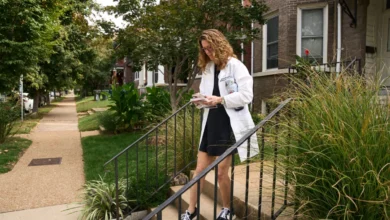
For the first time in nearly a decade, Alice, a veteran high school English teacher in southwestern Ohio, spent her autumn not in a classroom, but managing a small business. Her departure from the teaching profession last spring was not the result of a career change or a quest for higher pay, but a calculated decision to preserve her personal safety and mental well-being. Alice’s story is emblematic of a growing, nationwide trend: the systematic attrition of LGBTQ educators who find the current political climate in public schools increasingly untenable.

The roots of Alice’s decision trace back to a career defined by the tension between her professional dedication and her identity. After leaving a Catholic school nearly a decade ago—where a colleague was fired during a targeted campaign orchestrated by a parent—she transitioned to public education, hoping for a more inclusive environment. By 2015, she understood the stakes of being an openly gay teacher in a conservative district, yet she maintained a belief that her sexual orientation would not impede her ability to serve her students. That assumption fractured during the 2024 election cycle.
A Chronology of Increasing Hostility
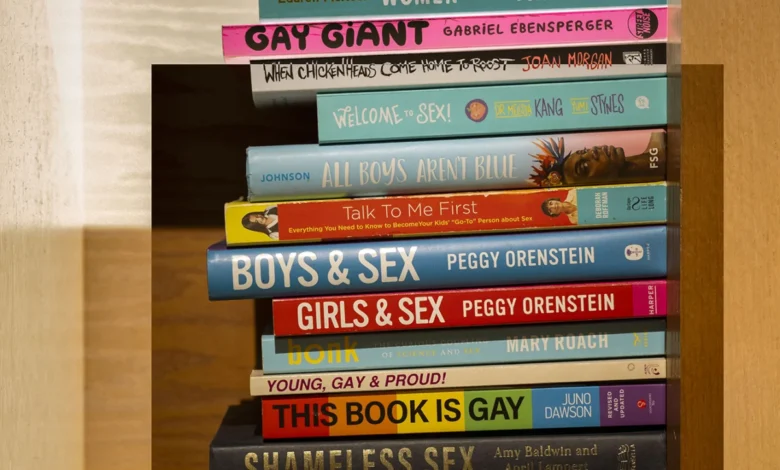
The shift in Alice’s professional life intensified following the 2024 election. After she discussed the curriculum, including the inclusion of banned books, in personal social media posts, she became the target of local community backlash. Facebook groups in her district became hubs for vitriol, where she was doxxed, threatened, and subjected to accusations of being a "groomer."

The aftermath of these events forced a period of intense self-censorship. Upon returning to the classroom, Alice removed personal photographs of her wife, dismantled her classroom library, and excised Oscar Wilde’s The Importance of Being Earnest from her lesson plans to avoid further scrutiny. The only vestige of her identity remaining was a small pride flag tucked in the back of the room—a subtle beacon of defiance. Her eventual resignation was driven by the desire to start a family, a milestone that felt incompatible with the ongoing hostility she faced in the workplace.
The Legislative Landscape and Title IX
The pressure on educators like Alice is not occurring in a vacuum. It is the result of a coordinated push at both the state and federal levels to reconfigure the role of schools in American life. In late 2026, the Trump administration moved to roll back Title IX protections, reinstating a 2020 interpretation that significantly weakens safeguards for transgender students.

Critics argue that this policy shift serves as a catalyst for discrimination. Shiwali Patel, senior director of education justice at the National Women’s Law Center, has characterized these federal maneuvers as an unlawful erosion of protections that undermines the safety of all students. The administration’s broader agenda, which includes executive orders focused on "Ending Radical Indoctrination in K-12 Schooling," has effectively reframed standard pedagogical practices as "left-wing propaganda," placing teachers in the crosshairs of parental rights movements.
This rhetoric has been codified into law across numerous states. Since the inception of Florida’s Parental Rights in Education Act in 2022—often referred to as the "Don’t Say Gay" law—similar legislation has emerged nationwide. In Ohio, the 2023 "Parents’ Bill of Rights" effectively mandates that teachers out students to their parents, a requirement that forces educators to choose between their professional ethics and their legal standing.

The Human Cost: Data and Professional Impact
The impact on student outcomes is significant. A 2023 study by the Trevor Project underscores that the presence of supportive, queer-identifying teachers acts as a protective factor for LGBTQ students, who are statistically at a higher risk for depression, anxiety, and suicidality. When these mentors are forced out of the profession, a critical support network vanishes.
The current atmosphere has created a "chilling effect" on classroom discourse. Teachers are increasingly hesitant to address topics related to gender or sexual orientation, fearing that a single classroom conversation could be stripped of context and weaponized against them. This climate is compounded by a national teacher shortage; according to the Learning Policy Institute, approximately one in eight teaching positions in the United States remained unfilled or were occupied by uncertified personnel in 2025. The loss of experienced, qualified educators like Alice only exacerbates this crisis.

Perspectives from the Frontlines
The experience of Drew Miller, a sex education teacher in New York City, illustrates the geographic divide. Formerly a teacher in a conservative Pennsylvania district, Miller moved to Manhattan to escape the stigma and personal danger he felt while hiding his identity. "I would never move to a red district where I’d feel like I had to hide my identity for safety or acceptance," Miller said. His perspective highlights that many educators are not necessarily seeking political havens, but rather environments where they are not viewed as predators by the communities they serve.
In Utah, Candice, a veteran English teacher with 17 years of experience, emphasizes the importance of proximity. She notes that her presence in the classroom often humanizes the LGBTQ community for students who arrive with deep-seated prejudices. "Even my conservative kids, I know, leave my classroom having more respect for queer people," she remarked. For Candice, the work of teaching is about fostering critical thinking and respect, yet she acknowledges the constant, hovering fear that a lesson plan could be misinterpreted by parents, leading to professional or personal repercussions.

Broader Implications for Public Education
The ongoing campaign to restrict classroom content and surveil the lives of teachers has broader implications for the American public education system. By forcing educators to adhere to narrow definitions of identity, the state is effectively discouraging diversity in the teaching workforce.
When teachers like Alice are forced to choose between their livelihood and their humanity, the students lose. The role of an educator involves mentorship, modeling diverse perspectives, and providing a safe space for inquiry. As the legislative trend toward surveillance and censorship continues, schools in rural and conservative districts risk becoming intellectual silos, stripped of the very educators who might provide students with a broader understanding of the world.

The rhetoric labeling gay teachers as "groomers" or proponents of a "radical agenda" has no basis in the daily reality of the profession. Teachers consistently cite their primary concerns as keeping students engaged, navigating the integration of AI in the classroom, and managing the financial burdens that often require them to hold second jobs. The time and energy currently spent on defending their basic right to exist as professionals in the classroom are resources taken away from instruction and student support.
As the political climate remains polarized, the exodus of queer educators is likely to continue. For those who remain, the classroom is no longer just a place of learning; it has become a battleground. For those who have left, like Alice, the decision is a final, painful acknowledgment that the environment no longer allows them to fulfill the role they were trained for. As Alice noted, "If it’s between their education and my safety, it’s time to choose my safety." This sentiment, echoed by educators across the country, serves as a sobering indictment of the current trajectory of American public education.