Unlocking the Thermal Defense: How a Single Sauna Session Rapidly Mobilizes the Human Immune System


For centuries, sauna bathing has been cherished across various cultures—most notably in Finland, where the practice is deeply woven into the fabric of daily life—as a sanctuary of relaxation, stress relief, and cardiovascular wellness. Traditionally viewed as a passive pastime or a comforting ritual to endure harsh northern winters, the thermal tradition is increasingly drawing the attention of modern medical researchers. Now, a groundbreaking study conducted by researchers in Finland has uncovered a surprising and immediate physiological response to heat therapy: a single 30-minute sauna session, complete with a brief cold shower midpoint, triggers a massive, rapid surge of white blood cells into the human bloodstream.
This newly documented cellular shift offers compelling biological insights into how thermal exposure interacts with human physiology. While public health messaging has long associated saunas with cardiovascular health, lower blood pressure, and reduced risks of chronic inflammatory conditions, this research shines a clarifying light on the acute mechanisms that might underpin these broader health advantages. By demonstrating how a deliberate combination of intense heat and cold immersion forces immune cells out of their tissue reservoirs and into active circulation, the findings bridge the gap between traditional wellness practices and rigorous immunological science.
A Controlled Inquiry Into Thermal Immunology
The study, spearheaded by researchers at the University of Turku and the University of Eastern Finland, was designed to observe the acute immunological consequences of thermal stress. Published in the peer-reviewed scientific journal Temperature—a publication dedicated to the exploration of human body temperature regulation and physiological adaptation—the investigation involved a cohort of 51 healthy adult participants with an average age of 50 years.
By analyzing blood samples drawn at precise intervals before, during, and after the thermal routine, the research team was able to map out a detailed chronology of how the human body reacts to sudden environmental stressors. The standardized protocol required participants to spend 30 minutes inside a conventional sauna environment, interrupted midway by a brief, controlled cold shower—a common practice in authentic Nordic sauna routines designed to shock the system, stimulate peripheral vasoconstriction, and refresh the senses.
The primary objective was not merely to observe whether changes occurred, but to quantify the exact nature of cellular mobilization. In doing so, the researchers captured a transient yet dramatic snapshot of the immune system shifting into a heightened state of alert.
The Chronology of a Sauna Session: Tracking the Cellular Surge
To understand the magnitude of the Finnish discovery, one must look closely at the timeline of the physiological response. Before entering the sauna, baseline blood panels were established for all 51 participants. Once the thermal session commenced, the human body immediately began working to dissipate heat, driving up core and skin temperatures while altering cardiovascular dynamics.
Midway through the 30-minute session, participants stepped out for a brief cold shower, introducing a sharp thermal contrast that further challenged the autonomic nervous system and peripheral blood vessels. Upon completion of the session and subsequent cool-down phases, immediate post-exposure blood draws revealed a striking quantitative leap: every single category of circulating white blood cell measured by the research team had surged significantly.
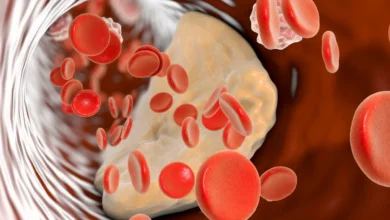
Chief among these mobilized defenders were neutrophils and lymphocytes, two critical pillars of the adaptive and innate immune systems. Neutrophils, which typically comprise the largest proportion of circulating white blood cells, act as the body’s rapid-response tactical units. They are routinely among the first cellular defenders to migrate toward the site of an acute infection, engulfing pathogens and releasing antimicrobial enzymes. Lymphocytes, meanwhile, encompass specialized subsets such as T cells, B cells, and natural killer cells. These sophisticated agents are responsible for recognizing specific foreign pathogens, orchestrating complex immune responses, and producing antibodies to neutralize long-term threats.
However, the most fascinating aspect of this chronology is its transience. The acute mobilization of neutrophils and lymphocytes was not a permanent shift, but rather a fleeting wave. Within just 30 minutes following the conclusion of the sauna session, follow-up blood analyses demonstrated that both neutrophil and lymphocyte counts had plummeted back to their original baseline levels. This rapid return to equilibrium indicates that the immune cells were not newly manufactured by the bone marrow in response to the heat—a process that would take days—but were instead rapidly mobilized from localized storage tissues and subsequently redeposited.
Mechanisms of Mobilization: Unlocking Immune Surveillance
The transient nature of the cellular surge provides a vital clue regarding the mechanics of thermal adaptation. According to Dr. Ilkka Heinonen, an Academy Research Fellow at the University of Turku and a key contributor to the research, the data suggests that sauna bathing prompts the body to empty its cellular holding tanks, flushing dormant immune cells out of tissues and into the circulatory highway.
"This may indicate that sauna bathing mobilizes additional white blood cells into the bloodstream from tissues, where they are then redeposited after the session," Dr. Heinonen explains. "This kind of periodic release of white blood cells into the bloodstream is beneficial, as once they leave their storage sites, they are better able to patrol the body and respond to pathogens."
In immunology, this phenomenon is intimately tied to the concept of immune surveillance. Under normal resting conditions, a vast proportion of the body’s immune cells reside within lymphoid tissues, the spleen, the lymph nodes, and peripheral connective tissues, waiting for chemical signals of distress. While efficient, this localized residency means that pathogenic invaders can sometimes gain a foothold before local defenses are fully activated.
By artificially forcing these cells into the bloodstream, thermal stress temporarily accelerates immune surveillance. The circulating cells are distributed widely across vascular networks, granting them a broader reach to scan for bacterial antigens, viral particles, and cellular abnormalities. Once the thermal stimulus subsides and the body cools, these cells return to their respective tissue redoubts, potentially better primed and repositioned for future defensive tasks.
Parallels With Physical Exercise
The discovery that a passive heating ritual can induce such pronounced cellular circulation draws immediate, compelling parallels to another well-documented physiological stressor: physical exercise.
For decades, sports scientists and immunologists have known that moderate-to-intense physical exertion causes a temporary spike in circulating white blood cells. As working muscles contract, cardiac output increases, and blood flow redistributes, immune cells anchored in marginal pools are sheared away from vascular walls and pushed into the main bloodstream. This exercise-induced immune trafficking is widely believed to contribute to the long-term immune-boosting effects of regular physical activity.
The new findings from Finland suggest that thermal stress from sauna bathing may act upon the body through somewhat analogous pathways, producing a comparable short-term circulatory response without the mechanical strain of physical exertion. For individuals with limited mobility, chronic joint conditions, or physical impairments that prevent rigorous exercise, this realization holds profound rehabilitative and therapeutic potential.
Nevertheless, the researchers are quick to inject a note of scientific caution. While the acute cellular response mirrors that of exercise, the study does not prove that sitting in a sauna provides identical or interchangeable immunological benefits to running, swimming, or weightlifting. Exercise engages musculoskeletal contraction, metabolic pathways, and endocrine signaling that extend far beyond thermal regulation. Instead, sauna bathing should be viewed as a complementary physiological stressor that engages similar vascular and immunological pathways through distinct means.
Differentiating Heat Exposure and Cytokine Signaling
Beyond counting white blood cells, the Finnish research team sought to determine whether sauna bathing influences cytokine networks—the intricate web of small proteins secreted by immune cells that act as chemical messengers. Cytokines are instrumental in modulating inflammation, directing the immune system’s response to pathogens, and facilitating intercellular communication during crises.
Interestingly, when looking at aggregate blood data, the researchers observed little to no average change in overall cytokine levels immediately following the sauna session. At first glance, this suggested that the thermal routine had a minimal impact on immune signaling molecules. However, a deeper, more granular statistical analysis revealed a nuanced and fascinating relationship.
When evaluating individual responses, the investigators discovered that the levels of several specific cytokines did indeed change, but their fluctuations were directly correlated with the degree to which a participant’s body temperature rose during the session. Those individuals who experienced a more pronounced core or skin temperature elevation exhibited distinct shifts in cytokine profiles compared to those whose temperatures rose only marginally.
Professor Jari Laukkanen, who led the study at the University of Eastern Finland and has authored numerous landmark papers on the health effects of sauna bathing, highlighted this critical distinction.
"Interestingly, however, the levels of several cytokines changed in relation to how much body temperature rose during sauna bathing," notes Professor Laukkanen. "No similar association was observed between white blood cell counts and changes in body temperature."
This divergence provides vital insight into human physiology. It demonstrates that the human body does not respond to thermal exposure as a monolithic block; rather, it activates different components of the immune system through distinct physiological triggers. While white blood cell mobilization appears to be a generalized reflex to the stress of the sauna environment and the accompanying cold shock, specific cytokine signaling adjustments are intimately tethered to the magnitude of hyperthermia achieved. This separation of mechanisms underscores the complexity of thermal medicine and explains why simple heat exposure can yield multifaceted biological consequences.
Contextualizing the Findings: What This Means for Public Health
While the biochemical data captured by the Finnish researchers provides an unprecedented look inside the body during a sauna session, the scientific community emphasizes the need for balanced interpretation.
The study’s authors explicitly caution that these acute findings do not establish a direct causal link between routine sauna bathing and a permanent reduction in the incidence of common illnesses, such as the common cold, influenza, or other infectious diseases. The investigation was deliberately designed to measure the immediate, short-term physiological consequences of a single exposure. Because the observed increases in neutrophils and lymphocytes dissipated within 30 minutes, the study cannot definitively prove that this fleeting cellular mobilization translates into long-term immune fortification.
Furthermore, because the experimental protocol integrated both a 30-minute high-heat sauna session and an intervening cold shower, the resulting data reflects the combined physiological impact of thermal cycling—the transition from extreme heat to sudden cold—rather than the isolated effects of heat alone. In Nordic cultures, this hot-cold alternation is considered essential, as the cold stimulus triggers profound peripheral vasoconstriction, sharp blood pressure fluctuations, and a jolt to the autonomic nervous system that likely amplifies the mobilization of immune reserves.
Broader Implications and Future Research Horizons
Despite these methodological caveats, the study published in Temperature marks a significant milestone in integrative medicine. For years, epidemiological studies—particularly the decades-long prospective cohort research led by Finnish groups—have linked frequent sauna use with a lowered risk of cardiovascular mortality, stroke, neurodegenerative disorders, and overall all-cause mortality.
By peering into the microscopic interplay between heat, circulation, and immunology, this new research offers a plausible biological mechanism that helps explain how saunas exert their protective effects. If regular thermal exposure can periodically condition the vascular system to mobilize immune reserves, clear out dormant cells, and fine-tune inflammatory signaling, it provides a coherent explanation for why individuals who embrace the sauna lifestyle often exhibit robust health markers.
As medical science continues to explore the boundaries of hormesis—the biological phenomenon whereby beneficial effects result from low-level stress exposures—sauna bathing stands out as a safe, accessible, and deeply ingrained form of thermal hormesis.
Future research will undoubtedly seek to determine whether habitual, long-term sauna routines lead to sustained immunological adaptations, altered baseline cytokine levels, or enhanced resistance to pathogens over time. Until then, millions of sauna enthusiasts across the globe can take comfort in knowing that their cherished ritual of heat, steam, and cold water is not only a restorative escape for the mind, but a dynamic, fast-acting catalyst for the body’s most fundamental defenses.