The Best Shaving Creams for a Superior Grooming Experience and Reduced Skin Irritation

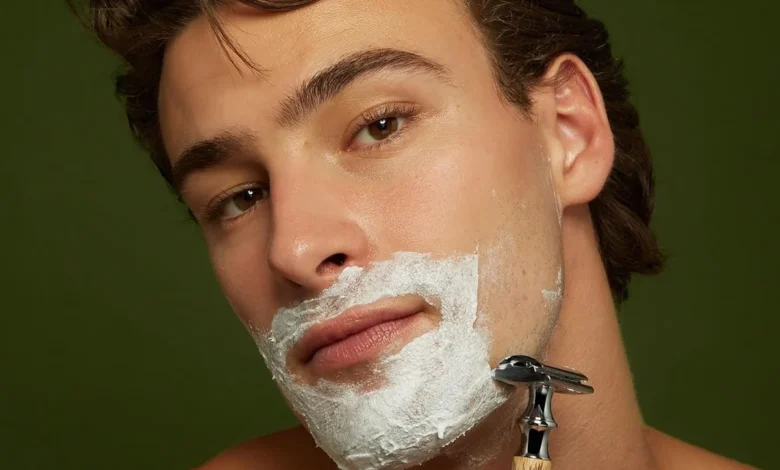
Achieving a professional-grade shave requires more than just a high-quality razor; the underlying preparation and lubrication provided by shaving creams play a critical role in dermatological health. As consumer interest in men’s grooming continues to evolve toward cleaner, more sustainable, and high-performance formulations, the market has seen a shift away from synthetic-heavy aerosol foams toward sophisticated creams, gels, and butters that prioritize skin barrier protection. For individuals prone to folliculitis, razor burn, and persistent redness, the transition to specialized shaving products has become a primary method for mitigating daily skin stress.

The Evolution of Shaving Formulations
Historically, the shaving industry relied heavily on pressurized aerosol cans containing propellants and synthetic surfactants that, while efficient at creating volume, often stripped the skin of its natural moisture barrier. Research into dermatology suggests that the skin’s lipid barrier is frequently compromised during the shaving process, particularly when mechanical exfoliation—the blade—is coupled with harsh chemical detergents.
Over the past decade, the industry has undergone a significant transformation. Modern formulations now mirror high-end skincare, incorporating humectants like glycerin and panthenol, anti-inflammatory agents such as bisabolol and aloe vera, and natural botanical oils. This transition is not merely a marketing trend but a response to rising consumer awareness regarding skin sensitivity and the long-term impact of cosmetic ingredients.

Analysis of Leading Grooming Solutions
The current market landscape offers a diverse array of products tailored to specific skin types and shaving techniques. Among the most notable entries is Jackfir The Classic, which has garnered attention for its high concentration of organic ingredients—exceeding 70 percent—and its commitment to sustainable packaging. By utilizing natural emollients like cucumber and aloe, such products function to both cushion the razor and provide a post-shave hydrating effect.
Conversely, budget-conscious options like Harry’s Shave Cream have redefined the entry-level market. By removing parabens and sulfates, these mass-market products demonstrate that efficacy does not necessarily require a premium price point. The inclusion of eucalyptus and mint oils provides a cooling sensation that helps soothe the skin, a common requirement for those prone to inflammation.

For enthusiasts of traditional wet shaving, brands like The Art of Shaving have maintained a stronghold by focusing on the ritualistic aspect of grooming. Utilizing glycerin-based formulations, these creams are designed for use with a traditional badger or synthetic brush. This method is often cited by dermatologists as superior, as the brush helps lift the hair follicles away from the skin, ensuring a closer cut with fewer passes of the blade.
The Role of Ingredients in Skin Protection
Understanding the chemical composition of these products is essential for those with chronic skin issues. Ingredients such as shea butter and murumuru butter, found in newer "shave butter" categories like those produced by Dr. Squatch, offer a distinct advantage. Unlike traditional foams, these butters function as a protective lubricant, allowing the razor to glide without creating micro-abrasions.

- Aloe Vera: Known for its cooling and wound-healing properties, it is a staple for reducing immediate post-shave redness.
- Panthenol (Vitamin B5): Acts as a humectant, pulling moisture into the skin and accelerating the healing of minor nicks.
- Argan and Coconut Oils: These provide essential fatty acids that replenish the skin’s natural barrier, preventing the "tight" feeling often associated with post-shave dryness.
- Bisabolol: Derived from chamomile, this ingredient is highly effective at calming inflamed skin and is particularly beneficial for those with reactive or sensitive complexions.
Chronology of Grooming Habits
The shift in shaving habits has been tracked through consumer purchasing data over the last five years.
- 2019-2020: A surge in home-grooming interest occurred as public health restrictions limited access to professional barbershops. This period saw a marked increase in the sale of safety razors and high-end shaving creams.
- 2021-2022: Brands began emphasizing "clean beauty" standards, with major retailers reporting a 30 percent increase in demand for grooming products free of synthetic fragrances and sulfates.
- 2023-Present: The focus has shifted toward "multi-functional" products—creams that serve as both a lubricant and a post-shave moisturizer, reflecting a broader consumer trend toward minimalist, efficient skincare routines.
Economic and Environmental Implications
The grooming industry is currently navigating a dual mandate: providing high-performance products while meeting strict sustainability benchmarks. The shift toward recyclable glass, aluminum tubes, and biodegradable shipping materials is no longer optional for legacy brands. Consumers are increasingly willing to pay a premium—often in the $30 to $40 range—for products that offer both superior performance and a reduced environmental footprint.

Furthermore, the longevity of these products provides a compelling economic argument. A five-ounce jar of high-quality shave cream, which requires only a nickel-sized amount per application, can last significantly longer than several cans of mass-market foam, often balancing out the higher upfront cost over the course of a year.
Expert Perspectives on Shaving Technique
Professional barbers and dermatologists generally agree that the product is only half the equation; technique remains paramount. The standard recommendation involves "prepping" the skin—ideally after a warm shower—to soften the hair and open the pores. This step is crucial, as hair that has been adequately hydrated is significantly easier to cut, requiring less force and reducing the risk of razor drag.

The application of a shave oil, while sometimes viewed as an unnecessary extra step, is highly recommended for individuals with extremely coarse hair or sensitive skin. Pre-shave oils create a secondary layer of protection that allows the blade to navigate contours—such as the jawline and neck—with greater precision. For those who find this step too time-consuming, products like the Atwater Smooth Target Shaving Cream are formulated with pre-shave conditioning agents, effectively collapsing two steps into one.
Broader Impact on Daily Wellness
The incorporation of high-quality grooming products into a daily routine has implications that extend beyond aesthetics. For many, the shaving process is a form of self-care that sets the tone for the day. Reducing physical discomfort, such as the burning sensation caused by inferior products, has a measurable impact on personal confidence and professional presentation.

As the grooming sector continues to innovate, the emphasis is expected to remain on personalized care. Future developments may include even more tailored formulations, such as pH-balanced creams specifically for men with rosacea or those living in arid climates where moisture retention is a significant challenge.
Ultimately, the selection of a shaving cream should be viewed as a long-term investment in skin health. By moving away from aggressive, chemical-heavy products and toward formulations that prioritize hydration, protection, and sustainability, individuals can effectively minimize the common pitfalls of shaving. Whether opting for the thick, protective barrier of a butter or the refined, brush-applied lather of a classic cream, the modern market provides the tools necessary to elevate a routine task into an essential element of personal wellness.