World Health Day 2025 Campaign Emphasizes Healthier Beginnings and Hopeful Futures to Combat Maternal and Newborn Health Crisis

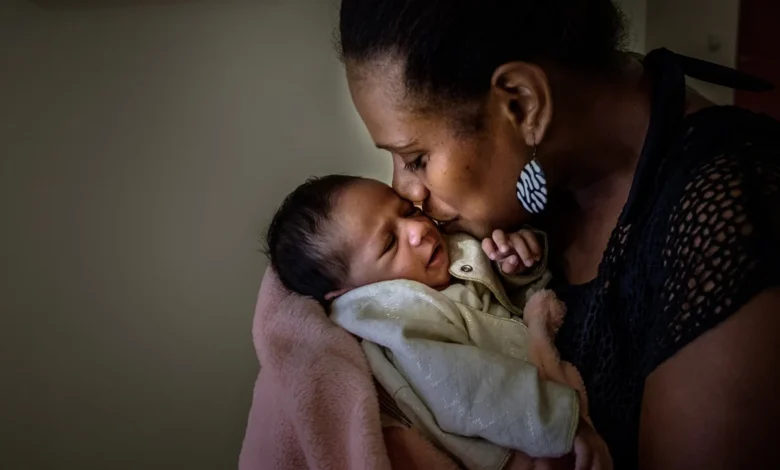
On April 7, 2025, the World Health Organization (WHO) marked its 77th anniversary by launching a global advocacy campaign under the banner "Healthier beginnings, hopeful futures." This initiative, coordinated across more than 100 WHO country offices, serves as a critical response to the alarming stagnation and potential reversal of progress in maternal and neonatal survival rates. As funding for global health services faces unprecedented scrutiny and reduction, the WHO and its partners have mobilized to elevate the discourse surrounding the sanctity of maternal health, positioning it as the fundamental pillar of resilient families and thriving communities.
The Context of the Global Maternal Health Crisis
The launch of the 2025 campaign comes at a precarious juncture for international public health. According to recent data from United Nations agencies, the world is currently falling short of the Sustainable Development Goal (SDG) targets aimed at reducing maternal mortality. Before the recent budgetary pressures, the global community had seen significant gains in the survival rates of mothers and newborns. However, the last several years have been characterized by an intersection of crises: the lingering economic aftermath of the COVID-19 pandemic, geopolitical instability affecting supply chains, and a general shift in donor priorities.
Current projections suggest that without a radical reallocation of resources and a renewed commitment to primary healthcare, the world may witness a backsliding of progress that has taken decades to achieve. The core of the issue lies in the accessibility of "continuum of care" services—the essential support required from preconception through pregnancy, childbirth, and the immediate postnatal period. When funding for these programs is reduced, it is invariably the most vulnerable populations—often in low-income or marginalized settings—who suffer the most immediate and devastating consequences.
World Health Day 2025: A Global Mobilization
The World Health Day actions observed on April 7, 2025, were not merely symbolic. They represented a coordinated effort to bridge the gap between high-level policy and grassroots reality. In Chile, for example, PAHO/WHO Country Representative Giovanni Escalante Guzmán engaged directly with indigenous Mapuche leader Juana Cheuquepan to discuss how traditional knowledge can be integrated with modern maternal health protocols. This focus on "mother and newborn health as the basis for healthy families and communities" highlights the WHO’s strategic pivot toward culturally competent, community-led health solutions.
Similar actions were replicated across the six WHO regions. In the African Region, advocacy groups focused on the training and retention of skilled birth attendants, a critical deficit in many rural districts. In the European and Western Pacific regions, the dialogue focused on the integration of mental health support for new mothers, recognizing that maternal well-being extends far beyond physical health outcomes. Across the Eastern Mediterranean and South-East Asia regions, the primary focus remained on the infrastructure of primary health centers, ensuring that emergency obstetric care remains available even in the face of local economic downturns.
Chronology of International Action
The urgency of the current situation is underscored by a timeline of recent international health developments.
- 2015: The United Nations adopts the Sustainable Development Goals, setting a target to reduce the global maternal mortality ratio to less than 70 per 100,000 live births by 2030.
- 2020–2022: The COVID-19 pandemic disrupts routine maternal healthcare, causing the first increase in maternal mortality rates in several regions in over two decades.
- 2023: WHO and UNICEF issue a joint report warning that progress in reducing maternal deaths has stalled, noting that 800 women die every day from preventable causes related to pregnancy and childbirth.
- 2024: Multiple donor nations signal a shift in budgetary priorities, leading to a projected $5 billion shortfall in funding for global reproductive and maternal health programs.
- April 7, 2025: World Health Day 2025 is launched with a focus on "Healthier beginnings, hopeful futures," signaling a year-long campaign to secure funding and policy commitment for maternal and neonatal health.
Data-Driven Analysis of Maternal Health Challenges
Statistical analysis provided by the WHO indicates that the vast majority of maternal deaths are entirely preventable through timely intervention. The primary causes—severe bleeding, infections, high blood pressure during pregnancy, and complications from delivery—are treatable with basic, cost-effective medical care. However, the disparity in mortality rates between high-income and low-income countries remains staggering.
In sub-Saharan Africa, for instance, the lifetime risk of a woman dying during pregnancy or childbirth is significantly higher than in Europe or North America. Furthermore, the correlation between female literacy and maternal health outcomes is well-documented; yet, in many conflict-affected areas, access to both education and health facilities has been systematically disrupted. The 2025 campaign seeks to address these systemic inequalities by emphasizing that maternal health is not just a medical issue, but a human rights and development imperative.
Official Responses and Institutional Strategy
In statements issued during the campaign launch, WHO leadership emphasized that the "Healthier beginnings, hopeful futures" campaign is designed to be more than a one-day event. It is intended to serve as a platform for sustained lobbying. Governments are being urged to implement "maternal health audits," which involve transparent reporting on where health services are failing and why.
Health policy experts note that the strategy of linking maternal health to the long-term well-being of the community is a sophisticated diplomatic move. By reframing maternal health as a foundational requirement for the "hopeful futures" of entire nations, the WHO is attempting to appeal to the economic interests of donor countries, arguing that investing in mothers is the most efficient way to ensure the future stability and productivity of a society.
Broader Implications for Global Health Policy
The potential implications of this year-long campaign are significant. If successful, the WHO initiative could catalyze a shift in global health financing, encouraging a move away from "vertical" programs (those that target a single disease) toward "horizontal" health systems (those that prioritize comprehensive primary care).
However, the challenges remain daunting. The current landscape of "aid cuts" mentioned by UN agencies creates a hostile environment for new initiatives. Skeptics within the international development community argue that without a binding commitment from G20 nations to protect health budgets from austerity measures, the WHO’s calls for action may struggle to translate into tangible outcomes on the ground.
The campaign also highlights the need for increased investment in the health workforce. Globally, there is a shortage of an estimated 10 million health workers, with midwives and nurses being the most critical roles for maternal health. The WHO is currently advocating for an international standard for the protection and payment of these professionals, arguing that the "feminization" of the healthcare workforce has historically led to lower wages and higher attrition rates.
A Path Toward the Future
As the year-long campaign progresses, the World Health Organization plans to release a series of regional reports and host high-level ministerial meetings to monitor the progress of member states. The goal is to move beyond rhetoric and toward concrete legislative changes, such as the implementation of universal health coverage (UHC) packages that explicitly include maternal and newborn care at no out-of-pocket cost.
The legacy of the 2025 World Health Day will ultimately be measured by the survival rates of mothers and infants in the years that follow. By centering the conversation on the inherent value of a healthy start to life, the WHO is testing whether the international community still possesses the collective will to prioritize the most basic elements of human survival. The call to action is clear: the future of global health is inextricably linked to the quality of care provided today to those bringing the next generation into the world. Through local advocacy, such as the discussions held in Chile, and global policy pressure, the WHO aims to ensure that "hopeful futures" are not just an aspiration, but a tangible outcome for every mother and newborn, regardless of their geography or socio-economic status.