Rio de Janeiro continues to stand as one of the most dynamic cultural and economic centers in South America, attracting millions of international visitors annually. While the city is globally renowned for its picturesque geography—nestled dramatically between lush, forest-covered mountains and the rolling Atlantic Ocean—its true identity is forged within its distinct neighborhoods. From the pulsating sands of Copacabana and Ipanema to the tranquil, bohemian heights of Santa Teresa, Rio offers a multifaceted urban experience that shapes its booming hospitality sector.
Over recent years, the city’s tourism infrastructure has undergone significant revitalization, driven by major global events, increased foreign investment, and a concerted push by municipal authorities to diversify high-end accommodations. For travelers seeking an authentic yet luxurious immersion into carioca life, selecting the right neighborhood and hotel is paramount.
Neighborhood Profiles: A Mosaic of Urban Identity
To understand Rio de Janeiro’s hospitality landscape, one must first examine the distinct character of its primary coastal and hilltop districts. Each area offers a vastly different rhythm of daily life, architectural heritage, and socio-economic dynamic.
Copacabana: The Historic Epicenter of Tourism
Copacabana remains the most internationally recognized symbol of Brazilian beach culture. Historically developed as a luxury suburb in the early 20th century, the neighborhood transformed into a densely populated, high-energy urban hub following the opening of the Avenida Atlântica and the expansion of the city’s transport networks. Today, Copacabana is best known for hosting the world-famous New Year’s Eve celebrations—known locally as Réveillon—and serving as a primary focal point during the annual Carnival festivities. Hotels in this district historically cater to tourists seeking high-density energy, immediate beach access, and proximity to major commercial avenues.
Ipanema and Leblon: Sophistication and Seaside Rhythm
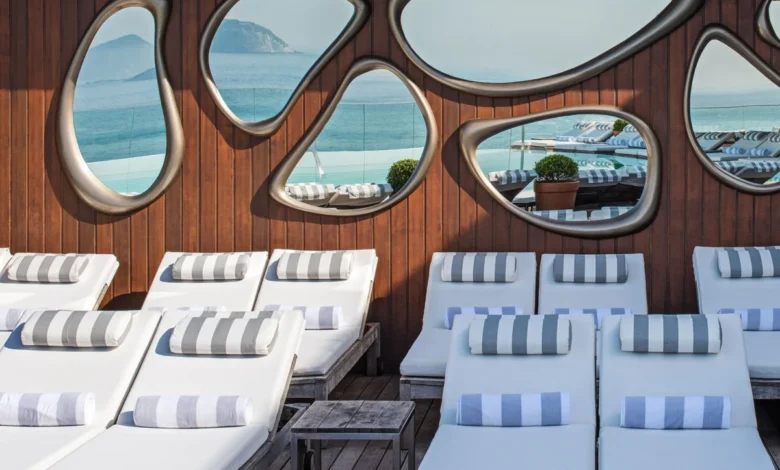
Adjacent to Copacabana, the neighborhoods of Ipanema and Leblon represent the upscale, design-forward core of Rio’s South Zone (Zona Sul). Immortalized globally by the 1962 bossa nova classic "The Girl from Ipanema," this coastal stretch balances natural beauty with refined commerce, high-end gastronomy, and contemporary art galleries. While Ipanema maintains a vibrant, socially active beach culture organized by numbered lifeguard posts (postos), Leblon offers a quieter, more residential, and affluent atmosphere. Hospitality properties here frequently emphasize boutique luxury, sleek modern Brazilian architecture, and panoramic ocean vistas.
Santa Teresa: The Hilltop Bohemian Sanctuary
Breaking away from the coastal axis, Santa Teresa occupies a forested ridge overlooking Guanabara Bay and the downtown commercial district. Built primarily during the 19th century around the historic Santa Teresa tramway (Bondinho), the neighborhood retains its cobblestone streets, colonial-era mansions, and active artist communities. Unlike the beachfront districts, Santa Teresa offers a secluded, slower-paced environment that has successfully resisted over-commercialization. Luxury boutique hotels in this area often occupy meticulously restored historical properties, providing guests with an intimate connection to Rio’s artistic and architectural heritage.
Economic and Tourism Context: The Post-Pandemic Recovery
The evolution of Rio de Janeiro’s hotel sector occurs against a broader backdrop of economic recovery and strategic tourism development. According to data from the Brazilian Tourism Board (Embratur) and municipal tourism authority Riotur, international tourism to Rio has rebounded robustly following the disruptions of the early 2020s.
In 2023, Rio de Janeiro welcomed over one million international visitors, generating billions of reals in economic activity and driving occupancy rates in four- and five-star hotels to pre-pandemic highs. The municipal government has actively partnered with private hospitality stakeholders to enhance public safety infrastructure, modernize urban transit links—such as the VLT light rail system—and promote sustainable tourism practices in historically underserved regions.
Industry analysts note that modern travelers to Rio are increasingly shifting away from standardized, multi-national chain hotels in favor of properties that reflect local culture, support regional artisans, and incorporate sustainable operational models. This trend has fueled investment in boutique properties across Copacabana, Ipanema, Leblon, and Santa Teresa, where interior designers frequently employ locally sourced timber, indigenous textiles, and works by contemporary Brazilian artists.
Hospitality Standards and Architectural Integration
The top-tier hotels in Rio de Janeiro are distinguished not merely by standard luxury amenities, but by their architectural integration into the city’s unique topography. Properties situated along the Avenida Atlântica and Vieira Souto capitalize on sweeping views of the Atlantic, while those in Santa Teresa utilize multi-tiered terraces that frame the sprawling urban landscape below.
Hospitality experts emphasize that successful hotels in Rio must navigate the delicate balance between international luxury standards and the warm, informal interpersonal dynamics characteristic of Brazilian culture. This blend of professional service and authentic local warmth—often described by locals as simpatia—forms the cornerstone of the city’s high-end tourism product. Furthermore, properties increasingly emphasize culinary excellence, partnering with renowned Brazilian chefs to showcase regional ingredients such as açaí, fresh seafood, and locally produced coffee within their fine-dining establishments.
Broader Implications and Future Outlook
The continuous upgrading of Rio de Janeiro’s hotel portfolio carries significant implications for the city’s broader economic trajectory. Tourism remains one of the primary drivers of employment, small business growth, and infrastructure maintenance in the metropolitan area.
As municipal planners look toward future international summits, cultural festivals, and large-scale sporting events, the hospitality sector is expected to expand further into emerging neighborhoods, diffusing economic benefits beyond the traditional South Zone. By preserving the unique architectural and cultural identity of districts like Santa Teresa while modernizing coastal assets in Copacabana and Ipanema, Rio de Janeiro solidifies its position as a premier global destination. For travelers, these accommodations offer far more than a temporary lodging; they serve as an immersive gateway into the vibrant, complex, and enduringly captivating rhythm of carioca life.
Related posts: