Alaska Airlines to Revitalize Hawaiian Inter-Island Travel by Replacing Aging Boeing 717 Fleet with Boeing 737-800 Aircraft

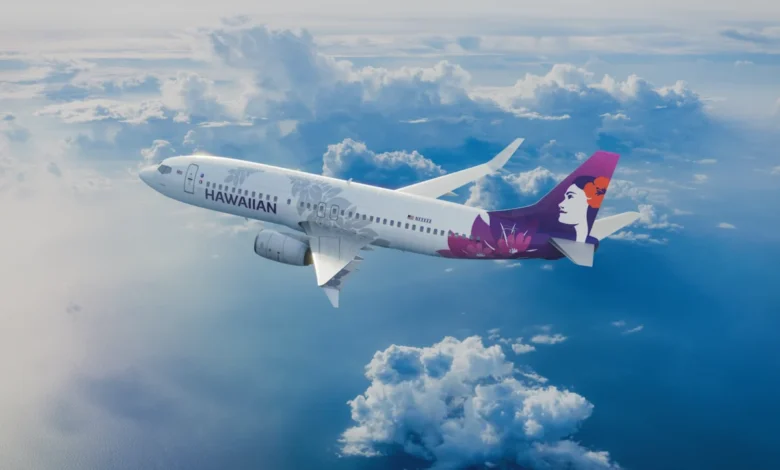
Alaska Air Group has officially unveiled a comprehensive strategic roadmap for its newly integrated operations following the acquisition of Hawaiian Airlines, centered on a multi-year fleet modernization program that will see the iconic Boeing 717 replaced on inter-island routes. The transition, slated to begin in earnest in 2028, marks a significant shift in the aviation landscape of the Hawaiian Islands, as Alaska Airlines prepares to deploy its larger, more modern Boeing 737-800 aircraft to serve as the backbone of the "neighbor island" network. This move is designed to enhance capacity, improve fuel efficiency, and provide a more consistent passenger experience across the combined carrier’s domestic and regional operations.
The decision follows the landmark $1.9 billion acquisition of Hawaiian Airlines by Alaska Air Group, which closed in 2024. Since the merger, analysts and residents alike have speculated on the future of the specialized inter-island service, which functions essentially as a high-frequency aerial bridge between Honolulu and the islands of Maui, Kauai, and the Big Island. By standardizing the fleet with the Boeing 737-800, Alaska Air Group aims to leverage its existing maintenance infrastructure and pilot training programs while simultaneously refreshing the Hawaiian Airlines brand for a new era of Pacific travel.
The Sunset of the Boeing 717 Era
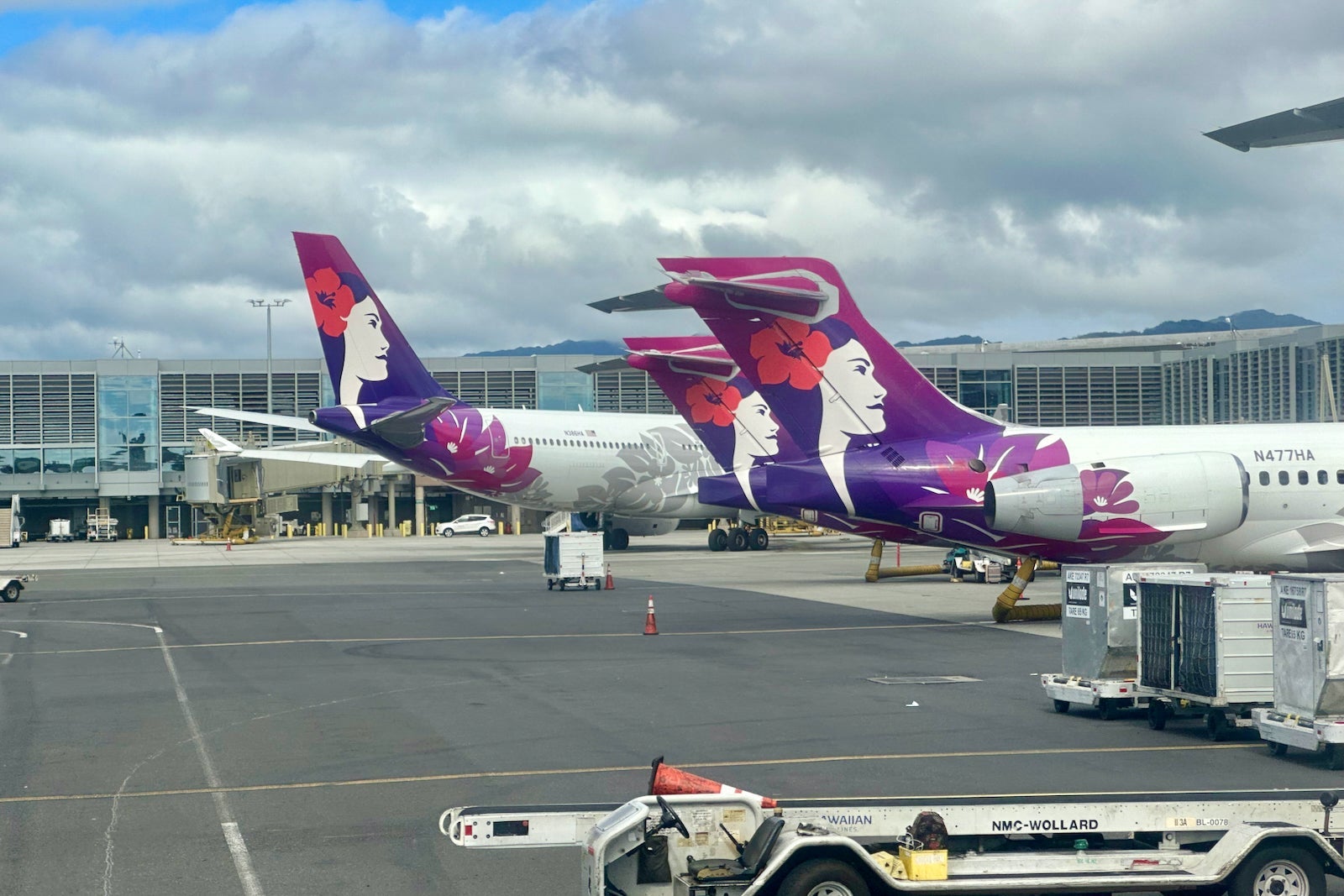
For over two decades, the Boeing 717-200 has been the undisputed workhorse of the Hawaiian skies. Originally designed by McDonnell Douglas as the MD-95, the 717 was prized for its ability to handle high-cycle operations—frequent takeoffs and landings over very short distances—with remarkable durability. Hawaiian Airlines currently operates a fleet of approximately 20 of these twin-engine jets, which facilitate upwards of 160 daily flights between Honolulu (HNL), Kahului (OGG), Lihue (LIH), Kona (KOA), and Hilo (ITO).
However, the 717 fleet is reaching the end of its operational lifespan. Data from aviation databases indicates that the average age of Hawaiian’s 717s is approximately 25 years. As an out-of-production aircraft, maintenance costs have risen and the availability of spare parts has become increasingly constrained. The transition to the Boeing 737-800 addresses these logistical challenges, providing a platform that is still in widespread use globally and benefits from a robust supply chain.
Enhancing Capacity and Passenger Comfort
The introduction of the Boeing 737-800 represents a substantial upgrade in terms of cabin density and amenities. While the Boeing 717 typically accommodates between 123 and 128 passengers in a two-class configuration, the incoming 737-800s will be configured to seat 161 passengers. This represents a capacity increase of roughly 25% per flight, allowing the airline to meet growing demand without necessarily increasing the frequency of flights in already congested airspace.
The seating configuration changes are particularly notable for premium travelers. The Alaska 737-800s will feature 16 First Class seats, doubling the eight seats currently available on the 717. Furthermore, the "Premium Class" section—offering extra legroom—will expand from 17 seats on the 717 to 36 seats on the 737. Economy seating will also see an increase from 98 to 109 seats.
Beyond seating, the technological leap is significant. Alaska Air Group has confirmed that these aircraft will be equipped with Starlink’s high-speed, low-latency satellite Wi-Fi, a feature that was previously unavailable on the short-duration inter-island hops. Additionally, the 737-800 offers superior cargo hold dimensions, which the company noted would be a benefit for local residents and tourists transporting bulky items such as surfboards and heavy agricultural goods.
Strategic Chronology and Implementation Timeline
The fleet transition will not occur overnight but will instead follow a phased implementation plan designed to minimize operational disruption.
2024–2025: Integration and Branding Strategy
Following the closure of the merger, Alaska Air Group focused on the legal and operational integration of the two carriers. A key component of this phase was the commitment to maintain both the Alaska Airlines and Hawaiian Airlines brands. The company determined that while the aircraft would be managed under a single operating certificate, the "visual expression" of the brand in Hawaii would remain distinctly Hawaiian.
October 2026: The Honolulu Base Pilot
The first tangible shift will occur in late 2026. Alaska plans to base a single Boeing 737-800 in Honolulu starting in October of that year. This aircraft will be utilized for three daily round-trips between Honolulu and Maui. This move serves as a proof-of-concept for the larger transition, allowing the airline to test ground handling, turn-around times, and passenger boarding flows for the larger aircraft on short-haul routes.
2028: Full Fleet Replacement Begins
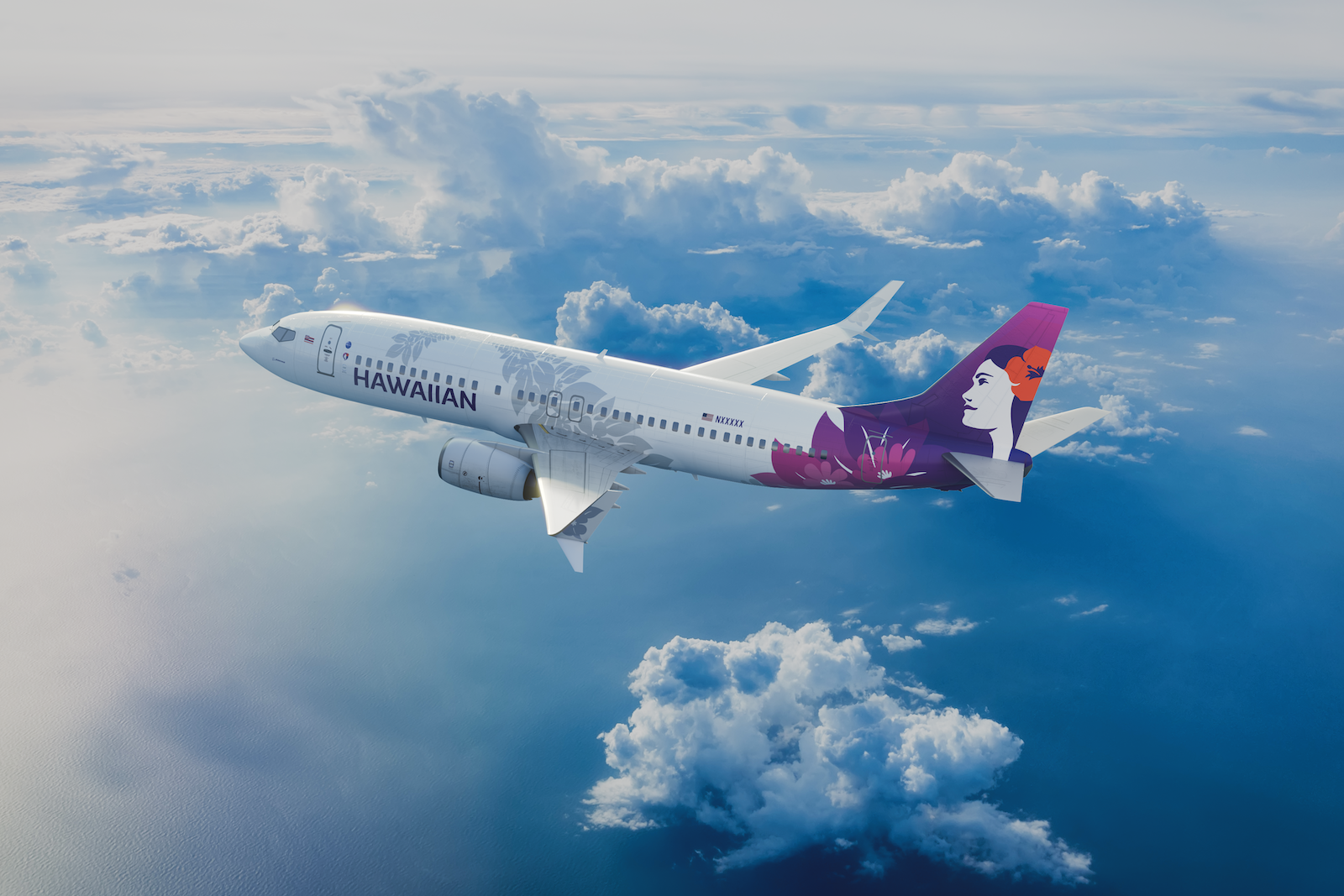
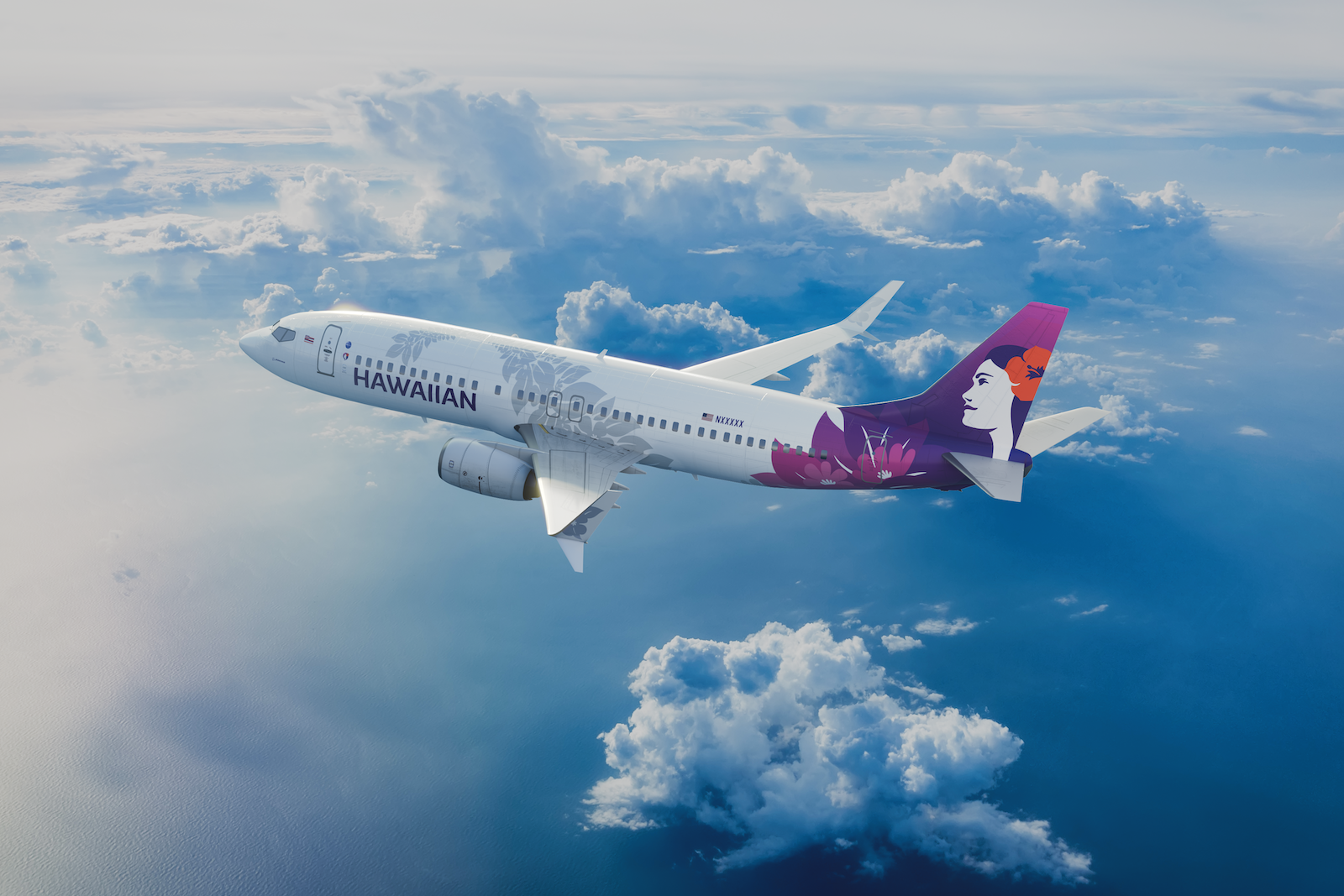
The formal retirement of the Boeing 717 fleet will commence in 2028. During this period, Alaska 737-800s will be cycled out of the mainline Alaska fleet, undergo a full interior refresh, and be repainted in the iconic Hawaiian Airlines livery, featuring the Pualani (Flower of the Sky) tail art.
Long-term Outlook: Livery Standardization
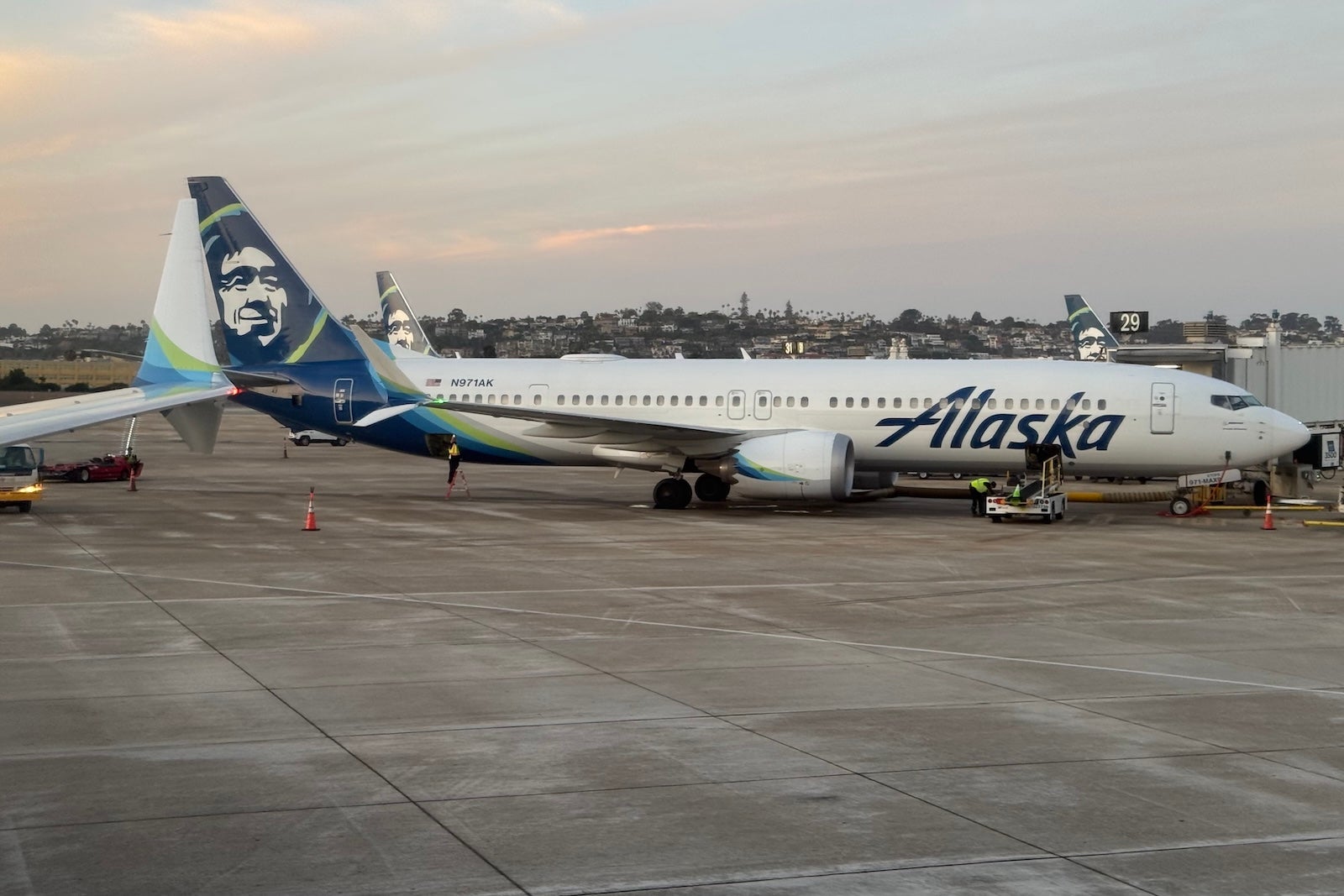
In a broader branding move, Alaska Air Group revealed that eventually, all Boeing 737s flying between the U.S. mainland and Hawaii—regardless of whether they originated as Alaska or Hawaiian aircraft—will sport the Hawaiian livery. This ensures that the Hawaiian brand remains the primary face of the company’s operations within the state and on its most popular tourist corridors.
Operational Synergies and Fleet Reshuffling
The replacement of the 717 is part of a much larger reshuffling of assets across the Alaska Air Group portfolio. By moving 737-800s to Hawaii, Alaska is freeing up "slots" in its order book for newer, more efficient aircraft. Earlier this year, the carrier placed a significant order for 105 Boeing 737 MAX 10 aircraft, which will eventually become the flagship of its mainland operations.
Furthermore, the merger has allowed Alaska to optimize Hawaiian’s long-haul assets. The Boeing 787-9 Dreamliners, which Hawaiian had ordered prior to the acquisition, are being redeployed. Alaska has signaled plans to use these wide-body jets to launch or expand service from its primary hub in Seattle to international destinations in Europe and Asia, marking a major expansion of the airline’s global footprint.
Meanwhile, the Airbus A330-200s currently in the Hawaiian fleet are slated for significant retrofits. These aircraft, which handle the bulk of the current mainland-to-Hawaii traffic, will receive modernized business-class suites and an expanded premium economy cabin to align with Alaska’s "Premium-heavy" revenue strategy.
Official Responses and Industry Impact
The leadership of Alaska Air Group has emphasized that this fleet renewal is a testament to their commitment to the Hawaiian market. Diana Birkett Rakao, CEO of the Hawaiian Airlines brand under the Alaska umbrella, stated that the decision reflects a long-term investment in the state’s infrastructure.
"This decision reflects our commitment to invest in Hawai’i for the long term, to strengthen Hawaiian Airlines and to honor the local expertise, culture and care that have made Hawaiian the airline of Hawaii for nearly a century," Rakao said during the announcement.
Industry analysts suggest that the move is a necessary response to increased competition. Since Southwest Airlines entered the inter-island market in 2019 using Boeing 737-800 and MAX 8 aircraft, Hawaiian Airlines has faced unprecedented pressure on its profit margins. By switching to the 737-800, Hawaiian can compete more effectively on a seat-cost basis, as the 737 offers better fuel economics per passenger than the older 717.
Broader Implications for Hawaii’s Economy
The transition to larger aircraft for inter-island travel has broader implications for Hawaii’s economy and tourism sector. The increased cargo capacity is vital for a state that imports the vast majority of its consumer goods. Moreover, the doubling of First Class and Premium seating aligns with the state’s broader "quality over quantity" tourism strategy, which seeks to attract higher-spending visitors who are more likely to purchase premium air travel.
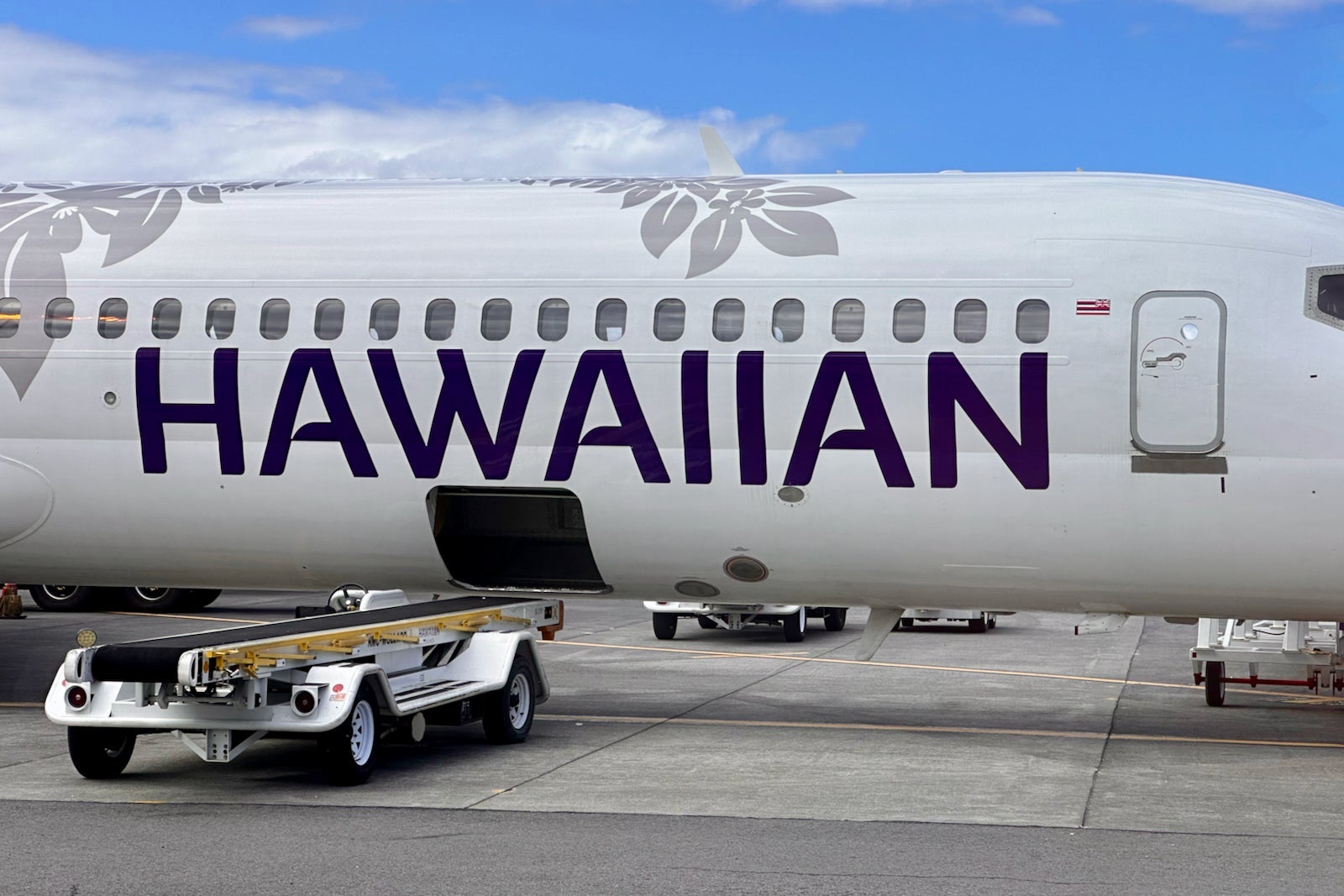
However, the move also presents challenges. The Boeing 737-800 is a larger aircraft than the 717, requiring slightly more time for boarding and deplaning. At airports like Kahului and Lihue, where gate space and ramp area can be limited during peak hours, the airline will need to optimize its ground operations to maintain the "shuttle-style" frequency that local commuters rely on.
As Alaska Air Group moves toward a 33% increase in its total fleet size by 2035, the integration of Hawaiian Airlines serves as a blueprint for how legacy brands can be preserved while undergoing radical technological and operational modernization. The departure of the Boeing 717 will mark the end of a nostalgic era for many aviation enthusiasts, but for the millions of passengers who travel between the islands annually, the arrival of the 737-800 promises a new standard of connectivity and comfort.
Related posts: