Skeeter’s Nootkatone Flavored Whiskey Offers a Novel Approach to Mosquito Repellency Through Culinary Innovation

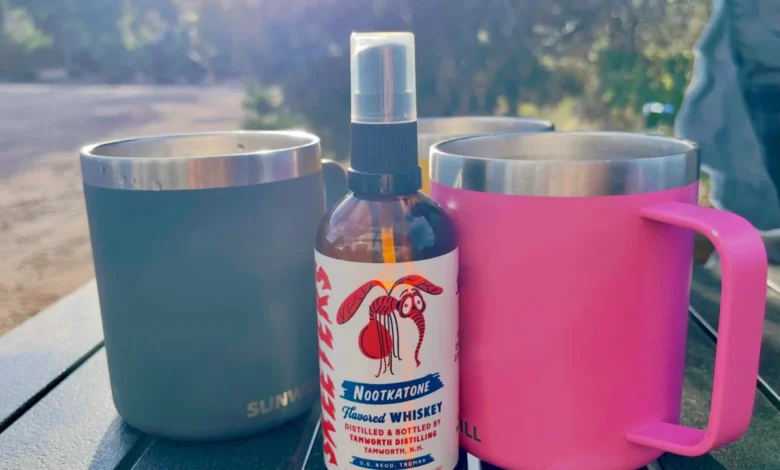
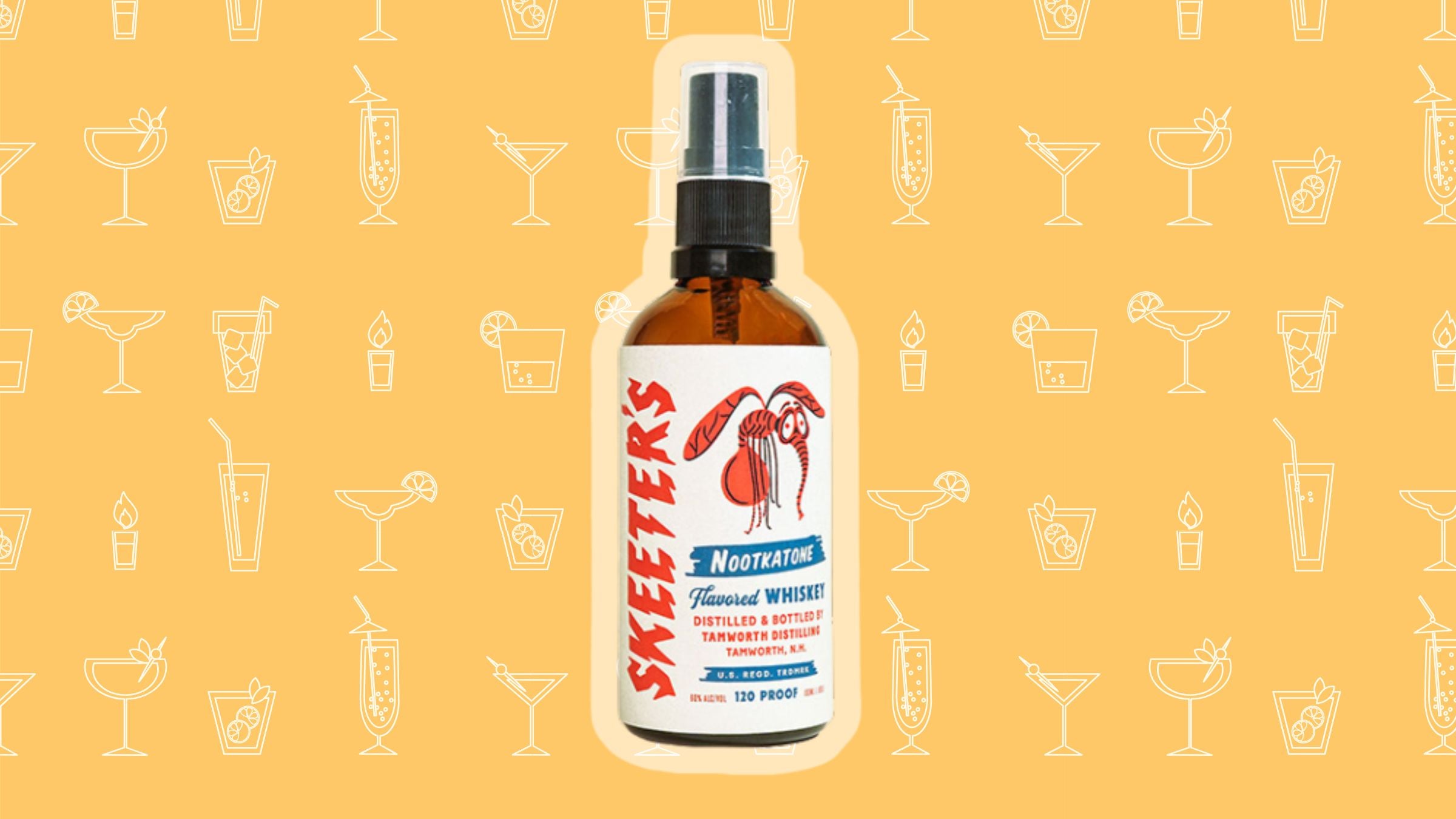
The intersection of mixology and entomology has produced an unexpected development in the consumer goods market: a whiskey-based atomizer designed to function simultaneously as a cocktail garnish and a mosquito repellent. Released by New Hampshire-based Tamworth Distilling, the product, marketed as Skeeter’s Nootkatone Flavored Whiskey, utilizes the chemical compound nootkatone to provide a dual-purpose experience for outdoor enthusiasts. As the peak season for mosquito-borne illnesses extends deeper into the autumn months due to shifting climate patterns, this innovative product highlights a growing trend of integrating natural deterrents into everyday lifestyle items.
The Science of Nootkatone: Nature’s Repellent
Nootkatone is an organic compound found in trace amounts in grapefruit peels and Alaska yellow cedar trees. For years, the scientific community has investigated its potential as a sustainable alternative to traditional synthetic repellents such as N,N-Diethyl-meta-toluamide (DEET). Unlike many synthetic chemicals that function primarily by masking human scent, nootkatone works by overstimulating the octopamine receptors in insects. This specific neuroreceptor activation causes involuntary, continuous muscle contractions in mosquitoes, ticks, and other biting arthropods, effectively repelling them before they can land and feed.
In 2024, a seminal study published in the journal Current Biology provided robust empirical evidence for the efficacy of this compound. Researchers discovered that when applied at a concentration of five percent, nootkatone performed with a success rate comparable to five percent DEET. The findings suggested that nootkatone possesses several distinct advantages over the current industry gold standard: it is non-greasy, lacks the solvent properties that cause DEET to degrade certain plastics and synthetic fabrics, and, crucially, is safe for human consumption.
Product Development and Market Positioning
Tamworth Distilling, known for its experimental approach to craft spirits, developed the 120-proof Skeeter’s Nootkatone Flavored Whiskey to bridge the gap between outdoor utility and leisure. The distillery’s strategy reflects a broader market shift toward "functional consumption"—products that provide a benefit beyond the primary use case. By packaging the repellent as a culinary atomizer, the company has bypassed the stigma associated with heavy, chemical-smelling aerosol sprays, instead offering a citrus-forward aroma that complements the profile of classic cocktails like the Old Fashioned.
The product was conceptualized as a response to the practical challenges of outdoor recreation. Campers and hikers have historically relied on bulky, often unpleasant-smelling repellents that can clash with the sensory experience of a sunset or a communal meal. By incorporating the active ingredient into a beverage accessory, Tamworth Distilling aims to normalize the use of repellents in social settings, potentially increasing compliance with bite-prevention protocols among individuals who might otherwise forgo protection.
Chronology of Field Testing
The real-world application of the product was put to the test in early September 2026, a time when many regions in the American Southwest, including New Mexico, continue to experience high mosquito activity. Following the Labor Day holiday, weather patterns in the high desert remained unseasonably warm, creating favorable breeding conditions for local mosquito populations.
During a field test conducted north of Albuquerque, participants utilized the atomizer in a controlled outdoor environment. The methodology involved applying the whiskey spray as a finishing touch to mixed drinks while simultaneously observing the behavior of local insect populations. While the citrus-based spray successfully enhanced the flavor profile of the cocktails, the field test highlighted the complexities of measuring efficacy in non-laboratory settings. Because the participants utilized standard industry-grade DEET as a secondary precaution, the individual impact of the nootkatone spray remained difficult to isolate empirically. However, the qualitative experience—the ease of use, the lack of synthetic chemical odor, and the enhancement of the social environment—provided a positive, albeit anecdotal, endorsement of the product’s design philosophy.
Public Health Implications and Regulatory Context
The proliferation of nootkatone-based products arrives at a critical juncture for public health. With the range of mosquito-borne diseases such as West Nile virus and Eastern Equine Encephalitis expanding, the demand for effective, consumer-friendly repellents is at an all-time high. The Environmental Protection Agency (EPA) has long regulated insect repellents, and the transition of compounds like nootkatone from niche natural remedy to mass-market additive represents a significant shift in regulatory oversight and public acceptance.
Public health experts caution that while natural compounds are promising, they must be used consistently and correctly to be effective. The primary challenge with a "sip-and-spray" approach is the potential for inconsistent coverage. Unlike a spray applied directly to the skin or clothing, an atomizer used for beverages serves as an ambient deterrent rather than a total body shield. Analysts suggest that such products should be viewed as supplementary rather than replacement technologies for traditional, full-coverage insect protection.
Industry Impact and Future Outlook
The release of Skeeter’s Nootkatone Flavored Whiskey is emblematic of a broader movement toward biomimicry in product design. As consumers grow increasingly skeptical of synthetic chemicals, the distillery’s move to capitalize on the insect-repelling properties of grapefruit-derived compounds could trigger a wave of similar innovations in the food and beverage industry.
If the product gains traction, it could lead to an expansion of "functional mixology," where spirits are infused with botanicals that serve environmental or physiological purposes. However, the long-term success of such a product depends on the balance between regulatory approval for food-grade repellents and the ability of the manufacturer to maintain the delicate chemical profile of the spirit.
From an economic perspective, the product highlights the value of cross-industry collaboration. By marrying the beverage industry’s expertise in flavor chemistry with the pharmaceutical sector’s interest in botanical insecticides, Tamworth Distilling has managed to create a conversation piece that serves a tangible, albeit limited, utilitarian function. As the industry looks toward the next decade, the integration of science-backed natural compounds into luxury goods is likely to become a more frequent occurrence.
Conclusion
While the efficacy of a whiskey-based spray as a standalone repellent remains a subject for further rigorous, independent study, the innovation itself represents a creative solution to a persistent outdoor annoyance. By leveraging the known neurological effects of nootkatone on insects, the product offers a sophisticated, if unconventional, alternative to the traditional repellent experience. As climate change continues to extend the life of summer pests, the demand for such dual-purpose solutions will likely continue to grow, inviting further research into how naturally occurring compounds can be integrated into the fabric of our daily lives, one cocktail at a time.