September marks a critical transition period for North American hunters, as the archery deer season and upland game pursuits collide with summer-like heat in many regions. Conversely, late-season endeavors—such as spring turkey hunting or light goose conservation orders—frequently demand gear capable of withstanding blizzard conditions, freezing rain, and rapid thermal shifts. For the fall 2026 update, a team of eight expert testers evaluated over 40 individual pieces of apparel and footwear to determine which technical systems effectively manage moisture, regulate core body temperature, and offer the necessary durability for the rigors of the field.
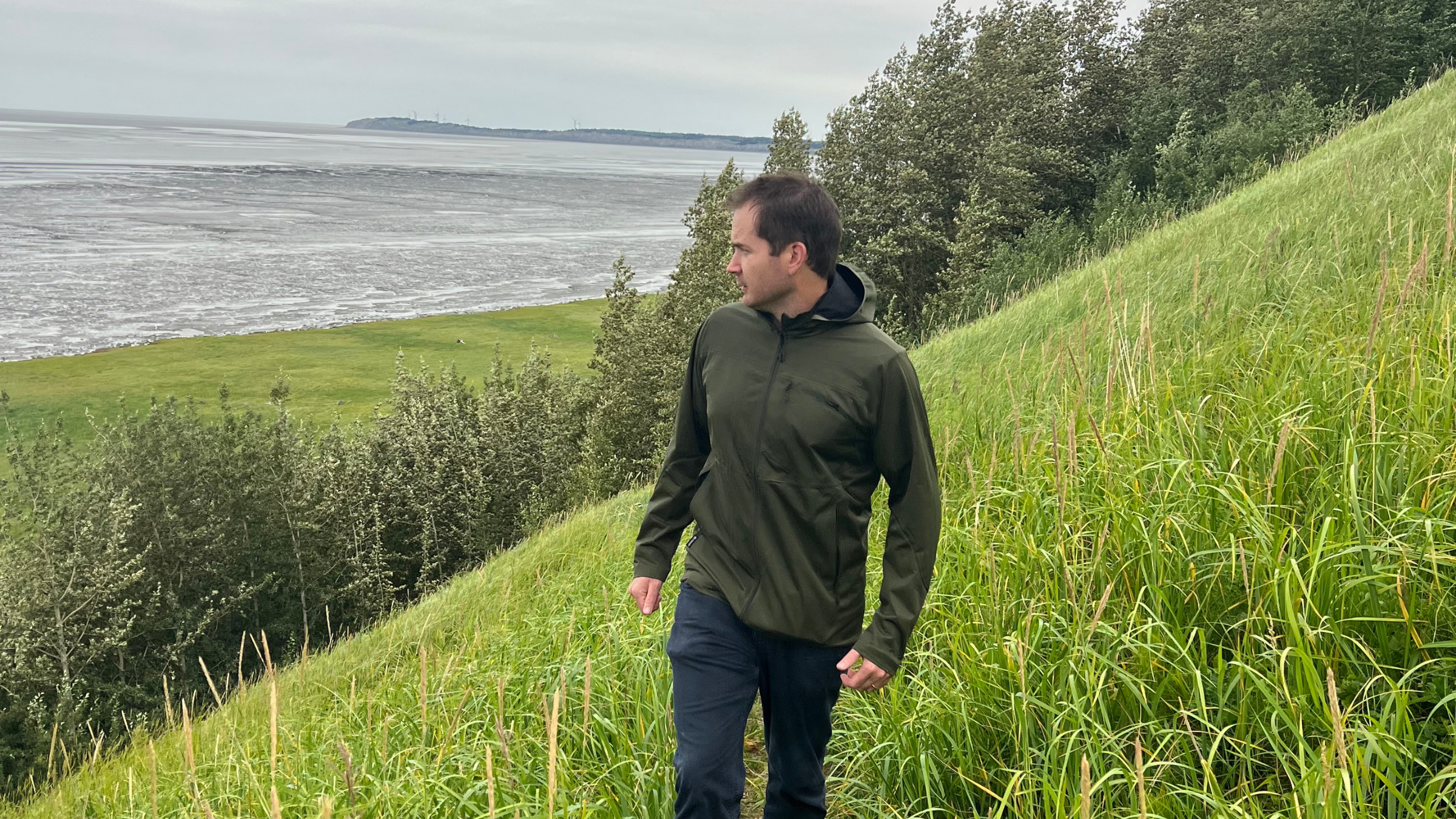
The testing cycle spanned six months, beginning with late-winter conditions in the interior of Alaska and concluding with early-autumn hunts across the Midwest and the American West. This rigorous assessment, involving over 1,500 cumulative hours of field use, provides a comprehensive benchmark for hunters navigating the unpredictable climate patterns that have defined the 2026 season.
Performance Metrics and Environmental Context
The primary challenge for modern hunting apparel is the "bookend" nature of the season. Hunters often find themselves in 90-degree heat one week and sub-freezing temperatures the next. To address this, the current testing protocol focused on four key technical performance areas: moisture-wicking efficiency, wind-resistance, thermal regulation, and structural integrity under abrasion.
Data gathered from the field suggests that while premium-priced gear often carries a reputation for being overly specialized, the most successful designs are those that prioritize modularity. The 2026 findings indicate a shift toward high-output, low-bulk materials that allow for seamless layering. As temperatures fluctuate, the ability to shed heat through mechanical ventilation—such as pit zips or hip vents—has become as important as the insulation value of the fabric itself.
Field-Tested Apparel: A Technical Review
Advanced Rain Protection: Forloh Allclima Waterproof Poncho
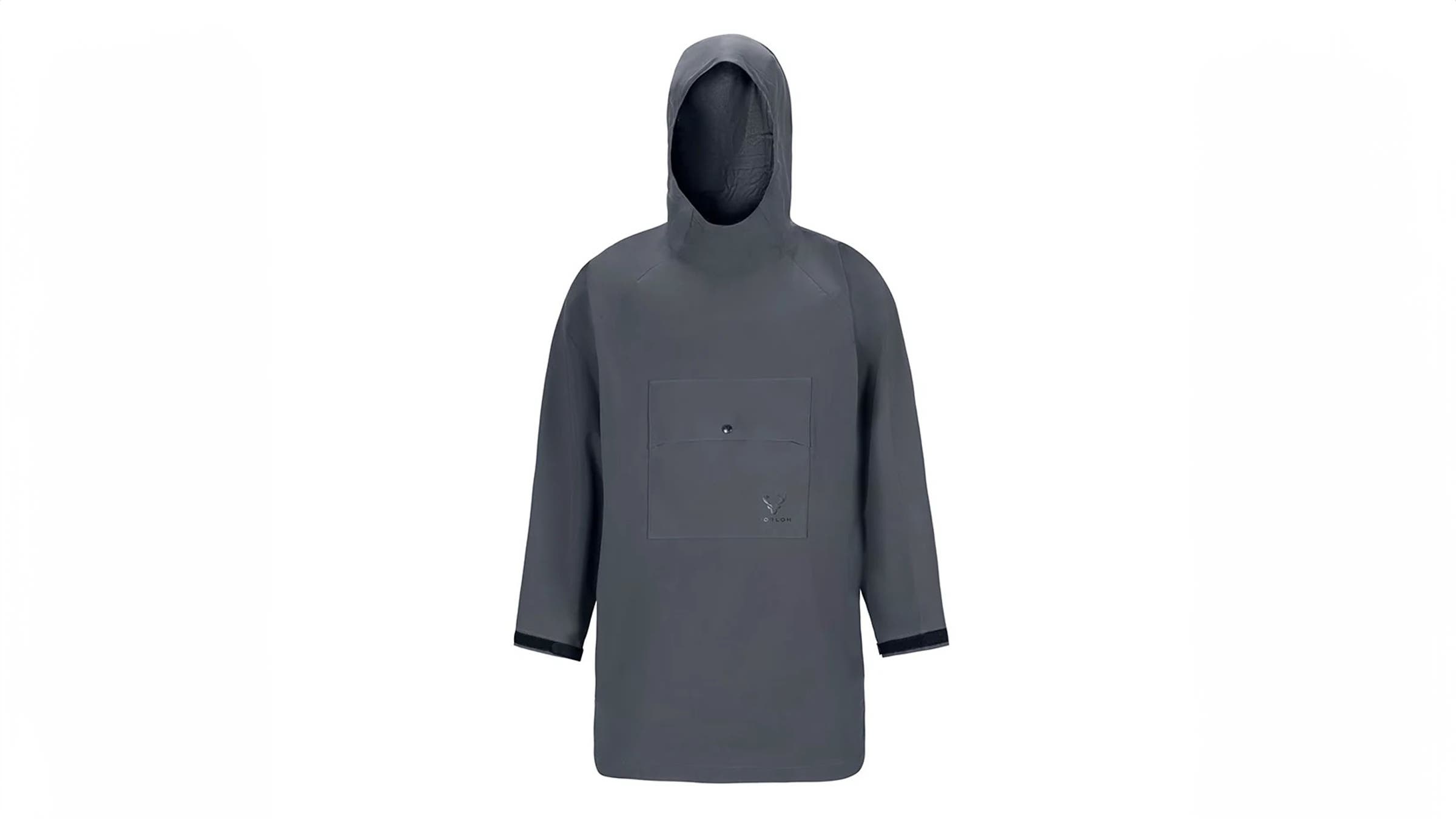
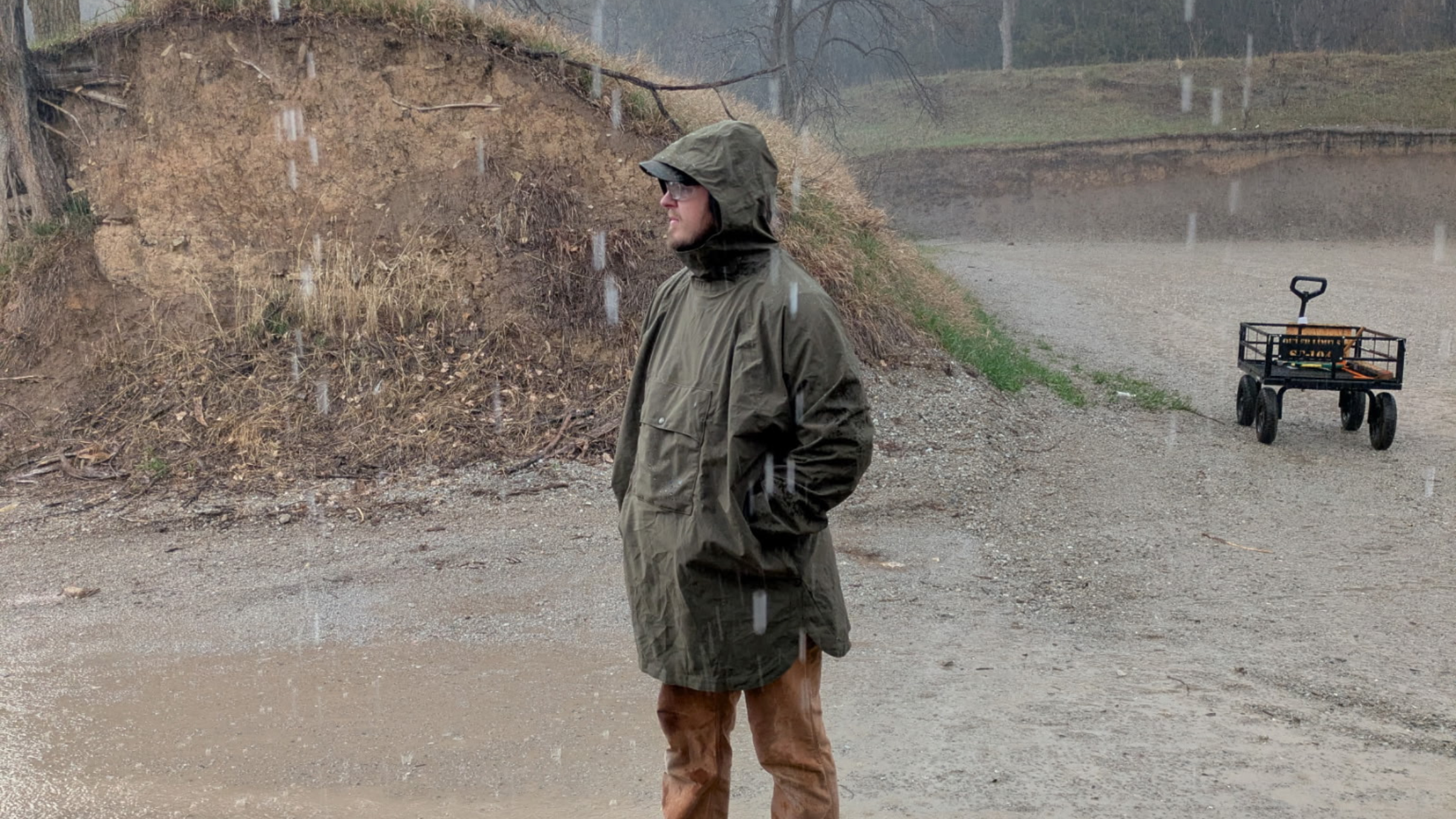
The Forloh Allclima Waterproof Packable Rain Poncho has emerged as a standout for its application of three-layer waterproof membrane technology. Unlike traditional, non-breathable ponchos, this piece utilizes taped seams and a tear-resistant, military-spec fabric that minimizes noise—a crucial factor for hunters. In controlled scenarios involving sustained downpours, the poncho maintained internal dryness while allowing for sufficient ventilation. While the snug neck opening remains a point of contention for some users, the functional trade-off is a high degree of weather sealing.
Lightweight Softshell Performance: Sitka Jetstream LT
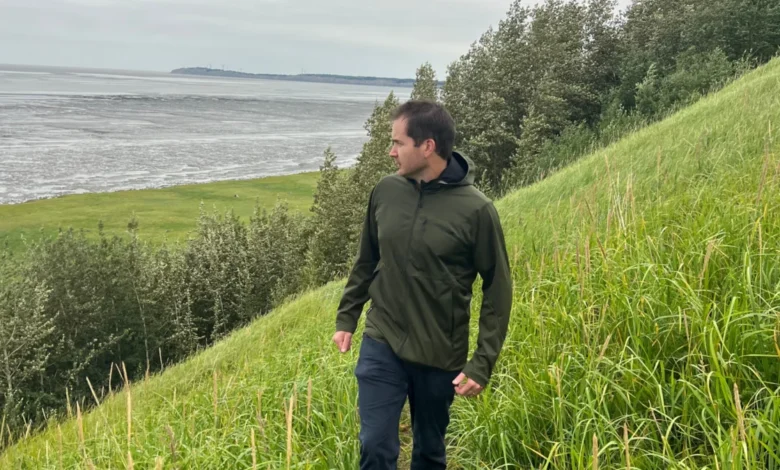
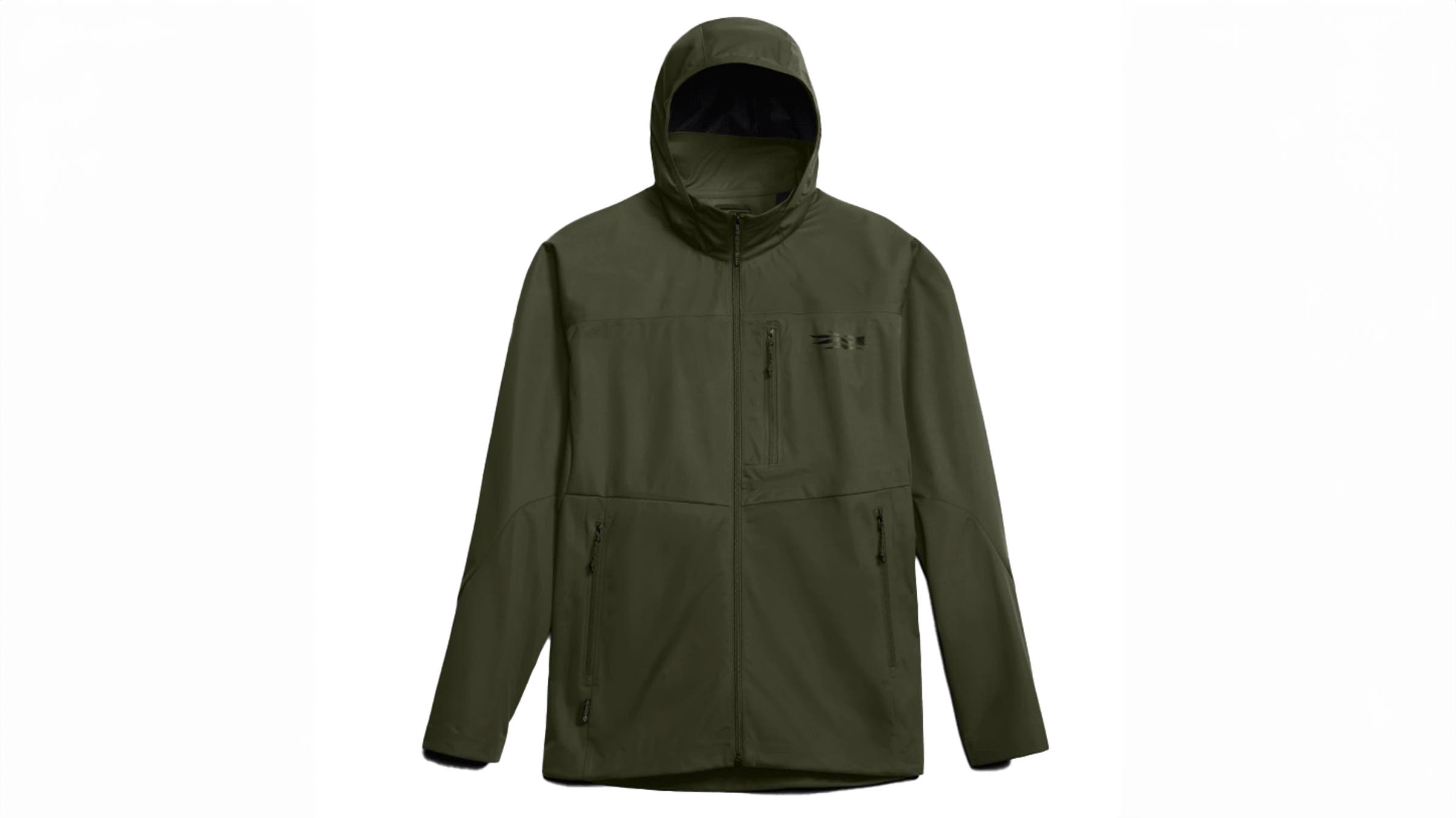
The Sitka Jetstream LT Jacket represents the evolving standard for wind-resistant softshells. During six weeks of testing in the volatile Alaskan spring, the jacket’s tightly knit polyester face fabric proved effective at blocking 25-mph winds without the acoustic signature typically associated with high-performance shells. It is rated as optimal for temperatures between 45 and 60 degrees; however, testers noted that while it provides significant utility for tree-stand hunters, its water resistance is limited, suggesting it is best paired with a hard shell during heavy precipitation.
Ergonomic Dexterity: Chêne Izembek Liner Glove
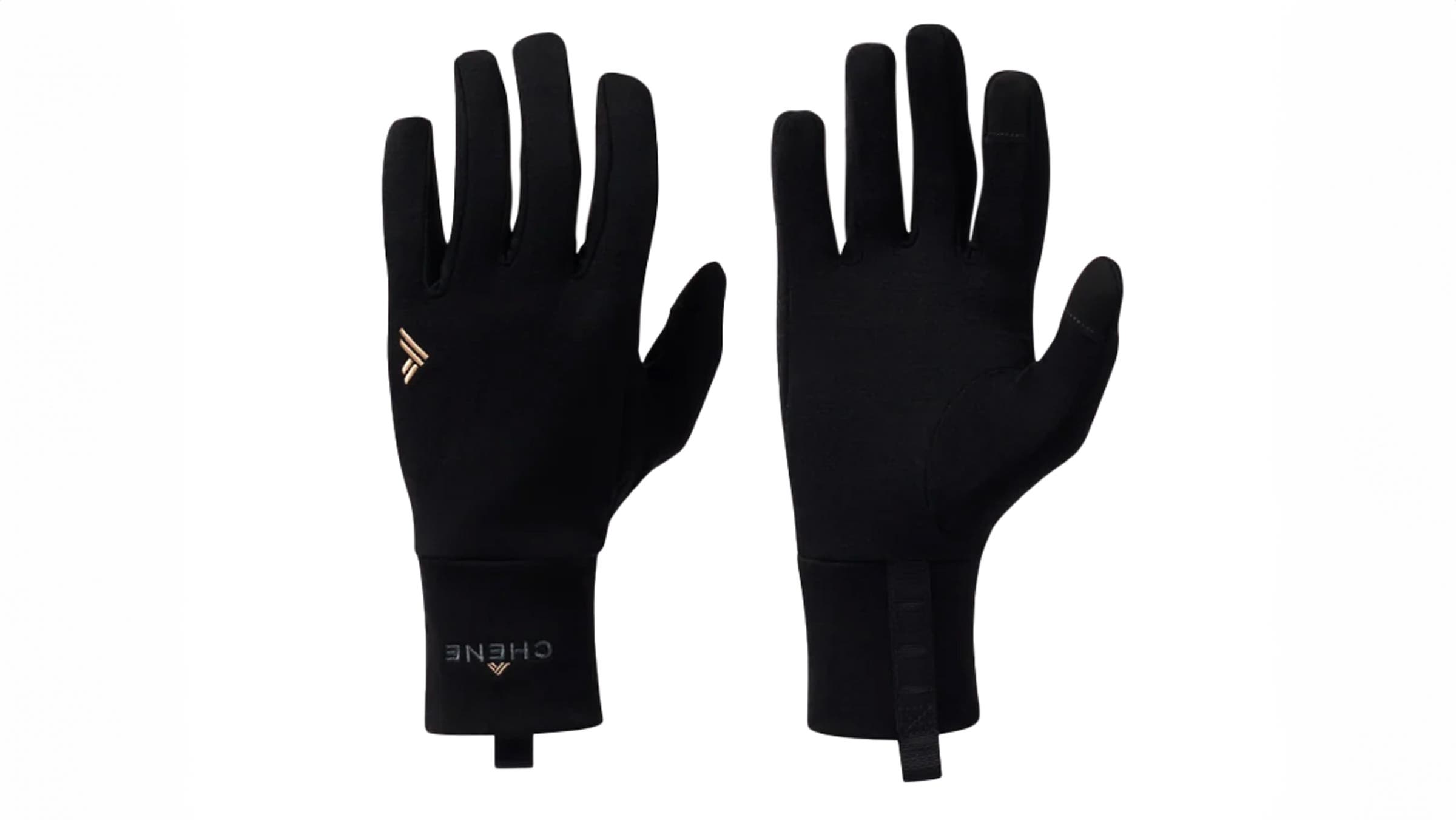
Handwear remains a persistent hurdle in hunting, where dexterity is required for firearm operation and touchscreen interaction. The Chêne Izembek Liner Glove utilizes a merino wool blend that retains warmth even when damp. Observations from the field confirmed that the material resists common field hazards like burs and stickers. Although the touchscreen functionality is reliable, testers identified a need for improved palm texture to enhance grip, a factor that remains essential for safe firearm handling.
Durable Bottoms: Sitka Endure Pant
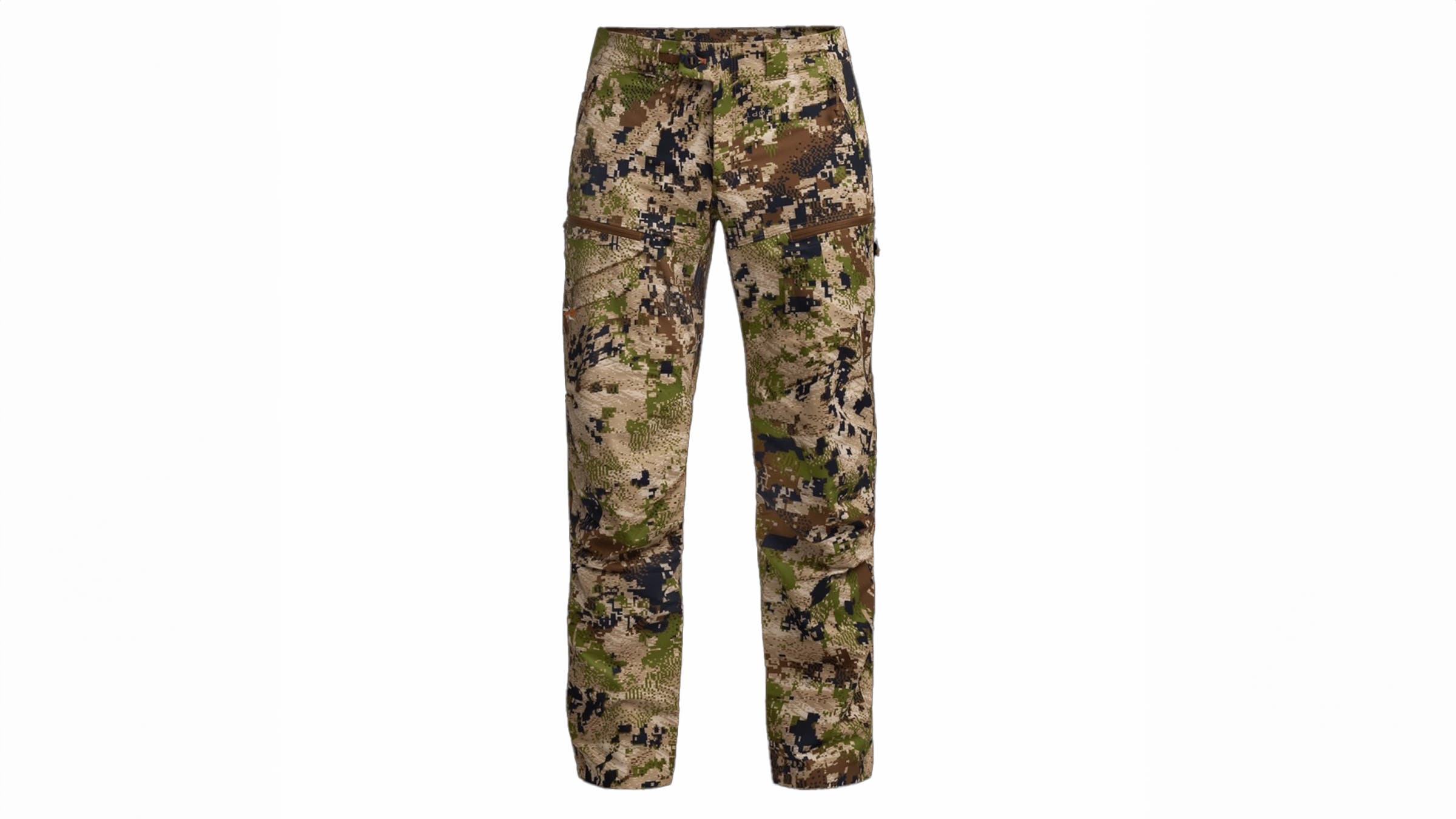
The Sitka Endure Pant has been categorized as a four-season workhorse. Constructed from double-weave polyester, these pants withstood over 50 miles of contact with thick brush, blackberry canes, and sharp terrain. The inclusion of knee-pad pockets and zippered hip vents allows for a degree of customization that is rare in standard outdoor apparel. Despite a higher price point, the durability—measured by the lack of visible wear after a full season of heavy use—suggests long-term value for the serious outdoorsman.
Mid-Layer Versatility: Stone Glacier Headwall Jacket
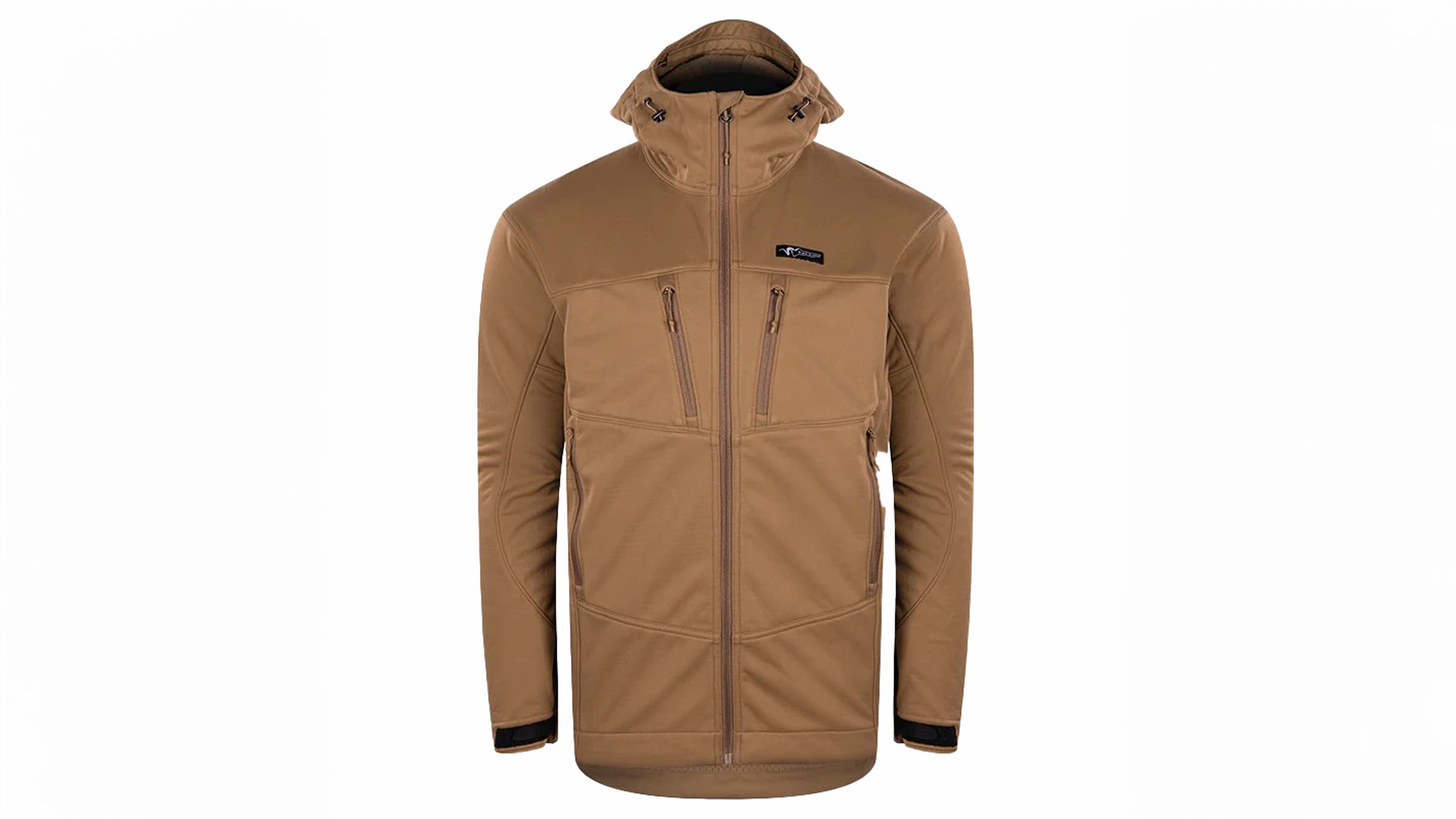
The Stone Glacier Headwall Jacket functions primarily as a high-output mid-layer. In tests across the ponderosa pine forests of New Mexico, the jacket proved its worth during strenuous ascents. The combination of breathable fabric and integrated pit zips allowed hunters to regulate heat during 1,500-foot elevation gains. While it possesses water-beading capabilities, its lack of total waterproofing confirms its status as a mid-layer rather than a primary shell.
Specialized Women’s Gear: Sitka and Forloh Innovations
The market for women’s technical hunting gear has seen significant maturation. The Sitka Women’s Ascent Pant has been lauded for its four-way stretch and moisture-wicking properties, effectively bridging the gap between comfort and durability. The Optifade Subalpine pattern provided superior concealment in layout blinds, where small movements can often alert game.
Additionally, the Forloh Women’s Brush to Mountain (BTM) Pro Pant provides a high-density solution for abrasive terrain. Utilizing waxed ripstop nylon, these pants offer an effective barrier against thorns and marsh reeds. While fit remains a subject for refinement—notably in the waist-to-hip ratio—the technical performance of the materials marks a departure from the previously limited options available to female hunters.
Footwear and Foundation: The Meindl EuroLight Hunter 300
Footwear remains the most significant investment for any hunter. The Meindl EuroLight Hunter 300 was subjected to extreme terrain, including post-holing through snow and traversing steep, rocky slopes. The 300 grams of synthetic insulation provided an ideal thermal balance for early-to-mid season use. While the leather construction necessitates a longer drying time if fully saturated, the boot’s stability and support profile outperformed many heavier, more traditional alternatives.
Broader Implications for the Hunting Industry
The 2026 data indicates a growing trend toward "prosumer" grade gear. The increasing reliance on synthetic, moisture-managing fabrics and articulated construction reflects the changing demographics of the hunting community. As more individuals enter the sport from backgrounds in hiking and backpacking, the demand for gear that performs across multiple disciplines—rather than just the hunting blind—has increased.
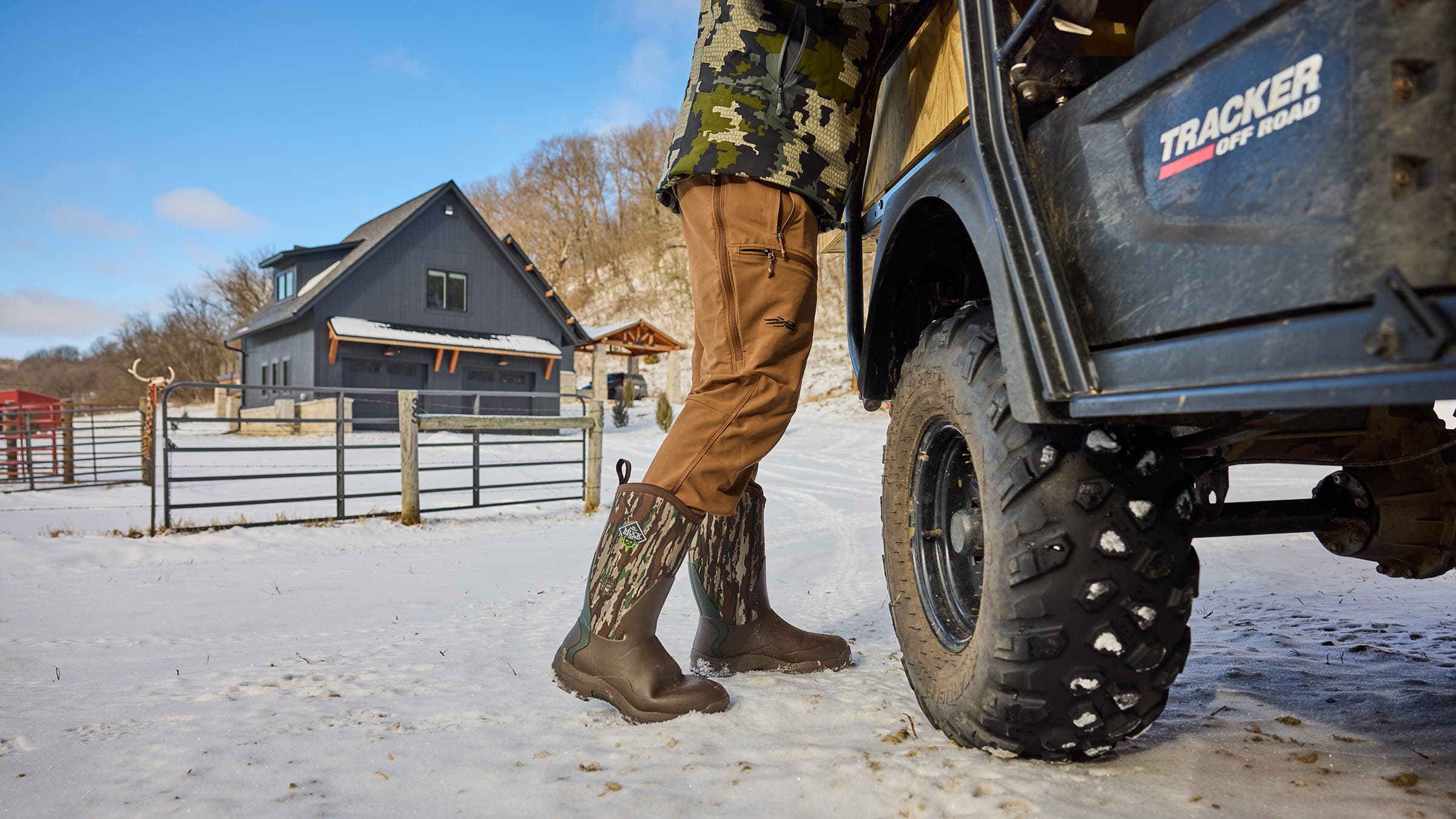
This shift has profound implications for manufacturers. There is a clear market signal that hunters are prioritizing multi-functional, durable equipment that can withstand a variety of ecosystems. Furthermore, the emphasis on American-sourced wool, as seen in the Farm to Feet Ely socks, highlights a secondary interest in supply chain transparency.
Safety and Regulatory Compliance
Beyond performance, the 2026 testing cycle reinforced the necessity of adhering to state-specific safety regulations. Hunter orange requirements remain a non-negotiable aspect of responsible field conduct. While high-tech camouflage allows for better concealment, it does not replace the fundamental safety requirements designed to prevent accidents. Hunters are encouraged to consult resources such as the Hunter-Ed database for state-specific updates on blaze orange mandates, as these laws remain subject to annual legislative review.
Conclusion: How to Approach the Market
For those new to the sport, the recommendation from the 2026 field testers is clear: prioritize comfort and fit over marketing-heavy, high-cost camouflage. The primary barrier to a successful hunt is often physical discomfort, which can lead to fatigue and poor decision-making. By investing in a high-quality base layer and reliable footwear, a beginner can achieve significant success without requiring a full suite of specialized gear.
As the 2026 season progresses, the integration of these technical apparel systems will continue to play a role in the efficacy and safety of the hunting community. Whether operating in the high-alpine regions of the West or the dense woodlands of the Midwest, the objective remains the same: to utilize gear that facilitates, rather than hinders, the pursuit of wild game.
Related posts: