Koenigsegg Recalls Entire US Fleet of CC850 Supercars Due to Parking Brake Software Anomaly

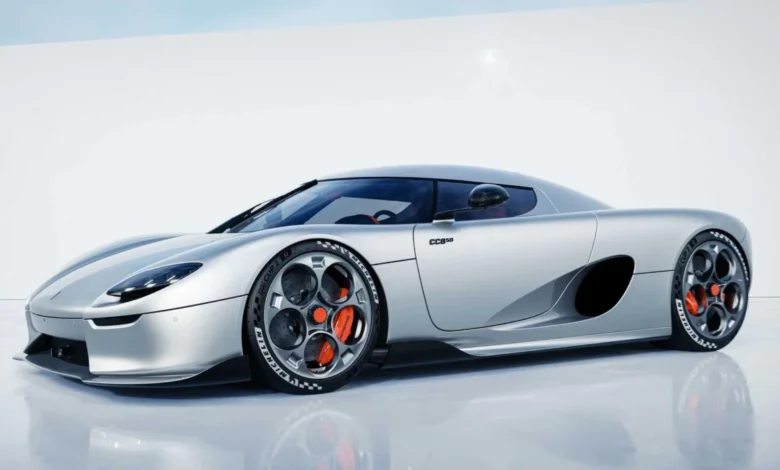
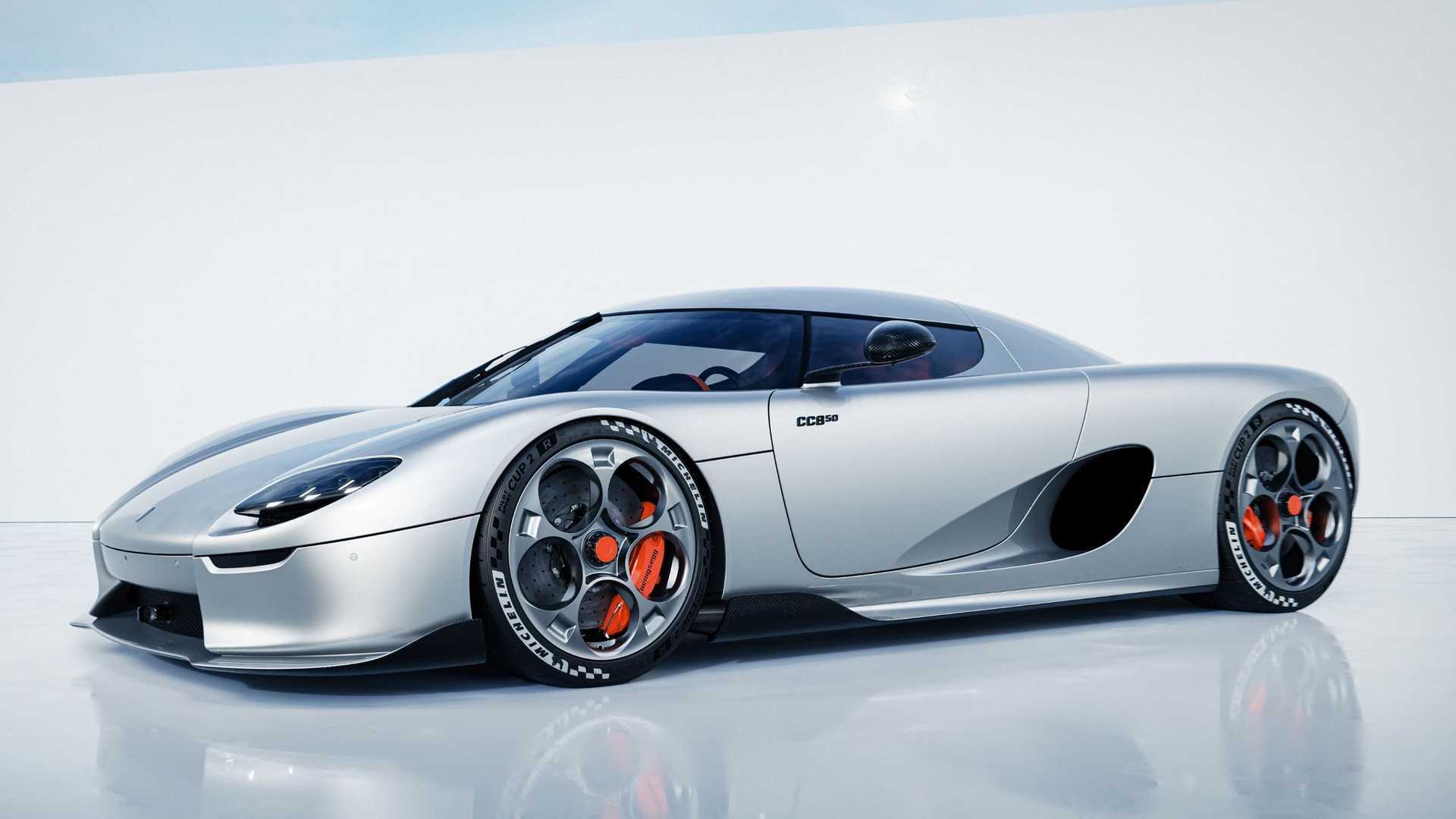
In the high-stakes world of hypercar manufacturing, recalls are rare, highly publicized, and almost exclusively limited to extremely small volumes. The Swedish manufacturer Koenigsegg, a brand synonymous with engineering audacity and extreme performance, has recently initiated a safety recall involving its CC850 model. While the automotive industry often grapples with recalls affecting hundreds of thousands of vehicles, the scope of this particular safety campaign is confined to exactly seven vehicles located within the United States. This recall highlights the unique intersection of boutique manufacturing, complex software integration, and the stringent regulatory standards overseen by the National Highway Traffic Safety Administration (NHTSA).
The Nature of the Technical Defect
The recall pertains to a specific electronic parking brake software issue identified within the 2025 and 2026 model year CC850 units. According to the official documentation filed with the NHTSA, the vehicle’s electronic parking brake (EPB) may fail to engage under specific operating conditions. The issue centers on a potential logical error in the software governing the brake’s activation sequence, particularly when the vehicle is in reverse.
The vulnerability was brought to light following a report involving a vehicle that, while running and shifted into reverse, failed to maintain a stationary position when the driver attempted to engage the parking brake and exited the vehicle. The resulting roll-away incident prompted an immediate investigation by the manufacturer. Koenigsegg engineers determined that the software architecture managing the interface between the transmission state and the parking brake actuator required a recalibration to ensure the brake engages reliably regardless of the gear selection or the driver’s proximity to the vehicle controls.
Chronology of the Safety Action
The timeline for this recall began with the reported field incident, which served as the catalyst for the internal engineering audit. Upon receiving the report, Koenigsegg initiated a comprehensive review of the CC850’s software logs. By late 2025, the manufacturer had confirmed that the software logic governing the EPB was indeed susceptible to a failure mode that could lead to unintended movement if the vehicle were left unattended while in gear.
Following the internal verification, Koenigsegg proactively communicated the findings to the NHTSA. The formal recall notice was subsequently processed, establishing a clear pathway for remediation. Given the limited production run and the sophisticated nature of the vehicle’s systems, the resolution was identified as a software update rather than a mechanical hardware replacement. This allowed the manufacturer to bypass the logistical complexities of physical repair centers for the affected owners, opting instead for a streamlined digital intervention.
Engineering the CC850: A Contextual Overview
To understand the complexity of the CC850, one must look at its revolutionary powertrain and transmission. The CC850 is widely considered a marvel of automotive engineering, primarily due to its "Light Speed Transmission" (LST) and the Engage Shift System (ESS). This system allows the vehicle to function as a six-speed manual with a physical clutch pedal or as a nine-speed automatic, a feat never before achieved in a production road car.
The integration of such a complex transmission requires a significant amount of proprietary software. The electronic parking brake is integrated into this broader digital ecosystem, which manages everything from the twin-turbocharged 5.0-liter V8’s output—up to 1,385 horsepower on E85 fuel—to the vehicle’s active aerodynamics. In such a highly software-defined vehicle, minor coding inconsistencies can have outsized impacts on vehicle stability systems. The recall serves as a testament to the fact that even at the pinnacle of hypercar engineering, the increasing reliance on lines of code to govern physical safety features presents a continuous challenge for manufacturers of all sizes.
Official Response and Remediation Process
Koenigsegg has committed to a swift resolution, ensuring that the seven affected owners experience minimal disruption. The manufacturer has developed an over-the-air (OTA) software patch designed to override the existing parking brake control parameters. This update ensures that the parking brake logic is prioritized by the vehicle’s control unit, guaranteeing engagement even if the transmission is in a non-park gear state.
Owners have been provided with two options for the implementation of this fix. The first and most convenient method is the OTA update, which allows the vehicle’s onboard telematics system to download and install the patch remotely. For owners who prefer a hands-on approach or lack consistent connectivity, Koenigsegg’s authorized service centers are equipped to perform the software flash manually. Both methods are provided at no cost to the owner, in accordance with standard safety recall protocols. As of the latest update, no injuries or property damage beyond the initial incident have been attributed to this specific software defect.
Broader Implications for Boutique Automakers
The Koenigsegg CC850 recall serves as a case study for the evolving landscape of automotive safety. As luxury and hypercar brands transition toward software-heavy architectures, the distinction between a "mechanical" failure and a "digital" failure has blurred. For companies producing fewer than a hundred vehicles per year, the regulatory burden of maintaining software integrity is significant.
The NHTSA’s involvement in this matter demonstrates that regulatory scrutiny does not diminish based on production volume. Regardless of whether an automaker produces ten million cars or seven, the mandate for passenger safety remains absolute. This incident also highlights the growing importance of cybersecurity and software lifecycle management within the niche hypercar market. As these vehicles become increasingly connected and autonomous-adjacent, the ability to push remote patches is becoming a critical competitive advantage, not just for convenience, but for maintaining regulatory compliance and owner safety.
Industry Perspectives on Safety Standards
Industry analysts suggest that the Koenigsegg recall reflects a broader trend toward transparency in the automotive sector. While a recall of seven vehicles might seem negligible to a mass-market manufacturer, it is a high-stakes event for a brand whose reputation is built on extreme precision. By taking proactive steps to report the issue and provide a software-based solution, Koenigsegg is reinforcing its commitment to the long-term reliability of its products.
Furthermore, this event underscores the importance of rigorous testing protocols for specialized electronic systems. In the context of a car that features a multi-mode manual-automatic transmission, the interaction between the gear-selector software and the parking brake is a non-trivial engineering challenge. The fact that the issue was identified and is being rectified before any broader safety failure occurs is indicative of a mature approach to risk management.
Final Assessment
The CC850 remains a landmark vehicle, representing the zenith of combustion-engine performance. While this recall is a minor footnote in the history of the model, it serves as a reminder that even the most sophisticated machines are subject to the same rigorous safety standards as any other vehicle on the road. As Koenigsegg continues to push the boundaries of what is possible in automotive design, the manufacturer will undoubtedly continue to refine its software development and quality assurance processes.
For the seven owners of the affected vehicles, the recall is a matter of a simple software update, a small price to pay for the privilege of owning a piece of automotive history. For the industry at large, the event serves as a reminder that in the modern era of automotive engineering, the quality of a vehicle’s code is just as vital as the strength of its carbon-fiber chassis. As technology continues to advance, the ability to identify, communicate, and resolve such anomalies will remain a defining characteristic of a world-class automaker. The promptness of this response suggests that Koenigsegg is well-equipped to navigate these challenges, ensuring that their limited-production masterpieces remain both high-performing and safe for the road.