Range Rover Sport Electric marks a pivotal shift for JLR as it accelerates its electrification strategy while preserving legendary off-road DNA

The automotive landscape is undergoing a profound transformation, and nowhere is this more evident than in the evolution of the luxury SUV segment. While industry observers and enthusiasts alike remain fixated on the impending debut of the Jaguar Type 01—a vehicle tasked with redefining the heritage brand’s future—the Tata Motors-owned Jaguar Land Rover (JLR) group is quietly executing a much broader electrification strategy. The latest chapter in this narrative is the official unveiling of the Range Rover Sport Electric. By introducing a battery-electric version of one of its most popular nameplates, JLR is not merely replacing a powertrain; it is demonstrating how the core pillars of luxury, performance, and extreme terrain capability can transition into a zero-emissions future.
The Strategic Pivot to Electrification
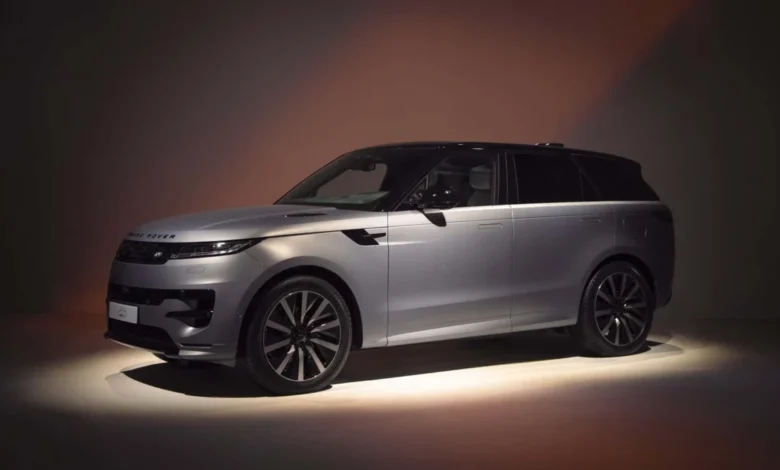
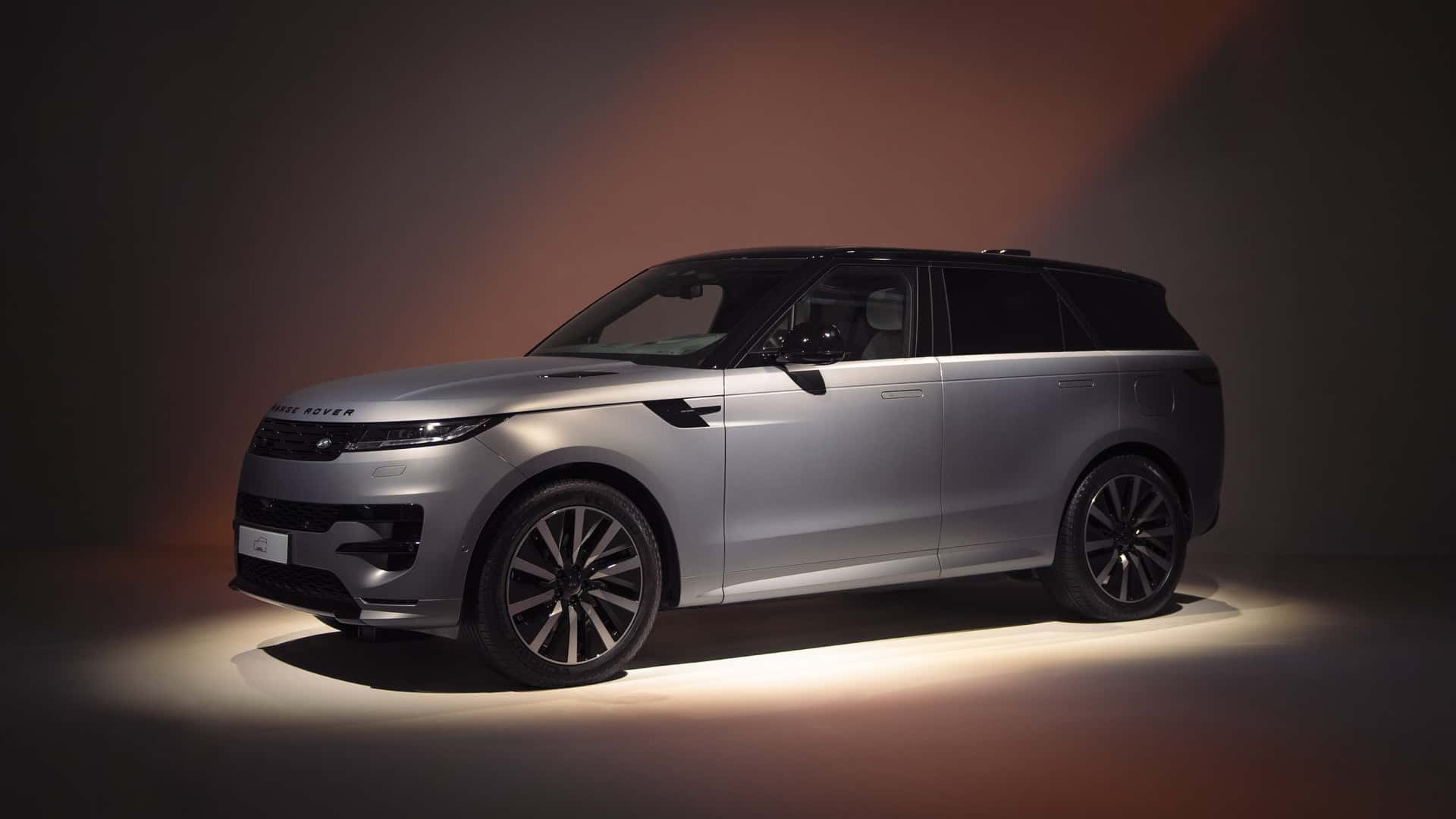
The decision to electrify the Range Rover Sport follows the successful debut of the flagship Range Rover Electric. By expanding its electric portfolio, JLR is signaling that its "Reimagine" strategy—a multi-year plan aimed at positioning the company as a leader in modern luxury—is gaining significant momentum. Unlike many competitors that create distinct, dedicated electric platforms that look fundamentally different from their internal combustion engine (ICE) counterparts, JLR has opted for an evolutionary design language. At a glance, the new Sport Electric is indistinguishable from its combustion-powered sibling. This design philosophy prioritizes familiarity for the existing customer base, ensuring that the transition to electric mobility does not come at the cost of the iconic silhouette that has defined the brand for decades.
Performance Benchmarks and Engineering Specs
Engineering an electric SUV that retains the "Sport" moniker requires a delicate balance between weight management and power delivery. JLR engineers have achieved this by integrating a dual-motor electric drivetrain that generates a combined output of 543 horsepower. Perhaps more impressive is the torque figure: 850 Nm (627 lb-ft). This surpasses the performance of the high-end Range Rover Sport SV, which utilizes a twin-turbocharged 4.4-liter V8 engine of BMW origin.
The result of this electric powertrain is a vehicle capable of a 0-60 mph (96 km/h) sprint in just 4.3 seconds. However, for JLR, the objective was not to chase hypercar-like acceleration times, but to provide immediate, responsive power. According to the manufacturer, the electric drivetrain provides a 50 percent faster torque ramp-up compared to previous iterations, ensuring that the SUV feels agile in urban environments and effortless during high-speed overtaking maneuvers.
Structural Integrity and Chassis Dynamics
Transitioning to an electric architecture provided JLR with the opportunity to refine the vehicle’s structural dynamics. The Range Rover Sport Electric features a body structure that is 61 percent stiffer than its plug-in hybrid predecessor. Furthermore, the strategic placement of the massive 118.5-kWh lithium-ion battery pack under the floor has lowered the center of gravity by 73 mm (2.9 inches). This change significantly reduces body roll, allowing for more precise handling without sacrificing the refined ride quality associated with the Range Rover nameplate.
Despite these changes, the vehicle remains a formidable off-road machine. To prove its credentials, JLR subjected the Sport Electric to a rigorous testing regimen in the Carrara marble quarries of Italy. Navigating gradients of up to 45 degrees and traversing surfaces ranging from slick, polished marble to loose, unstable dust, the SUV demonstrated that the transition to electric power does not negate its go-anywhere capability. The vehicle maintains a water-wading depth of 900 mm (35.4 inches), matching the standards set by its predecessors.
Charging Infrastructure and Efficiency
The vehicle is built upon an 800-volt electrical architecture, which is rapidly becoming the industry standard for high-performance EVs due to its ability to support ultra-fast charging. The 118.5-kWh battery delivers an estimated range of 378 miles (609 kilometers) on the WLTP cycle. While not the highest range currently available in the luxury SUV segment, it represents a practical balance for a vehicle of this size and weight.
For owners, the charging convenience is a major selling point. Utilizing a high-capacity DC fast charger, the vehicle can add 136 miles (220 km) of range in just 10 minutes. A standard 10-to-80 percent charge cycle is estimated to take approximately 22 minutes under optimal conditions. This infrastructure compatibility ensures that the Range Rover Sport Electric is not just a technological showcase, but a usable daily driver for those who demand convenience alongside sustainability.
The Sound of Silence: Engineering a Bespoke Soundtrack
One of the unique challenges of electric vehicle design is the lack of acoustic feedback, which many performance-oriented drivers rely on for situational awareness. To address this, JLR engineers developed a bespoke audio profile for the Sport Electric. This isn’t merely an artificial engine noise; it is a meticulously crafted soundscape designed to enhance the engagement of different drive modes. By "blurring the lines between music and engineering," the brand hopes to retain the visceral, emotive experience that customers have come to expect from the Range Rover Sport.
Market Context and Future Outlook
The Range Rover Sport Electric will be manufactured at JLR’s Solihull plant in the United Kingdom, utilizing the same production lines as the combustion-powered and plug-in hybrid models. This manufacturing flexibility is a key aspect of JLR’s operational strategy, allowing the company to scale production based on consumer demand without requiring a complete overhaul of its existing facilities.
In terms of market positioning, the Range Rover Sport Electric is set to compete directly with the upcoming Porsche Cayenne Electric. However, market analysts suggest that the Range Rover occupies a unique niche. While competitors may focus on maximizing on-road performance, JLR is betting on the brand’s enduring reputation for off-road durability to maintain its competitive edge. The ability to cross deep water and traverse steep, rugged inclines remains a core differentiator that few luxury manufacturers can credibly claim.
Implications for the Luxury SUV Segment
The arrival of the Range Rover Sport Electric is indicative of a broader trend: the electrification of the "ultra-luxury" SUV. For decades, these vehicles were defined by the roar of large-displacement engines and their ability to conquer harsh environments. By successfully transitioning these vehicles to electric power, manufacturers like JLR are proving that sustainability does not have to be a compromise.
However, the shift also presents challenges. The weight of large battery packs remains a hurdle for vehicle dynamics, and the high price point of these electric models limits their initial adoption to the upper echelons of the market. Furthermore, as the brand pivots, it must ensure that the "Range Rover" experience—defined by cabin luxury, material quality, and off-road capability—is preserved in a way that feels authentic to its heritage.
The company’s approach—evolution rather than revolution—suggests that JLR is prioritizing stability. By keeping the familiar design and luxury-focused interior while swapping the mechanical components for modern, electric internals, the brand is lowering the barrier to entry for its traditional customers. This strategy is likely to pay off as governments worldwide continue to tighten emissions regulations, making the transition to electric power an operational necessity rather than a stylistic choice.
Conclusion: A Measured Evolution
As the automotive industry moves toward a future defined by electrification, the Range Rover Sport Electric serves as a critical milestone for JLR. It successfully bridges the gap between the brand’s history of rugged, high-performance utility and the future of sustainable, quiet, and efficient luxury transport. By maintaining the core characteristics that have made the Range Rover Sport a success for years, JLR is ensuring that its transition to electric power is as seamless as the silent, torque-rich acceleration provided by its new motors.
For the automotive sector, this vehicle represents a blueprint for how legacy brands can modernize without losing their identity. As the company turns its attention toward the highly anticipated Jaguar Type 01, the success of the Range Rover Sport Electric will provide a strong foundation, signaling that JLR is well-equipped to navigate the complexities of the electric era. While the roads of the future will be quieter, the commitment of companies like JLR to maintaining performance and capability suggests that the driving experience will remain as compelling as ever.