VW’s promised 2027 ID. Buzz is now a 2028 model, leaving American dealers with another year to wait

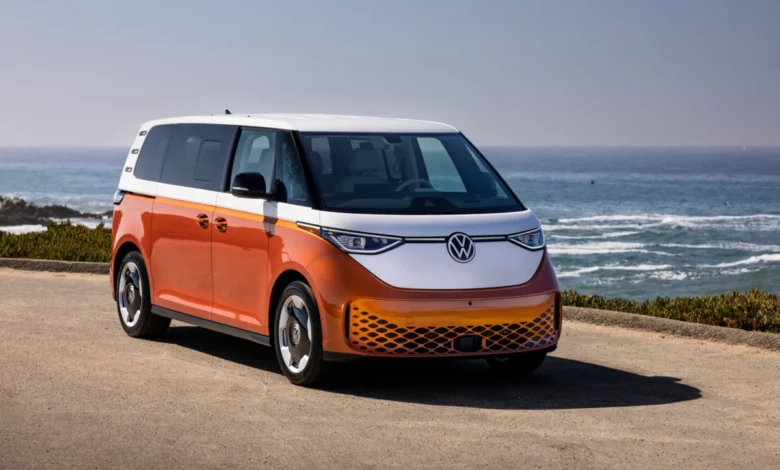
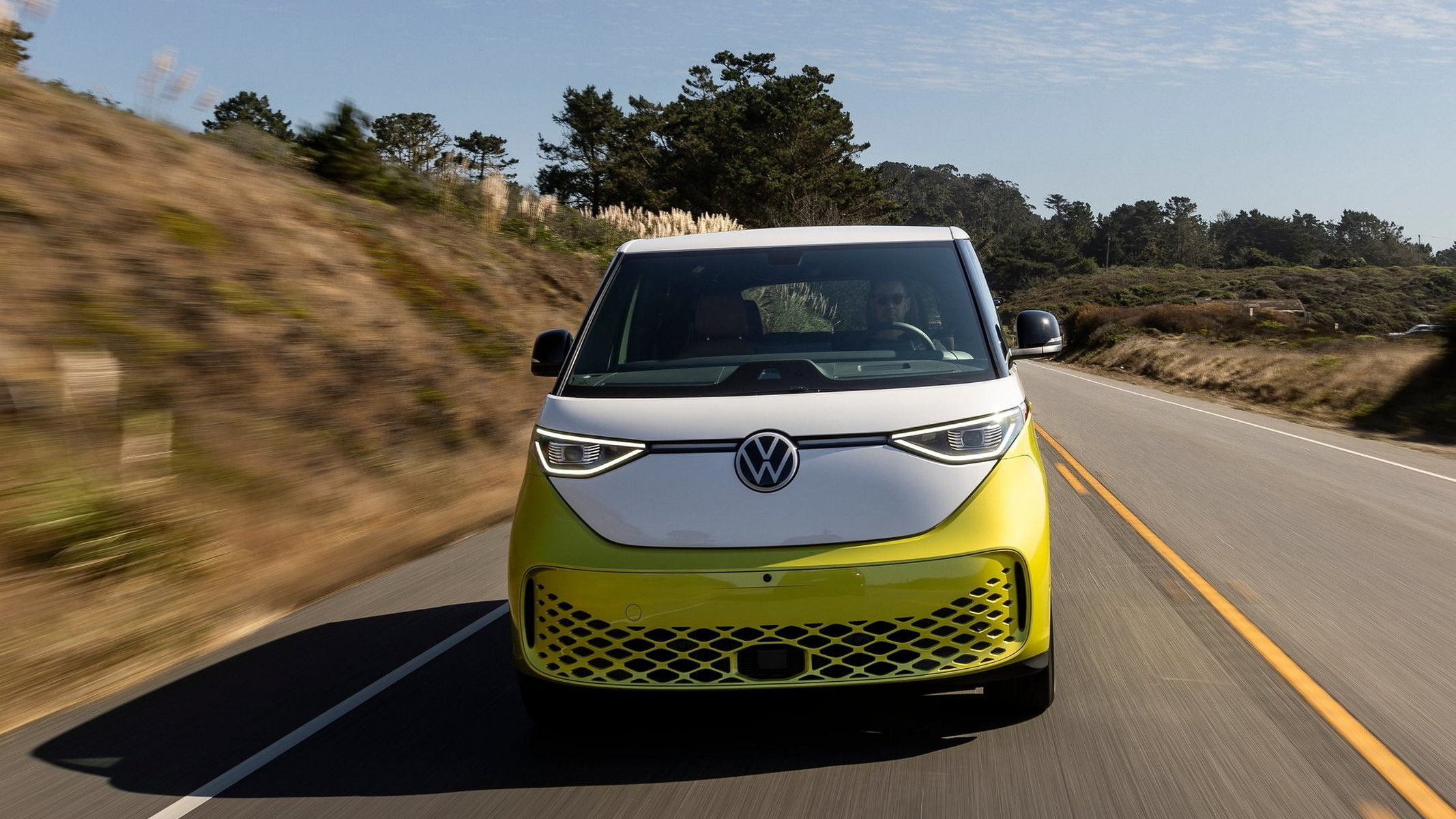
Volkswagen has announced a significant shift in the deployment timeline for its all-electric ID. Buzz van in the United States, pushing its anticipated return back to the 2028 model year. Originally slated to arrive in American showrooms this fall as a 2027 model, the electric vehicle will now make its commercial reappearance in the first half of 2027 wearing 2028 badges.
The decision, communicated to U.S. dealership networks on September 24, means that the retro-inspired electric van will effectively skip two consecutive model years in the American market. This latest rescheduling compounds an already tumultuous rollout for a vehicle that Volkswagen spent nearly two decades teasing, conceptualizing, and hyping before it finally touched down on North American soil in November 2024. For dealerships eagerly awaiting fresh inventory to stimulate showroom traffic, the extended hiatus introduces fresh logistical hurdles and inventory management challenges.
Chronology of a Delayed Rollout
The journey of the Volkswagen ID. Buzz to the U.S. market has been characterized by iterative delays, strategic pivots, and shifting timelines. The concept vehicle was initially unveiled to the public in early 2017, building upon a wave of nostalgia derived from the classic Type 2 Microbus. However, production hurdles, global supply chain bottlenecks, and shifting corporate priorities within Volkswagen Group pushed the official launch timeline further into the future.
When the ID. Buzz finally debuted in American showrooms in November 2024 as a 2025 model, it carried high expectations. Yet, the momentum was short-lived. In December 2025, Volkswagen surprised its retail network by notifying dealers that the vehicle would bypass the 2026 model year entirely.
To bridge the gap, the automaker announced an updated lineup in May, promising a 2027 model-year vehicle arriving by the fall. That timeline has now proven overly ambitious. The latest revision shifts the vehicle’s commercial return to the first half of 2027, with the van designated as a 2028 model. This ongoing shuffle means that American consumers will face a protracted dry spell, looking at an extended absence of new model-year iterations in dealerships.

Scheduled Upgrades and Technological Additions
Despite the frustrating delays, Volkswagen maintains that the postponement will allow the company to bundle a comprehensive suite of mechanical, aesthetic, and technological enhancements into a single, cohesive launch. The features previously promised for the 2027 model year will carry over into the 2028 production run, alongside several new additions.
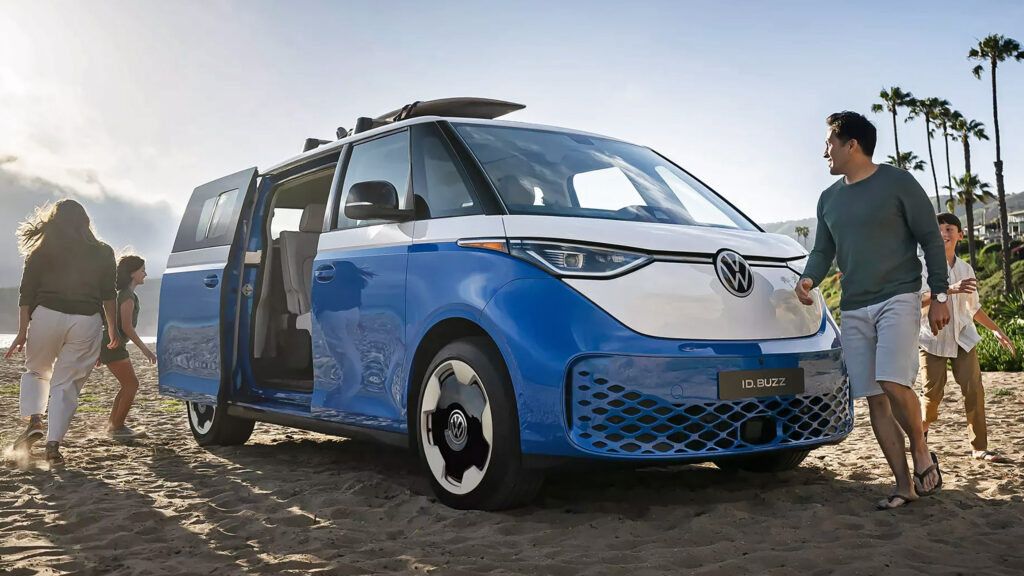
Among the anticipated updates is the introduction of a camping-focused Tourer trim, catering to the burgeoning market for adventure-ready and lifestyle-oriented electric vehicles. Visually, the van will continue to offer striking two-tone paint options that pay homage to its vintage predecessors. Inside the cabin, Volkswagen is addressing earlier ergonomic critiques by integrating physical buttons back onto the steering wheel, a move designed to improve tactile usability while driving.
From a charging and infrastructure perspective, the 2028 ID. Buzz will adopt the North American Charging Standard (NACS) capability natively, aligning with the broader industry shift toward standardized EV charging ports and granting drivers seamless access to major fast-charging networks. Furthermore, the 2028 iteration is slated to introduce updated vehicle software architecture, vehicle-to-load (V2L) functionality—allowing the van to power external devices or appliances—and digital key support, transforming the vehicle into a more connected and versatile platform.
Corporate Stance and Official Responses
Volkswagen has framed the scheduling adjustment as a strategic maneuver to ensure quality and comprehensive feature integration. In statements provided to industry monitors, the automaker emphasized that the extended timeline facilitates a more impactful market entry.
“The 2028 ID. Buzz brings together meaningful customer-focused enhancements in a single launch,” the automaker stated.
However, the corporate messaging has drawn scrutiny due to its omission of specific justifications for the delay. Volkswagen has not publicly detailed the exact engineering, supply chain, or regulatory factors that forced the pivot from a 2027 release to a 2028 model. Furthermore, the company has withheld critical details regarding pricing adjustments, trim-level packaging, and definitive production schedules. For dealers operating in a competitive retail landscape, the lack of pricing transparency complicates long-term financial forecasting and customer reservation management.

Sales Performance and Market Pressures
The decision to delay the vehicle comes against the backdrop of challenging market conditions for high-end electric vehicles in the United States. During its initial sales phase, the ID. Buzz faced significant headwinds. Volkswagen recorded 6,140 sales for the vehicle throughout 2025, followed by a modest 2,481 units sold during the first half of the year.
Several macroeconomic and structural factors have influenced these figures. Chief among them is the shifting regulatory landscape surrounding federal electric vehicle tax credits. The absence of robust federal incentives for imported or higher-priced EVs has placed the ID. Buzz at a distinct financial disadvantage. With a sticker price that positions it near the premium end of the market, the van’s value proposition has been a point of debate among prospective buyers, particularly given its initial battery range and limited trim configurations at launch.
Additionally, automotive manufacturers operating within the North American market are increasingly forced to navigate fluid trade policies and potential tariff implementations. Volkswagen must carefully weigh the costs of importing vehicles from its production facilities against localized assembly economics, a calculus that undoubtedly influences long-term product planning and volume targets for niche models like the ID. Buzz.
Implications for Dealers and Consumers
The repeated rescheduling of the ID. Buzz carries tangible consequences for Volkswagen’s U.S. dealer network. Dealerships invested considerable capital into preparing facilities, installing high-voltage charging infrastructure, and training service personnel specifically for the electric van’s launch. Extended gaps in product availability limit revenue generation from a vehicle intended to serve as a high-margin halo product and showroom traffic driver.
For consumers, the continuous pushing of the timeline tests brand loyalty. While the promise of enhanced software, NACS compatibility, V2L capabilities, and a dedicated camping trim makes the 2028 model technically superior to its initial iteration, the persistent wait frustrates enthusiasts who have tracked the vehicle’s development for years.
Ultimately, the ID. Buzz remains a vital emotional anchor for Volkswagen’s electrification strategy in North America. Whether the eventual 2028 model can overcome its rocky past, justify its price point, and revitalize sales will depend heavily on Volkswagen’s ability to execute this upcoming launch without further disruption.