In a strategic move aimed at fortifying the domestic labor market and ensuring the long-term viability of the American industrial sector, Ford Motor Company has spearheaded the formation of the Alliance for America’s Skilled Trades. This newly established coalition, which includes global technology giant Google, investment management firm BlackRock, and workwear manufacturer Carhartt, represents a massive cross-industry effort to address a widening gap in the United States workforce. The alliance arrives at a critical juncture as the automotive and manufacturing sectors face an unprecedented shortage of qualified technicians and tradespeople, a deficit that threatens to stifle economic growth and infrastructure development over the next decade.
The primary objective of the Alliance for America’s Skilled Trades is to cultivate a robust job pipeline capable of filling an estimated 2.1 million skilled trade positions that are projected to go unfilled across the country by 2030. According to data released by the coalition, this labor vacuum spans multiple critical sectors, including emergency services, trucking, construction, and advanced manufacturing. Within the automotive industry alone, more than 350,000 technician roles are expected to remain vacant in the coming years, a figure that has caused significant alarm for dealership networks and independent repair facilities nationwide.
A Growing Crisis in the American Labor Market
The formation of this alliance is a direct response to a years-long trend of declining enrollment in vocational schools and a societal shift away from trade-based education. Ford CEO Jim Farley has been one of the most vocal critics of the current educational landscape, frequently highlighting the disconnect between modern workforce needs and the traditional academic path. Farley has argued that the lack of investment in trade schools and the "next generation" of essential workers has created a systemic vulnerability in the American economy.
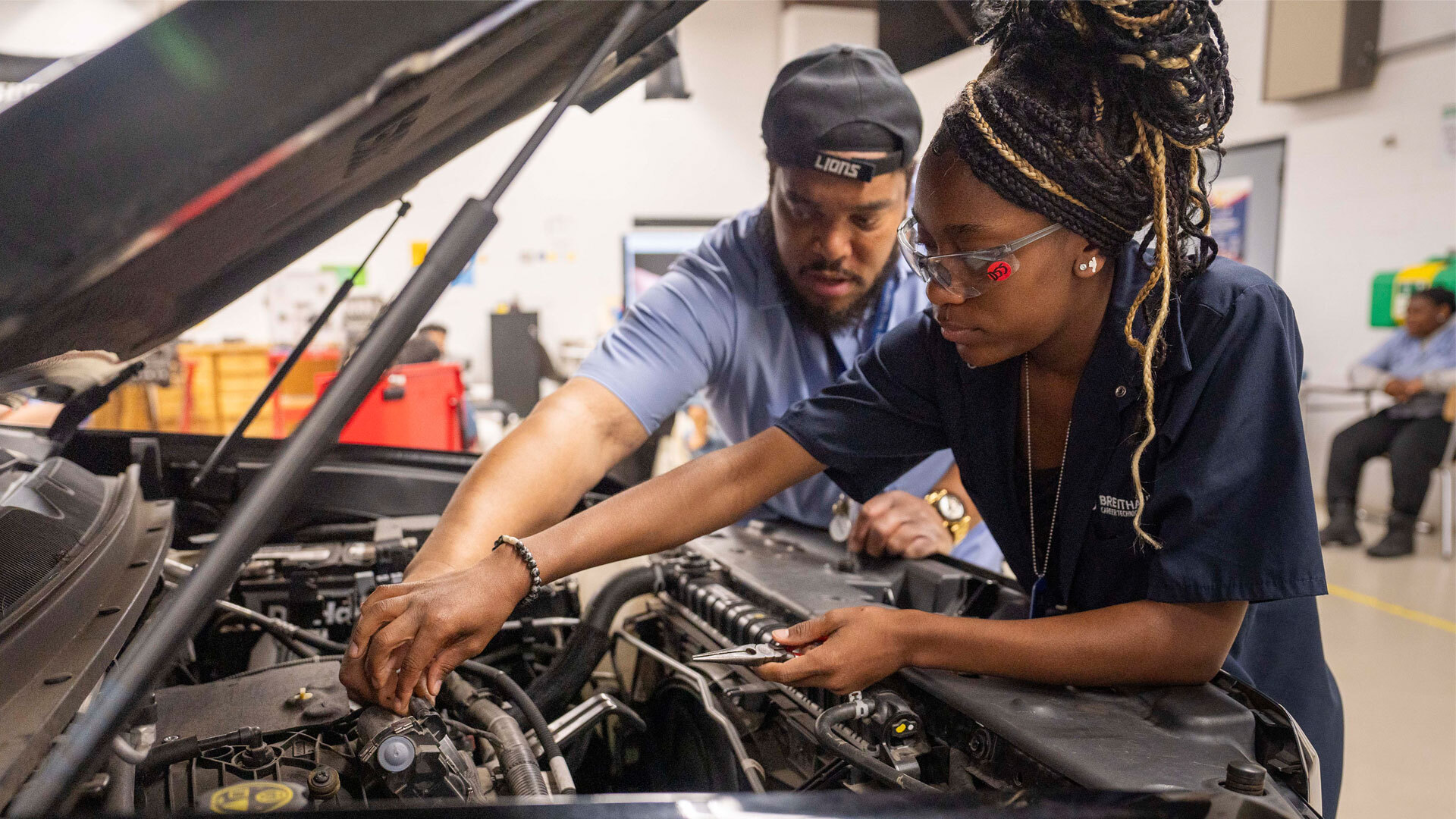
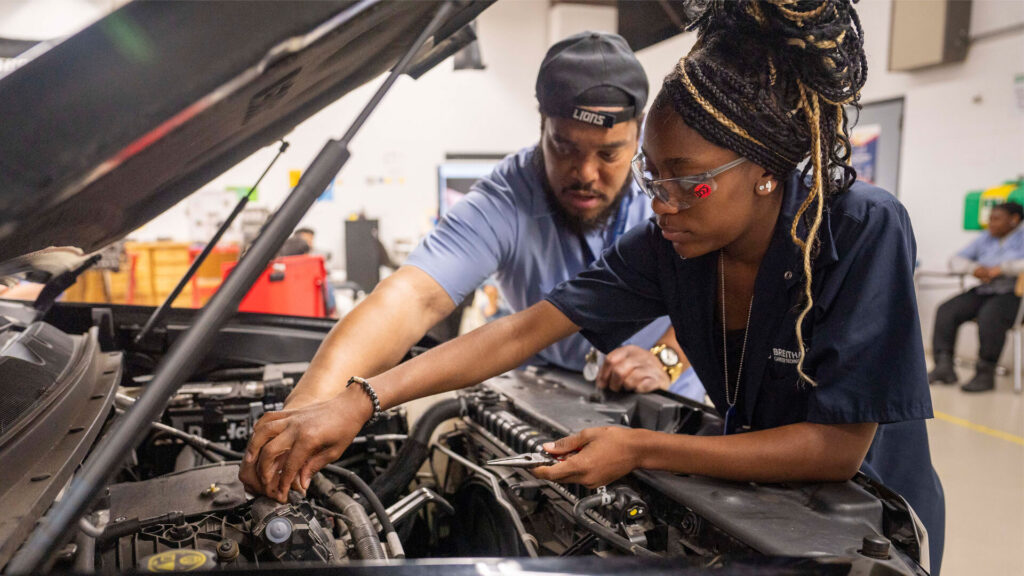
The crisis is particularly acute for Ford, which has struggled to fill approximately 5,000 mechanic positions at its dealerships, despite some of these roles offering annual salaries as high as $120,000. This internal labor shortage has been exacerbated by the company’s recent performance in vehicle reliability; Ford has faced a staggering number of recalls in recent years, including 59 separate campaigns in a single calendar year. Without a sufficient number of qualified technicians to service these vehicles, the company faces a bottleneck in its service departments, leading to longer wait times for customers and increased operational costs for franchise owners.
The data provided by the alliance suggests that the problem is not limited to automotive repair. Approximately 130,000 positions for electrical workers are also expected to remain open, a deficit that could hamper the nation’s transition to renewable energy and the expansion of the national power grid. The "Skilled Trades Report," a flagship publication planned by the alliance, will seek to quantify these gaps in real-time, providing policymakers and educational institutions with the data necessary to realign training programs with market demands.

Strategic Partnerships and Coalition Goals
The inclusion of Google, BlackRock, and Carhartt in the alliance underscores the multifaceted nature of the solution required to address the labor shortage. Each partner brings a unique set of resources and expertise to the table:
- Google: The technology firm is expected to provide the digital infrastructure and data analytics necessary to identify regional labor needs and streamline training processes. Furthermore, Google’s involvement points to the increasing "digitization" of the trades, where modern mechanics and electricians must be proficient in software diagnostics and advanced computing.
- BlackRock: As the world’s largest asset manager, BlackRock’s participation signals the economic gravity of the situation. From an investment perspective, a shortage of skilled labor is a "macro-risk" that threatens the productivity of the companies within BlackRock’s portfolio. Their role will likely involve financial strategy and the mobilization of capital toward workforce development initiatives.
- Carhartt: As a brand synonymous with the American working class, Carhartt provides the cultural bridge to the workforce. Their involvement is seen as essential for rebranding the skilled trades as a viable, prestigious, and lucrative career path for younger generations.
The alliance has outlined a three-pronged strategy to achieve its goals. First, it will establish a dedicated job pipeline that connects trainees directly with employers. Second, it will publish the annual Skilled Trades Report to track progress and identify emerging needs. Third, it will actively recruit new partners from the public and private sectors to expand the reach of its initiatives.
Chronology of the Labor Gap and Industry Response
The path to this alliance has been paved by several years of increasing tension between industrial demand and labor supply.
- 2020–2022: The global pandemic highlighted the fragility of supply chains and the essential nature of "boots-on-the-ground" workers. While white-collar sectors shifted to remote work, the demand for tradespeople remained constant, revealing a thin labor pool.
- 2023–2024: Industry leaders, including Jim Farley, began public-facing campaigns to promote trade schools. Farley’s rhetoric often linked labor readiness to national security, famously stating that in times of conflict, digital-first companies like Google would not be equipped to manufacture the "planes and tanks" required for defense without a foundation of skilled manual labor.
- 2025: Ford’s internal data revealed a critical shortfall of 5,000 mechanics, prompting the company to reassess its recruitment strategies. Simultaneously, the automotive industry as a whole saw a record number of recalls, placing immense pressure on existing service infrastructure.
- 2026 (July): The Alliance for America’s Skilled Trades is officially launched. The group announces immediate plans to begin training programs in 30 states, targeting high school graduates and adults looking for career changes.
Implementation and Regional Focus
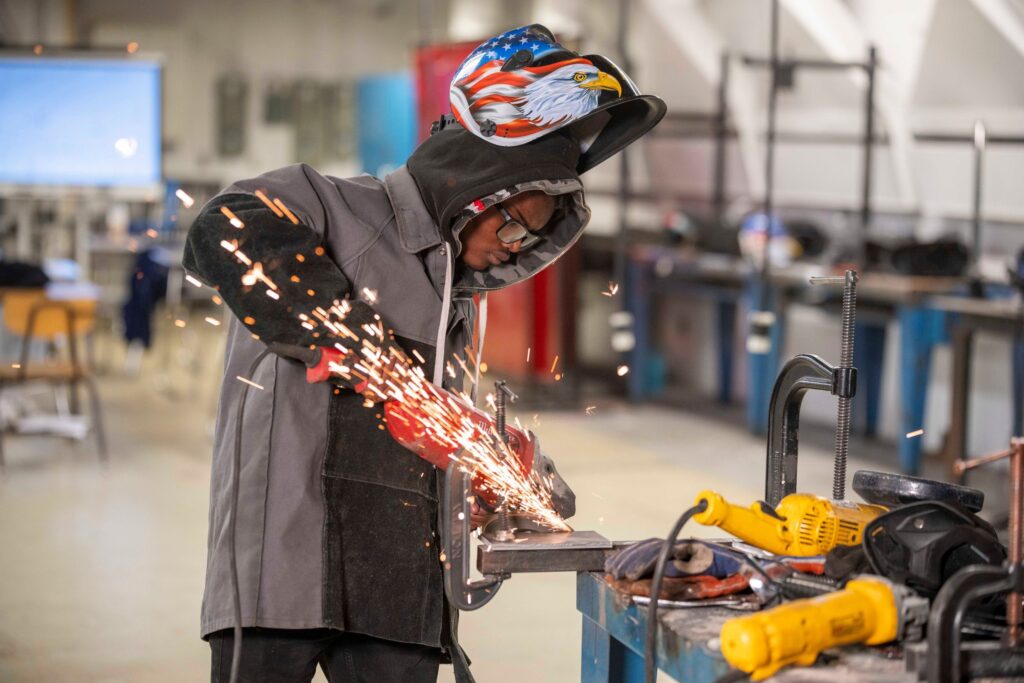
The alliance’s training initiatives are designed to be accessible and widespread. By launching programs in 30 states, the coalition aims to revitalize local economies, particularly in regions that have historically relied on manufacturing and heavy industry. These programs will be conducted in partnership with labor unions, trade associations, professional organizations, and community colleges.
The training modules will not only focus on traditional mechanical skills but will also incorporate "transferable skills" that allow workers to adapt to changing technologies. For example, an automotive technician trained through the alliance will learn internal combustion engine repair alongside electric vehicle (EV) battery maintenance and software-defined vehicle diagnostics. This dual focus ensures that the workforce remains resilient as the automotive industry transitions away from fossil fuels.
Nonprofits and educational institutions will play a vital role in reaching underserved communities. The alliance has expressed a commitment to ensuring that these high-paying trade jobs are accessible to a diverse demographic, providing a pathway to the middle class for individuals who may not have pursued a traditional four-year college degree.

Broader Economic and National Security Implications
The implications of the Alliance for America’s Skilled Trades extend far beyond the automotive sector. Economists note that a lack of skilled labor acts as a "drag" on the national Gross Domestic Product (GDP). Infrastructure projects, from bridge construction to the installation of high-speed internet, are frequently delayed or become over-budget due to the scarcity of qualified labor.
From a national security perspective, the ability to manufacture and maintain complex machinery domestically is a cornerstone of sovereignty. By partnering with Google and BlackRock, Ford is attempting to build a "modern industrial base" that combines traditional craftsmanship with 21st-century technology. This "new industrialism" is seen as a necessary counterbalance to the manufacturing dominance of international competitors, particularly in the Asia-Pacific region.
While some critics argue that the alliance is a late response to a problem that has been brewing for decades, others see it as a necessary evolution of corporate responsibility. The partnership suggests that major corporations now realize they cannot rely on the government or the existing educational system alone to produce the workforce they require.
Conclusion and Future Outlook
The Alliance for America’s Skilled Trades faces a monumental task. Overcoming the social stigma associated with vocational work and rebuilding a national training infrastructure will take years, if not decades. However, the combined resources of Ford, Google, BlackRock, and Carhartt provide a level of scale and influence that previous initiatives lacked.
As the coalition begins its rollout across 30 states, the industry will be watching closely to see if these efforts result in a measurable increase in trade school enrollment and a reduction in job vacancies. Success for the alliance would not only mean more mechanics at Ford dealerships but a more stable and self-sufficient American economy. For now, the group remains focused on its 2030 target, aiming to prove that the "essential worker" is not just a relic of the past, but the backbone of the future.