Laura Gallacher Breaks Silence After Russell Brand Receives 10-Year Prison Sentence Following Landmark London Trial

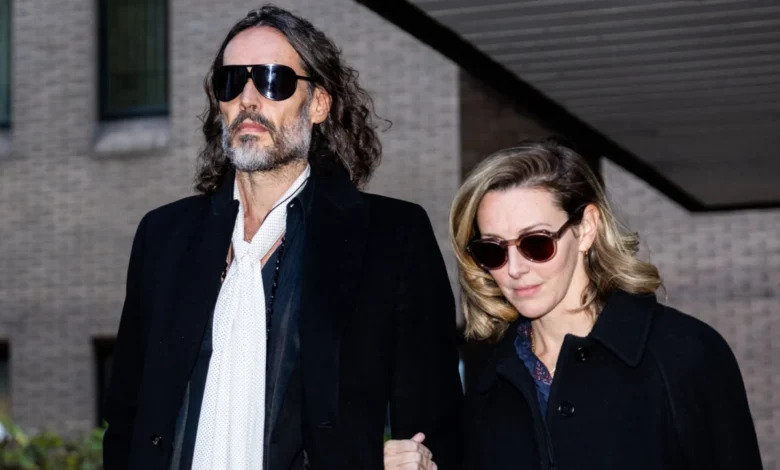
In the wake of a high-profile legal proceeding that concluded in a London courtroom earlier this month, Laura Gallacher, the wife of British comedian and actor Russell Brand, has publicly addressed her husband’s conviction and subsequent 10-year and six-month prison sentence. Brand was found guilty of multiple charges, including rape and sexual assault, following a rigorous criminal trial that drew intense international media scrutiny.
The developments were made public via a YouTube video uploaded on Sunday, featuring Gallacher addressing her followers before transitioning into a pre-recorded installment of the couple’s ongoing digital series, "Sunday Service with the Brands." The broadcast offered a window into the immediate aftermath of the verdict for a family now grappling with the profound disruption of a lengthy prison term.
Initial Public Remarks and Spiritual Reliance
Addressing the camera directly, Gallacher spoke about the emotional toll of the verdict and the reality of navigating life without her spouse. Despite the gravity of the situation, she emphasized a shared framework of faith to process the outcome of the trial.
"We trust God, and we trust His plan, and we trust everything He’s doing right now," Gallacher stated during the broadcast. "Even though it’s painful, and obviously, will take some getting used to for me to even sit here and not have my companion and my person with me. I’m speaking to Russell. He’s okay, and he’s praying, unsurprisingly."
The video later featured pre-recorded commentary from Brand himself, captured while the legal proceedings were still actively underway. In his remarks, Brand addressed the atmospheric weight of media coverage surrounding the case, comparing the mainstream reporting environment to sports commentary.
"So obviously, as I said last week, we’re in the middle of a trial," Brand said in the recording. "I mean, we don’t really look at coverage, but someone showed me some of the coverage the other day from people that were actually broadly supportive. But I know that’s not generally how it’s being covered in the mainstream media, and you can draw your own conclusions from that. Although what we’ll say is, it’s amazing to watch other people’s coverage of it because they just talk about it like it’s a football match."
Background Context and Trial Testimony
The conviction marks a dramatic turning point in the public and private life of Russell Brand, who transitioned over the past decade from a mainstream Hollywood and broadcasting career to a prominent alternative media commentator focusing on wellness, spirituality, and anti-establishment politics.
During the criminal trial in London, Gallacher took the witness stand to offer character testimony in defense of her husband. Describing him under oath, she characterized Brand as a "caring and kind" individual, as well as an "amazing husband" and a "wonderful father."
"I feel very seen by him," Gallacher told the court during her testimony, elaborating on the foundation of their dynamic. "We have a very honest, frank and clear relationship and marriage… our relationship has always been [about] honesty."
Gallacher and Brand have been married since 2017 and share three children. The sudden shift from a shared family life to a decade-long separation presents immense logistical and emotional hurdles for the household, a reality Gallacher acknowledged in her recent video statement.
Chronology of the Legal Proceedings
The legal battle that culminated in the recent verdict has roots stretching back through years of investigative journalism, public allegations, and subsequent police inquiries.
- Initial Allegations: Public scrutiny intensified significantly when joint journalistic investigations by mainstream outlets brought historical allegations of sexual misconduct and assault against Brand to light. These reports prompted former acquaintances and anonymous complainants to come forward with accounts spanning the height of his media career.
- Police Investigation: Following the public allegations, the Metropolitan Police in London launched a formal investigation into the claims, encouraging anyone with relevant information to come forward. Investigators gathered evidence, interviewed potential witnesses, and compiled case files over many months.
- Indictment and Court Appearance: Brand was formally charged with multiple offenses related to historical sexual misconduct. He consistently denied any criminal wrongdoing, maintaining that all of his relationships were consensual.
- The Trial: The criminal trial commenced in London earlier this month, featuring testimonies from both the prosecution’s witnesses—including the complainants detailing the alleged assaults—and defense witnesses, such as Gallacher, who spoke to Brand’s character and personal conduct within their marriage.
- The Verdict and Sentencing: After deliberating, the jury returned a guilty verdict on charges of rape and sexual assault. The presiding judge subsequently handed down a custodial sentence of 10 years and six months, marking the conclusion of the criminal trial phase.
Broader Impact and Implications
The conviction of a prominent cultural figure like Russell Brand carries significant implications across multiple spheres, including the entertainment industry, the alternative digital media landscape, and the broader societal conversation regarding accountability for historical sexual misconduct.
Within the realm of alternative media, Brand had cultivated a dedicated and substantial following, particularly on platforms like YouTube and Rumble, where he regularly discussed cultural and political topics. The guilty verdict and subsequent incarceration force a recalibration of his digital platforms and test the loyalty of his audience base, many of whom have engaged with his content under the banner of spiritual and personal transformation.
For mainstream media and the legal system, the case underscores the ongoing viability of prosecuting historical sex offenses, even when the accused commands substantial social capital, financial resources, and a loyal public following. The rigorous judicial process in London demonstrated the capacity of the courts to examine complex, high-profile allegations and apply established legal standards to public figures.
Furthermore, the public statements made by Gallacher highlight the complex dynamics often surrounding individuals close to public figures convicted of serious crimes. The tension between public accountability and private loyalty remains a recurring theme in high-profile criminal cases, as families navigate the intersection of personal grief, public stigma, and legal reality.
As Brand begins serving his 10-year and six-month sentence within the UK prison system, and Gallacher continues to address their supporters online, the case serves as a notable milestone in the ongoing reckoning within media and entertainment regarding accountability, justice, and the far-reaching consequences of criminal convictions.