The Record-Breaking 2026 Super El Niño: Global Impacts, Climate Science, and the Urgent Challenge of Escalating Extremes

The convergence of an exceptionally powerful El Niño weather pattern and unrelenting global climate change has pushed meteorological thresholds into unprecedented territory, triggering widespread international concern, localized states of emergency, and rigorous reassessment of how scientists communicate ecological hazards. Characterized by a dramatic disruption of Pacific Ocean trade winds, the current climatic event has shattered historical temperature anomalies. Climatologists and international monitoring agencies report that sea surface temperatures in the equatorial Pacific have climbed to levels previously unseen in modern record-keeping, eclipsing the benchmarks set during the historic 2015 event.
Governments and multilateral organizations are mobilizing resources as predictive models indicate that the phenomenon will persist through the winter months. In the United States, California has formally declared a statewide state of emergency to accelerate defensive preparations against severe storms, coastal erosion, and infrastructure strain. International scientific evaluations project profound socio-economic consequences, ranging from agricultural disruption in Latin America and Southeast Asia to heightened risks of heat-related mortality across vulnerable populations globally. This extraordinary climatic shift is serving simultaneously as an immediate crisis management challenge and as a sobering preview of a rapidly warming planetary future.
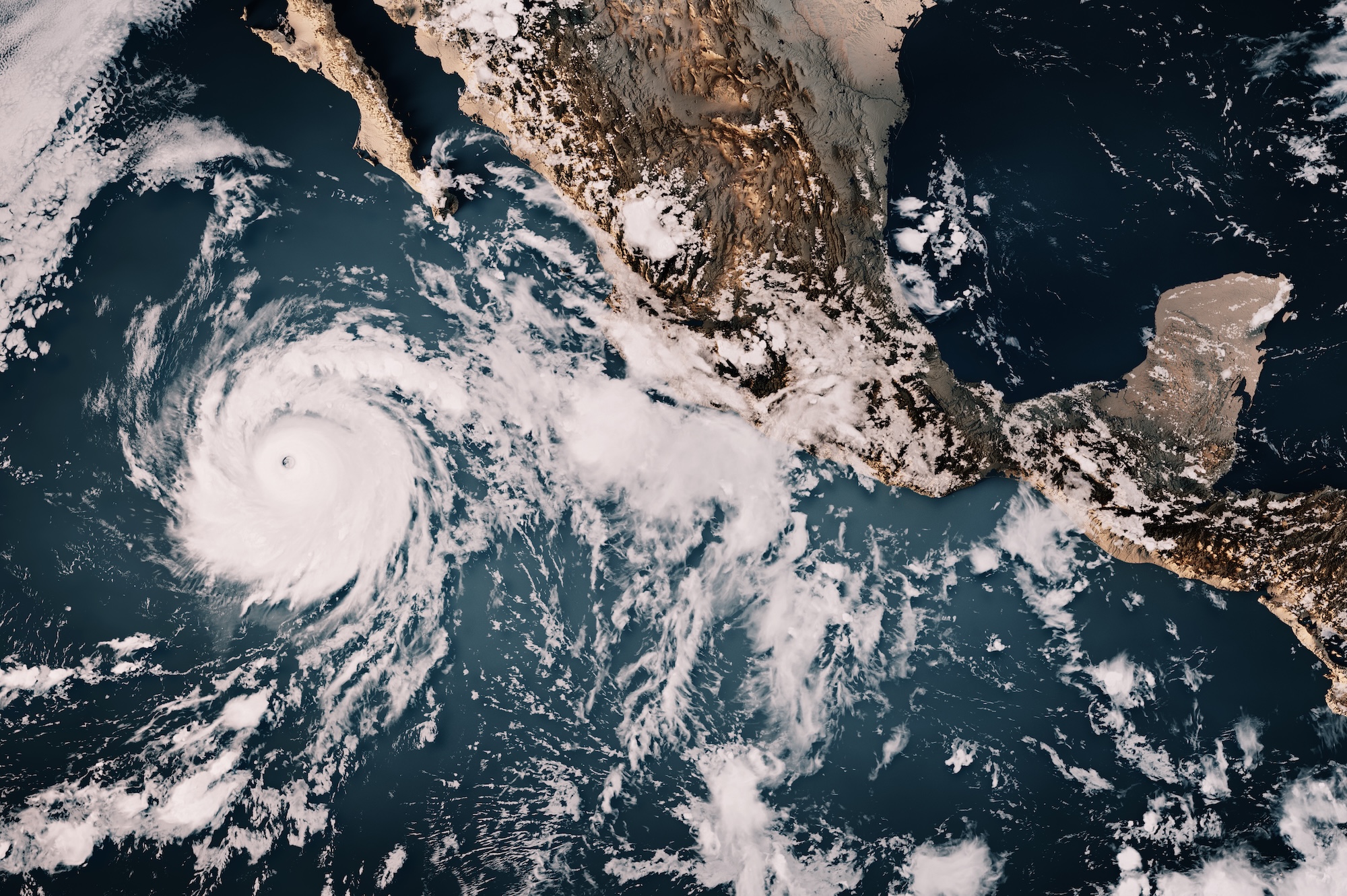
Deconstructing the Mechanics of El Niño
To understand the severity of the current situation, it is necessary to examine the foundational mechanics of the El Niño-Southern Oscillation (ENSO) cycle. ENSO is a naturally occurring climate pattern driven by fluctuations in ocean temperatures and atmospheric pressure across the equatorial Pacific Ocean. Under normal conditions, strong trade winds blow predominantly from east to west, pushing warm surface waters toward East Asia and Australia while allowing cooler, nutrient-rich water to well up along the western coast of South America.
During an El Niño phase, these trade winds weaken significantly or occasionally reverse direction entirely. Consequently, the massive pool of warm water accumulated in the western Pacific sloshes eastward toward the Americas. This redistribution of thermal energy alters atmospheric circulation patterns on a planetary scale, shifting jet streams and fundamentally changing precipitation and temperature regimes worldwide. While El Niño events occur naturally on an irregular cycle every two to seven years, their intensity and frequency are increasingly modulated by anthropogenic global warming, compounding baseline temperature increases driven by the continuous burning of fossil fuels.
Chronology and Evolution of the Record Intensity
The escalation of the 2026 event began taking a definitive shape earlier in the year, as marine monitoring networks registered anomalies that quickly outpaced standard predictive models. By mid-summer, sea surface temperatures across the crucial Niño 3.4 monitoring region—the standardized benchmark used by the National Oceanic and Atmospheric Administration (NOAA) to gauge ENSO intensity—exceeded historical averages by margins that alarmed researchers.
By September, data synthesized by climate analysis groups such as Carbon Brief confirmed that warming in the Niño 3.4 region had reached 3.11 degrees Celsius above the long-term baseline. This figure comfortably surpassed the previous record peak of November 2015, establishing the current event as the strongest El Niño on record. Historically, El Niño events tend to reach their peak intensity between December and January before gradually decaying into the spring months. However, the extraordinary thermal inertia observed in the upper ocean layers during the preceding summer months has given forecasters a 90 percent confidence rating that exceptionally strong conditions will persist through the remainder of the year.
Quantifying Intensity: The Science of Measurement
Climatological classification systems rely on precise temperature deviations within the equatorial Pacific to categorize the strength of an ENSO event. According to standard operational definitions, a sustained warming of 0.5 degrees Celsius above normal marks the official threshold for an El Niño occurrence. Deviations of 1.0 degree denote a moderate event, 1.5 degrees indicate a strong event, and 2.0 degrees or higher are classified as very strong.
The colloquial adoption of the term "super El Niño" has become ubiquitous among researchers and media outlets to describe events that drastically exceed the 2.0-degree threshold. Archival research indicates that the phrase first appeared in academic literature in 2003 within a study examining the multi-year dynamics between El Niño and its cooler counterpart, La Niña. While institutions like NOAA and the World Meteorological Organization maintain formal nomenclature, scientists increasingly recognize the practical utility of descriptive terminology in communicating acute danger to the general public. Ecolinguistics researchers note that as climatic extremes intensify, public-facing terminology must balance communicative urgency against the risk of sensationalism or psychological desensitization.
Global Repercussions and Regional Vulnerabilities
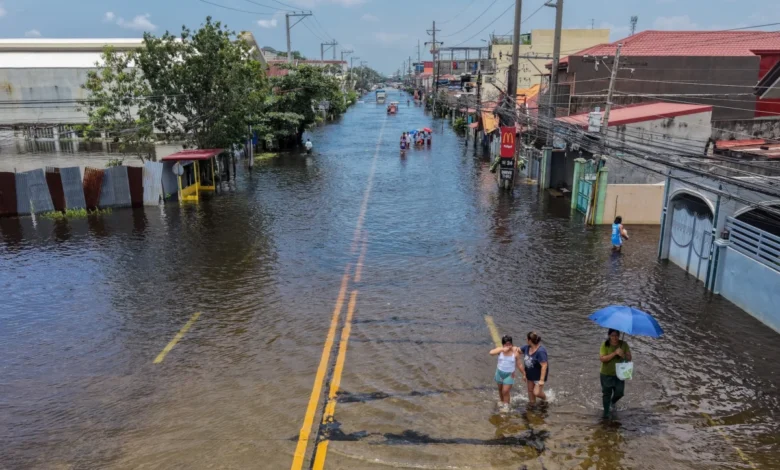
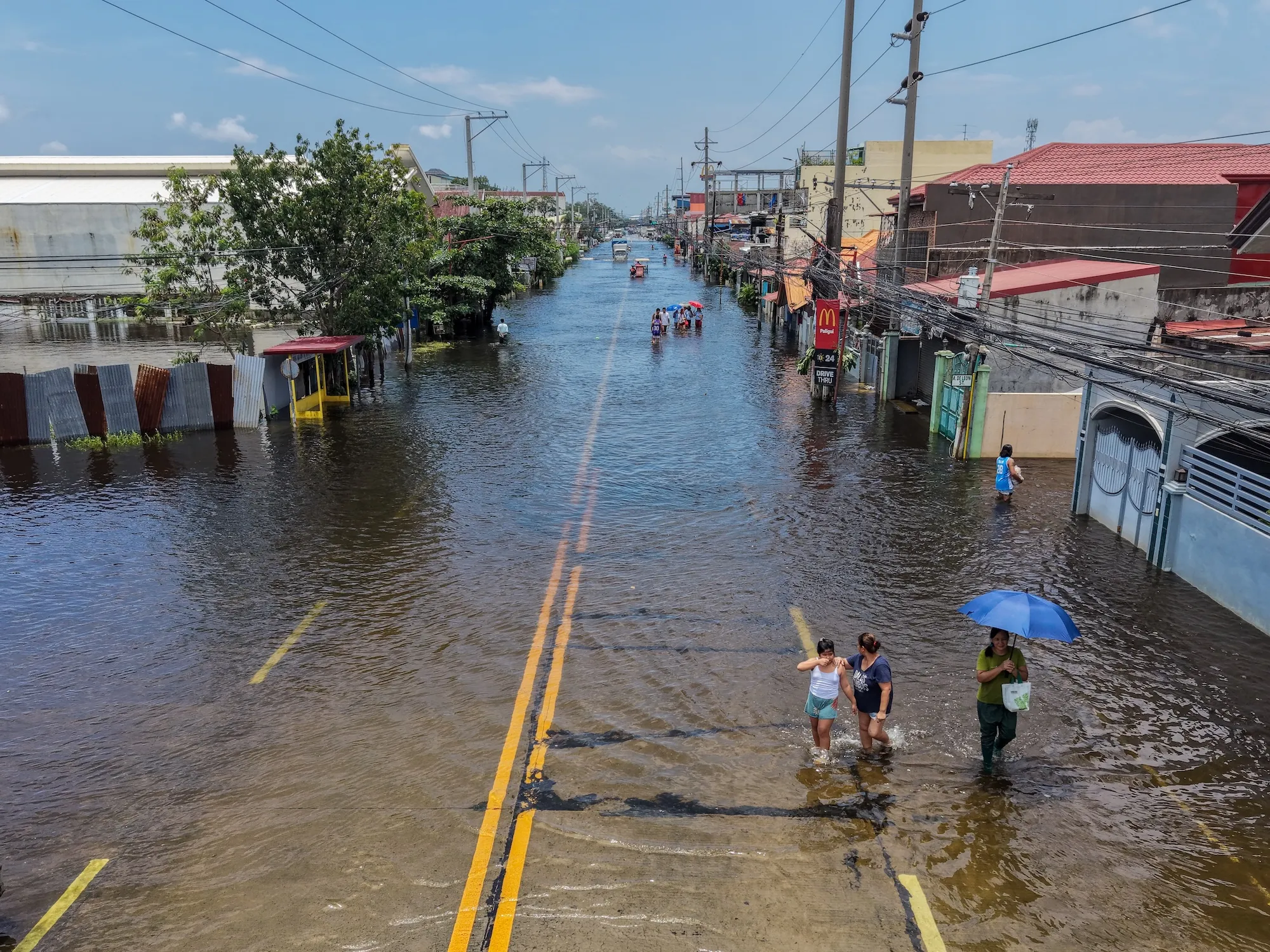
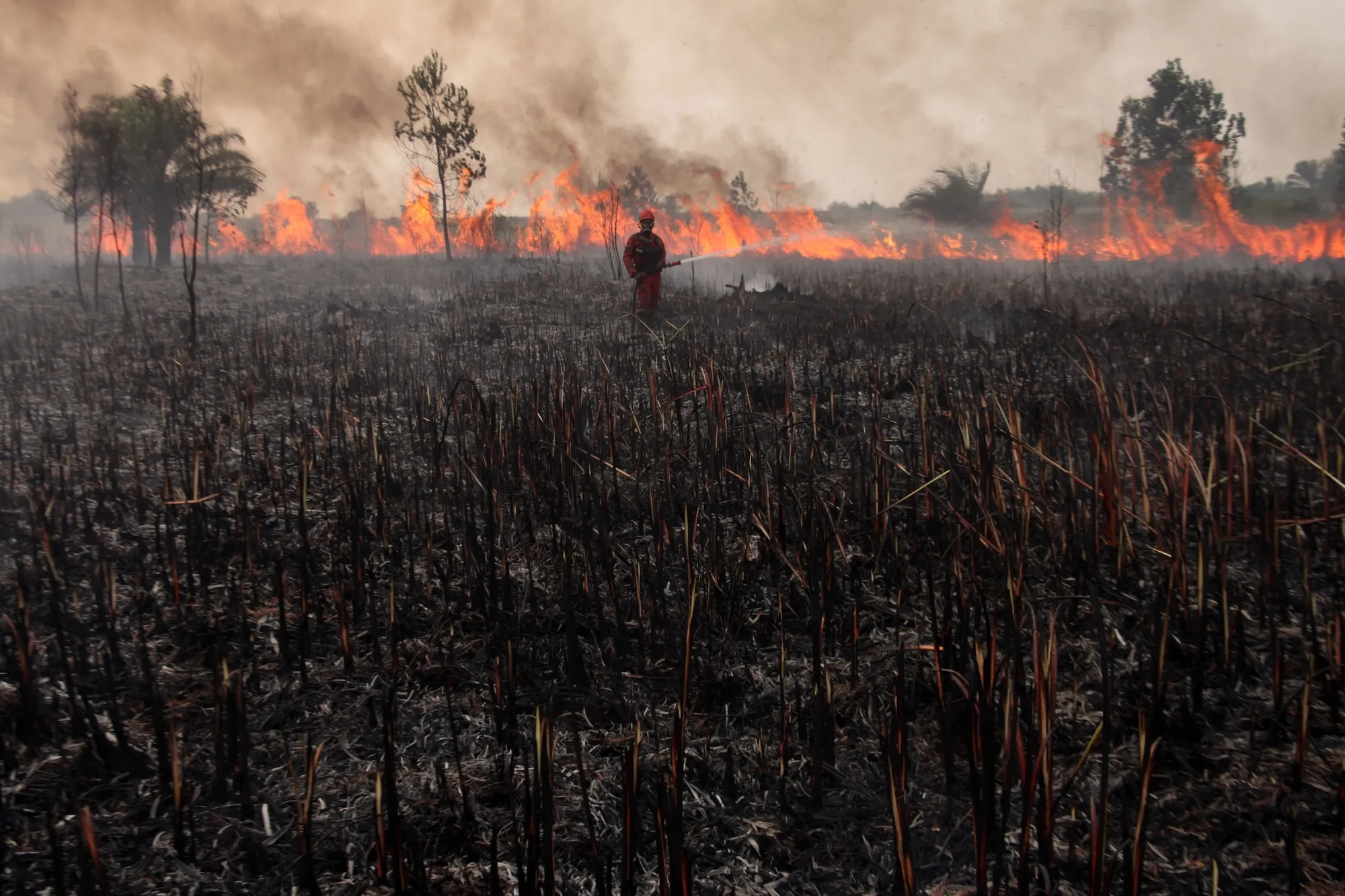
The multi-pronged impacts of the 2026 super El Niño are already manifesting across multiple continents through intensified droughts, severe flooding, and catastrophic wildfires. In Southeast Asia, prolonged dry conditions have severely curtailed agricultural productivity and exacerbated widespread wildfires, requiring emergency firefighting mobilizations in Indonesia and surrounding regions. Conversely, excessive monsoon rains have caused severe flooding across parts of the Philippines, displacing communities and disrupting supply chains.
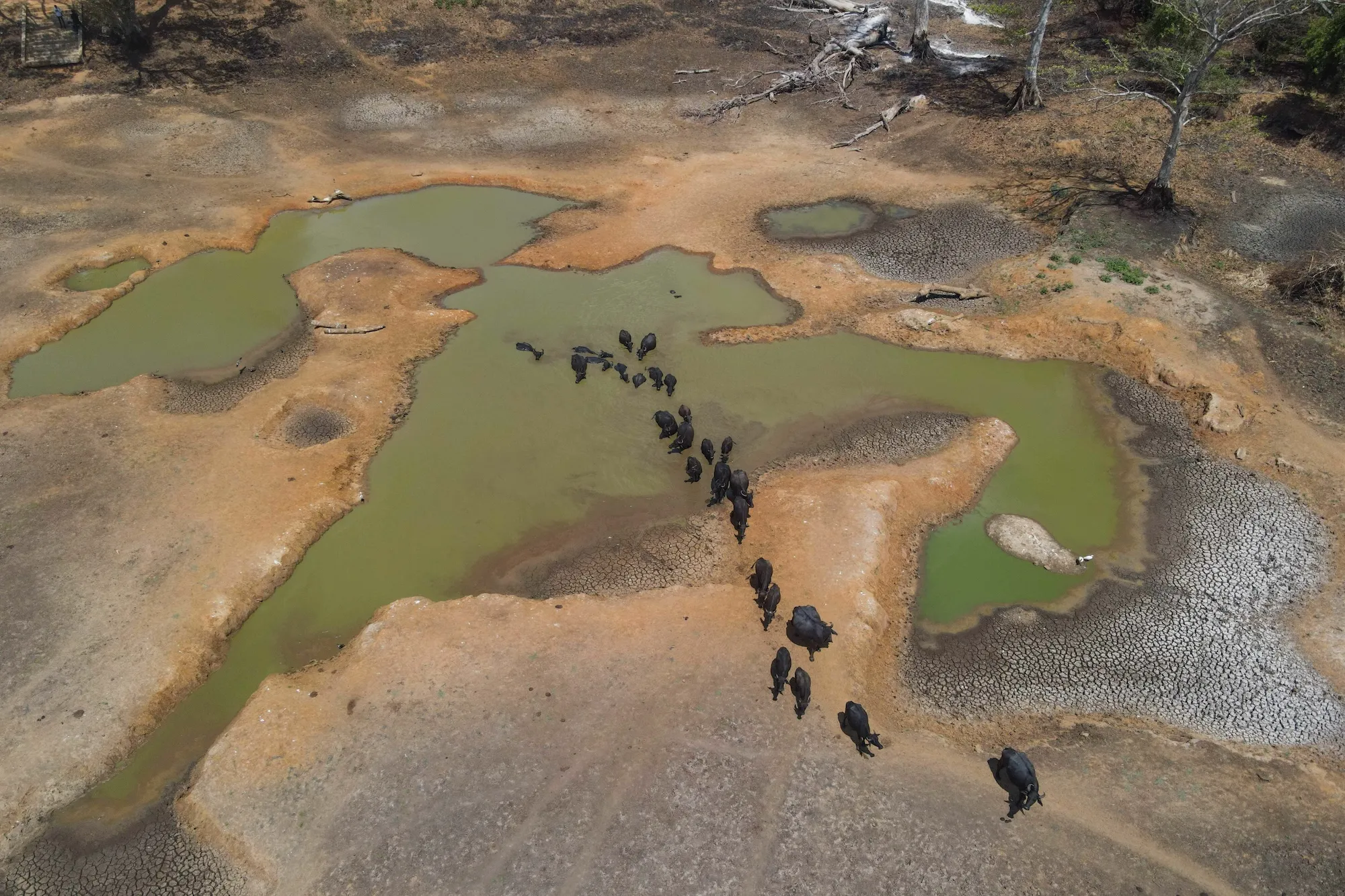
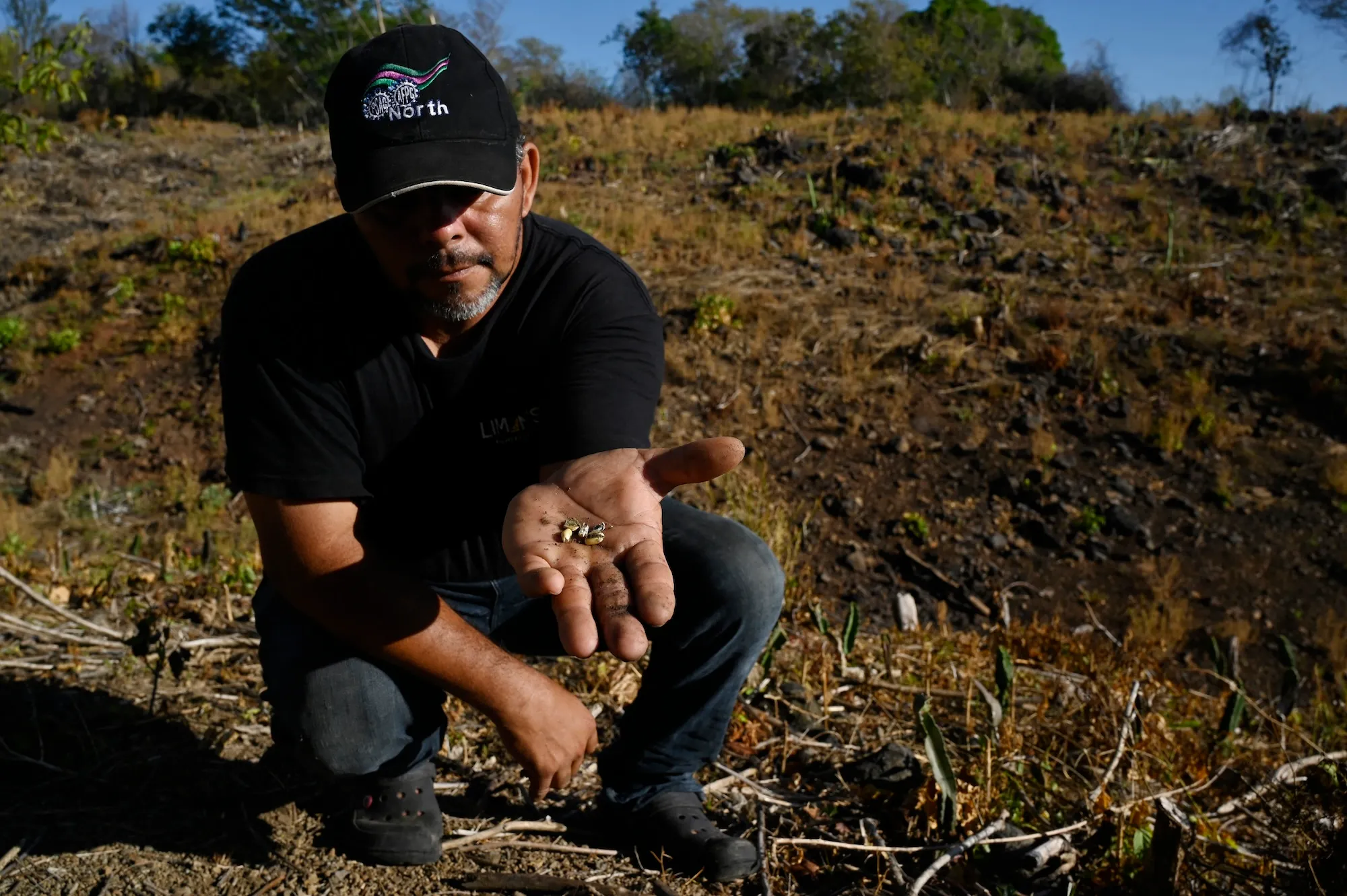
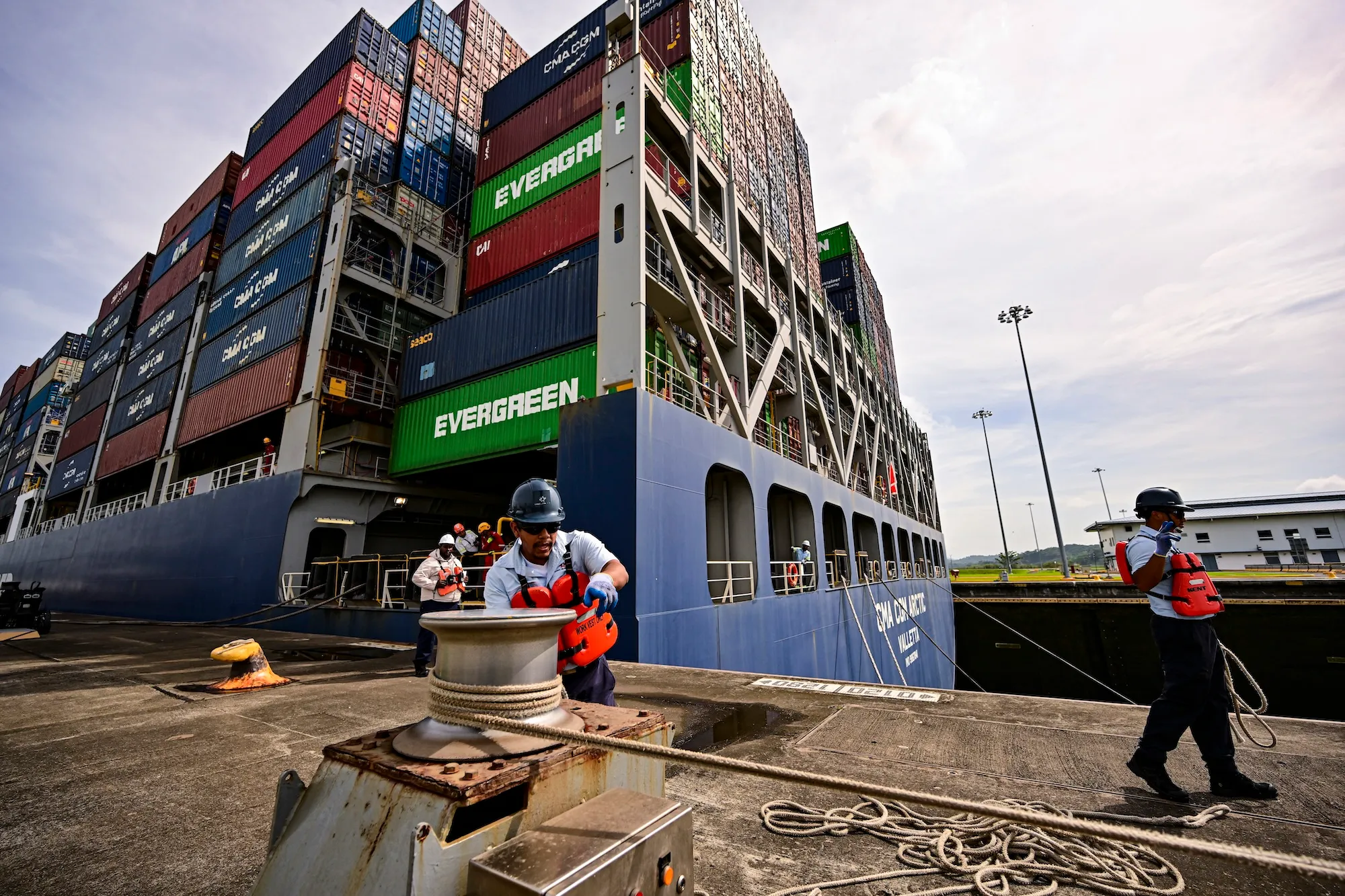
In Central and South America, the agricultural sector faces severe threats. In nations such as Honduras, staple crop yields, including corn, have suffered catastrophic germination failures due to exceptional drought conditions, threatening regional food security. Meanwhile, coastal regions in South America and western North America are confronting heightened vulnerabilities. In California, severe coastal erosion driven by powerful storm surges has threatened residential infrastructure, prompting emergency protective interventions in communities like Dana Point. Furthermore, international logistics hubs such as the Panama Canal have been forced to implement strict draft and transit restrictions due to low water levels in associated freshwater reservoirs, directly impacting global maritime trade.
Public Health Implications and Mortality Projections
Beyond infrastructure and agriculture, the confluence of high baseline global temperatures and El Niño-induced heat extremes presents a severe public health crisis. Epidemiological studies and climate modeling initiatives project a substantial increase in heat-related morbidity and mortality worldwide. One prominent study published ahead of the winter peak projects that the extreme thermal conditions associated with this event could contribute to upwards of 451,000 additional heat-related deaths globally by February.
Vulnerable populations, particularly the elderly, outdoor laborers, and communities lacking adequate urban cooling infrastructure, face the highest risks. Public health authorities in multiple jurisdictions have issued extensive advisories, expanded cooling center networks, and urged municipal governments to enhance emergency response capabilities. Epidemiologists emphasize that extreme heat acts as a systemic stressor, exacerbating pre-existing cardiovascular and respiratory conditions and placing unprecedented strain on healthcare systems.
Implications for Long-Term Climate Trajectories
The 2026 super El Niño provides an uncomfortably clear window into the near-term future of global climate change. Because El Niño events temporarily elevate global mean surface temperatures by releasing heat stored in the oceans into the atmosphere, the current phenomenon is expected to make 2026—and potentially 2027—the hottest years on record.
Climate scientists note that this event effectively compresses the timeline of planetary warming, offering a preview of the average global temperatures expected by the late 2040s under high-emission scenarios. This acceleration forces researchers to re-evaluate climate sensitivity models and underscores the nonlinear nature of ecological disruption. As global temperatures continue to rise due to unmitigated greenhouse gas emissions, the baseline for what constitutes extreme weather is shifting permanently upward.
Looking Forward: Adaptation and Mitigation Imperatives
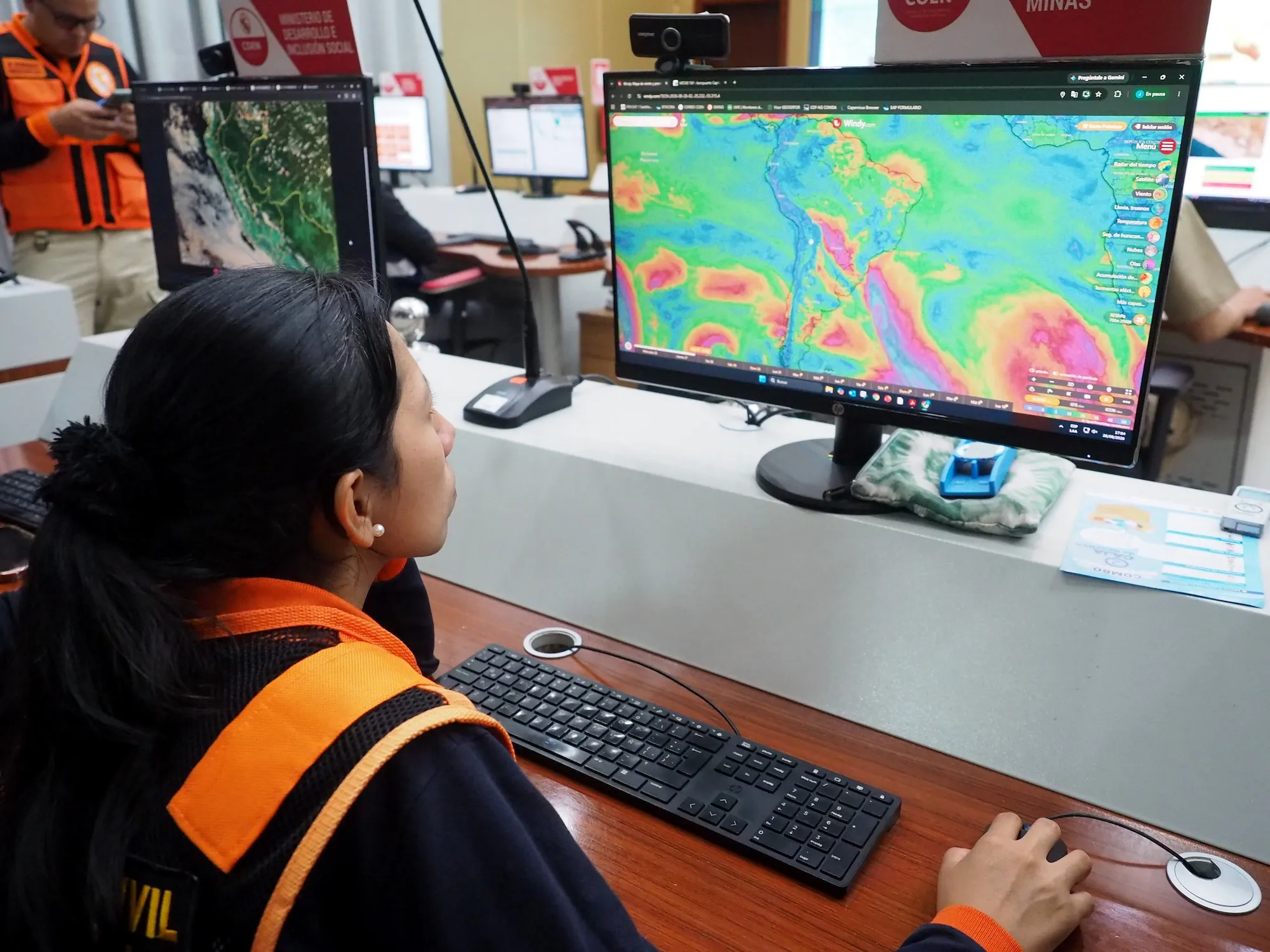
The sheer magnitude of the 2026 super El Niño has catalyzed urgent discussions within the scientific and policy communities regarding the adequacy of current disaster preparedness frameworks. As extreme weather events grow increasingly frequent and severe, traditional institutional benchmarks and emergency response protocols are proving insufficient.
Experts emphasize that navigating the immediate crisis requires robust cross-sectoral coordination, encompassing food security reserves, water resource management, energy grid hardening, and public health protections. Ultimately, climatologists stress that while events like the super El Niño amplify near-term risks, they remain symptoms of a broader, systemic challenge. Mitigating the long-term escalation of such extremes requires accelerated global decarbonization and aggressive investments in climate resilience, ensuring that infrastructure and societies can withstand an increasingly volatile meteorological landscape.
Related posts: