Lionsgate Drops First Trailer for Chad Stahelski Produced Dystopian Action Thriller Karoshi Starring Teo Yoo

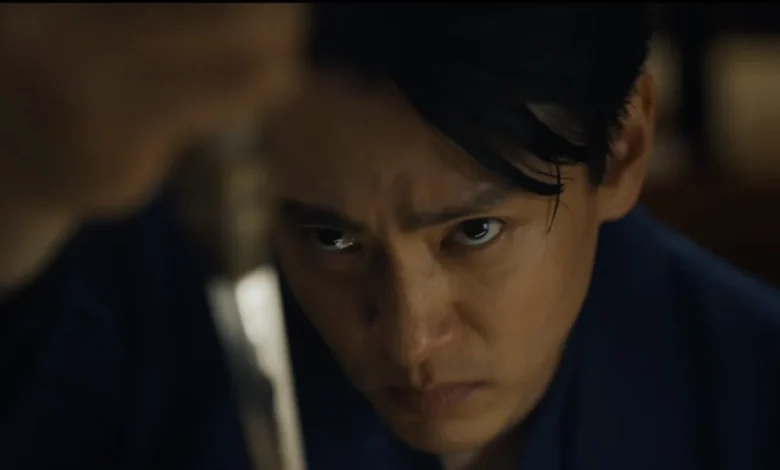
Fans of high-octane martial arts choreography and intricate world-building will soon have a new cinematic universe to explore as Lionsgate officially unveils the promotional campaign for its upcoming dystopian action-thriller, Karoshi. Developed under the creative guidance of filmmaker Chad Stahelski, widely recognized as the principal architect of the phenomenally successful John Wick franchise, the film translates real-world socio-economic phenomena into a high-stakes, futuristic battleground. Scheduled for a theatrical release in early 2027, the project has quickly garnered significant industry attention following the digital debut of its high-energy teaser trailer.
Written and directed by filmmaker Takashi Doscher, the narrative explores the dark underbelly of hyper-capitalism by taking a literal and lethal approach to corporate burnout. The title itself is derived from the Japanese linguistic term karoshi, which translates directly to "death by overwork," a recognized medical and sociological condition characterized by fatal heart attacks, strokes, and stress-induced medical emergencies triggered by extreme occupational pressure. By transplanting this grim reality into a stylized, futuristic Manhattan, Doscher and Stahelski aim to deliver a visceral cinematic experience that combines social commentary with the intricate, relentless action sequences that have become Stahelski’s trademark.
The Premise and Narrative Foundation
At the center of the narrative is Ikigai Technologies, a monolithic, hyper-efficient corporate entity headquartered in a towering, austere vision of future New York City. According to official loglines released by Lionsgate, the plot follows a mysterious outsider who infiltrates the heavily fortified conglomerate in the wake of a tragic, corporate-mandated employee fatality. Once inside, the protagonist begins systematically dismantling the violent, exploitative infrastructure hidden beneath the polished, minimalist aesthetic of the company’s public facade.
Teo Yoo, whose breakout performance in Celine Song’s critically acclaimed romantic drama Past Lives earned international acclaim, stars as Hiro, the vengeance-driven protagonist. The character’s name echoes themes of resilience and heroism, setting the stage for a brutal crusade against systemic corruption. Hiro’s infiltration of Ikigai Technologies serves as the inciting incident for a cascading series of violent confrontations, corporate espionage, and high-velocity combat sequences designed to test the limits of modern action choreography.
The production has assembled an impressive ensemble cast featuring prominent international and domestic talent. Joining Teo Yoo is Takehiro Hira, who recently delivered a universally praised performance in FX’s historical epic miniseries Shōgun. The call sheet also boasts veteran character actor Giancarlo Esposito, known for his iconic portrayals of corporate antagonists in television prestige dramas, alongside Academy Award nominee Cynthia Erivo, Bill Camp, Richard Harmon, Isabel May, and Show Kasamatsu. This diverse and accomplished roster suggests a project that relies as heavily on dramatic gravitas and tense confrontations as it does on physical action.
Global Context and the Reality of Occupational Overexertion
While the film utilizes science fiction and dystopian tropes to heighten its dramatic tension, the core premise is deeply rooted in contemporary global labor statistics. Karoshi as a documented phenomenon emerged prominently in post-war Japan, where rapid industrialization led to unprecedented work hours and societal pressure to prioritize corporate loyalty above personal well-being. By the late 20th century, the Japanese Ministry of Health, Labour and Welfare began formally tracking and compensating cases of sudden death attributed to occupational stress, officially recognizing the medical legitimacy of the condition.
However, the film’s producers and writer emphasize that the crisis of overwork is no longer confined to East Asia. Modern labor data indicates that systemic overexertion is a truly global issue affecting industrialized economies across North America, Europe, and Asia. In Sweden, for instance, contemporary occupational health studies and labor unions estimate that approximately 700 workers suffer fatal medical emergencies annually due to stress-related cardiovascular failures and mental health crises directly linked to workplace environments.
By scaling these statistics up into a near-future Manhattan where corporate loyalty is enforced through cultural tradition and technological surveillance, Karoshi seeks to bridge the gap between contemporary labor anxieties and speculative fiction. The choice of setting reflects a growing cultural unease regarding the erosion of work-life boundaries, the normalization of constant connectivity, and the dehumanizing effects of modern corporate culture.
Production Timeline and Development History
The genesis of Karoshi traces back to strategic expansions within Lionsgate’s genre film division, which sought to capitalize on Chad Stahelski’s newly established overarching creative partnership with the studio. Following the massive global success of John Wick: Chapter 4, Stahelski signed a comprehensive deal to oversee and develop original action properties, positioning his production banner, 87Eleven Entertainment, at the forefront of contemporary studio action cinema.
Development on the project quietly began in late 2023, as Takashi Doscher pitched the concept of merging the stark economic realities of modern corporate burnout with the kinetic, martial-arts-heavy storytelling pioneered by the John Wick team. Pre-production ramped up significantly throughout 2024, with casting announcements rolling out steadily as principal photography commenced in major urban centers, primarily utilizing advanced virtual production stages and location shoots in North America.
By late 2025 and early 2026, post-production teams were hard at work refining the film’s distinctive visual language, which blends the neon-soaked cyberpunk aesthetics of futuristic New York with the grounded, bone-crunching combat choreography associated with 87Eleven’s stunt coordinators. The release of the official trailer in the first quarter of 2026 marked the formal initiation of Lionsgate’s marketing blitz, immediately positioning the film as one of the most anticipated wide-release titles slated for early 2027.
Industry Implications and Box Office Expectations
The strategic placement of Karoshi on Lionsgate’s release calendar underscores the studio’s ongoing commitment to cultivating original, non-intellectual-property-based action franchises. In an era dominated by superhero sequels, pre-existing novel adaptations, and legacy revivals, the success of the John Wick franchise proved that audiences retain a strong appetite for meticulously crafted, original action mythologies built around compelling lead performances and visionary direction.
Box office analysts and entertainment industry insiders view Karoshi as a crucial test case for the commercial viability of mid-budget to high-budget original action films in the post-pandemic box office landscape. With an international cast led by acclaimed dramatic actors like Teo Yoo and prestige supporting players such as Giancarlo Esposito and Cynthia Erivo, the film is engineered to appeal to a broad demographic spanning traditional action enthusiasts, international cinema fans, and viewers drawn to dystopian science fiction.
Furthermore, the involvement of Chad Stahelski serves as a powerful quality assurance marker for core genre fans. Stahelski’s commitment to elevating stunt work and practical choreography has reshaped modern action filmmaking standards, leading to the eventual introduction of competitive categories at industry award shows. If Karoshi successfully translates its real-world thematic weight into the pulse-pounding set pieces teased in its introductory footage, it could easily launch a lucrative new multimedia franchise for Lionsgate, proving once again that high-concept action cinema can effectively engage with contemporary social commentary.