Demi Adejuyigbe Stepping Into a New Cinematic Spotlight as Host of the IndieWire Honors Winter 2026 Ceremony

The entertainment landscape is filled with multi-hyphenate performers who blur the lines between internet culture and traditional Hollywood prestige, but few navigate this intersection with as much intentionality as Demi Adejuyigbe. Set to take the stage as the master of ceremonies for the IndieWire Honors Winter 2026 event on December 3, Adejuyigbe is using the high-profile platform to firmly signal a shift in his career trajectory. Known widely for his inventive viral shorts, comedy writing, and distinct internet presence, the comedian and writer is actively working to dismantle the pigeonholed perception that he is merely a purveyor of fleeting online gags. Instead, he is positioning himself as a dedicated cinephile, an academic-level film scholar, and an aspiring feature filmmaker poised to break into traditional studio directing.
The upcoming Los Angeles ceremony, curated and selected by IndieWire’s editorial team, serves as a premier industry toast to the filmmakers, artisans, and actors who have shaped the cinematic landscape over the past year. By selecting Adejuyigbe to guide the evening, the publication has tapped a voice that understands the reverence required for cinematic achievement. For Adejuyigbe, the hosting gig is not an opportunity to hijack the spotlight with chaotic internet-style antics, but rather a chance to pay homage to a medium he has deeply respected since long before he ever picked up a camera for a YouTube sketch.
Reframing the Narrative: Beyond the Internet Short

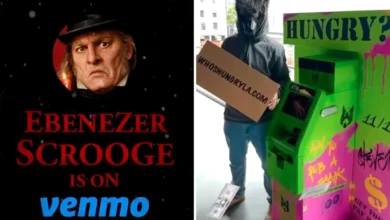
For years, mainstream audiences and digital consumers have associated Adejuyigbe with high-concept, zany digital content. Projects like his viral special Demi Adejuyigbe Does One (1) Backflip—which brilliantly weaves absurd elements like PowerPoint presentations on jazz and Radiohead with deadpan theatricality—cemented his status as a premier internet humorist. His portfolio also includes clever parodies, such as imagining Morrissey composing a post-credits song for the Academy Award-winning film Green Book, and memorable writing stints on critically acclaimed television series like NBC’s The Good Place.
However, Adejuyigbe has been vocal about the persistent disconnect between how he is perceived by the public and how he views his own artistic ambitions. In interviews leading up to the December 3 gala, the comedian addressed the limitations of being labeled exclusively as a viral content creator. He emphasized that the internet has merely served as a convenient, accessible platform for his early creative output, rather than the permanent ceiling of his career goals.
This dedication to artistic legitimacy was recently put on display when Adejuyigbe was invited to write an official Criterion Collection essay for the physical media release of Stephen Chow’s martial arts comedy classic Kung Fu Hustle. The assignment, which culminated in a coveted visit to the legendary Criterion Closet, required a shift in mindset from casual internet humor to rigorous, academic film analysis. Rather than treating the commission as a casual gig, Adejuyigbe approached the text with the gravity of a seasoned film critic, striving to prove that an internet-born creator could command the same respect and intellectual rigor as traditional film historians.
The Evolution of Internet Creators into Hollywood Filmmakers

Adejuyigbe’s pivot toward traditional filmmaking mirrors a broader, highly encouraging shift within the modern entertainment industry. Over the past several years, digital platforms have increasingly served as an authentic incubator for visionary directors, bypassing traditional, rigid studio gatekeepers. Figures like Curry Barker, director of the viral horror sensation Obsession, and Kane Parsons, the teenage creator behind the breakout atmospheric horror phenomenon The Backrooms, have successfully transitioned from independent internet production to serious studio backing.
For Adejuyigbe, witnessing the success of peers who made the leap from digital screens to feature-length cinematic storytelling has provided both validation and inspiration. He notes that these milestones make the pathway to traditional filmmaking feel increasingly accessible and realistic for a new generation of creators. In his view, the modern digital landscape acts as a contemporary equivalent to the historical training grounds of the past; he frequently points out that legendary filmmakers like Steven Spielberg, had they been born decades later, likely would have tested their early cinematic language on platforms like YouTube before securing feature directing deals.
This generational evolution underscores an urgent industry need for a diversity of projects, tastes, and ideas. Adejuyigbe argues that Hollywood studios must recognize that younger generations possess creative ambitions and visual storytelling scales equal to those of their predecessors, even if the initial mediums differ. With two feature-length screenplays currently in development—details of which he is keeping tightly under wraps until production milestones are met—Adejuyigbe is actively preparing to step behind the camera to direct projects on a scale that far exceeds his independent means.
A Preference for Cinematic Permanence Over Episodic Streaming

Adejuyigbe’s deep-rooted affinity for the cinematic medium also influences how he consumes and evaluates modern storytelling. Unlike many contemporary creators who gravitate toward sprawling, multi-season television arcs for their perceived prestige, Adejuyigbe maintains a distinct preference for feature-length films. He champions the structural integrity of a narrative that begins, develops, and concludes within a definitive two-hour window, allowing audiences to share an immediate, cohesive cultural conversation.
In contrast, he has expressed skepticism regarding the grueling production cycles and fleeting cultural impact of modern television and podcasting. Reflecting on his past experience hosting multiple podcasts—including the long-running cultural touchstone Gilmore Guys—Adejuyigbe reached the pragmatic conclusion that unless audio broadcasting is chosen as a primary career path, the immense production demands can easily become an artistic albatross. While he acknowledges that podcasts offer a uniquely intimate connection with audiences, the time and intense dedication required to produce high-caliber audio content often pulls his focus away from his ultimate goal: writing and directing feature films.
The Background and Context of IndieWire Honors
The IndieWire Honors Winter 2026 ceremony occupies a unique and vital niche in the awards season ecosystem. While major guilds and the Academy Awards dominate the early spring headlines, IndieWire Honors provides an essential bridge, celebrating the artisans, below-the-line talent, visionary indie directors, and breakout performers whose work might otherwise be overshadowed by massive studio marketing budgets. The Los Angeles event is curated meticulously by IndieWire’s editorial leadership, ensuring that artistic merit and boundary-pushing craftsmanship remain at the absolute forefront of the evening.

In the weeks leading up to the December 3 event, the media outlet has rolled out a series of comprehensive profiles, peer-to-peer tributes, and in-depth interviews with the honorees, establishing the ceremony as a critical bellwether for adventurous cinema. By integrating a host of Adejuyigbe’s caliber, the event successfully merges high-brow critical appreciation with contemporary cultural relevance, bridging the gap between traditional film journalism and modern entertainment commentary.
A Respectful Approach to Hosting
Despite his background as an unpredictable comedic force known for subverting expectations, Adejuyigbe has made it clear that his approach to the IndieWire Honors stage will be distinctly disciplined and respectful. Recognizing the gravity of the occasion for the filmmakers and actors being recognized, he has vowed to keep the focus entirely on the honorees rather than turning the evening into an extended stand-up showcase or a personal vehicle for self-promotion.
In an industry where awards show hosts frequently use their monologues to maximize personal brand awareness or generate viral social media moments, Adejuyigbe’s stated philosophy is refreshingly humble. He views his role as that of a supportive steward for the cinematic medium—a facilitator designed to celebrate the extraordinary achievements of others while quietly cementing his own long-term evolution into a serious voice within the film community. As he prepares to take the stage on December 3, Demi Adejuyigbe stands not just as a beloved internet comedian, but as a passionate champion of cinema ready to write his own chapter in filmmaking history.
Related posts: