Woody Harrelson Boards Documentary Chronicling Austin’s Legendary Armadillo World Headquarters

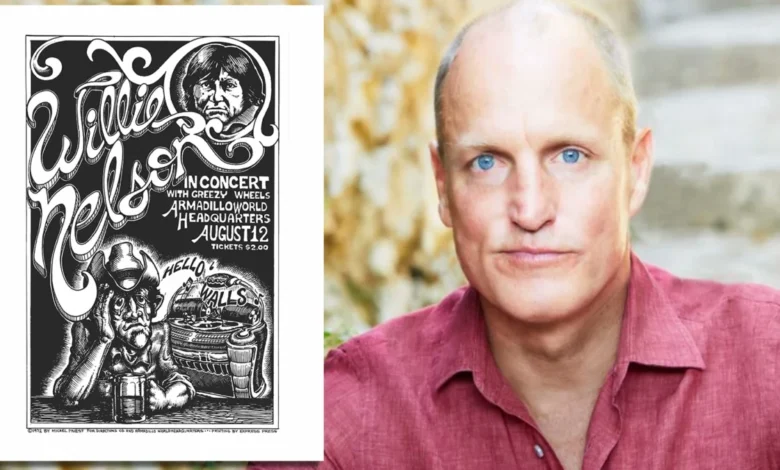
Austin, TX – A new documentary project is set to illuminate the vibrant history and indelible cultural footprint of the Armadillo World Headquarters (AWHQ), one of Austin, Texas’ most iconic and influential music venues. Leading the charge as a producer is renowned actor and Texas native Woody Harrelson, whose deep connection to Austin’s creative landscape is further solidified by this endeavor. The feature-length documentary, currently in development, promises to delve into the rise, cultural impact, and enduring legacy of the venue that not only shaped the city’s identity but also served as a pivotal stage for some of the world’s most celebrated artists.
The Armadillo World Headquarters, operational from 1970 to 1980, was far more than just a concert hall; it was a cultural crucible where diverse artistic movements and a unique Austin ethos converged. Harrelson, alongside producing partners Jeremy Plager and Ilya Bronchtein, who will serve as executive producers, aims to capture the spirit of a place that fostered an environment of inclusivity and groundbreaking musical exploration.
“The Armadillo wasn’t just a music venue,” Harrelson stated, reflecting on the project’s significance. “It was where all kinds of worlds came together: artists, outlaws, hippies, students, dreamers, everyone under one roof. Careers got started there, genres mixed, and what really sticks with me is how it made people feel like they belonged. People came for the music, but what they found was each other. The Armadillo represented something we don’t see much anymore, and that’s a big part of why I wanted to be involved with this film.”
The documentary’s ambitious scope will explore the venue’s pivotal role in nurturing the "cosmic cowboy" movement, a subgenre of country music that blended traditional sounds with rock, blues, and countercultural sensibilities. Artists like Willie Nelson, Jerry Garcia, Bruce Springsteen, Little Feat, Linda Ronstadt, and Talking Heads graced the Armadillo’s stage, each performance contributing to its legendary status and cementing Austin’s reputation as the "Live Music Capital of the World."
A Glimpse into the Archive: Unearthing Lost Performances
A significant cornerstone of the documentary will be its extensive use of archival footage. The project has gained access to a remarkably restored archive containing over 100 audio and video recordings captured at the Armadillo during its operational peak. This treasure trove of material is expected to offer audiences rare glimpses of iconic performances, including Bruce Springsteen’s inaugural Texas tour stop and unforgettable sets by legends such as Fats Domino, Waylon Jennings, and Charlie Daniels. The visual and auditory records are anticipated to provide a visceral connection to the energy and atmosphere that defined the AWHQ experience.

The film is being directed and edited by David Brodie, whose previous works include the critically acclaimed documentary "The Greatest Night in Pop." He is joined by a formidable producing team, including Angus Wall, Eve Kornblum, Kent Kubena, and Terry Leonard of MakeMake, known for their impactful storytelling in projects like "Being Eddie" and "Lainey Wilson: Keepin’ Country Cool." Additionally, Marcus Peterzell and Amy Slotnick from Passion Point Collective, recognized for their work on "The Cure: Show" and "AS I AM: The Life and Times of DJ AM," are contributing their expertise. Further production partners are slated to be announced as the project progresses.
The Armadillo Era: A Cultural Nexus
The Armadillo World Headquarters emerged during a period of significant cultural and social change in the United States. Opened in 1970 in Austin, it quickly became a vital hub for counterculture and emerging musical talent. Its distinctive geodesic dome structure and sprawling grounds offered a unique backdrop for the eclectic mix of artists and audiences it attracted. Unlike many conventional venues, the Armadillo cultivated an environment that encouraged experimentation and artistic fusion.
The venue’s programming was remarkably diverse, reflecting the burgeoning Austin music scene and its connection to wider national trends. It was a space where rock and roll pioneers, outlaw country rebels, blues virtuosos, and psychedelic rock innovators could all find an audience. This cross-pollination of genres not only broadened the musical landscape but also helped to define Austin’s progressive and artist-friendly identity. The "cosmic cowboy" aesthetic, characterized by its fusion of Western wear and countercultural style, found its spiritual home at the Armadillo, influencing fashion and cultural expression beyond the music itself.
The venue’s closure in 1980 marked the end of an era, but its impact resonated for decades. The artists who performed there went on to achieve global stardom, often citing the Armadillo as a formative experience in their careers. The venue’s legacy is intertwined with the narrative of Austin’s growth into a major cultural center, particularly its designation as the "Live Music Capital of the World."
Reimagining the Legacy: The AWHQ Brand Today
The spirit of Armadillo World Headquarters is experiencing a renaissance, driven by a new Austin-based entity that has acquired the Intellectual Property (IP) rights in partnership with original owner Eddie Wilson. This revival aims to reintroduce the venue’s rich legacy to contemporary audiences while continuing to champion music and arts culture. The brand has recently partnered with Austin FC and has engaged in pop-up experiences designed to connect younger generations with the venue’s history and ethos.
This renewed focus on the Armadillo brand is also evident in other artistic expressions. A short documentary titled "Armadillo Man: The Trips of Jim Franklin," celebrating the iconic artist behind many of the venue’s famous posters, is currently airing on PBS stations across the United States. Jim Franklin’s distinctive artwork, often featuring surreal and psychedelic imagery, became synonymous with the Armadillo’s countercultural identity and is an integral part of its visual legacy.

The revived AWHQ operates with a mission to celebrate Austin’s creative spirit by supporting local artists and venues. Through initiatives encompassing live music, visual arts, film, and grassroots events, the contemporary AWHQ endeavors to capture the original "Dillo spirit." This includes honoring the unique qualities that make Austin distinctive, often referred to as "keeping Austin weird," and fostering community through shared artistic experiences. The brand’s commitment to community engagement and artistic uplift signifies a thoughtful approach to honoring a storied past while embracing the future of Austin’s vibrant cultural scene.
Broader Implications and Cultural Resonance
The development of this documentary and the re-emergence of the Armadillo World Headquarters brand hold significant implications for cultural preservation and the understanding of American music history. By chronicling the story of AWHQ, the film will not only provide an entertaining and informative account of a beloved venue but also offer valuable insights into the social and cultural forces that shaped popular music in the latter half of the 20th century.
The documentary has the potential to reignite interest in the artists who performed at the Armadillo, perhaps introducing their work to new audiences. Furthermore, it serves as a reminder of the vital role that independent music venues play in fostering artistic innovation and building community. In an era where live music venues face numerous challenges, the story of the Armadillo highlights the enduring power of these spaces as cultural incubators.
The collaboration with Woody Harrelson, a figure deeply embedded in both the entertainment industry and the Austin community, lends considerable weight and visibility to the project. His personal connection to the venue and its impact underscores the film’s authentic voice and its potential to resonate with a broad audience. As the documentary moves through its development and production phases, it is poised to become a significant contribution to the ongoing narrative of American music and cultural history, celebrating a venue that was, in essence, a microcosm of a generation’s hopes, dreams, and artistic revolutions.