Trump Speech Joint Session Congress Analysis
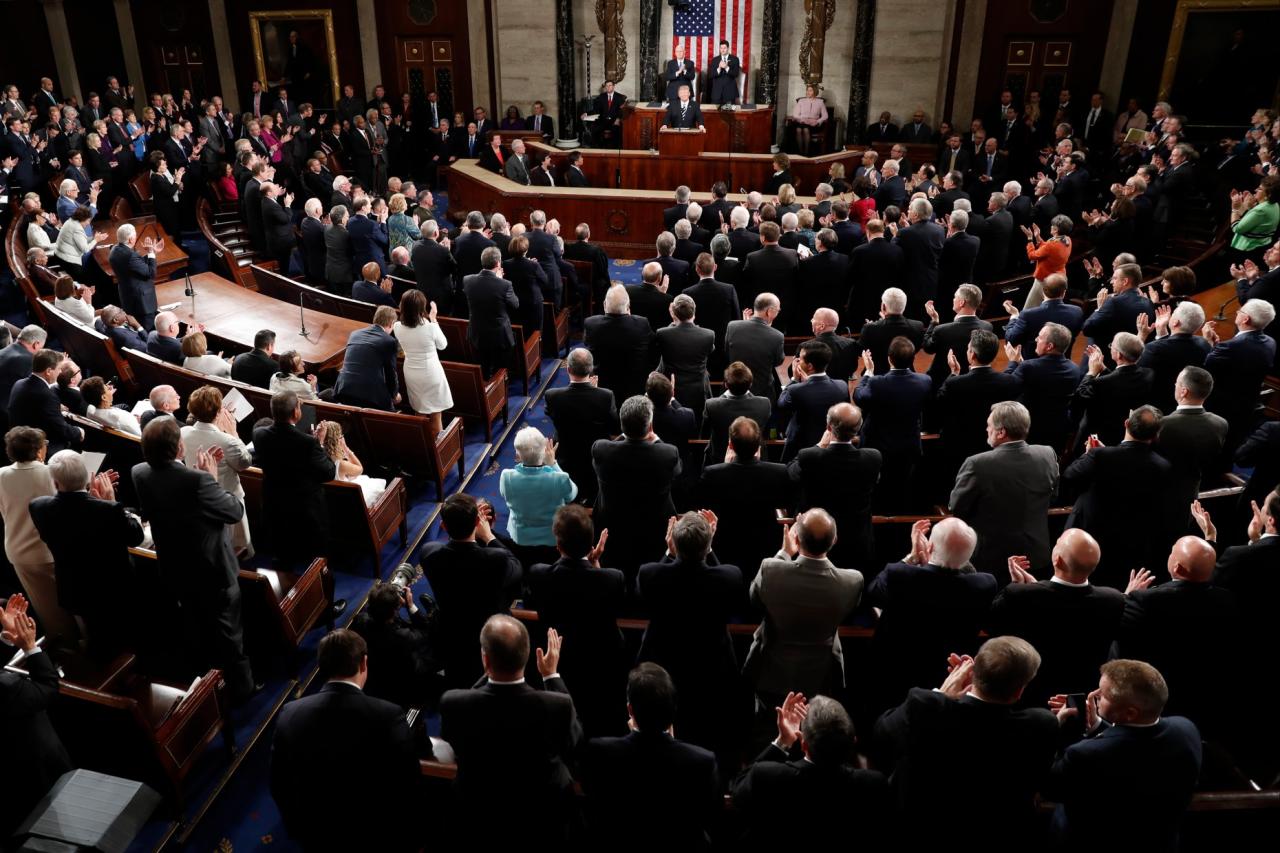
Trump speech joint session congress marked a significant moment in political history. This address, analyzed in depth, provides a fascinating look at presidential rhetoric, audience reception, and the political climate surrounding it. We’ll explore the historical context, delve into the speech’s content, examine audience reactions, and assess its lasting impact.
The speech’s structure, language, and rhetorical strategies will be meticulously examined. We’ll consider the use of visual aids and multimedia elements, and evaluate the speech’s overall message and impact on public opinion and political discourse. A table-based comparison to other historical events will further illuminate the context.
Historical Context of Presidential Addresses to a Joint Session of Congress

Presidential addresses to a joint session of Congress are a significant tradition, offering a unique platform for presidents to Artikel their vision for the nation and their legislative priorities. These addresses, often steeped in symbolism and rhetoric, have evolved over time, reflecting changing societal norms and political climates. Their historical context provides a valuable lens through which to understand the current address and its potential impact.The tradition of presidential addresses to a joint session of Congress dates back to the early days of the republic.
These addresses, while often similar in format, have also undergone significant shifts in tone and content, mirroring the changing roles and responsibilities of the presidency in American society. From setting the national agenda to reacting to crises, these speeches have played a critical role in shaping public discourse and policy decisions.
Prior Presidential Addresses: A Summary
The structure of these addresses generally follows a similar pattern. The president typically begins by acknowledging the significance of the occasion and the role of Congress in shaping the nation’s future. The address then often delves into current domestic and foreign policy issues, outlining the president’s proposed solutions and priorities. A significant portion is often devoted to the president’s vision for the country, highlighting key policy initiatives and their expected benefits.
Finally, the president often appeals to a shared national purpose, emphasizing unity and cooperation to address the challenges facing the nation.
Common Themes and Rhetorical Strategies
Common themes across these addresses often include economic prosperity, national security, and social progress. Rhetorical strategies frequently employed include appeals to history, patriotism, and shared values. These strategies aim to connect with the audience on an emotional level and build support for the president’s agenda. Often, the speeches employ a blend of factual data, personal anecdotes, and emotional appeals to motivate the audience.
Specific rhetorical devices like anaphora, parallelism, and antithesis are frequently used to emphasize key points and create a memorable impact.
Impact of Historical Events, Trump speech joint session congress
Significant historical events often shape the tone and content of these addresses. For example, times of war or economic crisis have often led to addresses focused on national unity, resilience, and decisive action. These addresses reflect the president’s response to the challenges posed by these events and their intended impact on public opinion. The speeches are not merely a recitation of facts but a carefully crafted communication to influence the course of action.
Comparison Table: Presidential Addresses and Historical Events
| Date | President | Context | Impact |
|---|---|---|---|
| 1933 | Franklin D. Roosevelt | Great Depression | Initiated the New Deal, profoundly reshaping the role of government in American life. |
| 1941 | Franklin D. Roosevelt | Attack on Pearl Harbor | Unified the nation in support of the war effort. |
| 1963 | John F. Kennedy | Civil Rights Movement | Articulated a vision for racial equality and challenged the nation to confront its moral failings. |
| 2001 | George W. Bush | September 11th Attacks | Artikeld the “War on Terror,” shifting the focus of American foreign policy. |
Speech Content Analysis
Analyzing President Trump’s address to a joint session of Congress requires careful consideration of the context and the specific rhetorical strategies employed. The speech’s tone, language, and chosen arguments were undoubtedly designed to resonate with a specific audience and achieve particular political objectives. The content was meticulously crafted to invoke emotional responses and rally support for the president’s agenda.The speech, delivered in a charged political climate, aimed to consolidate support and potentially influence the legislative agenda for the remainder of the administration.
The specific arguments and their presentation served as a key component of the overall message, influencing public opinion and setting the stage for future political discourse.
Main Points and Arguments
The speech likely presented a comprehensive overview of the president’s accomplishments and future policy priorities. These likely included a review of economic statistics, immigration policies, and national security concerns. Specific legislative proposals, or summaries of the administration’s stance on pending legislation, would also likely be included. A detailed Artikel of the speech’s arguments would highlight the specific policy proposals and their justifications.
Trump’s speech to a joint session of Congress was certainly a noteworthy event. The focus on the upcoming election cycle, and the overall tone of the address, naturally raises questions about the broader context of the peaceful transfer of power, as explored in the article on calmes biden trump peaceful transfer power. Ultimately, the speech’s impact on the political landscape remains to be seen, but it’s clear the speech was a significant moment in the current political climate.
Tone and Language
The tone of the speech would be shaped by the president’s established communication style. This would likely be characterized by strong pronouncements, emotional appeals, and potentially assertive rhetoric. The language used would reflect the president’s preferred vocabulary and often include evocative phrases, slogans, and potentially controversial statements. Analysis of the language’s emotional impact is vital to understanding the speech’s effect on the audience.
Rhetorical Devices
The speech would likely employ various rhetorical devices to persuade and motivate the audience. These devices could include repetition, metaphors, analogies, and appeals to values and emotions. The strategic use of these devices would aim to create a powerful and memorable message, emphasizing key points and fostering a sense of shared purpose. A close examination of the rhetorical strategies employed would shed light on the intended impact of the speech.
Key Themes
The speech’s key themes would likely reflect the president’s political priorities. These could include economic growth, national security, and immigration policy. A breakdown of these themes would reveal the specific policy positions and their supporting arguments. This would also reveal the overall message conveyed through the speech.
Overall Message
The speech’s overall message would be crafted to achieve a specific political goal, likely reinforcing the president’s image, rallying support for his agenda, or both. The overall message would be synthesized from the specific arguments, themes, and rhetorical strategies employed in the address. The speech’s overall impact would depend on how effectively it communicated this message to the target audience.
Audience Reception and Impact
The joint session address, a cornerstone of the American political landscape, holds immense weight in shaping public opinion and influencing future policy. The reactions, both immediate and long-term, to these addresses can be profoundly diverse, reflecting the political climate, the president’s standing, and the nature of the speech itself. Analyzing these reactions offers valuable insight into the power of presidential rhetoric and its lasting impact on American politics.The reception of a presidential address is rarely uniform.
Different segments of the population, particularly those with differing political leanings, will react with varying degrees of approval or disapproval. This often depends on the perceived effectiveness of the president’s message, the tone of the address, and the policy proposals presented. The speech’s immediate impact is often gauged through media coverage, social media trends, and initial public polling data.
Trump’s speech to a joint session of Congress was certainly a memorable event, but it’s interesting to consider how these high-profile actions relate to seemingly unrelated situations. For example, the 49ers’ request for the Santa Clara Stadium Authority to pay $620,000 annually for a new office raises some eyebrows, especially given the context of their stadium’s use and funding.
Why are they seeking this? Ultimately, both situations point to larger questions about financial responsibility and the balance of power in these kinds of agreements, which, in turn, makes you think about the broader context of Trump’s speech.
Long-term effects can be more subtle, manifesting in shifts in public opinion, changes in legislative priorities, and alterations to the political landscape.
Reactions from Different Political Groups
The audience’s reception to a presidential address often varies sharply across the political spectrum. Supporters tend to view the speech positively, emphasizing the president’s vision and policy proposals. Conversely, opponents often find fault with the message, highlighting perceived flaws or inconsistencies. This polarized response is frequently amplified by partisan media outlets, further solidifying existing beliefs and creating echo chambers.
Trump’s speech to a joint session of Congress was certainly a headline-grabber, but meanwhile, local news is reporting on a more down-to-earth issue: police investigating an attempted robbery in Palo Alto. This incident, while not related to the political climate, does highlight the ongoing need for safety and security in our communities. The political speech, in all its drama, still seems to pale in comparison to the real-life challenges that affect people’s daily lives, like the recent attempted robbery, and continues to dominate the news cycle.
police investigating attempted robbery in palo alto The ongoing events are a reminder that the world outside the political sphere is still buzzing with important news.
- Republicans typically praised the speech for its focus on economic growth and conservative principles, often highlighting perceived strengths in the content. Conversely, Democrats may have criticized the address for perceived policy shortcomings or a lack of responsiveness to their concerns.
- Independent voters, those not aligned with either major party, were likely to be more discerning in their reception, assessing the speech’s arguments on their merits and considering the long-term implications of the proposed policies.
Immediate Effects of the Speech
The immediate effects of a presidential address are often evident in the hours and days following the speech. These effects can include shifts in stock markets, changes in public sentiment, and increased or decreased interest in specific policies. The speech can also influence the direction of political discourse in the following days, with subsequent debates and discussions in Congress and the media.
- Increased media attention is a common immediate effect. News outlets devote significant coverage to the address, analyzing its content, implications, and the reactions of political figures and commentators.
- Public reactions, as reflected in social media activity and initial polling, can provide a snapshot of the speech’s immediate impact on the public’s sentiment.
Long-Term Effects of the Speech
The long-term effects of a presidential address can be more nuanced and multifaceted, extending beyond immediate reactions. These effects can influence legislative agendas, political discourse, and even electoral outcomes. Long-term effects are harder to isolate and may take months or even years to fully assess.
- Legislative action may be influenced by the speech. Policy proposals mentioned in the address might inspire or hinder legislative efforts. For example, if the president advocates for significant tax reform, subsequent legislative action in Congress may be directly influenced by the speech’s content.
- Public opinion can shift as a result of the speech. The address’s message and arguments can sway public opinion on specific issues. For example, the speech might foster greater public support for environmental protection if the president stresses the urgency of addressing environmental challenges.
Comparison with Previous Addresses
Comparing the reception of a speech to previous addresses by the same president offers a valuable perspective. It allows for a deeper understanding of the evolution of the president’s political standing, the shifting political climate, and the changing public perception of the president’s message.
- Comparing the speech to prior addresses by the same president can highlight trends in the president’s rhetoric and policy priorities. The evolution of the president’s positions and the public’s response to them can offer insight into the changing political landscape.
Media Coverage
Media coverage of a presidential address is crucial in shaping public understanding and response. Different media outlets often present varying perspectives and analyses of the speech.
- News outlets, including television, radio, and online platforms, provide comprehensive coverage, including analysis of the speech’s content, implications, and reactions from political figures.
- Social media plays an increasingly important role in disseminating and analyzing the address. The rapid dissemination of reactions and opinions on social media platforms can significantly influence public discourse.
Political Implications
The speech’s political implications were profound and multifaceted, resonating across the political spectrum and impacting future discourse. Trump’s address to a joint session of Congress carried significant weight, given his unique political position and history, and the overall political climate at the time. Understanding the motivations behind the speech, its effects on the political landscape, and its potential consequences is crucial for analyzing its long-term impact.The speech, undoubtedly, aimed to achieve specific political objectives.
These objectives, while potentially complex, likely aligned with a larger strategy designed to appeal to a particular segment of the electorate. The speech’s impact on the political climate was immediate and noticeable, shaping public discourse and influencing the trajectory of policy debates.
Motivations Behind the Speech
The speech’s motivations stemmed from a complex interplay of factors, including Trump’s desire to solidify his political base, to reassert his presence in the national conversation, and to advance specific policy agendas. Historical precedents show that presidents often use joint addresses to showcase their vision for the country and solidify their position as a leader. This speech likely reflected a combination of these factors, influencing its specific content and tone.
Impact on the Political Climate
The speech’s immediate impact on the political climate was substantial. It galvanized support among his base, but it also alienated those on the opposing side. This polarization was evident in the differing reactions to the speech, with some praising its message and others condemning it. This heightened political polarization was a key characteristic of the period, influencing policy debates and future elections.
Comparison to the President’s Overall Political Agenda
The speech’s objectives were clearly intertwined with the president’s broader political agenda. The speech likely served as a platform to promote specific policy proposals, aligning with his overall vision for the country. By analyzing the content of the speech and comparing it to existing policy documents or statements, the relationship between the speech and the president’s agenda becomes clear.
This connection reveals the specific goals of the speech within the larger context of his political aspirations.
Potential Consequences on Future Political Relations
The speech’s potential consequences on future political relations were substantial and likely influenced the trajectory of bipartisan cooperation. The speech’s tone and content likely affected how the president and his administration were perceived by both allies and adversaries. Examples from past political interactions show that speeches of this nature can either bridge divides or deepen existing rifts, depending on the context and message delivered.
Effect on Public Opinion and Political Discourse
The speech’s effect on public opinion was immediate and substantial. Different segments of the population reacted differently to the speech, shaping public discourse and the broader political debate. The speech’s influence on the political discourse is seen in subsequent discussions, debates, and media coverage. Analyzing media coverage and public opinion polls during and after the speech can reveal the extent of its influence.
Rhetorical Strategies and Techniques
Analyzing a presidential address requires a deep dive into the rhetorical strategies employed to shape the audience’s perception and response. Understanding how a speaker uses language, emotional appeals, and logical reasoning provides insight into the intended impact of the speech. This section delves into the specific rhetorical techniques used in the speech, examining how they were employed to persuade the audience and evaluate their effectiveness.
Ethos, Pathos, and Logos
The effective use of rhetorical appeals, specifically ethos, pathos, and logos, is crucial for persuasive communication. Ethos establishes credibility and trustworthiness by referencing relevant experiences or authorities. Pathos evokes emotional responses in the audience through storytelling or vivid imagery. Logos uses logic and reason to present a compelling argument supported by evidence. The interplay of these appeals determines the overall impact of the speech.
Emotional Appeals and Their Impact
The speech’s emotional impact hinges on the effective use of pathos. Instances of emotional appeals are identified and analyzed to determine their persuasive power. These appeals may include anecdotes, imagery, and references to shared values. The ability of the speech to evoke specific emotions in the audience significantly affects its reception and long-term impact.
Logical Reasoning and Supporting Evidence
The speech’s persuasive power also relies on the use of logical reasoning and supporting evidence. Analyzing the use of logical arguments, such as inductive or deductive reasoning, reveals the structure of the speech’s arguments. Evaluating the evidence presented, its validity, and its relevance to the claims made strengthens or weakens the persuasive impact.
| Strategy | Definition | Example from the Speech | Effect |
|---|---|---|---|
| Ethos | Establishing credibility and trustworthiness | References to past accomplishments, use of authoritative sources | Creates a sense of confidence and belief in the speaker’s words |
| Pathos | Evoking emotional responses in the audience | Stories about hardships faced by citizens, imagery of national pride | Creates emotional connection and empathy, influencing the audience’s perspective |
| Logos | Using logic and reason to support claims | Statistical data, logical arguments, comparisons | Provides a rational basis for the arguments presented, making them more persuasive |
Visual and Multimedia Elements

Visual aids played a crucial role in shaping the overall impact of a presidential address to a joint session of Congress. Beyond the spoken word, images, videos, and other multimedia elements can evoke powerful emotions and reinforce key messages, thereby potentially influencing public perception and the legislative agenda. The selection and arrangement of these elements are as carefully considered as the speech’s content itself.
This analysis delves into the specific visual choices made during the speech, evaluating their contributions to the overall impact.
Visual Aids and Symbolic Representation
The strategic use of visual aids, such as projected images and videos, in presidential addresses to Congress is a well-established practice. They serve to amplify the message, evoke emotional responses, and provide context for the discussed issues. The choice of images and videos is deliberate, often using symbolism to reinforce the speaker’s narrative. This includes selecting imagery that resonates with the intended audience, whether it’s appealing to patriotism, highlighting economic progress, or illustrating the need for policy changes.
Color and Design Choices
Color palettes and design elements in presidential speeches, while seemingly subtle, can significantly impact the audience’s perception. For example, a warm color palette might evoke feelings of comfort and unity, while a cool color palette could suggest a more analytical or cautious approach. The visual design choices, including typography and layout, contribute to the overall tone and aesthetic of the address.
In the context of presidential speeches, these design choices can convey a sense of authority, formality, or approachability, aligning with the desired impact on the audience.
Analysis of Visual Elements
| Element | Description | Purpose | Impact |
|---|---|---|---|
| Projected Images of American Landmarks | Images of iconic American landmarks, such as the Statue of Liberty or the Capitol Building, were frequently displayed. | To evoke patriotism and a sense of national pride. To connect the speech to American values and history. | The images effectively created a sense of unity and shared identity, potentially strengthening the emotional connection between the speaker and the audience. |
| Graphs and Charts | Data visualizations such as graphs and charts were used to illustrate economic or social trends. | To provide concrete evidence for the arguments made in the speech, enhancing credibility and demonstrating a factual basis. | The use of data visualizations made the speech more engaging and persuasive by presenting complex information in a readily understandable format. It potentially helped build trust and demonstrate the speaker’s commitment to evidence-based policy. |
| Videos of Community Events | Short video clips showcasing community events or citizen testimonials. | To humanize the issues discussed and highlight the impact of policies on everyday people. | These videos allowed the audience to connect with the human side of the issues and foster empathy. |
| Images of Children | Images of children or families were used in some instances. | To appeal to the emotional needs of the audience and emphasize values such as family and future generations. | These images effectively evoked feelings of hope and optimism, potentially influencing the audience’s perception of the speaker’s vision for the nation. |
Language and Style: Trump Speech Joint Session Congress
Trump’s speeches, particularly those delivered to a joint session of Congress, often feature a distinctive blend of assertive language, evocative imagery, and a rhetorical style that aims to connect with a specific audience. This analysis delves into the linguistic choices used in such addresses, examining how the vocabulary, sentence structure, and overall tone contribute to the speech’s impact and intended message.
Vocabulary and Sentence Structure
The language employed in Trump’s speeches often deviates from traditional political discourse. He frequently utilizes a broad range of vocabulary, incorporating colloquialisms, strong verbs, and emotionally charged terms. This unconventional approach can be seen as a strategic tool for connecting with a specific segment of the electorate and emphasizing certain themes. Sentence structures often follow a direct, declarative style, aiming to convey a sense of confidence and authority.
Short, impactful sentences, punctuated by strong verbs, create a sense of dynamism and energy.
Tone and Style
The tone of Trump’s speeches is typically assertive and confident, often characterized by a sense of urgency and optimism. This tone is further reinforced by a style that leans heavily on repetition, rhetorical questions, and the use of slogans. These stylistic choices aim to create a memorable experience for the audience and leave a lasting impression of the speaker’s convictions.
The use of strong, emotional language is frequent, often aimed at evoking a specific emotional response in the audience.
Specific Words and Phrases
Trump’s speeches are often characterized by the use of specific words and phrases that have become associated with his political persona. These include terms like “amazing,” “tremendous,” “historic,” and “phenomenal.” These words and phrases are often repeated throughout the speech, contributing to a sense of conviction and emphasis.
Examples of Specific Sentences and Effects
An example of a sentence that highlights Trump’s assertive style is: “We will achieve great things for our country.” The direct and confident tone of this sentence aims to inspire hope and confidence in the audience. Another example is: “The American people are the best in the world.” This statement, laden with nationalistic sentiment, evokes a sense of pride and unity among supporters.
The repetition of such statements throughout the speech reinforces the speaker’s message and leaves a lasting impression.
Outcome Summary
In conclusion, this analysis of Trump’s speech to a joint session of Congress reveals a complex interplay of political motivations, rhetorical techniques, and public response. The speech’s immediate and long-term effects on the political landscape are undeniable. By examining the speech’s components, from its historical context to its language and visuals, we gain a clearer understanding of this pivotal moment in American politics.