Mountain Lions, Bears, Downieville A Wild Encounter
Mountain lions bears downieville – Mountain lions, bears, Downieville: a delicate dance of wildlife and human interaction unfolds in this captivating exploration. We’ll delve into the ecological relationships between these powerful animals, examining their habitats, behaviors, and the potential conflicts that can arise. This in-depth look at Downieville’s unique wildlife ecosystem will also reveal the crucial role of human responsibility and conservation efforts.
The area’s rich history, along with the impacts of modern human presence, will be examined. We will also consider successful conservation strategies and public safety measures to ensure a harmonious coexistence between residents and wildlife. The narrative will conclude with a detailed look at potential threats, mitigation strategies, and visual representations of the ecosystem, all in the context of Downieville.
Introduction to Mountain Lion and Bear Interactions in Downieville
Downieville, nestled in the Sierra Nevada mountains, presents a unique ecological tapestry where mountain lions and bears coexist, albeit with potential for conflict. Understanding the delicate balance of this relationship, historical factors influencing it, and the typical behaviors of both species is crucial for responsible cohabitation. This exploration delves into the interactions between these apex predators, highlighting potential areas of conflict and offering a glimpse into the challenges and opportunities for maintaining this delicate ecosystem.The historical context of mountain lion and bear interactions in Downieville is marked by a long tradition of human presence alongside these wildlife populations.
Early settlers likely witnessed a natural predator-prey dynamic, where mountain lions preyed on deer and other smaller game, while bears found sustenance in berries, nuts, and carcasses. The introduction of livestock and changes in land use have influenced these natural patterns, potentially leading to increased competition for resources.
Ecological Relationship Overview
The ecological relationship between mountain lions and bears in Downieville is complex, often characterized by a degree of indirect competition. Mountain lions, as apex predators, typically hunt larger prey, while bears are omnivores, consuming a wider range of foods, including vegetation, fish, and smaller mammals. While direct encounters between the two species are relatively rare, competition for prey, particularly during times of scarcity, can arise.
Downieville’s mountain lions and bears are a constant concern, but lately, something else has been weighing on residents’ minds: egg prices have skyrocketed to record highs, impacting everyone from breakfast cooks to farmers markets. This price hike, detailed in a recent article about egg prices increase to record , is definitely adding another layer of cost to already existing anxieties about wildlife encounters.
It’s a tough year for the town, and the mountain lions and bears are still a prominent issue.
Typical Habitats and Behaviors
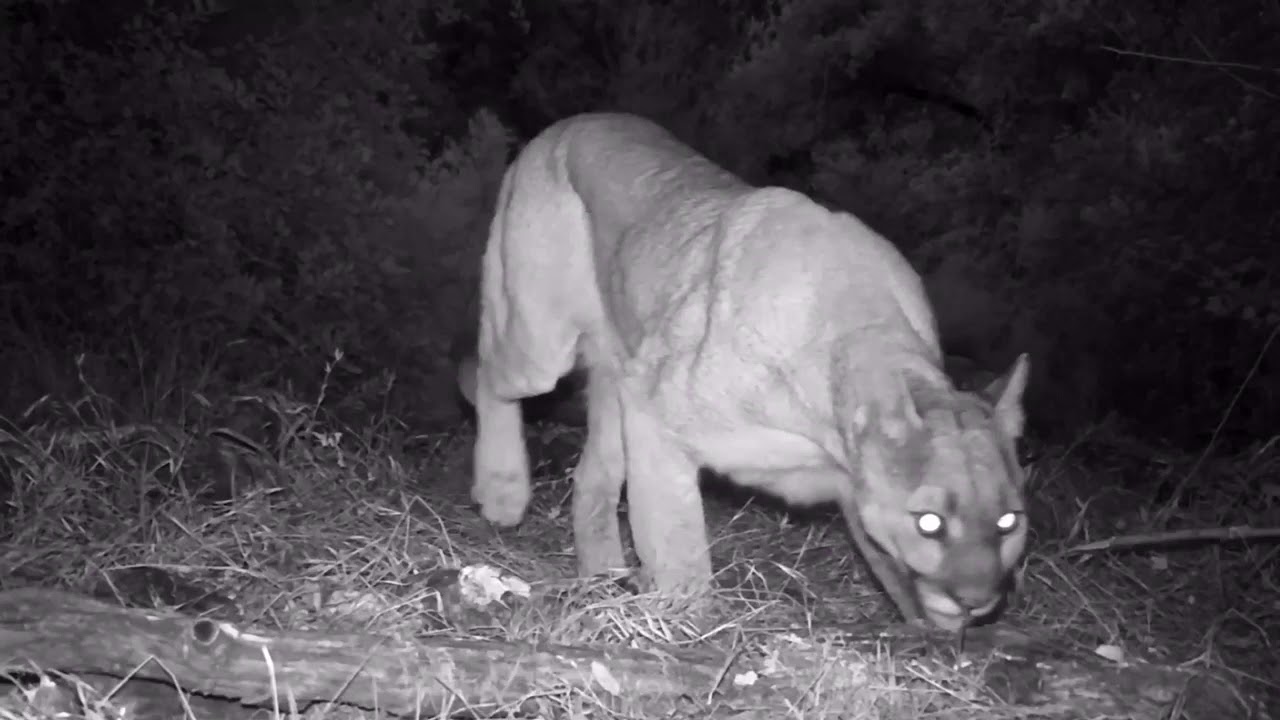
Mountain lions in Downieville are typically solitary animals, inhabiting a wide range of forested and mountainous terrain. Their primary hunting strategy involves stalking and ambushing prey. Bears, on the other hand, demonstrate more varied behavior, adapting their activity to available resources. Their habitat includes forests, meadows, and riparian areas. They are opportunistic feeders, actively foraging for food.
The overlap of their territories and foraging patterns is a critical aspect influencing potential conflicts.
Potential Conflicts
| Potential Conflict | Description | Examples |
|---|---|---|
| Competition for Prey | Both species may hunt the same prey animals, such as deer or elk. | During periods of limited prey availability, lions and bears may encounter each other while pursuing the same animals. |
| Resource Competition | Bears may raid livestock pens or scavenge for food, potentially leading to conflicts with humans who are protecting their livestock. Mountain lions may prey on domestic animals. | A bear raiding a farmer’s livestock or a mountain lion attacking a pet dog. |
| Territory Overlap | Mountain lions and bears may share overlapping territories. | Accidental encounters due to similar movements and foraging habits. |
| Human-wildlife Interactions | Human presence and activities may increase the likelihood of encountering bears and mountain lions in Downieville. | Increased risk of human-wildlife encounters in areas with higher human population density. |
Human-Wildlife Interactions in Downieville
Downieville, nestled in the Sierra Nevada, offers a unique blend of natural beauty and human activity. This juxtaposition, while contributing to the charm of the town, can sometimes lead to challenges in maintaining harmonious coexistence with the wildlife, particularly mountain lions and bears. Understanding the impact of human presence on these animals’ habitats is crucial for mitigating conflicts.Residential development and recreational activities significantly alter the natural landscape.
Downieville’s mountain lions and bears are a fascinating subject, but sometimes I find myself needing to analyze large amounts of online data related to wildlife sightings. Luckily, there are tools like how to download Instagram data using Python to help. These programs can gather data from social media, potentially revealing interesting patterns in wildlife encounters or even helping predict animal movements in Downieville.
It’s a powerful tool to have in your arsenal when researching these amazing creatures.
The encroachment of homes and infrastructure reduces available foraging and denning areas for wildlife. Increased human foot traffic and noise levels can disrupt natural behaviors, potentially leading to stress and displacement. For example, the construction of a new trailhead might fragment a mountain lion’s territory, forcing it to seek food sources closer to populated areas.
Impact of Residential Areas
Residential areas in Downieville often lead to a reduction in suitable habitat for mountain lions and bears. Construction of homes, roads, and other infrastructure fragments their territories, disrupting their natural movement patterns. This can lead to increased encounters with humans as animals seek resources within closer proximity to human settlements. The loss of natural vegetation and the introduction of unfamiliar smells from human activities can also disrupt the animals’ foraging patterns and impact their ability to find food and shelter.
Impact of Recreational Activities
Recreational activities, while enjoyable for humans, can also have significant impacts on wildlife. The presence of hikers, bikers, and campers in sensitive areas disrupts the animals’ natural routines, potentially increasing stress and altering their foraging behaviors. The accumulation of human waste, discarded food, and other attractants near trails can draw bears and mountain lions closer to residential areas, increasing the risk of conflict.
For instance, a campsite left with leftover food can attract bears for days, leading to a bear-human encounter.
Importance of Responsible Human Behavior
Minimizing conflicts between humans and wildlife requires responsible behavior from everyone. This includes respecting animal space, avoiding feeding wildlife, storing food securely, and practicing safe trail etiquette. It is crucial to understand that attracting animals to human-inhabited areas often creates more risks for both animals and people. Responsible behavior minimizes the likelihood of unwanted encounters.
Attracting vs. Repelling Wildlife
| Human Activities | Attraction/Repulsion | Explanation |
|---|---|---|
| Discarding food scraps | Attraction | Food scraps are a strong attractant for bears and mountain lions, drawing them closer to human settlements. |
| Leaving pet food outside | Attraction | Pet food left unattended can attract bears, leading to conflicts. |
| Storing food improperly | Attraction | Improper storage allows animals to access food easily, potentially leading to repeated encounters. |
| Hiking on trails | Repulsion (sometimes attraction) | Hikers can disrupt wildlife but careful hiking can minimize disturbance. Attraction can happen if hikers are too close to animal dens or feeding areas. |
| Making noise | Repulsion (sometimes attraction) | Loud noises can startle animals and drive them away. However, loud noises near denning areas can stress the animals. |
| Keeping pets on leash | Repulsion | Leashed pets prevent them from wandering into animal territory, thus reducing the chance of a conflict. |
| Storing garbage properly | Repulsion | Properly stored garbage reduces the attraction for scavenging animals. |
Proper waste disposal and respectful trail etiquette are vital for maintaining a healthy ecosystem and minimizing conflicts.
Local Conservation Efforts and Management Strategies: Mountain Lions Bears Downieville
Downieville’s unique ecosystem, with its proximity to both mountain lions and bears, necessitates proactive conservation efforts. These efforts are crucial for maintaining a balance between human activity and wildlife populations, safeguarding both the local environment and the safety of residents. Effective management strategies are vital for mitigating potential conflicts and ensuring the long-term health of these magnificent creatures.Understanding the intricacies of local conservation requires a deep dive into the collaborative roles of organizations and authorities.
This includes evaluating existing strategies, identifying areas for improvement, and learning from successful examples from other regions. The ongoing efforts to protect and manage these animals demonstrate a commitment to responsible coexistence.
Downieville’s mountain lion and bear sightings have always been a concern for residents, but lately, the drama seems to be escalating. It’s hard not to wonder if the recent controversy surrounding the letters dei hire trump blames aircrash is somehow impacting the local wildlife. Perhaps the stress from such high-profile events is affecting the animals’ behavior, or maybe it’s just a coincidence.
Regardless, the unusual activity in Downieville continues to be a point of discussion, and hopefully the situation will settle down soon.
Current Conservation Efforts in Downieville
Various initiatives contribute to the protection of mountain lions and bears in Downieville. These efforts range from public awareness campaigns to targeted habitat preservation. Understanding these initiatives is key to comprehending the local approach to wildlife management.
- Public awareness campaigns are a critical component. These campaigns aim to educate residents and visitors about responsible behavior around wildlife, including safe food storage techniques and minimizing human-wildlife encounters. Effective communication is essential to prevent unintentional conflicts.
- Habitat preservation plays a vital role. Protecting and restoring natural habitats provides essential resources for both mountain lions and bears. This includes preserving areas with ample food sources and minimizing encroachment of human development into their territories.
- Wildlife monitoring programs provide valuable data about the population size, distribution, and behaviors of mountain lions and bears. These programs are essential for understanding the health of these populations and for adjusting management strategies as needed.
Role of Local Organizations and Authorities
Local organizations and authorities are integral to the success of Downieville’s conservation efforts. Their collaboration is essential for effective wildlife management.
- Local government agencies, such as the Downieville Town Council, play a significant role in enforcing regulations and coordinating with conservation organizations. Their role encompasses setting policies, implementing guidelines, and monitoring the effectiveness of wildlife management strategies.
- Non-profit organizations often partner with local authorities and residents to implement various conservation projects. These organizations are crucial in raising awareness, providing education, and actively participating in habitat restoration projects.
- Conservation groups, working in tandem with local authorities, can provide crucial expertise in wildlife management. Their knowledge of animal behavior and ecological principles is vital for developing sustainable strategies.
Successful Strategies for Mitigating Human-Wildlife Conflicts
Downieville has implemented strategies to minimize conflicts between humans and wildlife. These strategies emphasize responsible human behavior and the preservation of natural habitats.
- Safe food storage practices are crucial. Storing food and garbage in secure containers helps prevent bears from associating human settlements with food sources. This is a proactive measure that significantly reduces the likelihood of attractant-related conflicts.
- Education and outreach programs help educate residents and visitors about appropriate behavior around wildlife. Clear guidelines and informative materials contribute to a more harmonious coexistence.
- Proper disposal of attractants is a significant component. This includes the safe disposal of pet food, bird feeders, and other potential attractants that could draw bears and mountain lions closer to populated areas.
Comparison of Wildlife Management Approaches
The following table compares different wildlife management approaches, highlighting their strengths and weaknesses. This comparative analysis provides insight into the multifaceted nature of conservation strategies.
| Management Approach | Description | Strengths | Weaknesses |
|---|---|---|---|
| Habitat Preservation | Protecting and restoring natural habitats | Provides essential resources, reduces conflicts | Can be challenging to implement, may require significant land acquisition |
| Public Awareness | Educating the public about responsible wildlife behavior | Reduces unintentional conflicts, promotes cooperation | Requires sustained effort, may not immediately solve existing conflicts |
| Wildlife Monitoring | Tracking wildlife populations and behaviors | Provides data for informed decision-making, helps understand trends | Can be expensive, may not always predict future behavior |
Public Safety and Awareness Campaigns
Downieville’s unique ecosystem, with its close proximity to both mountain lions and bears, necessitates proactive public awareness campaigns. These programs are crucial for ensuring the safety of residents and visitors while promoting responsible coexistence with wildlife. A well-structured approach to education can significantly reduce the risk of negative interactions.Effective communication strategies are essential to relay vital information about wildlife behavior and safety precautions.
Clear and concise messaging, tailored to the specific needs of the community, is paramount. This includes understanding the diverse demographics of Downieville’s population, ranging from seasoned locals to tourists. Presenting information in multiple formats, including social media posts, brochures, and community meetings, can enhance accessibility and impact.
Importance of Public Awareness Programs
Public awareness programs are vital to fostering a culture of respect and safety around wildlife. They equip residents and visitors with the knowledge and skills necessary to prevent encounters and react appropriately if one occurs. Understanding the behaviors of mountain lions and bears, recognizing their signs, and understanding appropriate response strategies significantly reduces the chance of conflict. A strong public awareness program can reduce incidents by providing crucial information and preparing the community.
Methods Used to Educate Residents and Visitors
A multifaceted approach to education is most effective. This includes community presentations, educational workshops, and informative signage. These tools offer diverse engagement opportunities for both residents and visitors. Utilizing local expertise through presentations by wildlife biologists and park rangers is valuable. Educational materials should be readily available in multiple languages to cater to the diverse visitor base.
Social media campaigns, targeted at specific audiences, can supplement these efforts.
Examples of Effective Communication Strategies
Clear and concise messaging is crucial. Visual aids, like posters and infographics, can effectively convey complex information. Videos demonstrating safe practices around food storage and outdoor activities are effective tools. Interactive workshops that allow for Q&A sessions with experts can deepen understanding. Emphasis on the importance of respecting wildlife and their habitat is critical.
For instance, a series of short, easily digestible videos showcasing mountain lion and bear behavior can effectively communicate vital information.
Key Messages and Recommended Actions for Public Safety, Mountain lions bears downieville
| Key Message | Recommended Action |
|---|---|
| Proper food storage is crucial. | Store all food and scented items securely in bear-resistant containers or inside a locked cabin. |
| Maintain a safe distance from wildlife. | Never approach or feed wild animals. Maintain a safe distance of at least 25 yards. |
| Be aware of your surroundings. | Scan your surroundings before entering wilderness areas. Be alert for signs of wildlife presence. |
| Report unusual wildlife sightings. | Contact local wildlife authorities if you observe unusual or aggressive behavior. |
| Respect wildlife habitat. | Avoid disturbing wildlife and their natural environment. |
Potential Threats and Mitigation Strategies
Downieville’s unique ecosystem, home to mountain lions and bears, faces a complex web of challenges. Understanding these threats is crucial for developing effective conservation strategies that protect these magnificent animals and the delicate balance of their environment. The challenges extend beyond simple hunting or poaching; habitat loss, climate change, and human encroachment all play significant roles in shaping the future of these apex predators.
By addressing these issues head-on, we can strive for a future where these animals thrive alongside the community.The survival of mountain lions and bears in Downieville is intertwined with the health of their surrounding environment. Factors such as habitat loss, fragmentation, and climate change exert significant pressures on these populations, and these pressures must be recognized and mitigated effectively to ensure long-term coexistence.
The success of these conservation efforts relies heavily on a multifaceted approach that encompasses community engagement, responsible land management, and a commitment to adaptation in the face of a changing climate.
Habitat Loss and Fragmentation
Habitat loss and fragmentation, driven by development and infrastructure expansion, significantly impact the populations of mountain lions and bears. These animals require large contiguous areas for hunting, breeding, and raising their young. The fragmentation of their habitat isolates populations, reduces genetic diversity, and increases the likelihood of conflict with humans. Development projects often encroach upon vital foraging grounds, and roads fragment the landscape, creating barriers to movement and access to resources.
This loss of interconnected habitat limits the animals’ ability to roam and find suitable mates, threatening their long-term survival.
Climate Change Impacts
Climate change presents a multifaceted threat to the survival of mountain lions and bears in Downieville. Changing weather patterns can disrupt traditional migration routes and affect prey availability. Increased temperatures can alter the timing of seasonal events, such as the emergence of berries or the availability of specific prey animals. Warmer temperatures can also directly impact the animals’ physiology, influencing their hunting success and reproductive rates.
A shift in precipitation patterns, leading to drought or increased flooding, can disrupt the entire ecosystem, directly impacting food sources and potentially leading to increased human-wildlife conflict. For example, a reduction in prey populations due to drought could lead mountain lions to search for food closer to human settlements, increasing the risk of encounters.
Mitigation Strategies
Minimizing the impacts of these threats requires a comprehensive approach that involves local communities, land managers, and conservation organizations. Strategies must focus on preserving and restoring crucial habitats, promoting sustainable land management practices, and adapting to the impacts of climate change.
- Protecting and Restoring Habitats: Creating protected areas, establishing wildlife corridors, and restoring degraded habitats are essential for ensuring the long-term survival of these animals. This involves working with landowners to implement conservation easements, promoting sustainable forestry practices, and establishing wildlife corridors to facilitate movement between fragmented habitats. These actions directly enhance the animals’ ability to thrive and maintain their natural behaviors.
- Sustainable Land Management Practices: Minimizing the impact of human activities on the environment is critical. Encouraging sustainable agriculture, reducing pesticide use, and promoting responsible development practices can help protect wildlife habitats. Minimizing the use of pesticides and other harmful chemicals directly benefits the animals and the entire ecosystem. Furthermore, implementing buffer zones around sensitive areas can minimize encroachment and disturbance.
- Climate Change Adaptation: Understanding and responding to the impacts of climate change is crucial. This includes monitoring the effects of changing weather patterns on prey populations and implementing strategies to help these animals adapt. Monitoring prey populations will help predict potential shifts in predator behaviors and foraging patterns, which will be crucial for developing adaptive management strategies.
Visual Representation of the Ecosystem
Downieville, nestled in the Sierra Nevada, presents a unique and challenging landscape for both mountain lions and bears. Understanding their habitats is crucial for effective coexistence and conservation efforts. This section provides a visual representation of these habitats, highlighting key features and potential overlaps.
Mountain Lion Habitat in Downieville
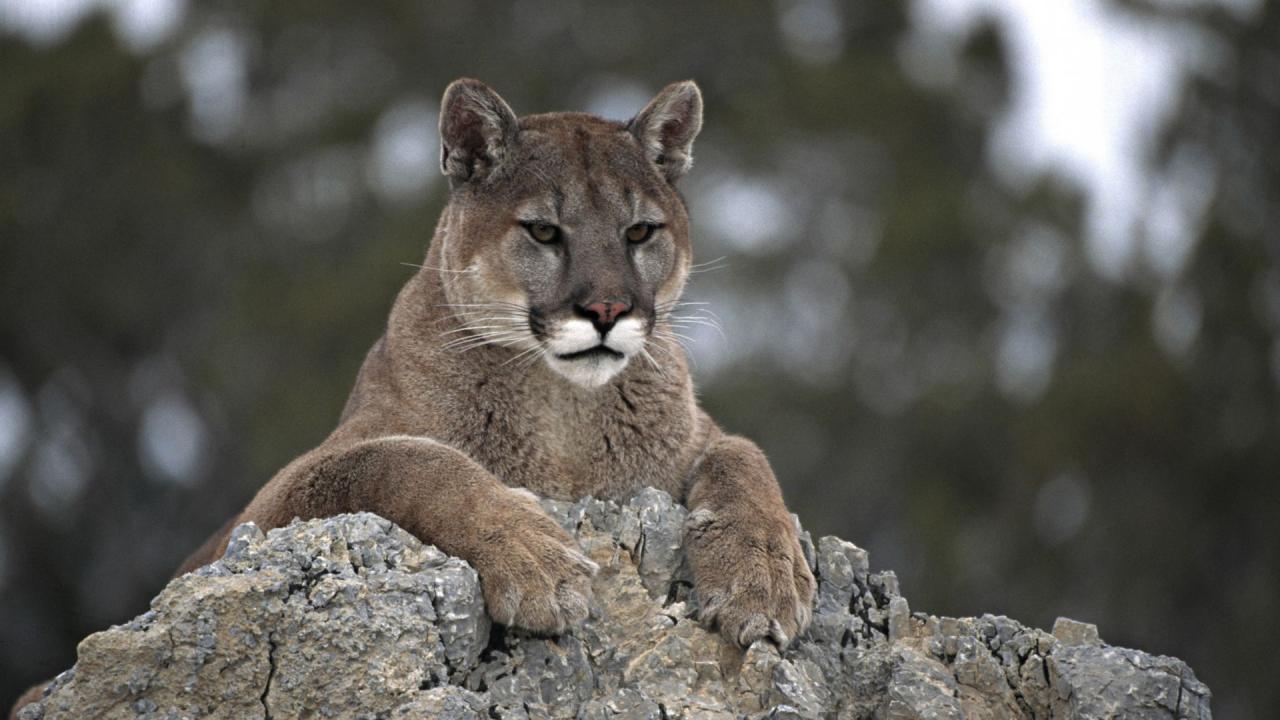
Mountain lions in Downieville favor areas with a mix of dense vegetation, rugged terrain, and access to water. Their preferred terrain includes steep slopes, rocky outcroppings, and areas with thickets of shrubs and trees, which offer both concealment and hunting opportunities. Pine forests, mixed with chaparral and oak woodlands, are common. Water sources are essential and include streams, springs, and even areas where snowmelt collects.
These areas often have a mix of evergreen and deciduous trees, providing shelter and hunting grounds. A typical mountain lion habitat might showcase a patchwork of sun-drenched meadows, dense forests, and rocky ridges, with the vegetation varying in density.
Bear Habitat in Downieville
Bear habitats in Downieville are similarly diverse, though with a slight emphasis on different vegetation. Bears, especially black bears, thrive in areas with abundant food sources. This includes dense forests with mature trees and undergrowth for foraging, as well as areas with berry patches, nuts, and acorns. The terrain is varied, with areas of open meadows, forests, and steep slopes, providing opportunities for both foraging and cover.
Access to water is paramount, and streams, rivers, and areas with consistent water availability are key. The vegetation in a bear habitat might be more lush and abundant than in a mountain lion habitat, particularly in areas with higher elevation and cooler temperatures.
Comparison of Mountain Lion and Bear Habitats
While both mountain lions and bears need water sources and diverse terrain, their preferred vegetation differs slightly. Mountain lions typically utilize areas with a mix of open spaces and dense cover for hunting, whereas bears need denser forests and undergrowth for foraging. There’s some overlap in the higher elevation zones where both species may encounter similar terrain and water sources.
A critical difference lies in the specific food sources. Mountain lions rely more on large prey, while bears have a broader diet, including vegetation, insects, and small mammals. This difference in dietary needs often shapes the specific areas they frequent.
Food Source Comparison
| Species | Primary Food Sources | Secondary Food Sources |
|---|---|---|
| Mountain Lion | Deer, elk, smaller mammals | Birds, fish (occasionally) |
| Bear | Fruits, nuts, berries, acorns, insects | Fish, small mammals, carrion, honey |
The table above highlights the difference in primary food sources between mountain lions and bears in Downieville. Mountain lions primarily rely on larger prey, whereas bears have a broader diet encompassing both plant and animal matter. This difference in food preference can influence the areas where each species is most frequently sighted.
Case Studies of Interactions
Downieville, nestled in the Sierra Nevada, faces unique challenges due to its proximity to both mountain lions and bears. Understanding past conflicts, their outcomes, and lessons learned is crucial for developing effective conservation strategies and mitigating future risks. These case studies provide valuable insights into the dynamics of human-wildlife interactions in the region.Past incidents of conflict between mountain lions and bears in Downieville are relatively infrequent, largely due to the presence of suitable habitat for both species and their generally avoiding direct confrontation.
However, the potential for conflict exists, and careful monitoring and proactive management are essential.
Past Conflicts and Resolutions
These interactions, while not frequent, highlight the delicate balance of nature and the importance of responsible coexistence. Understanding the underlying causes of these encounters can help us anticipate and mitigate future conflicts.
- Incident 1: A Bear-Lion Encounter Near the Downieville Town Center. A lone bear, foraging for food near a residential area, encountered a mountain lion that was patrolling the same area. The encounter was brief, resulting in no injuries to either animal. The bear quickly retreated to a forested area, and the mountain lion continued its patrol. This incident underscored the importance of proper food storage and waste disposal to deter bears from approaching human settlements.
- Incident 2: A Mountain Lion Attack on Livestock. A mountain lion attacked and killed several sheep belonging to a local farmer. The incident occurred in a remote area where the lion had likely been drawn by the scent of livestock. Wildlife officials trapped and relocated the mountain lion to a more suitable habitat outside the town. This case highlighted the need for livestock protection measures in areas with high wildlife density.
- Incident 3: Bear-Human Conflict in a Picnic Area. A bear wandered into a crowded picnic area, drawn by the scent of discarded food. Park rangers quickly intervened, deterring the bear from approaching the picnic-goers and guiding it away. This incident emphasized the critical role of public awareness campaigns in preventing such encounters. Participants were educated on proper food handling and waste disposal techniques.
Summary Table of Case Studies
The table below summarizes the key elements of the identified incidents. This allows for a comprehensive overview of the causes, impacts, and resolutions of past conflicts.
| Incident | Cause | Impact | Resolution |
|---|---|---|---|
| Incident 1: Bear-Lion Encounter | Foraging behavior near residential areas | No injuries, minor disturbance | No intervention required; animals retreated independently. |
| Incident 2: Mountain Lion Attack on Livestock | Likely drawn by livestock scent in remote area. | Livestock loss. | Trapping and relocation of the mountain lion. |
| Incident 3: Bear-Human Conflict in Picnic Area | Attracted by discarded food in a crowded area. | Potential for human-bear conflict. | Rangers intervened to deter the bear and educated the public. |
Closing Summary
In conclusion, mountain lions, bears, and Downieville’s residents share a complex relationship. Understanding the ecological dynamics, human impact, and conservation efforts are essential for the long-term health of this ecosystem. Ultimately, this exploration highlights the delicate balance required to ensure the survival of both wildlife and the human community within Downieville’s unique environment.