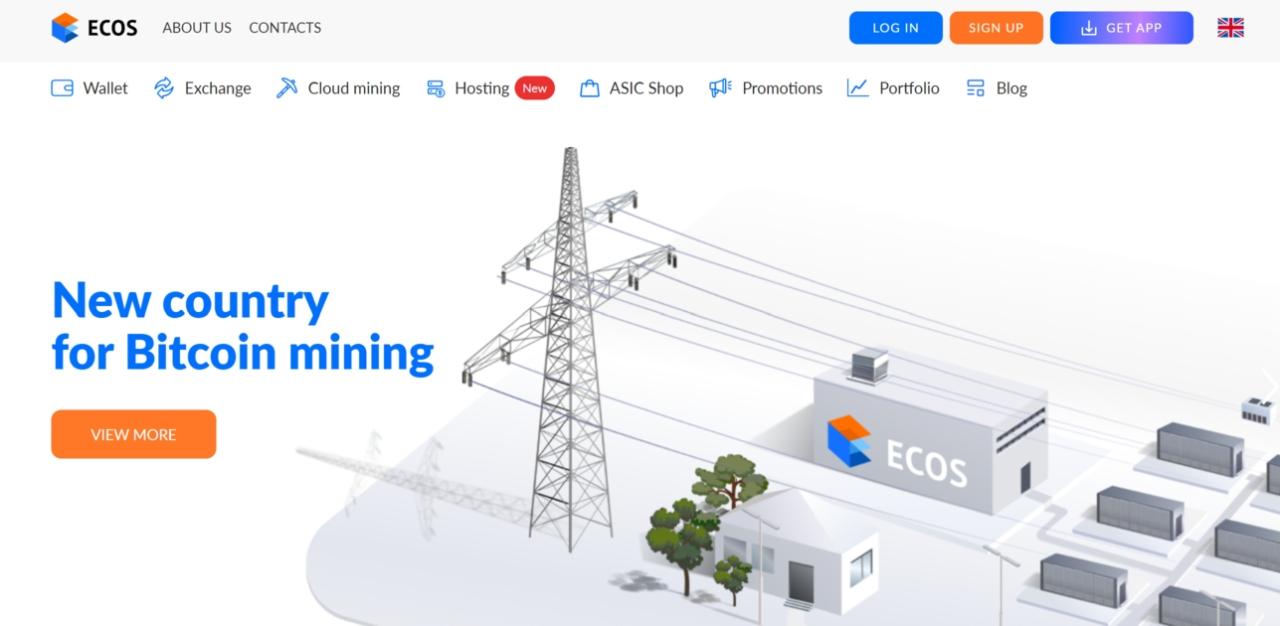
Best Cryptocurrency Mining Platforms A Deep Dive
Best cryptocurrency mining platforms offer a compelling way to potentially profit from the digital asset world. From cloud mining to hardware-based setups and mining pools, various options cater to different needs and resources. This exploration delves into the diverse landscape of these platforms, examining their reliability, ROI potential, hardware and software aspects, user experience, and crucial security considerations.
Understanding the nuances of each platform type is essential for making an informed decision. This guide will walk you through the key features, benefits, and drawbacks of cloud, hardware, and pool-based mining, equipping you with the knowledge to choose the best option for your specific situation.
Introduction to Cryptocurrency Mining Platforms
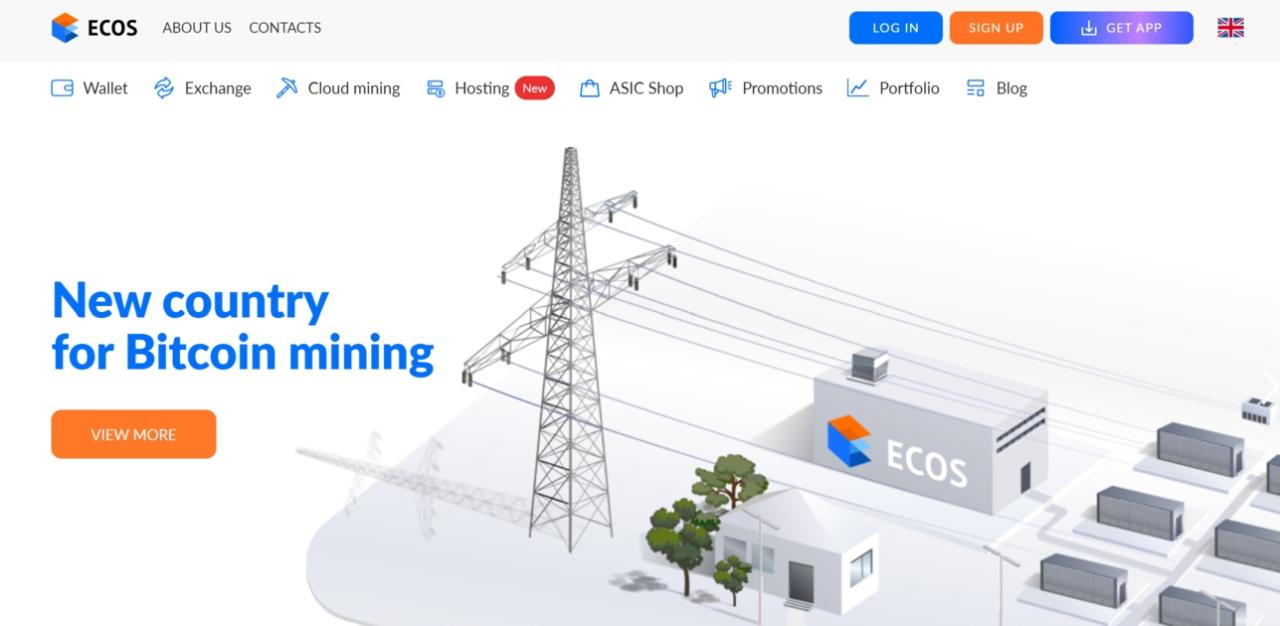
Cryptocurrency mining is the process of verifying and adding new transactions to a blockchain, securing the network, and earning cryptocurrency as a reward. It’s a fundamental part of the blockchain ecosystem, ensuring the integrity and security of the system. This process relies on computational power to solve complex mathematical problems, and the rewards are often distributed to those who contribute the most computing power.This process is crucial for maintaining the decentralized nature of cryptocurrencies, as it involves a distributed network of participants working together to validate transactions.
The computational power required to perform this validation varies significantly depending on the cryptocurrency. Mining platforms provide a way for individuals and businesses to participate in this process, whether through their own hardware or by utilizing cloud resources.
Different Types of Cryptocurrency Mining Platforms
Cryptocurrency mining platforms cater to various needs and technical capabilities. These platforms can be broadly categorized into three main types: cloud mining, hardware-based mining, and pool-based mining. Each type has its own set of advantages and disadvantages, influencing the choice for different miners.
Cloud Mining Platforms
Cloud mining platforms allow users to rent computing power from providers, without needing to own and maintain their own hardware. This option is particularly appealing for those with limited technical expertise or capital. They typically offer pre-configured setups with varying levels of computing power, allowing users to choose plans that align with their budget and desired profitability.
Hardware-Based Mining Platforms
Hardware-based mining utilizes specialized computer hardware, such as ASICs (Application-Specific Integrated Circuits), to perform the complex calculations required for mining. This approach requires a significant upfront investment in hardware, but it offers the potential for higher returns, particularly for large-scale operations. The hardware’s performance directly impacts the profitability, and maintenance and power costs are substantial factors to consider.
Pool-Based Mining Platforms
Pool-based mining platforms aggregate the computational power of multiple miners, distributing the rewards proportionally based on the contribution of each participant. This strategy reduces the risk of individual miners being unable to solve the complex problems, and it lowers the entry barrier for those with less computing power. Pool mining is a more collaborative approach, allowing miners to leverage collective strength to increase their chances of earning cryptocurrency rewards.
| Platform Type | Key Features | Benefits | Drawbacks |
|---|---|---|---|
| Cloud Mining | Rent computing power, minimal setup, often pre-configured plans, accessible to users with limited technical knowledge | Ease of use, low upfront cost, reduced maintenance | Limited control over mining process, potential for lower profitability compared to other methods, reliance on third-party provider |
| Hardware-Based | Specialized hardware (ASICs), high computing power, potential for higher returns, full control over the mining process | High potential for profit, direct control over mining operations | High upfront cost, significant power consumption, maintenance and cooling requirements, potential for obsolescence of hardware |
| Pool-Based | Combined computing power of multiple miners, shared rewards based on contribution, lower risk of missing blocks, lower entry barrier | Reduced risk of missing rewards, more collaborative approach, greater chances of earning crypto rewards, cost-effective for smaller operations | Sharing of rewards, reduced individual control over the mining process, dependence on the reliability of the mining pool |
Evaluating Mining Platform Reliability
Choosing a reliable cryptocurrency mining platform is crucial for consistent profitability and security. A platform’s stability, security protocols, and customer support significantly impact your experience. Unreliable platforms can lead to lost earnings, data breaches, and a frustrating user experience. Understanding these factors is key to making an informed decision.Mining platform reliability is multifaceted, encompassing more than just uptime.
Factors like the platform’s security infrastructure, the responsiveness of its customer support, and the transparency of its policies all contribute to a positive user experience. Analyzing these aspects allows investors to assess the long-term viability and trustworthiness of a given platform.
Factors Contributing to Platform Reliability
A reliable mining platform prioritizes uptime, robust security, and accessible customer support. These elements directly influence the platform’s trustworthiness and user satisfaction.
- Uptime: Consistent uptime is paramount. A platform’s average uptime percentage reflects its stability and the frequency of service disruptions. High uptime ensures uninterrupted mining operations, maximizing earnings potential.
- Security Measures: Robust security protocols are essential. This includes measures such as encryption, multi-factor authentication, and regular security audits to protect user data and funds. Strong security minimizes the risk of hacking and data breaches, a significant concern for cryptocurrency platforms.
- Customer Support: Effective customer support is critical for resolving issues and providing assistance. Fast response times, clear communication channels, and comprehensive FAQs contribute to a positive user experience, especially during technical difficulties or disputes.
Comparison of Mining Platform Reliability
Different platforms exhibit varying degrees of reliability. Assessing their performance across uptime, security, and customer support is vital.
| Platform | Average Uptime (%) | Security Rating | Customer Support Rating |
|---|---|---|---|
| Platform A | 99.8 | Excellent (Strong encryption, regular audits) | Good (24/7 support, responsive) |
| Platform B | 98.5 | Fair (Basic encryption, infrequent audits) | Poor (Limited hours, slow response) |
| Platform C | 99.2 | Excellent (Advanced encryption, frequent audits) | Excellent (24/7 support, detailed FAQs) |
Platform A demonstrates a strong commitment to uptime and security, with excellent customer support. Platform B’s lower uptime and weaker security measures, combined with poor customer support, raise concerns about reliability. Platform C, on the other hand, maintains a solid uptime, coupled with strong security and excellent customer support, indicating a high degree of reliability.
Importance of Security Protocols
Security protocols are fundamental to a cryptocurrency mining platform’s reliability. Robust security protects user funds, data, and the platform’s reputation.
A compromised platform can result in significant financial losses for users, undermining trust and potentially leading to the demise of the platform.
Looking for the best cryptocurrency mining platforms? Well, while the tech world is buzzing, with major league cricket set to play a series of matches at the Oakland Coliseum this summer major league cricket to play a series of matches at oakland coliseum this summer , it’s still important to find reliable platforms that offer good returns.
Choosing the right platform is key to success in this exciting but competitive space.
Weak security protocols expose users to risks like hacking, data breaches, and unauthorized access to funds. This underscores the importance of investing in robust security measures, such as advanced encryption and multi-factor authentication. Such measures mitigate the likelihood of unauthorized access and protect user assets.
Mining Platform Return on Investment (ROI)
Understanding the return on investment (ROI) is crucial when selecting a cryptocurrency mining platform. A platform promising high returns without considering the underlying factors like electricity costs, hardware requirements, and current market conditions is likely misleading. A well-calculated ROI analysis can help identify platforms with the potential to yield substantial profits over time. Accurate projections require careful consideration of variables and realistic expectations.ROI assessment isn’t simply about comparing advertised rates.
It involves a deep dive into the platform’s infrastructure, the specific cryptocurrencies it supports, and the current market dynamics. This analysis allows investors to make informed decisions based on concrete projections rather than relying on unsubstantiated claims.
Assessing Mining Platform ROI Metrics
Accurate ROI assessment requires examining several key metrics. These metrics provide a comprehensive understanding of the platform’s potential profitability and help in comparing different platforms. Important metrics include electricity costs, hardware specifications, network difficulty, and the chosen cryptocurrency.
- Electricity Costs: Electricity costs significantly impact ROI. High electricity prices in a region can drastically reduce profitability, regardless of the platform’s advertised returns. A platform with a high-energy-efficient mining setup is advantageous in areas with high electricity costs.
- Hardware Specifications: The platform’s hardware requirements, including the type of ASIC miners needed, influence profitability. Platforms that require more expensive or specialized hardware will likely have higher upfront costs and may yield lower returns if the chosen cryptocurrency has a low market value.
- Network Difficulty: The difficulty of the cryptocurrency network directly affects the rewards per unit of hashrate. Higher difficulty means miners need more computational power to solve the cryptographic problems and claim rewards. A platform with a high hashrate and favorable difficulty will yield higher profits.
- Chosen Cryptocurrency: The cryptocurrency selected for mining significantly impacts ROI. Platforms specializing in cryptocurrencies with high market values and consistent demand will usually offer better ROI potential.
Calculating Potential ROI
Determining the potential ROI of a mining platform involves several steps, incorporating various factors. A key step is accurately estimating the hashrate achievable by the platform’s hardware and the expected difficulty adjustments.
ROI = (Total Earnings – Total Costs) / Total Costs
Calculating potential ROI involves factors like:
- Hashrate: The platform’s computational power (hashrate) directly impacts the amount of cryptocurrency mined. A higher hashrate translates to more potential earnings.
- Mining Difficulty: The difficulty of the network determines the earnings per unit of hashrate. High difficulty reduces earnings per unit of hashrate.
- Electricity Costs: The cost of electricity directly impacts the net profit. Higher electricity costs reduce the overall ROI.
- Cryptocurrency Price Fluctuations: The price of the cryptocurrency mined significantly affects the ROI. Fluctuations in the market can drastically alter predicted returns.
Predicting Future Profitability
Predicting future profitability involves forecasting market trends and difficulty adjustments. Analyzing historical data, expert opinions, and current market conditions can help create realistic projections. However, predicting future cryptocurrency prices and network difficulty adjustments is challenging.
Potential ROI Table
This table Artikels potential ROI estimates for different platforms under various scenarios. These figures are estimates and may vary significantly based on market conditions and other factors.
| Platform | Estimated ROI (Year 1) | Estimated ROI (Year 2) | Factors Influencing ROI |
|---|---|---|---|
| Platform A | 25% | 30% | High hashrate, low electricity costs, favorable cryptocurrency price projections. |
| Platform B | 15% | 20% | Moderate hashrate, average electricity costs, moderate cryptocurrency price projections. |
| Platform C | 5% | 10% | Low hashrate, high electricity costs, uncertain cryptocurrency price projections. |
Understanding Mining Hardware and Software
Choosing the right cryptocurrency mining platform depends heavily on understanding the interplay between hardware and software. Mining isn’t just about selecting a platform; it’s about optimizing your setup to maximize profitability. This involves careful consideration of the specific hardware capabilities and the software tools available. Understanding these components allows you to make informed decisions about your mining operations.The core function of cryptocurrency mining platforms is to manage the interaction between the hardware that performs the calculations and the software that directs those calculations toward solving cryptographic problems.
This process is essential for validating transactions and securing the blockchain. The right combination of hardware and software directly impacts your profitability.
Mining Hardware
The hardware used in cryptocurrency mining is crucial for success. The processing power of the hardware dictates the speed at which you can solve the cryptographic problems required for mining. Different cryptocurrencies have different algorithm requirements, and this influences the type of hardware best suited for them.
Types of Mining Hardware
Several types of hardware are used in cryptocurrency mining. The most common are Graphics Processing Units (GPUs), Application-Specific Integrated Circuits (ASICs), and Field-Programmable Gate Arrays (FPGAs).
- Graphics Processing Units (GPUs): GPUs, primarily used for video processing, are often employed in mining due to their parallel processing capabilities. They are relatively inexpensive compared to ASICs, making them an attractive option for smaller-scale operations. However, their performance is often limited when compared to dedicated ASICs.
- Application-Specific Integrated Circuits (ASICs): ASICs are custom-built chips designed for a single task, in this case, cryptocurrency mining. They offer significantly higher hashrate (the speed of solving cryptographic problems) and are the dominant hardware choice for large-scale operations. The high cost of ASICs makes them unsuitable for individual miners without substantial capital.
- Field-Programmable Gate Arrays (FPGAs): FPGAs offer a balance between the cost of ASICs and the performance of GPUs. They can be programmed for specific tasks, allowing for flexibility in adapting to different mining algorithms. Their performance and cost fall between GPUs and ASICs.
Software Components
Mining software plays a crucial role in managing the mining process. It handles the communication with the mining pool, the configuration of the hardware, and the execution of the mining algorithms. Effective software is essential for maximizing the utilization of the hardware and ensuring the smooth operation of the mining process.
- Mining Pools: Mining pools are collaborative networks of miners who pool their resources to increase their chance of finding the next block and earning rewards. Mining pools use software to distribute the work and share the rewards among the participants.
- Mining Clients: These software applications connect to the mining pool and handle the actual mining process on the chosen hardware. Different clients offer varying levels of features and functionality, affecting mining efficiency.
Performance Comparison of Mining Hardware
The following table provides a general comparison of different mining hardware types. Note that specific performance figures vary greatly depending on the model, manufacturer, and cryptocurrency algorithm being targeted.
| Hardware Type | Hashrate (MH/s) | Power Consumption (W) | Cost |
|---|---|---|---|
| GPU (High-end) | 50-150 MH/s | 200-400 W | $300-$800 |
| ASIC (Mid-range) | 1000-5000 MH/s | 1500-3000 W | $1000-$5000+ |
| ASIC (High-end) | 5000-100000+ MH/s | 3000-10000+ W | $5000+ |
User Experience and Platform Features

Navigating the world of cryptocurrency mining platforms can be daunting. Different platforms cater to various needs and skill levels, making a seamless user experience crucial. Understanding the interface, available features, and support systems is essential for making an informed decision. This section dives deep into the practical aspects of using these platforms, ensuring you can choose one that best aligns with your needs and technical expertise.
User Interface and Ease of Use
The user interface (UI) of a mining platform directly impacts the ease of use. A well-designed UI allows users to quickly find the information they need, execute tasks efficiently, and monitor their mining activities. Platforms with intuitive dashboards, clear visualizations, and straightforward navigation are highly preferred. Poor UI design can lead to frustration and confusion, potentially deterring users from actively managing their mining operations.
Some platforms provide mobile apps for enhanced accessibility and convenience.
Available Features and Functionalities
Cryptocurrency mining platforms offer a range of features beyond basic mining capabilities. These features can significantly impact the overall user experience and ROI. Advanced features include wallet integration, API access, various payment options, and options to adjust mining parameters. Platforms that offer detailed reporting and analytics can provide valuable insights into mining performance. The availability of these features varies considerably between platforms.
Finding the best cryptocurrency mining platforms can be tricky, with so many options out there. However, it’s important to consider the security implications of these platforms, especially when you think about recent news like Elon Musk’s team gaining access to student loan systems, raising serious concerns about the security and privacy of millions of people’s personal information. Musk teams access to student loan systems raises alarms over personal information for millions.
Ultimately, responsible research and careful selection of a platform are crucial for any crypto miner.
For instance, some platforms may excel at providing real-time performance monitoring, while others may focus on sophisticated wallet management.
Looking for the best cryptocurrency mining platforms? Well, the NBA just pulled off a major trade, with the Warriors agreeing to a blockbuster deal for Jimmy Butler, sending Andrew Wiggins to Miami. This massive move is definitely shaking up the league, and it’s a reminder that sometimes, the biggest moves happen outside the digital realm. Regardless, finding a reputable and efficient cryptocurrency mining platform remains a critical aspect of navigating this exciting and volatile market.
Support and Assistance
Effective support is a vital component of a reliable mining platform. Users should have access to multiple support channels such as email, live chat, or phone support. The responsiveness and helpfulness of support staff can significantly impact the user experience, especially during troubleshooting or technical issues. Platforms with readily available FAQs and comprehensive documentation can also be a great resource.
Support quality is a key differentiator among platforms.
Key Features Influencing User Experience
Several key features directly influence the user experience. A user-friendly interface, robust security measures, detailed reporting, and readily available support are crucial. Quick access to essential information, the ability to adjust mining parameters, and the possibility of integrating with other tools can significantly enhance the user experience. These features contribute to a more seamless and efficient mining experience.
Comparison Table, Best cryptocurrency mining platforms
| Platform | User Interface Rating | Support Channels | Ease of Use |
|---|---|---|---|
| Platform A | 4.5/5 | Email, Live Chat, Phone | High |
| Platform B | 3.8/5 | Email, Knowledge Base | Medium |
| Platform C | 4.2/5 | Email, Live Chat, Community Forum | High |
Note: Ratings are subjective and based on user feedback and platform features. Ease of use ratings are categorized as High, Medium, and Low, for comparative purposes.
Security Considerations for Cryptocurrency Mining: Best Cryptocurrency Mining Platforms
Cryptocurrency mining platforms, while offering potentially lucrative returns, present unique security challenges. Protecting user funds, data, and mining hardware from malicious actors is paramount. Robust security measures are crucial for maintaining trust and ensuring the long-term viability of these platforms.Mining platforms must implement comprehensive security protocols to safeguard against various threats. This includes not only protecting the platform itself but also ensuring the security of user data and the integrity of the mining process.
A strong security posture is essential for building and maintaining user confidence.
Security Measures Implemented by Mining Platforms
Mining platforms employ various security measures to protect against unauthorized access and malicious activities. These measures often include firewalls, intrusion detection systems, and regular security audits. Sophisticated encryption techniques are also used to safeguard sensitive data. The level of security varies between platforms, so careful evaluation is necessary.
Data Encryption and Protection
Data encryption is a critical component of security on cryptocurrency mining platforms. Sensitive data, such as user accounts, transaction history, and mining hardware configurations, must be encrypted both in transit and at rest. This prevents unauthorized access and ensures data integrity. Robust encryption algorithms, combined with secure storage solutions, are essential for maintaining data confidentiality. Examples include AES-256 encryption for sensitive information and secure storage solutions like hardware security modules (HSMs) to safeguard private keys.
Security Threats and Vulnerabilities
Mining platforms face a multitude of security threats. These include malware attacks, denial-of-service (DoS) attacks, phishing scams, and insider threats. Ransomware attacks, targeting mining hardware or the platform itself, are also a growing concern. Malicious actors might attempt to manipulate mining algorithms or steal cryptocurrency from user accounts. Moreover, vulnerabilities in the underlying software or hardware can be exploited to gain unauthorized access or manipulate the mining process.
Recommended Practices for Securing a Cryptocurrency Mining Platform
Implementing strong security practices is essential for minimizing vulnerabilities and safeguarding against attacks. These practices include regular software updates, penetration testing, and security awareness training for staff. Multi-factor authentication (MFA) should be mandatory for all user accounts. Employing a layered security approach is crucial. This involves multiple security controls working together to create a more robust defense against threats.
Importance of Two-Factor Authentication and Other Security Measures
Two-factor authentication (2FA) is a crucial security measure to protect user accounts. It adds an extra layer of security, requiring a second form of verification beyond a password. This significantly reduces the risk of unauthorized access. Other essential security measures include regular security audits, incident response plans, and data loss prevention (DLP) strategies. Implementing these measures creates a secure environment for users and the platform.
A dedicated security team, responsible for monitoring and responding to threats, is also a significant asset.
Final Review
Choosing the right cryptocurrency mining platform requires careful consideration of various factors. From platform reliability and ROI projections to hardware choices and user experience, navigating this complex landscape demands thorough research. This comprehensive guide has provided a roadmap to understanding these factors, enabling you to make an informed decision based on your individual needs and goals. Remember, while the potential rewards are enticing, always prioritize security and due diligence.